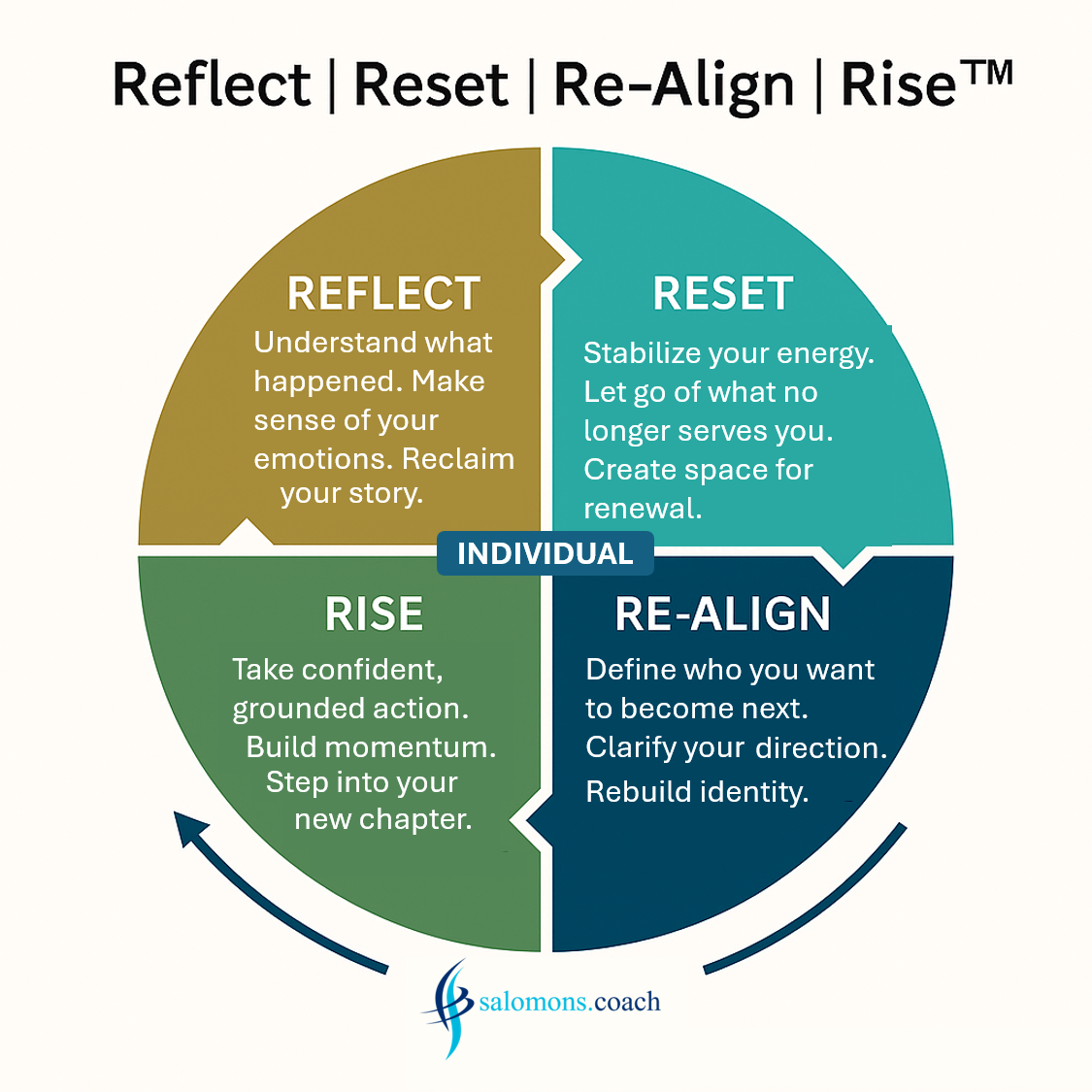
Redundancy is often treated as a quick transition, but the real determining factor in someone’s recovery is time. The pace at which a person can move through the inner journey of Reflect–Reset–Re-Align–Rise™ depends on financial pressure, VSO terms, WW timelines, emotional impact, and life circumstances. When the process is rushed, unresolved phases return later as stress, confusion, or poor career choices. When people are given time, clarity grows, confidence returns, and their next step becomes intentional rather than reactive. Time isn’t a delay—it’s the space where healing and identity reconstruction take place.
Redundancy in the Netherlands is often misunderstood as a personal failure, while in reality it is a legally structured process with strong employee protections. This article explains your rights, the procedures employers must follow, and the timeframes involved — from UWV approval and notice periods to reassignment obligations, dismissal bans, transition payments and WW benefits. With clarity and compassion, it guides you through what the law requires, what you can expect, and how to move forward confidently in your next career chapter.
The 4R Model—Reflect, Reset, Re-Align, Rise™—emerged from more than 35 years of leading and coaching in complex, high-pressure environments, combined with solid foundations in transition theory, emotional intelligence, identity work, and psychological safety. Supported by globally respected research (including HBR), the model provides a clear, humane framework that helps people navigate redundancy, burnout, and major career shifts. Instead of treating change as a purely logistical process, 4R guides the deeper psychological journey: understanding what’s happening internally, letting go of old identities, rebuilding direction, and rising with confidence and sustainable momentum. It turns disruption into structured growth.
Sterke emoties zijn niet het probleem - hoe we ze in een kader plaatsen is dat wel. In de huidige onstabiele en onzekere wereld worden leiders geconfronteerd met constante druk die frustratie, angst of twijfel oproept. Reframen helpt om deze emoties om te zetten in helderheid, moed en verbinding. In plaats van te reageren, leren leiders te pauzeren, na te denken en de boodschap achter het gevoel te ontdekken. In dit artikel deelt Jan Salomons hoe reframen emotie verandert in gegevens, reactie in reflectie en druk in leiderschapskracht - een cruciale vaardigheid om leiding te geven in een VUCA-wereld. Leer hoe je van emoties je bondgenoot kunt maken en hoe je zelfbewust en doelgericht door complexiteit kunt navigeren.
I still remember the moment I lost my cool. The frustration had been building for days, and during a routine meeting with one of my subordinates, I snapped. My words were sharp, my tone unkind, and the look on their face—shock and hurt—was a painful reminder that I’d crossed a line.
As leaders, we often pride ourselves on staying composed, but we’re human, too. That day, I learned the hard way that managing others starts with managing yourself. Emotional outbursts can damage trust and relationships, but they can also be a wake-up call for growth.
If you’ve faced similar challenges, it’s time to take charge of your emotions and lead with resilience. Let me guide you. Explore my coaching services or...
Uitstelgedrag is een veelvoorkomende uitdaging waar velen mee te maken hebben en die vaak leidt tot stress en verminderde productiviteit. Ondanks dat we de negatieve effecten kennen, stellen we taken vaak uit. Dit gedrag is gekoppeld aan het limbisch systeem van onze hersenen, dat een "vecht, vlucht of bevries" reactie activeert wanneer we geconfronteerd worden met stressvolle taken, wat leidt tot vermijden om het ongemak te verlichten. Om deze cyclus te doorbreken, is het essentieel om de emotionele triggers achter uitstelgedrag aan te pakken. Strategieën zijn onder andere het herkennen van deze emotionele reacties, het opdelen van taken in kleinere, beheersbare stappen, het stellen van specifieke doelen en deadlines en het oefenen van zelfcompassie. Door de emotionele en neurologische factoren die bijdragen aan uitstelgedrag te begrijpen, kunnen we effectieve strategieën ontwikkelen om het te beheersen, wat leidt tot een hogere productiviteit en meer welzijn.