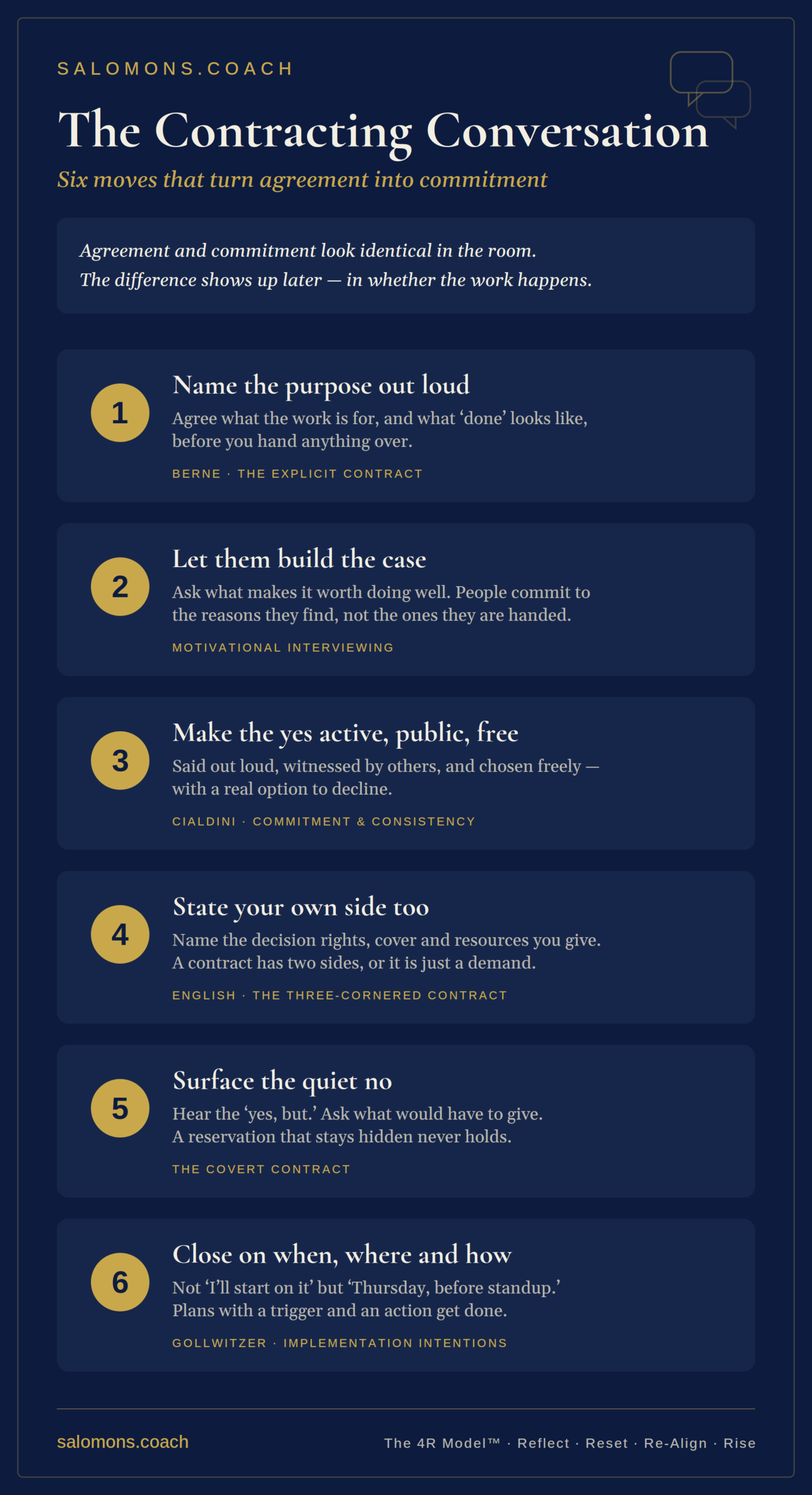
Getting someone to say yes is easy. Getting a yes that survives your absence is the real work of leadership. Six research-backed moves that turn polite agreement into commitment people genuinely own.
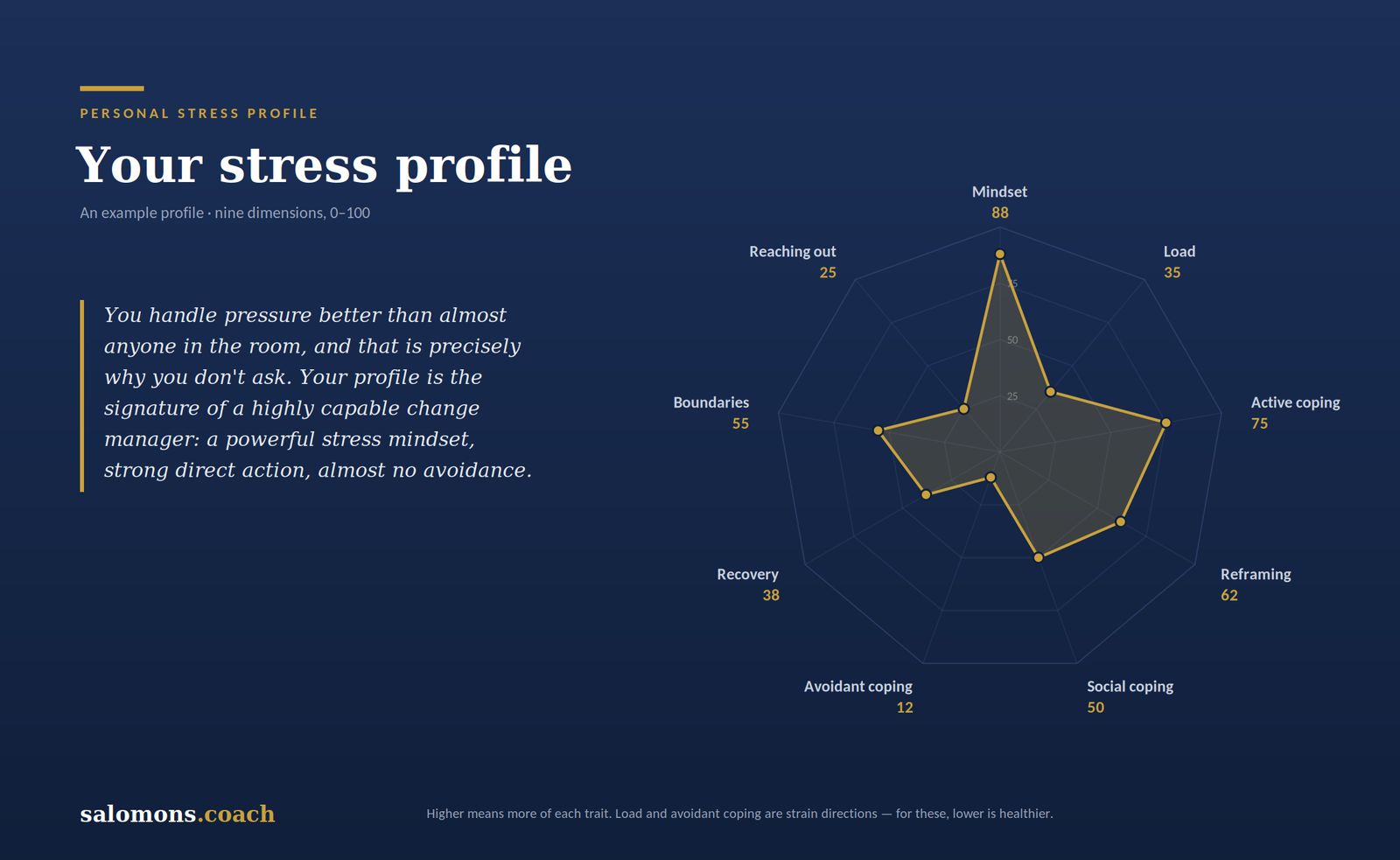
The Personal Stress Coping Profile™ provides a structured mirror of current pressure, coping responses, resilience resources, boundaries and recovery. It creates insight without diagnosing or labelling—and connects personal awareness with the wider team conditions that influence how people cope.
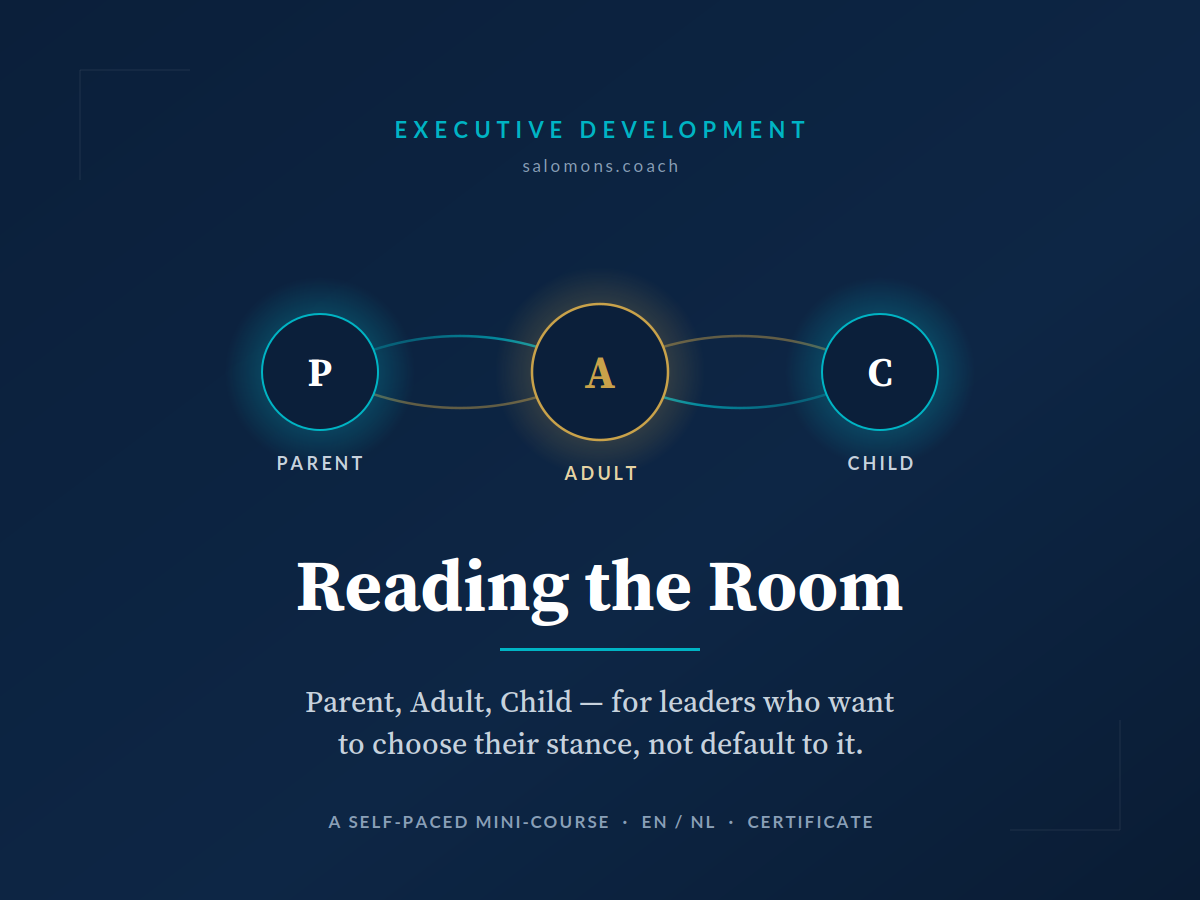
Parent Adult Child leadership explains why the mode you default to — Parent, Adult or Child — quietly shapes whether your people grow or stay dependent.
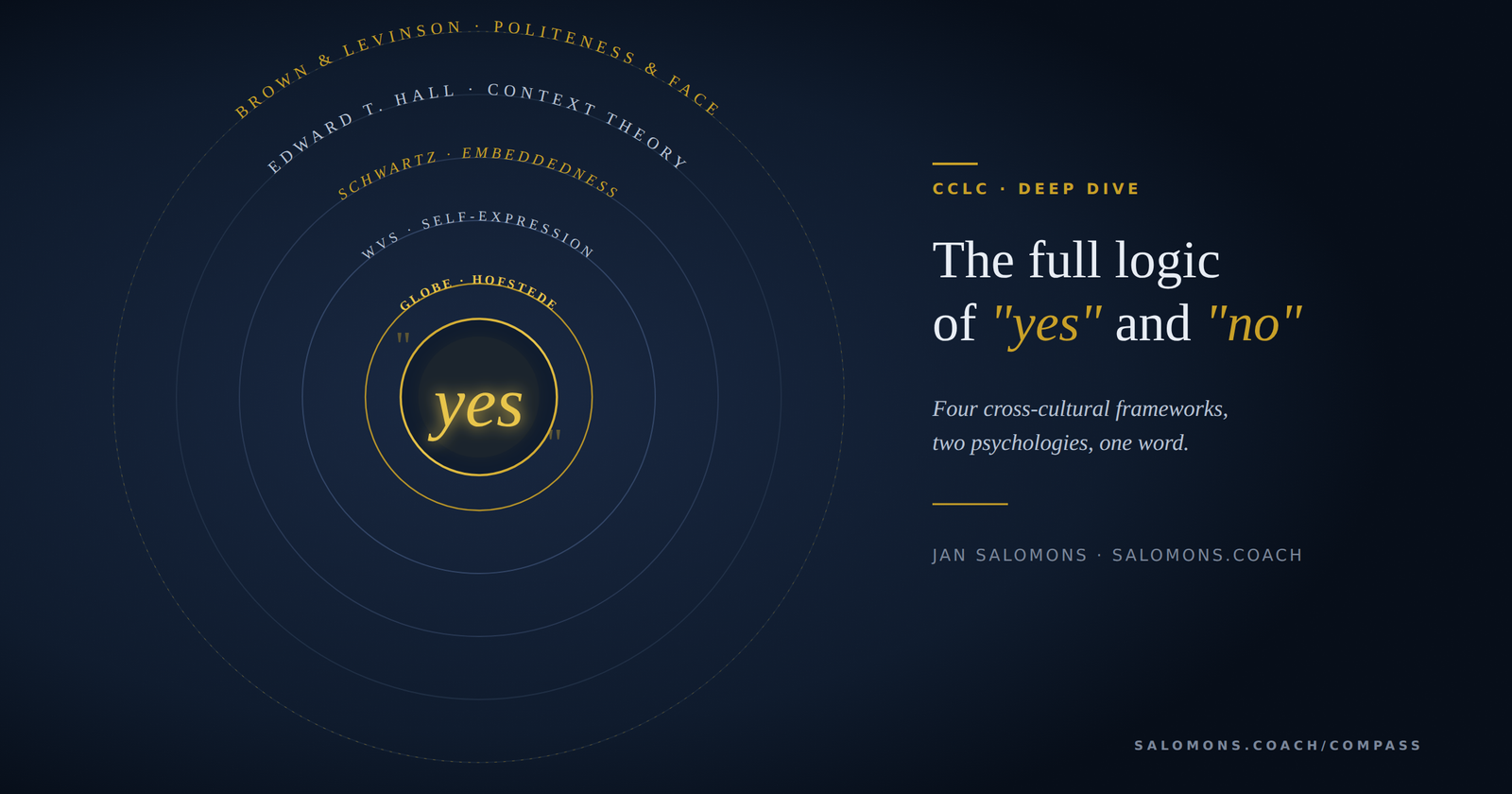
A yes from Beijing and a yes from Amsterdam can come out of the same mouth in the same meeting and mean radically different things. A reference-grade walk through the four cross-cultural frameworks — Hofstede, GLOBE, WVS, Schwartz — and the two psychological theories underneath that explain why.
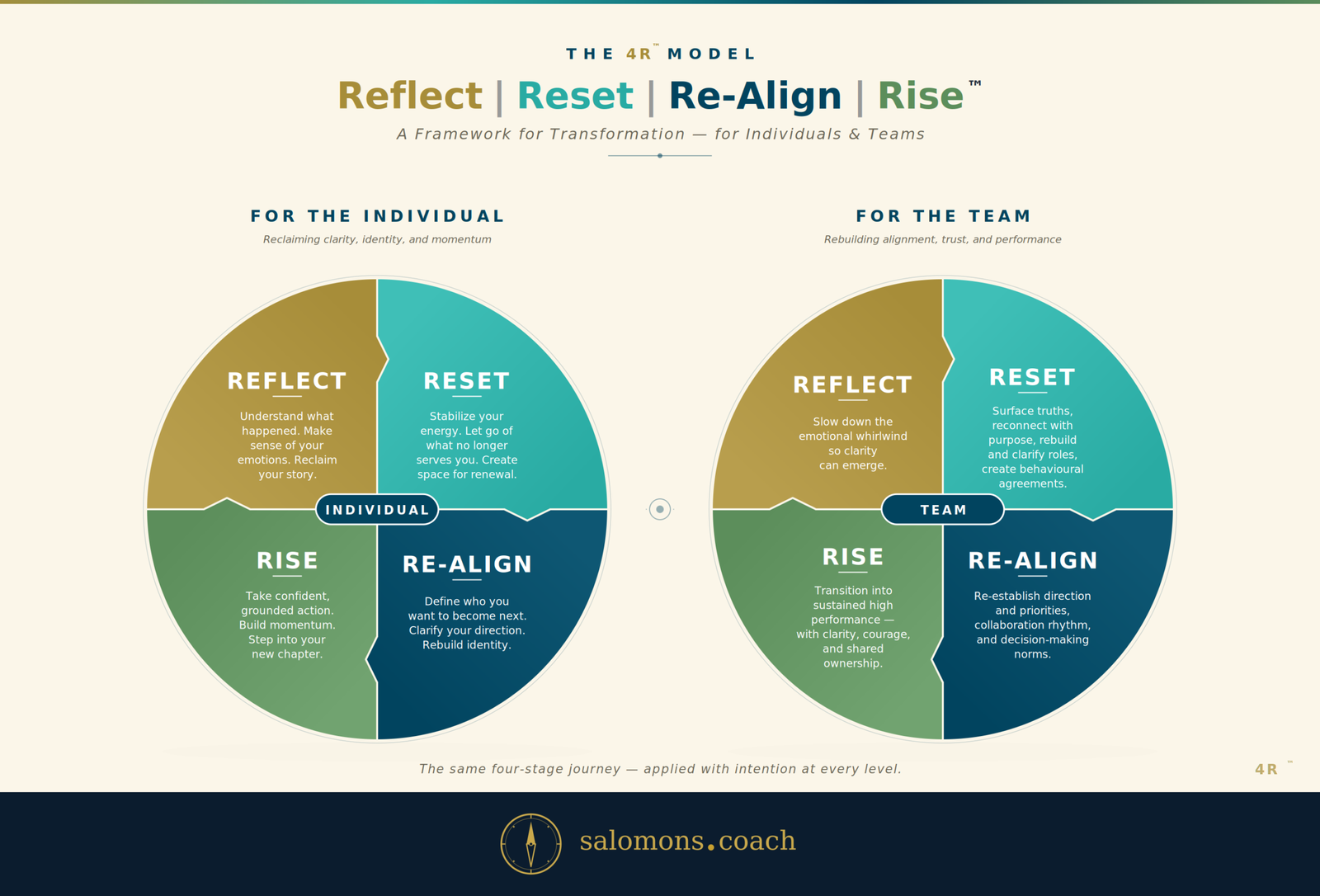
Setbacks demand action. Reflection demands stillness. The first stage of the 4R™ Model asks you to do the harder thing — stay with what happened long enough to make sense of it. Why Reflect is the foundation every transformation is built on.
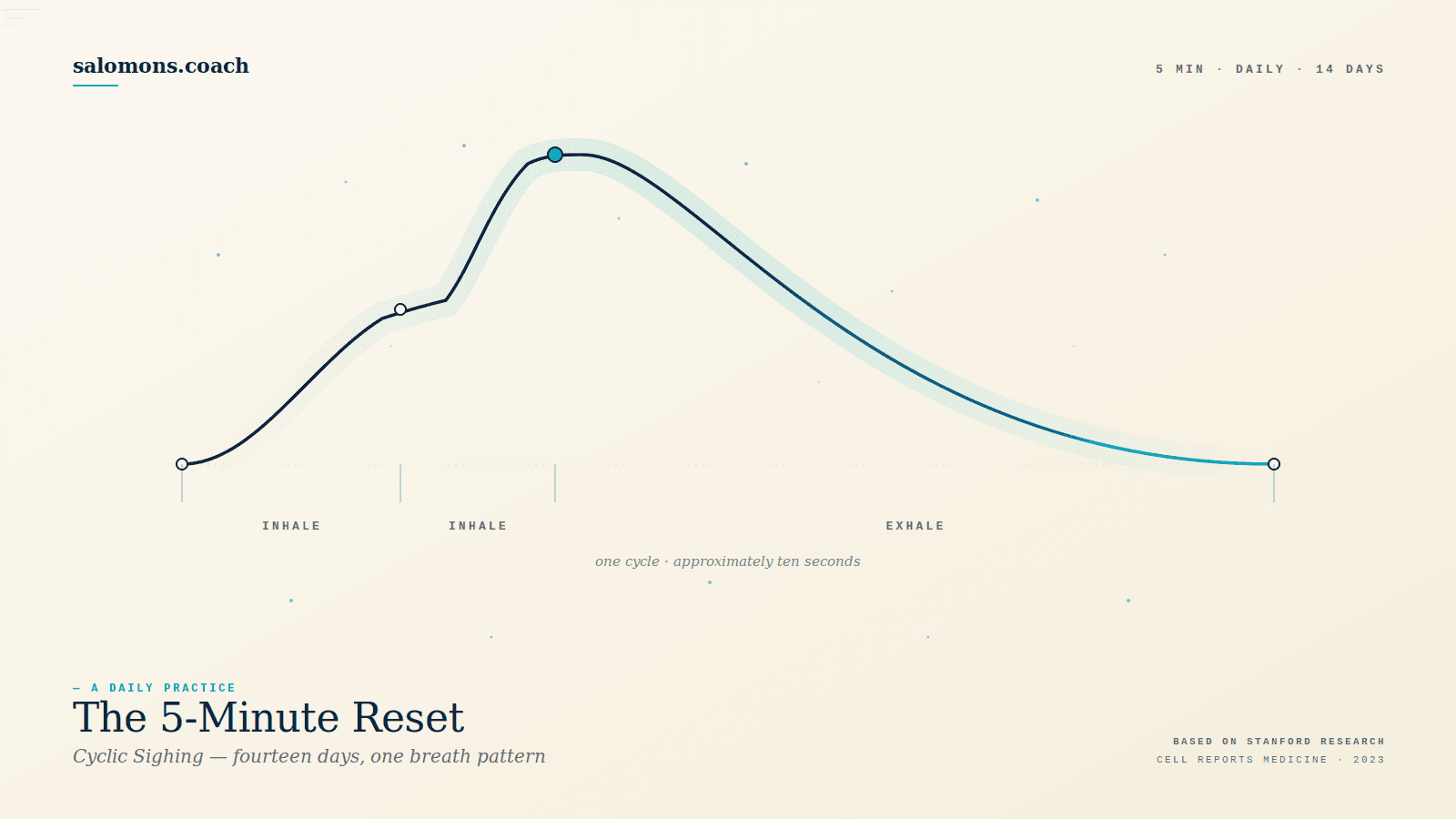
A 2023 randomized trial pitted four breathing techniques against each other. The winner takes five minutes a day. Here's what it taught me and how I built it into my coaching practice.
How does one person actually change the world? Not through grand gestures, but through shifts in thinking and behavior that ripple outward. This article explores the science behind societal change, from evolutionary psychology to systems thinking. It shows how mental models shape behavior, how small choices scale into cultural shifts, and why institutions tend to follow rather than lead. For leaders, the implication is clear: real change starts with how individuals see their role in the system. When enough people act differently, culture moves—and with it, performance, policy, and outcomes.
Most managers have two default tools when they need something to happen: tell people what to do, or escalate to someone who can. Direct communication and the chain of command. Both have their place. But if they are your primary or only tools for getting things done across an organization, you have a problem. Not because they don't work, but because they work less and less the higher you climb and the more complex your environment becomes.
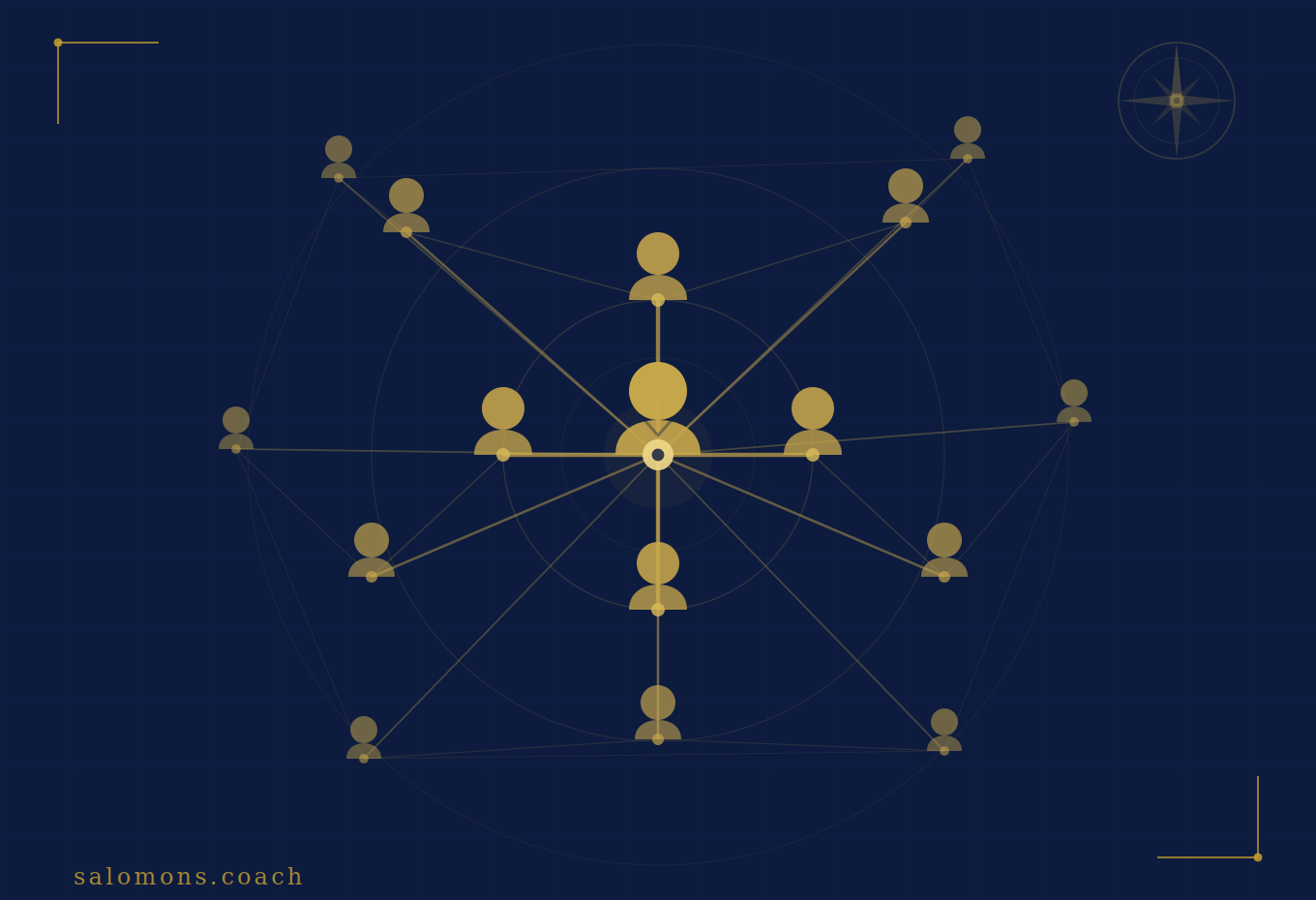
The managers and project managers who consistently get things done are not the ones with the biggest title or the loudest voice. They are the ones who understand that in most modern organisations, influence is the currency that actually moves things. Directives produce compliance. Influence produces commitment.
This article gives you a practical new toolbox, and more importantly, a new mindset.
Most senior leaders don't derail because they lack intelligence or drive. They derail because they stopped learning — and didn't notice until the damage was done. In this article, executive coach Jan Salomons explores the neuroscience behind why behavioral change is so hard, the five warning signs that a leader's learning agility is eroding, and what the research really says about what separates leaders who keep growing from those who quietly plateau. Drawing on decades of evidence from Korn Ferry, the Center for Creative Leadership, and the neuroscience of neuroplasticity, this is a practical, behavior-focused guide to one of the most critical — and most overlooked — leadership competencies of our time. If you have ever caught yourself relying on what worked before in a situation that is clearly different, this article is for you.
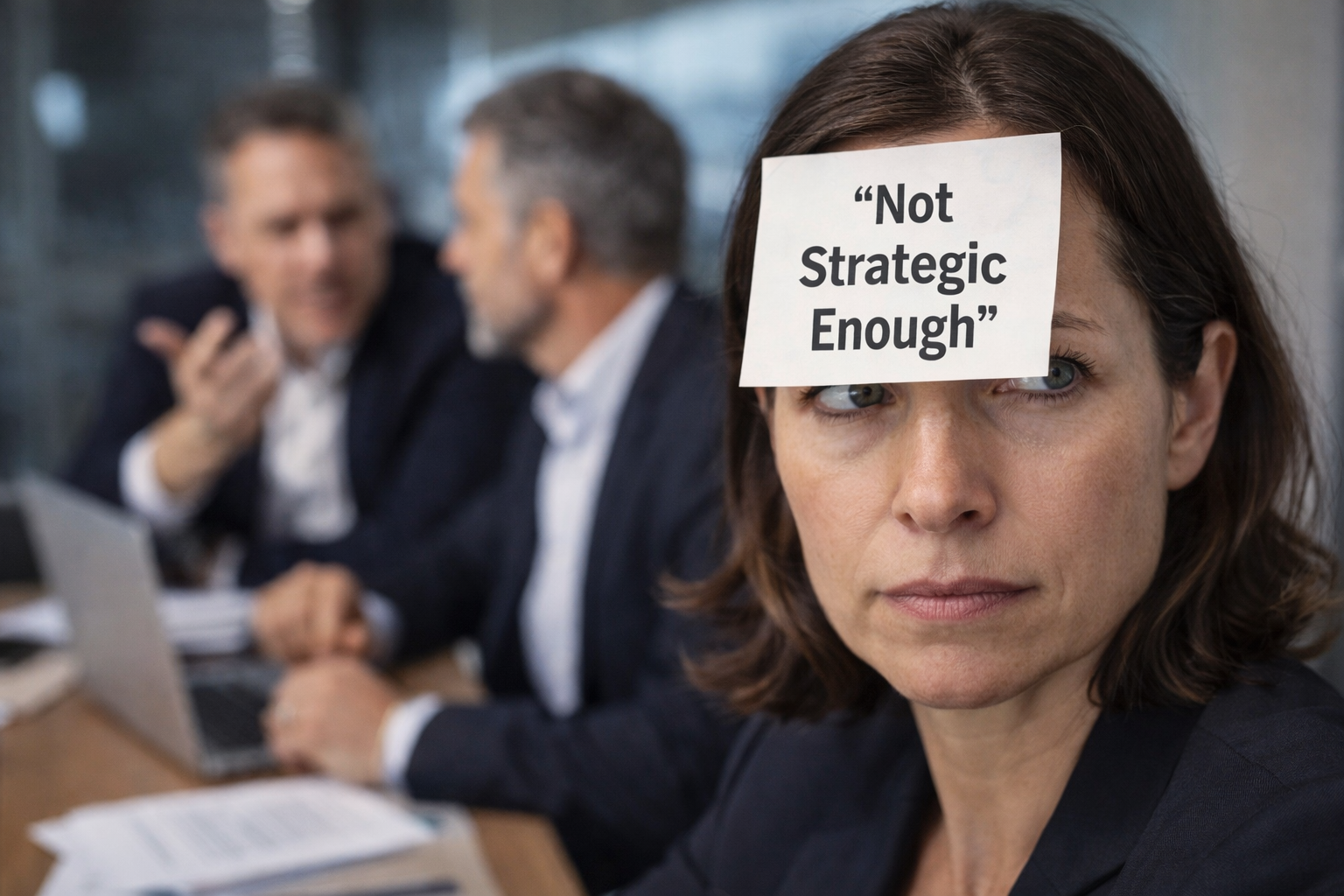
The phrase “not strategic enough” is one of the most common labels used when leaders hit an invisible career ceiling. But in executive teams it often hides a deeper problem — unclear expectations, power dynamics, or low psychological safety. Before developing the individual, leaders must first examine the system that produced the label.