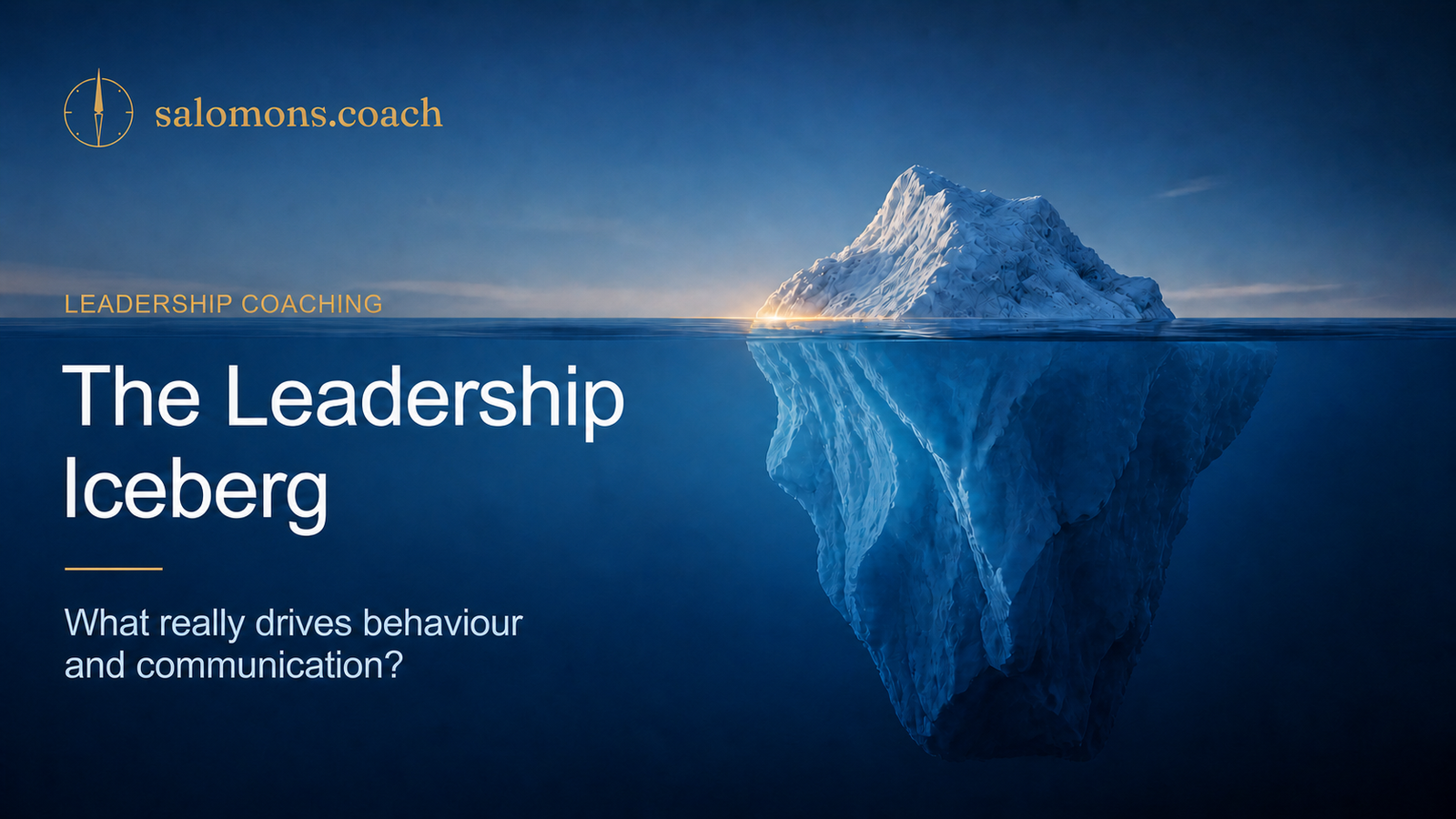
What leaders say and do is only the visible tip of the iceberg. This post explores the assumptions, emotions, values and beliefs beneath leadership behavior, and how coaching helps leaders turn deeper awareness into deliberate communication and lasting change.
An executive summary of the five best videos on ADHD for leaders. A hard-science lecture, a memoir, a reframe, a coaching explainer, and the popular superpower talk, watched together, converge on one conclusion, and it's the argument of The ADHD Leader in a sentence.
A short, curated watch list for leaders who want to understand ADHD, from Russell Barkley on executive function to Jessica McCabe's story of failing at normal. The best videos on the science, the lived experience, and the strengths, with a note on what to watch critically.
Most leaders with ADHD aren't short on ability, they're working with a brain the role was never designed around. A look at the real challenges, the strengths hidden in the same wiring, and the development steps that turn a private struggle into a workable design.
Senior leaders are trained to remove uncertainty, yet a career switch resists exactly that. You can't analyse your way into a new identity; you have to explore your way in. Here's how the Pioneer Map and The Expedition guide the senior career pivot — and the theory beneath the method.
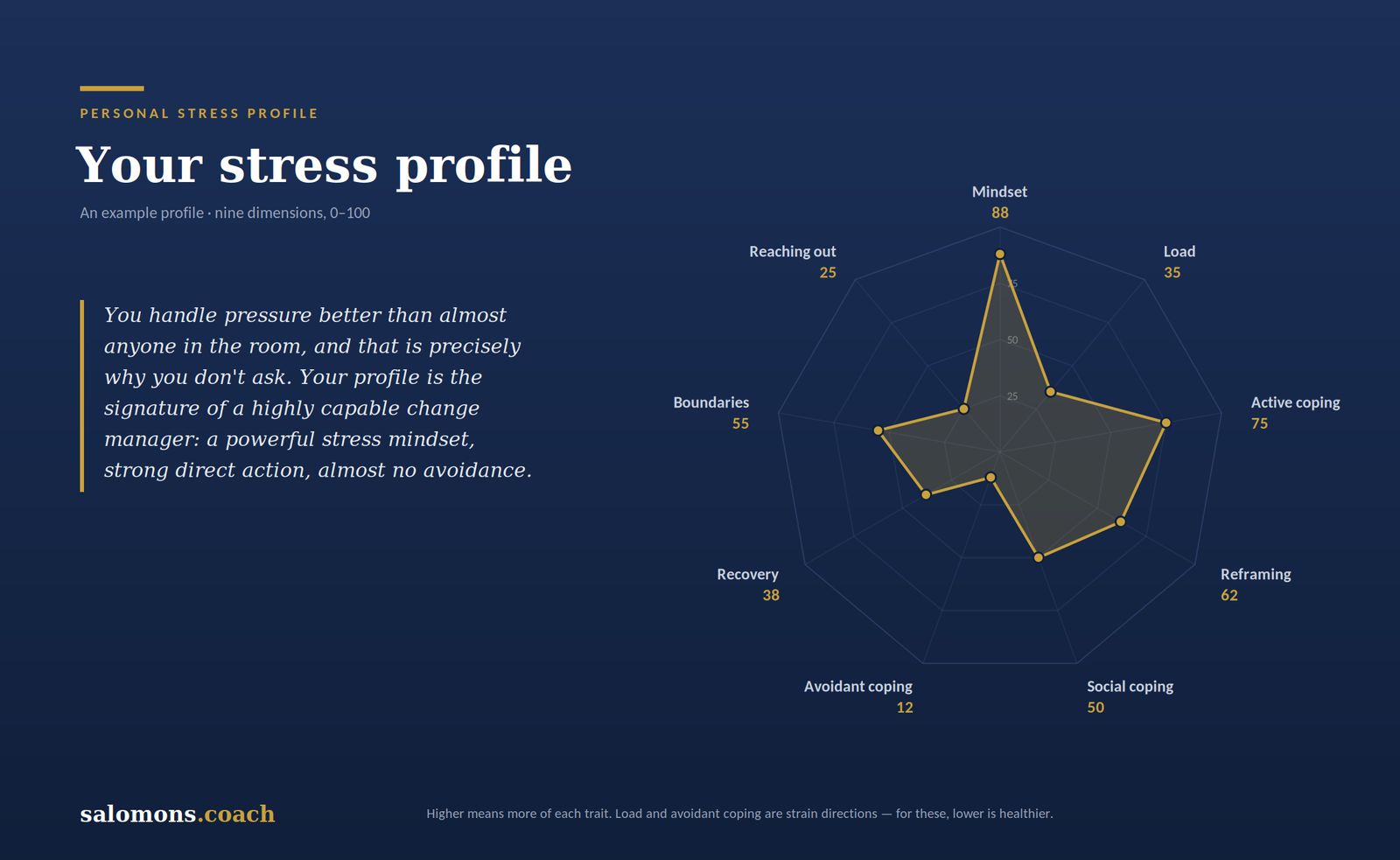
The Personal Stress Coping Profile™ provides a structured mirror of current pressure, coping responses, resilience resources, boundaries and recovery. It creates insight without diagnosing or labelling—and connects personal awareness with the wider team conditions that influence how people cope.
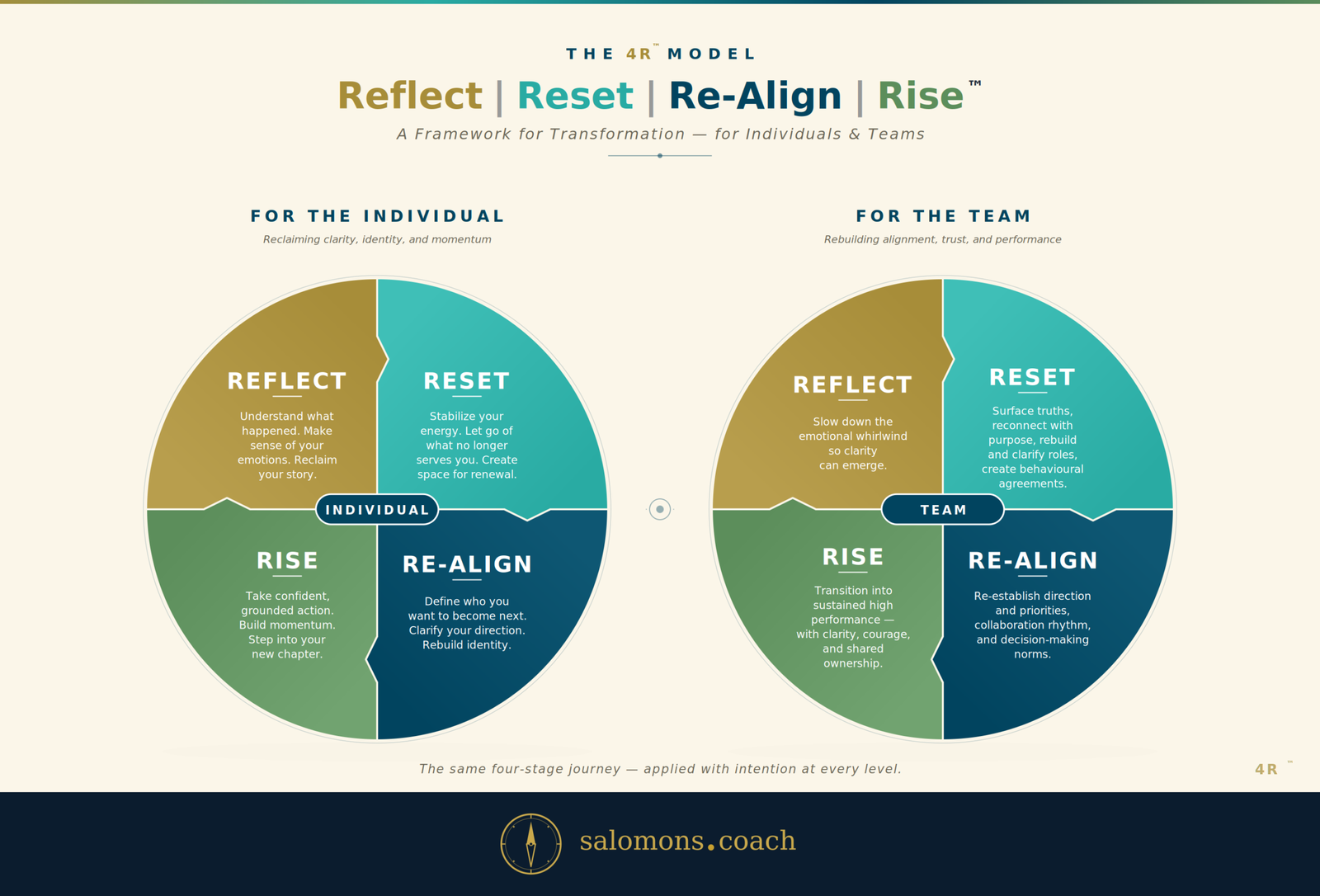
Setbacks demand action. Reflection demands stillness. The first stage of the 4R™ Model asks you to do the harder thing — stay with what happened long enough to make sense of it. Why Reflect is the foundation every transformation is built on.
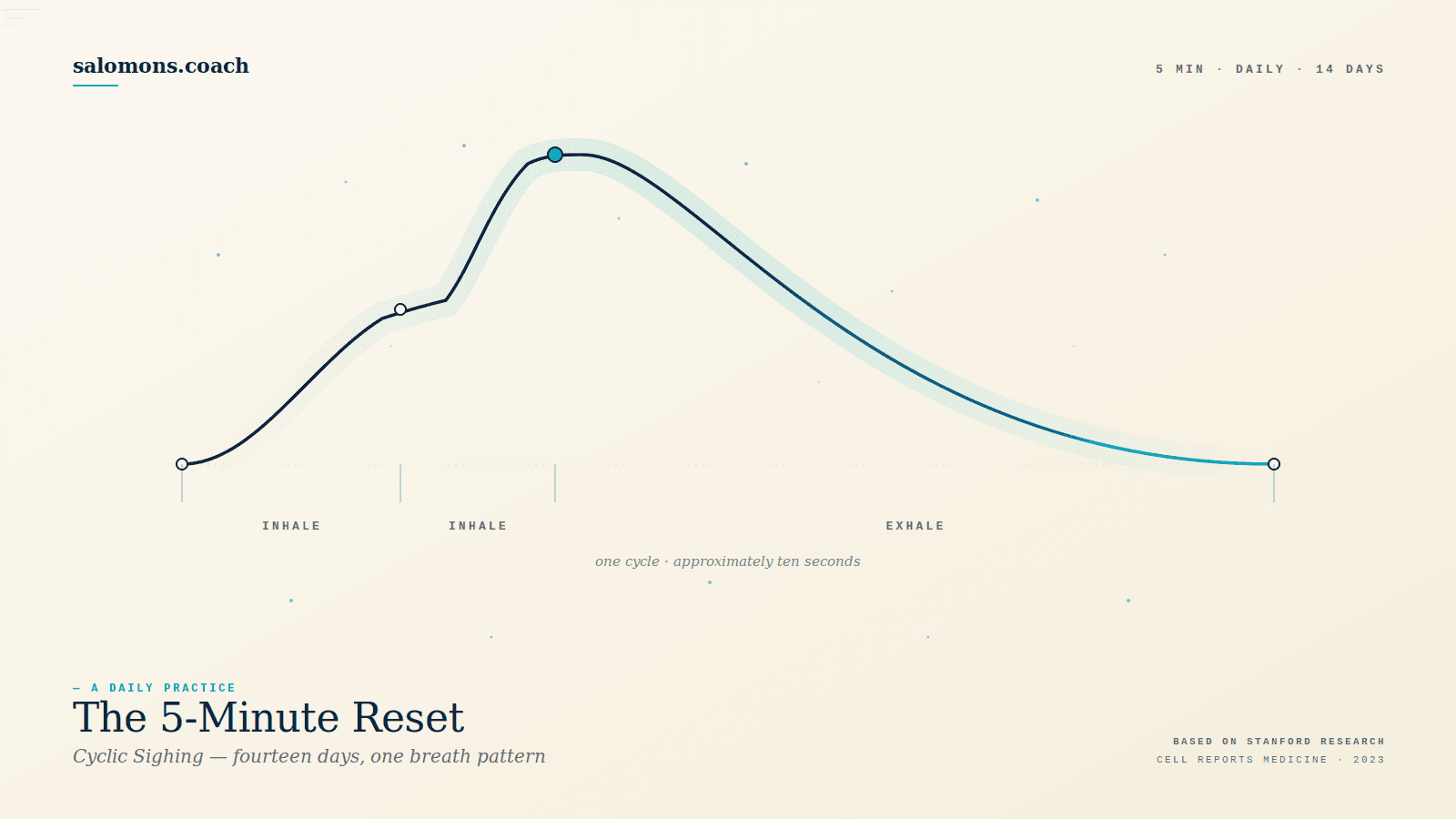
A 2023 randomized trial pitted four breathing techniques against each other. The winner takes five minutes a day. Here's what it taught me and how I built it into my coaching practice.
How does one person actually change the world? Not through grand gestures, but through shifts in thinking and behavior that ripple outward. This article explores the science behind societal change, from evolutionary psychology to systems thinking. It shows how mental models shape behavior, how small choices scale into cultural shifts, and why institutions tend to follow rather than lead. For leaders, the implication is clear: real change starts with how individuals see their role in the system. When enough people act differently, culture moves—and with it, performance, policy, and outcomes.
Most cross-cultural leadership problems don’t look like cultural problems, until they cost you performance. Misaligned expectations around trust, feedback, hierarchy, and decision-making silently undermine teams, delay results, and create friction that leaders misread as personality or competence issues. The Cross-Cultural Leadership Compass translates decades of academic research, including Hofstede’s Cultural Dimensions, GLOBE Study, World Values Survey, and Schwartz Theory of Basic Values, into precise, actionable leadership insights. Instead of generic awareness, it gives you a data-backed map of where cultural gaps actually impact your role, your team, and your results.