What leaders say and do is only the visible tip of the iceberg. This post explores the assumptions, emotions, values and beliefs beneath leadership behavior, and how coaching helps leaders turn deeper awareness into deliberate communication and lasting change.
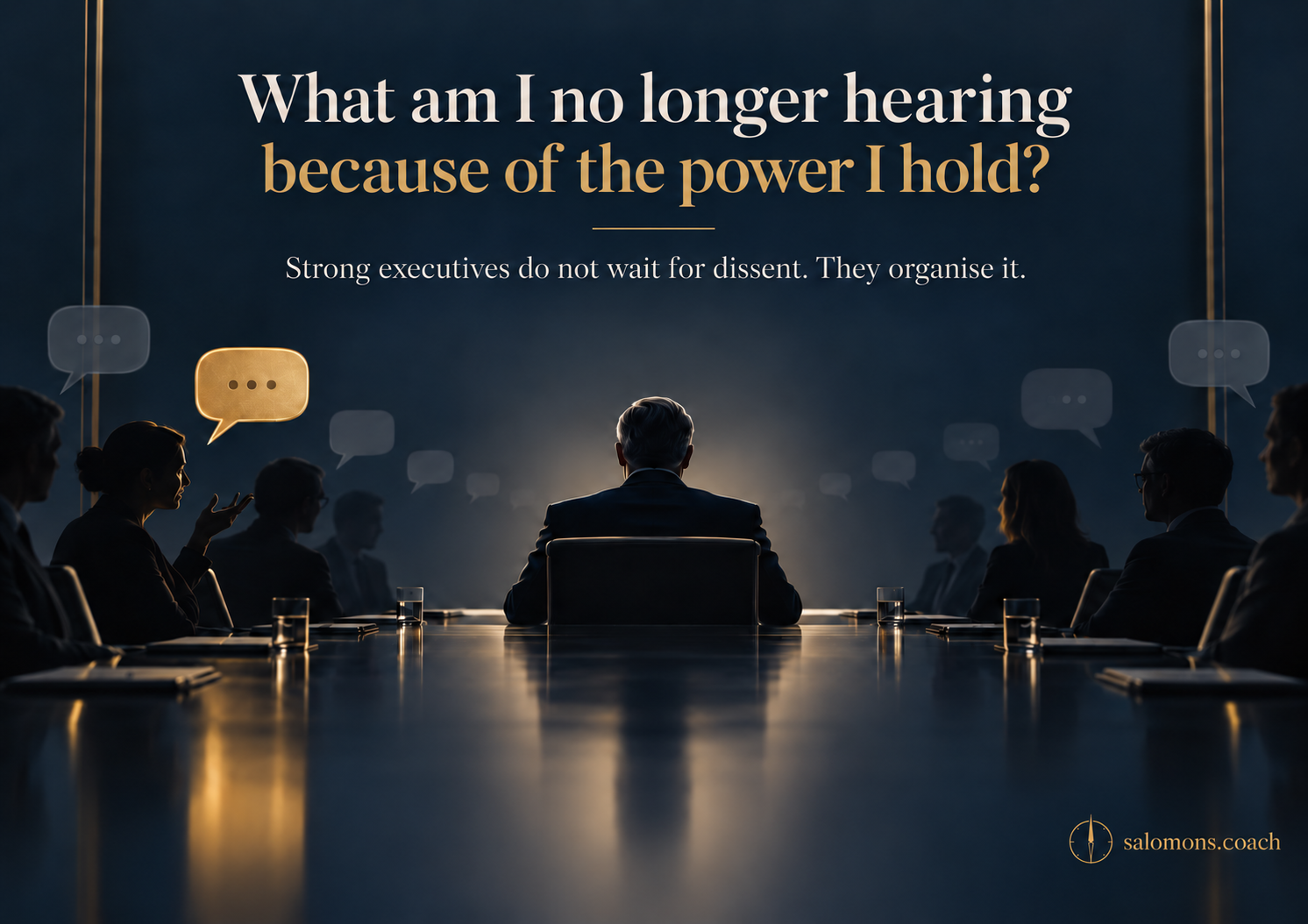
Authority buys you access to everything except the truth. The more senior you become, the more information reaches you and the more it is edited on the way. Here is why leaders stop hearing candor, and a practical playbook for building it back.
Why do some teams remain effective under sustained pressure while others gradually become overwhelmed? This article introduces six collective capabilities that help teams recognise pressure early, redistribute responsibility, adapt priorities and learn from demanding periods, without replacing individual accountability.
Efficiency makes an operation look strong. Reliability under the unexpected asks for almost the opposite. Karl Weick's five principles of high-reliability organizations — and what they looked like on a real hub floor.
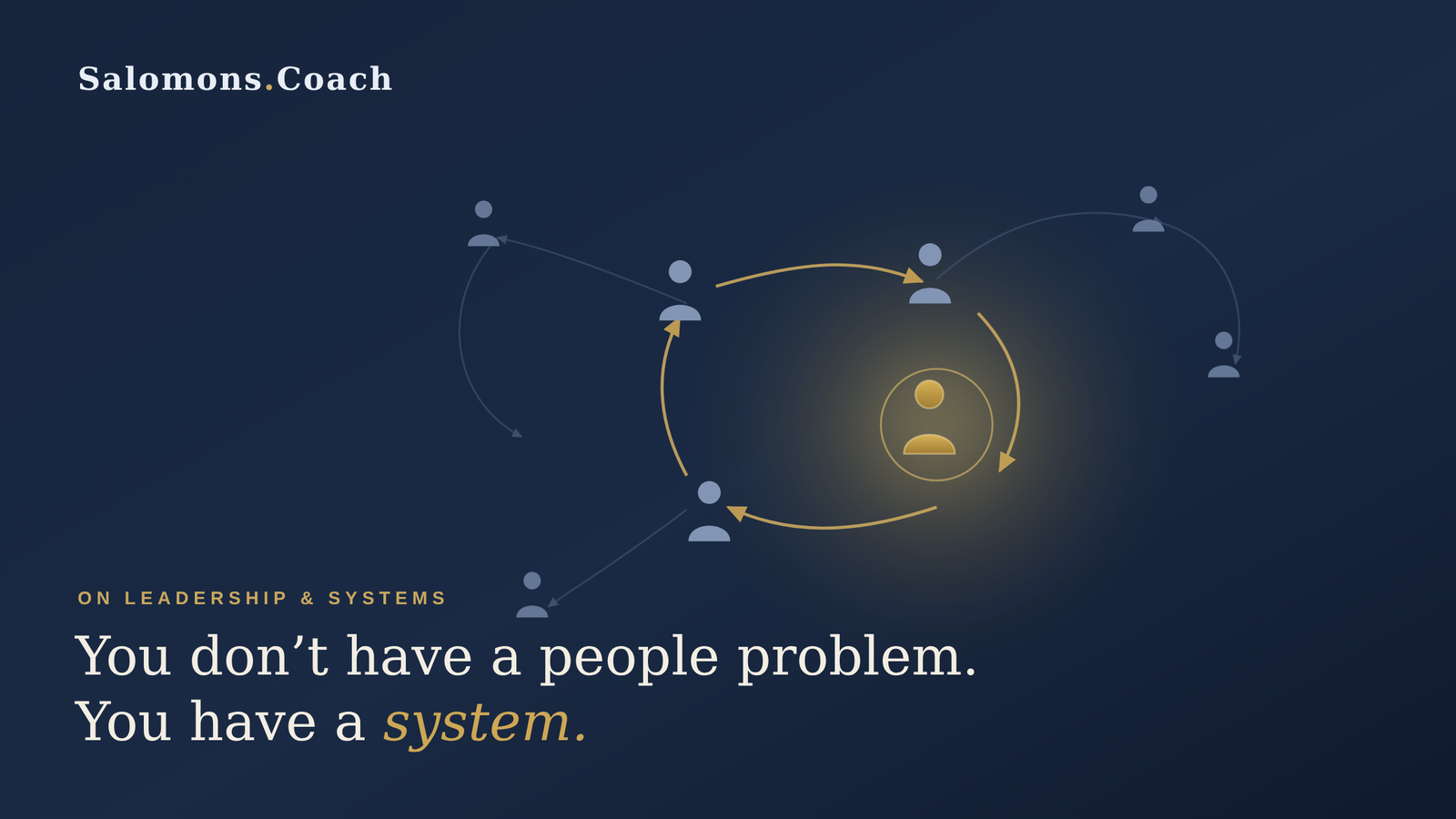
Your team won't take ownership. The same crisis keeps returning. You replaced the problem person and nothing changed. These aren't character flaws — they're the shape of the system you're standing inside. Drawing on three decades in the leadership chair, Jan Salomons on why so much competence produces so little change, and where the shift actually begins.
The Personal Stress Coping Profile™ provides a structured mirror of current pressure, coping responses, resilience resources, boundaries and recovery. It creates insight without diagnosing or labelling—and connects personal awareness with the wider team conditions that influence how people cope.
A yes from Beijing and a yes from Amsterdam can come out of the same mouth in the same meeting and mean radically different things. A reference-grade walk through the four cross-cultural frameworks — Hofstede, GLOBE, WVS, Schwartz — and the two psychological theories underneath that explain why.
The EU Pay Transparency Directive shifts the burden of proof onto the employer. A pay difference will now require an objective, documented justification, or a correction. "She negotiated harder when she joined" is not a defence. "He's been here longer" might be — if your tenure logic is documented.
The leaders who navigate this well will be the ones who do the work before the questions arrive. Conversation by conversation, fairness becomes a leadership problem.
If you have downloaded the Cross-Cultural Leadership Compass, this article provides the knowledge how to use the report as your compass to navigate the cross-cultural map. I you want to download an example report, click here. Cross-cultural leadership reports are
Most cross-cultural leadership problems don’t look like cultural problems, until they cost you performance. Misaligned expectations around trust, feedback, hierarchy, and decision-making silently undermine teams, delay results, and create friction that leaders misread as personality or competence issues. The Cross-Cultural Leadership Compass translates decades of academic research, including Hofstede’s Cultural Dimensions, GLOBE Study, World Values Survey, and Schwartz Theory of Basic Values, into precise, actionable leadership insights. Instead of generic awareness, it gives you a data-backed map of where cultural gaps actually impact your role, your team, and your results.