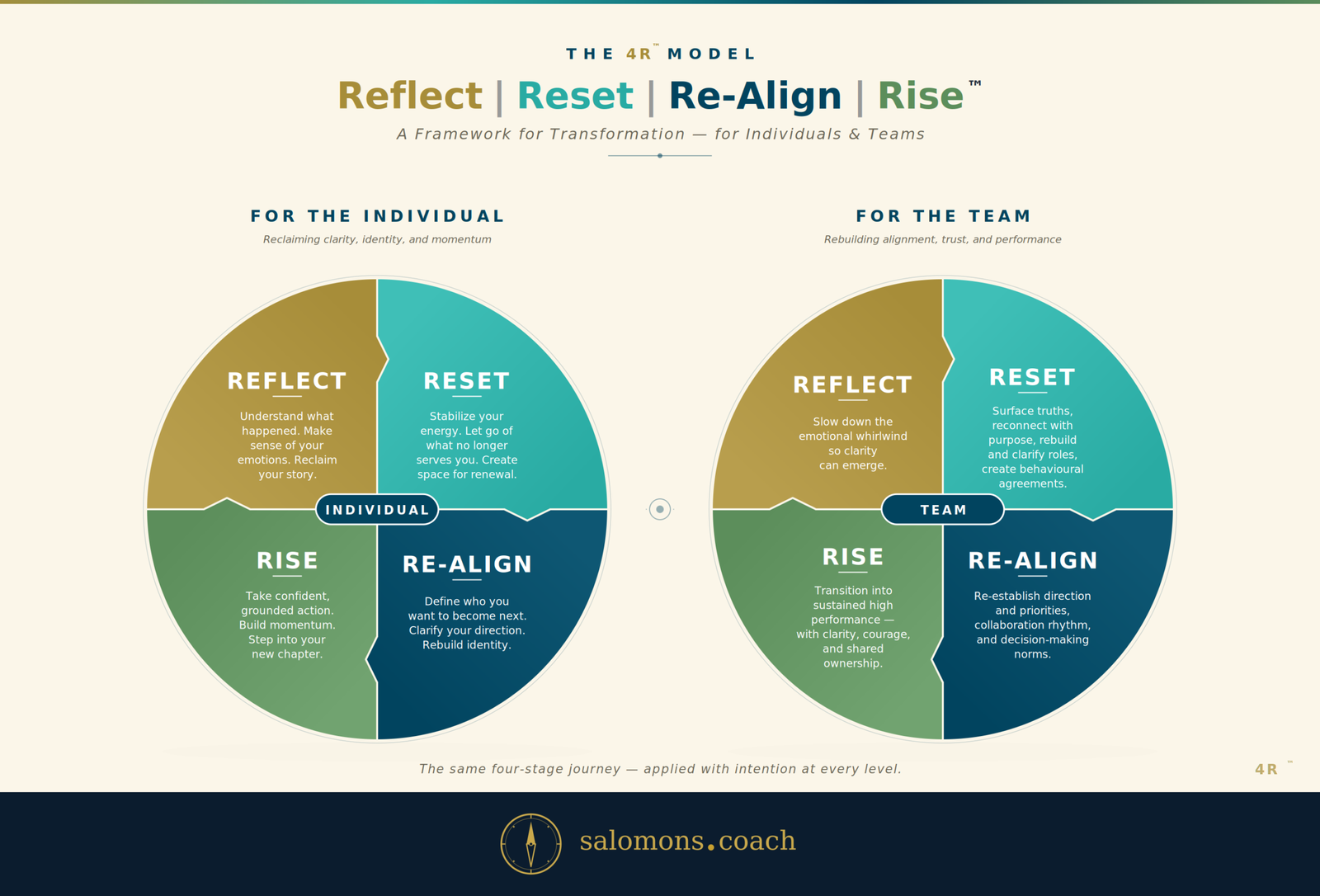
Setbacks demand action. Reflection demands stillness. The first stage of the 4R™ Model asks you to do the harder thing — stay with what happened long enough to make sense of it. Why Reflect is the foundation every transformation is built on.
How does one person actually change the world? Not through grand gestures, but through shifts in thinking and behavior that ripple outward. This article explores the science behind societal change, from evolutionary psychology to systems thinking. It shows how mental models shape behavior, how small choices scale into cultural shifts, and why institutions tend to follow rather than lead. For leaders, the implication is clear: real change starts with how individuals see their role in the system. When enough people act differently, culture moves—and with it, performance, policy, and outcomes.
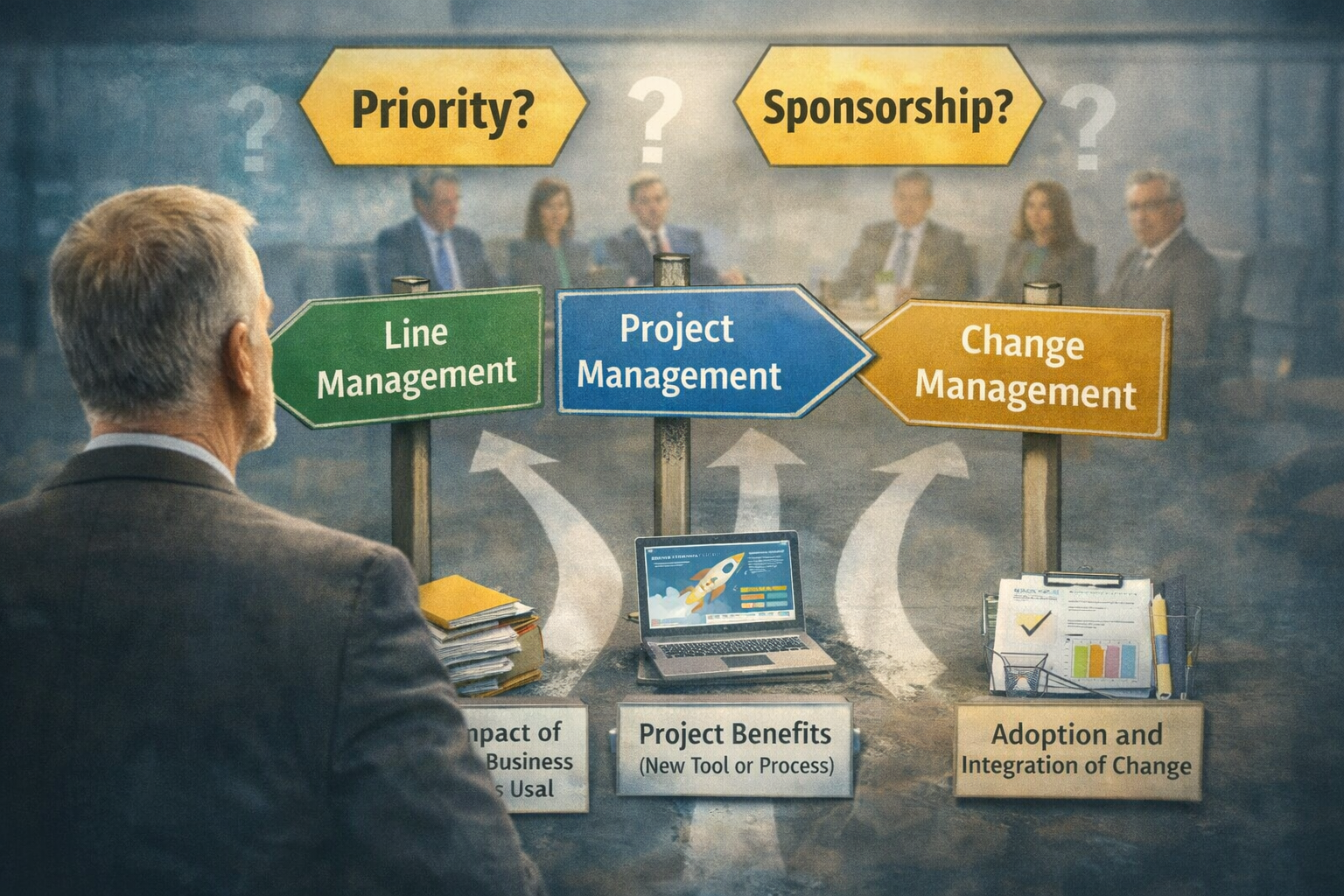
For decades, organizations have treated change as something line managers or project managers can “absorb” alongside their real work. When change doesn’t land, we blame execution or resistance. What we rarely question is the operating model behind that assumption. This blog explores why change fails when adoption is assumed—and what senior leaders must do to engineer it deliberately.
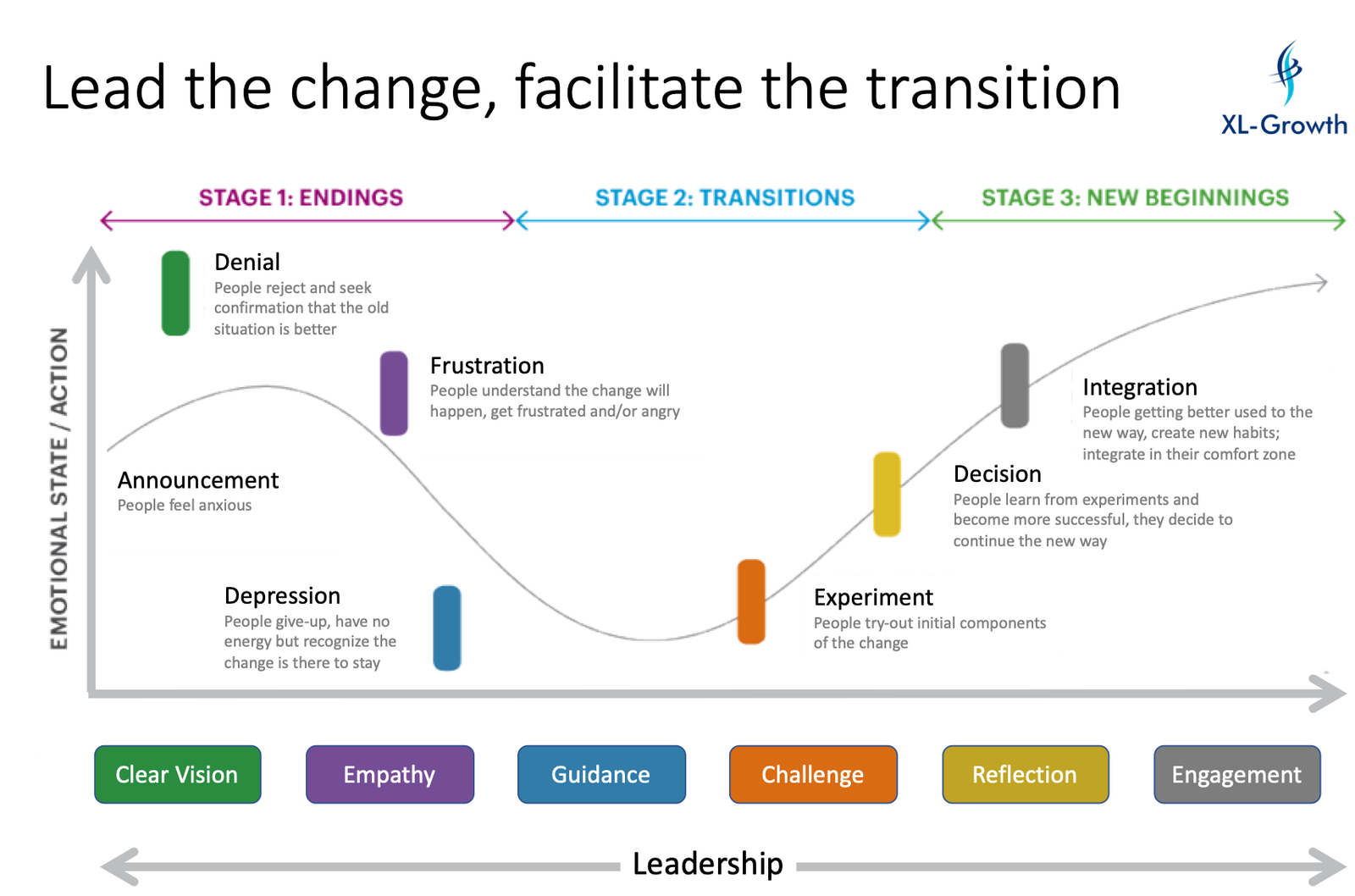
Change doesn’t fail because of poor plans — it fails because people haven’t made the psychological transition. In this article, Jan Salomons explores his formula for successful change, combining shared vision, urgency, leadership, learning, and capacity. Drawing on his decades of experience and his VUCA leadership approach, he explains how leaders can guide teams through endings, transitions, and new beginnings while maintaining trust and connection. Learn why managing change isn’t enough — leading transition is what truly drives sustainable transformation.
Co-Active Coaching is a transformative approach that focuses on the whole person, not just their goals. It balances structure and flexibility, fostering self-awareness, authenticity, and meaningful action. This method helps clients grow both personally and professionally by addressing their emotional, psychological, and spiritual needs, while empowering them to take concrete steps toward their goals.