Why do some teams remain effective under sustained pressure while others gradually become overwhelmed? This article introduces six collective capabilities that help teams recognise pressure early, redistribute responsibility, adapt priorities and learn from demanding periods, without replacing individual accountability.
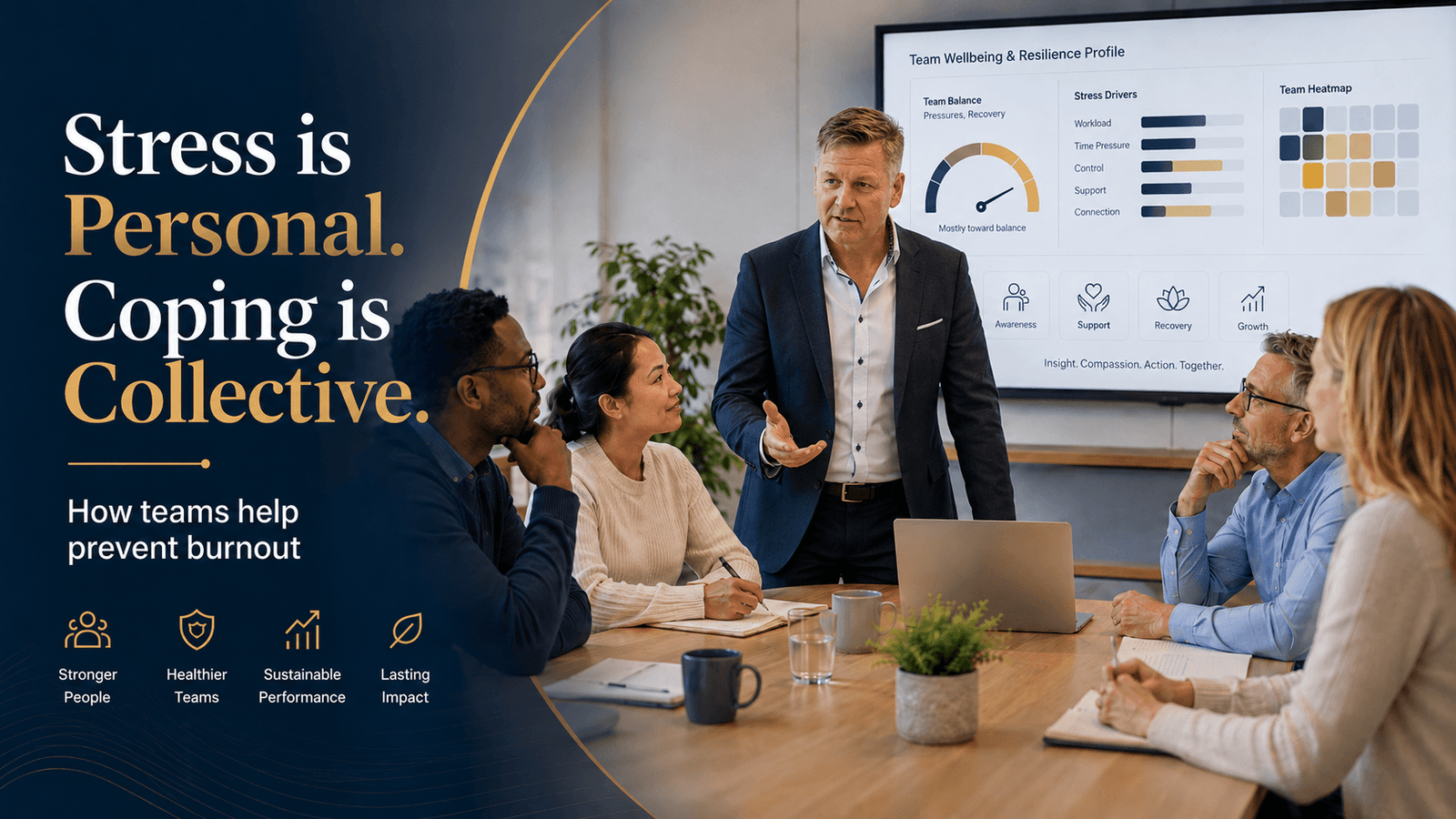
Stress is often treated as an individual problem. But in real organizations, teams can either amplify pressure or become a powerful source of resilience. This article explores five common team stressors, the difference between personal and team coping, and how a Team Stress Profile can help teams prevent stress from becoming a private burden.
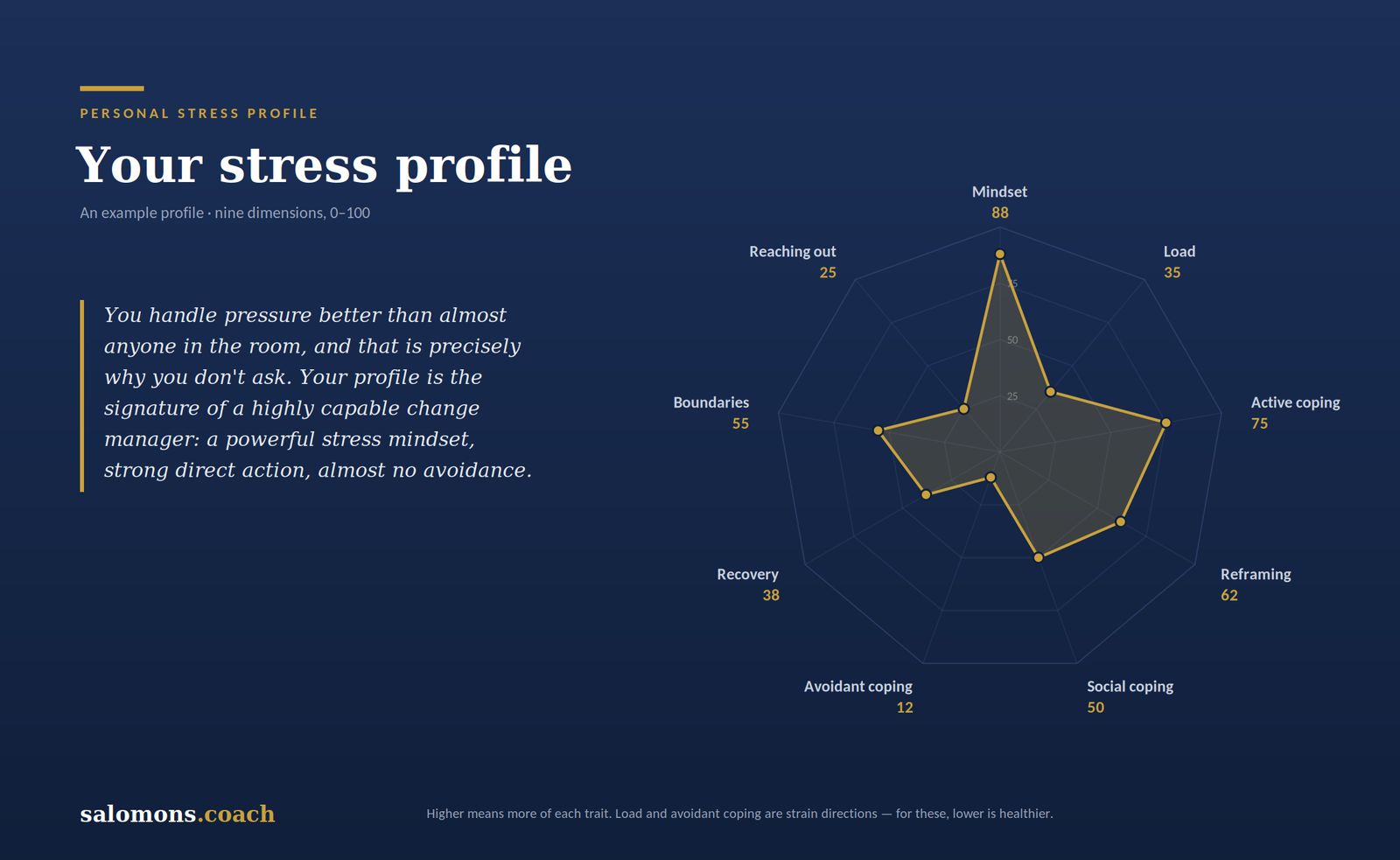
The Personal Stress Coping Profile™ provides a structured mirror of current pressure, coping responses, resilience resources, boundaries and recovery. It creates insight without diagnosing or labelling—and connects personal awareness with the wider team conditions that influence how people cope.
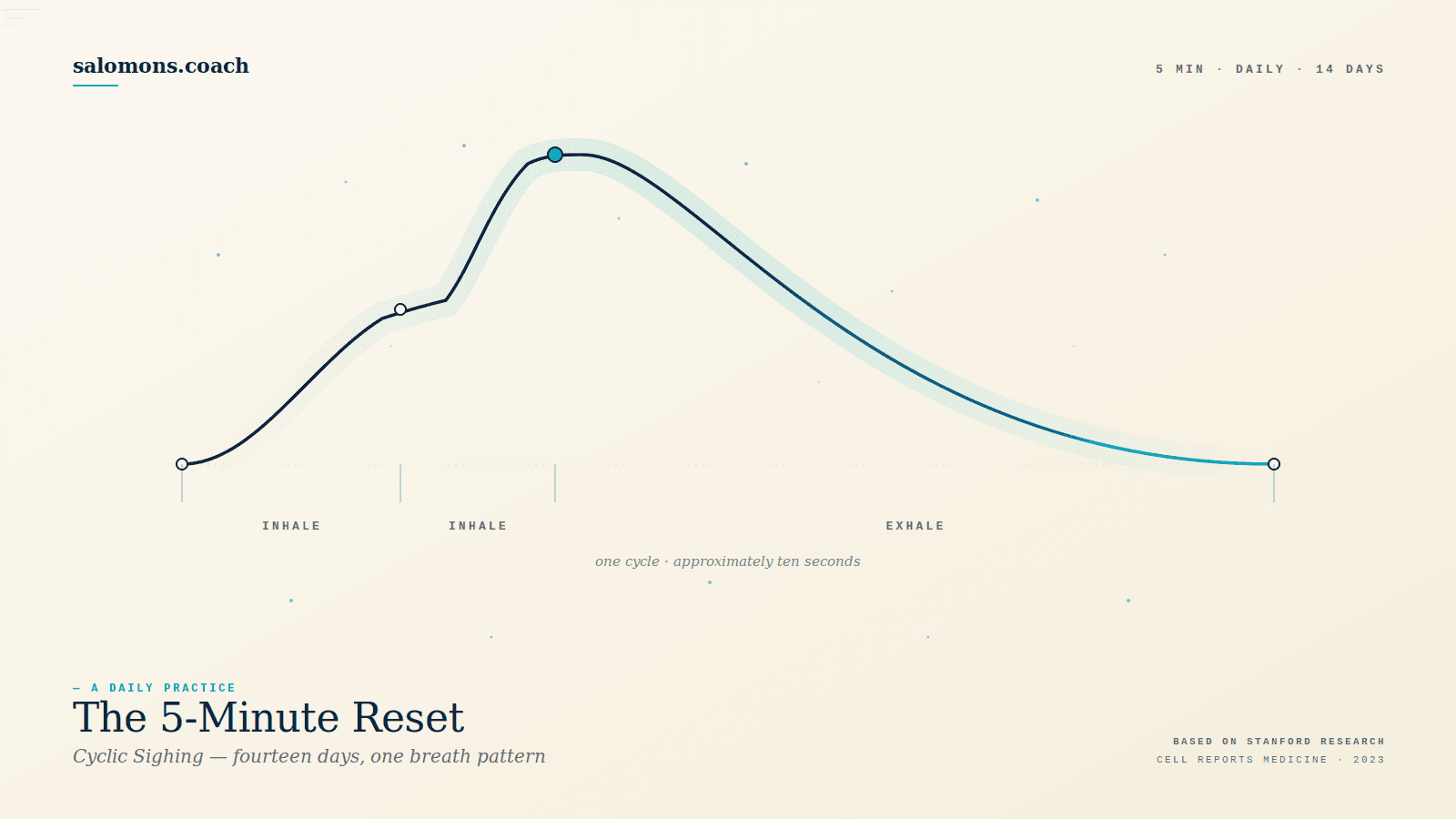
A 2023 randomized trial pitted four breathing techniques against each other. The winner takes five minutes a day. Here's what it taught me and how I built it into my coaching practice.
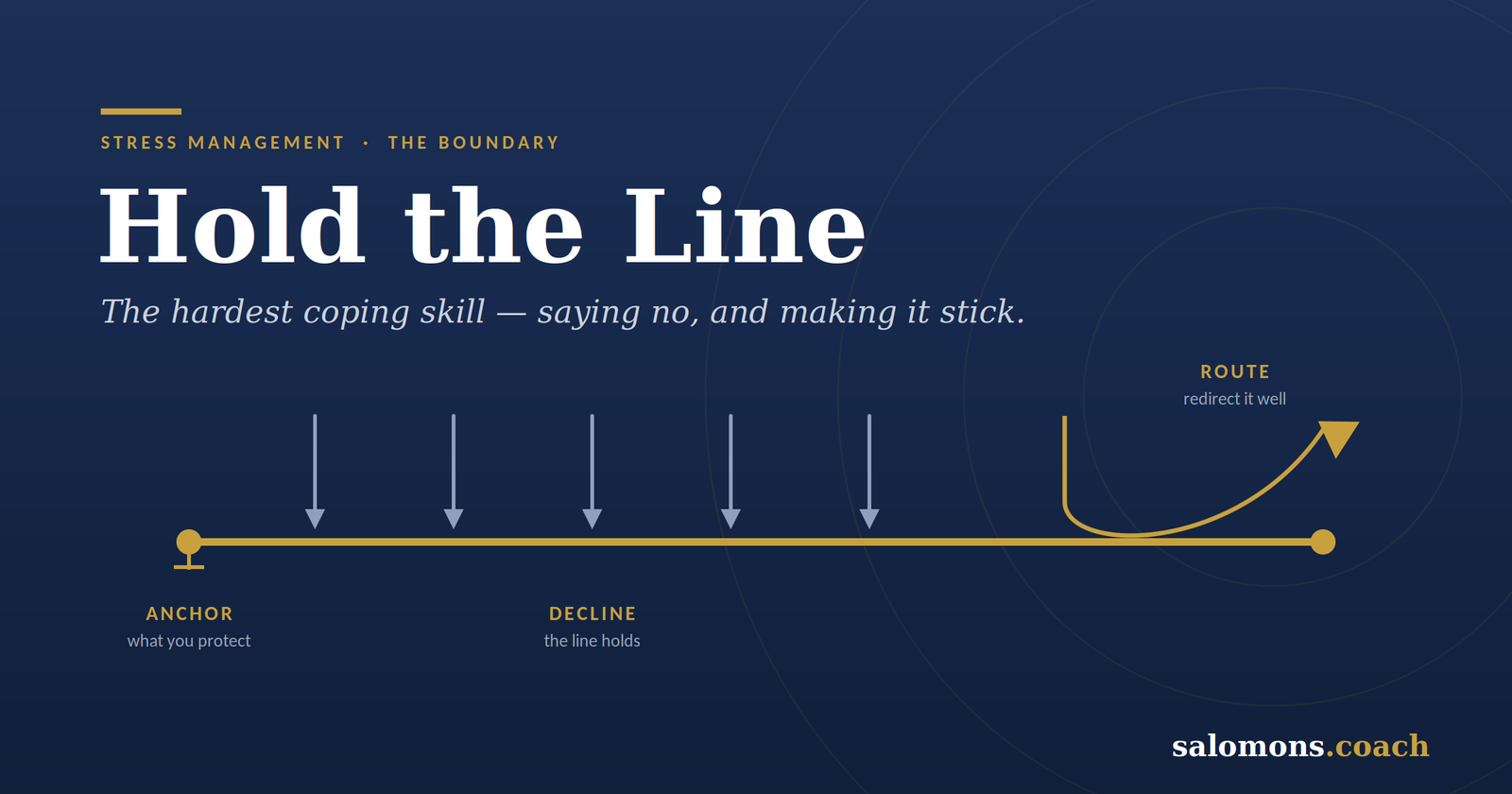
Most of the people I work with are good at handling things. That's exactly why their stress doesn't show up until it's expensive. Here's how I run a workshop that makes the hardest skill, saying no, something a team can actually get better at.
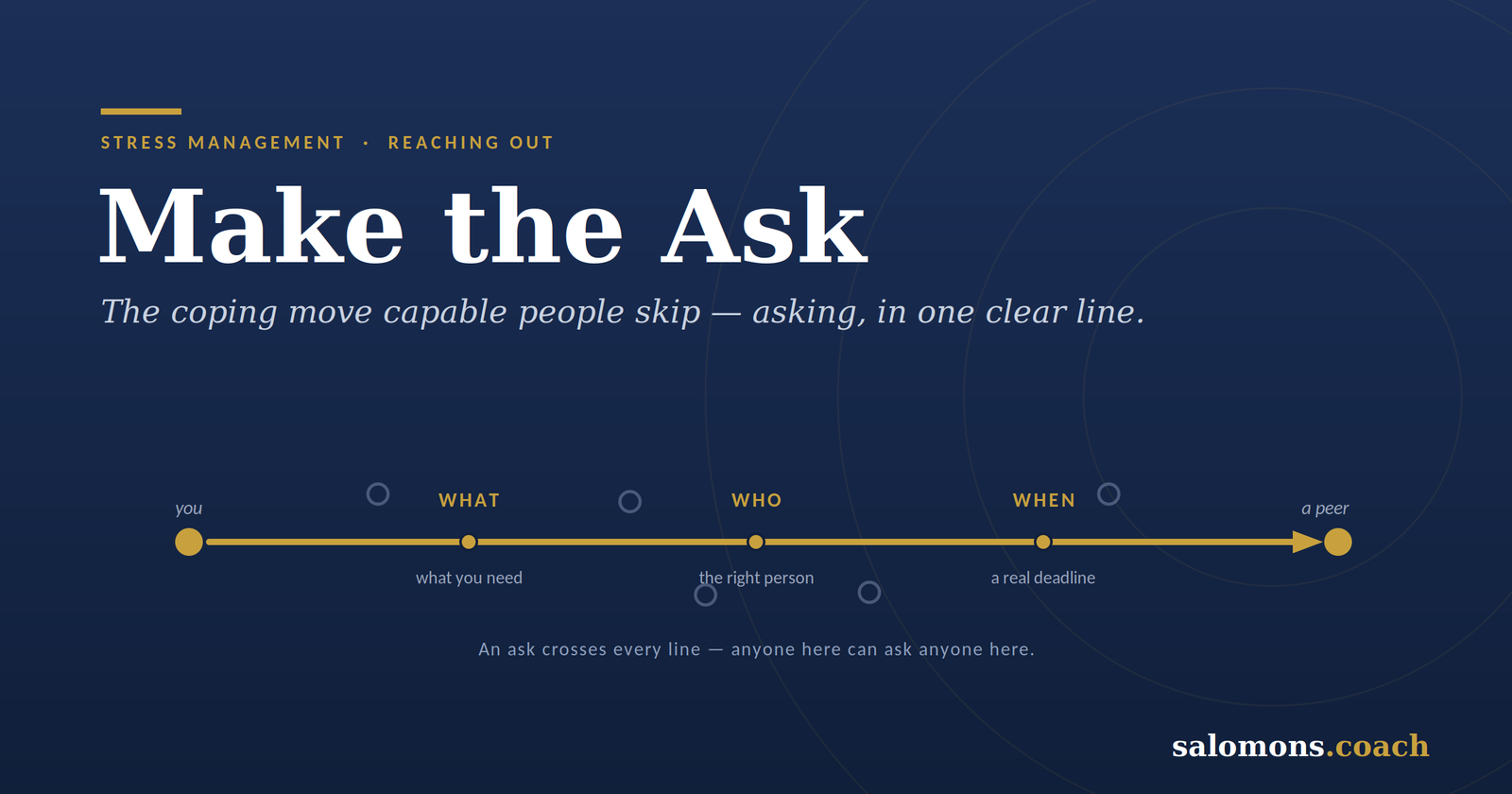
The fastest way to lighten a heavy load is to ask someone for help. It's also the move the most capable people on a team will do almost anything to avoid. Here's how I run a workshop that turns asking from a private admission into a shared, practised skill.
Creating an environment of psychological safety is vital for team trust and collaboration. Leaders can achieve this by modeling vulnerability, encouraging inclusive participation, establishing clear communication norms, implementing structured reflection, providing support, and monitoring team dynamics. Key strategies include sharing personal mistakes, seeking feedback, promoting open dialogue, valuing diverse perspectives, setting respectful interaction expectations, conducting regular debriefs, offering training, and assessing psychological safety. These practices empower team members to express ideas and take risks, fostering a culture of innovation and mutual respect, ultimately enhancing team performance.
This is how a leader can go on a long summer holiday without concerns: it's essential to prepare the organization to operate smoothly in their absence. A structured approach to the activities leaders should undertake.
The way you believe stress has an impact on your health, is going to be exactly the impact. Create a mind shift by watching Kelly's TED talk from >10 years ago.
Change the way you think about stress and take on the next big challenge fearless.