
A short, curated watch list for leaders who want to understand ADHD, from Russell Barkley on executive function to Jessica McCabe's story of failing at normal. The best videos on the science, the lived experience, and the strengths, with a note on what to watch critically.
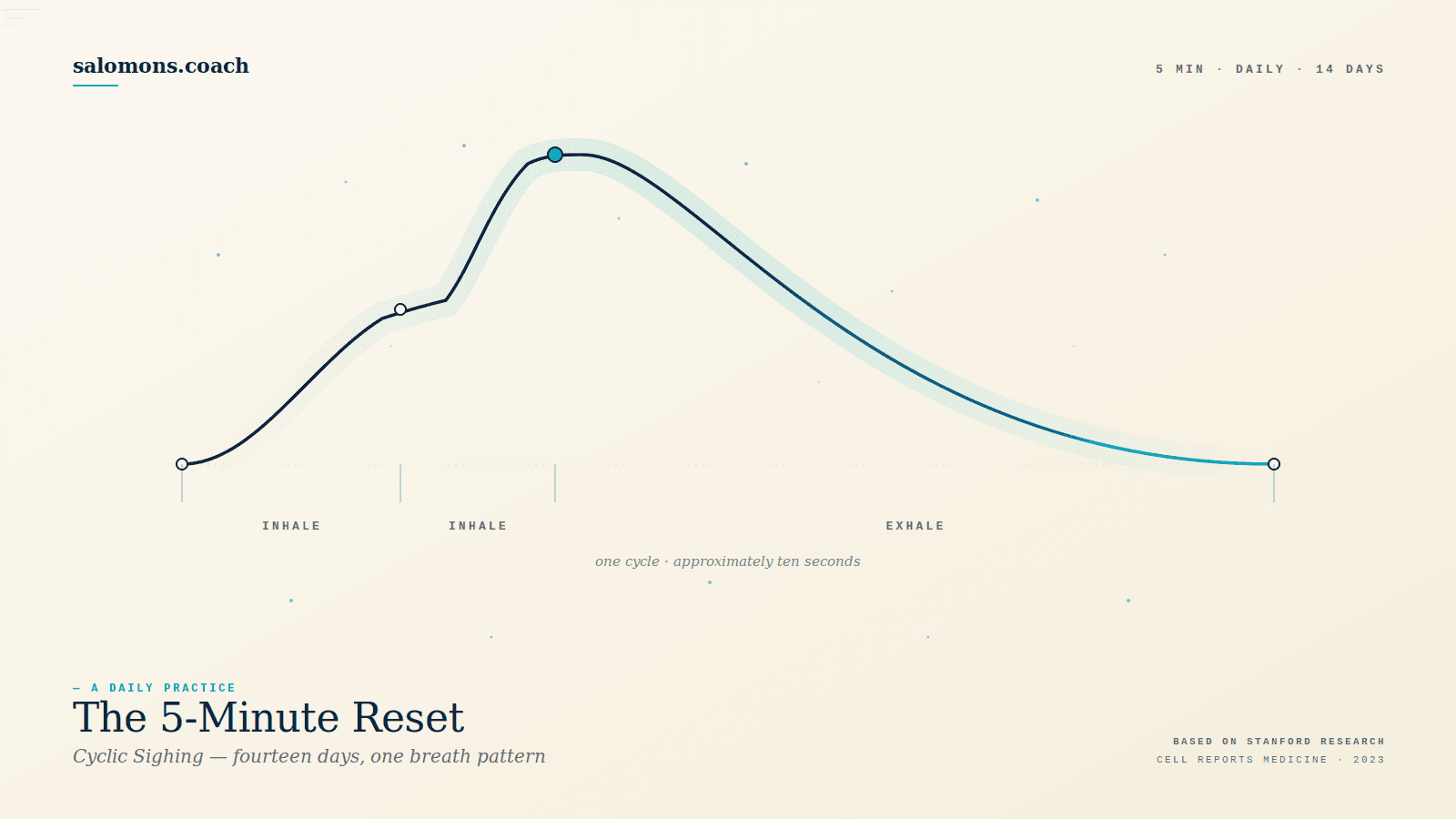
A 2023 randomized trial pitted four breathing techniques against each other. The winner takes five minutes a day. Here's what it taught me and how I built it into my coaching practice.

How does one person actually change the world? Not through grand gestures, but through shifts in thinking and behavior that ripple outward. This article explores the science behind societal change, from evolutionary psychology to systems thinking. It shows how mental models shape behavior, how small choices scale into cultural shifts, and why institutions tend to follow rather than lead. For leaders, the implication is clear: real change starts with how individuals see their role in the system. When enough people act differently, culture moves—and with it, performance, policy, and outcomes.

After job loss, many CVs become longer — and weaker. This article explains why modern CVs must shift from career history to relevance, and how AI screening has made positioning non-negotiable. Your CV is no longer a record of the past. It is a focused case for why you fit this role, now.

Especially after redundancy, many professionals explain themselves too much — in interviews, CVs, and conversations. But interviews are not about telling your story. They are about positioning. This article shows why “tell me about yourself” is a strategic question — and how to answer it with relevance, not biography.

In high-pressure leadership environments, silence is often mistaken for indecision. Yet the most important insights rarely emerge in the middle of noise. They surface afterwards, when reaction stops and space is created to think.
Drawing from decades of leadership experience and supported by neuroscience, this article explores why silence is not the absence of leadership, but a condition for it. Silence reduces cognitive load, calms the nervous system, activates reflective brain networks, and supports clarity, creativity, and better decision-making.
You will learn what silence actually does to the brain, why different forms of silence serve different purposes, and how long silence needs to last to be effective, from brief pauses between meetings to deeper periods of reflection.
In a world of constant stimulation, silence has become a strategic capability. Not as withdrawal, but as a deliberate leadership discipline, especially when complexity and...

In this personal leadership journey, Jan Salomons shares how he transitioned from an engineering teacher to a global executive and ultimately to a leadership and executive coach. Drawing on more than 35 years of international leadership experience across complex organisations, he reveals the pivotal insights that shaped his purpose: leadership is human work, not just technical or operational skill. His evolution into coaching grew from a belief that sustained behavioural change and self-awareness unlock real performance and resilient teams
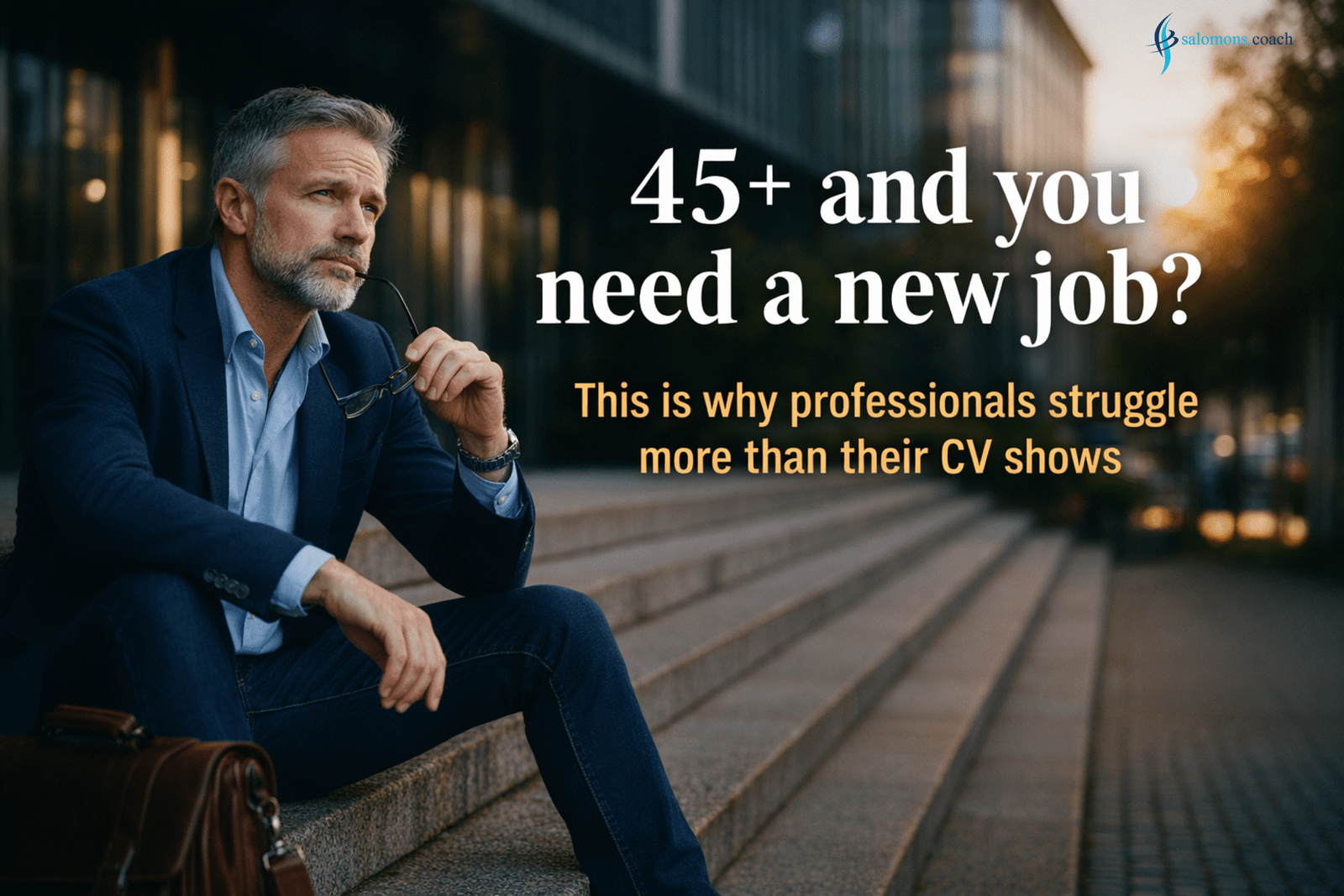
Many professionals over 45 hear the same reassuring phrases when they lose their job—yet the reality they face in the Dutch labour market is far more complex. This article explores why experienced mid-career professionals struggle not because of capability, but because the hiring system interprets their broad value too narrowly. Based on the 4R Model (Reflect–Reset–Re-Align–Rise™) and real client insights, it reveals the hidden dynamics that shape career transitions and what truly helps professionals rise stronger.

In a world full of noise and pressure, the most courageous leaders are not the loudest ones, but the ones who create space for stillness and honest self-reflection. Like a quiet bridge reflected in calm water, authentic leadership emerges when we stand steady in who we are and dare to look inward. Clarity, integrity, and presence begin not with action, but with awareness.

In a VUCA world, the leaders and professionals who thrive are not the ones with the most experience — but the ones with the best learning habits. Inspired by Daniel H. Pink’s science-based insights, this article explores eight powerful habits that sharpen thinking, build resilience, and accelerate growth. Whether you’re leading in uncertainty or navigating a career transition after redundancy, these habits — combined with my 4R Model (Reflect > Reset > Re-Align > Rise™) — provide a practical roadmap to stay adaptive, confident, and future-ready.