Hoe één persoon de wereld kan veranderen
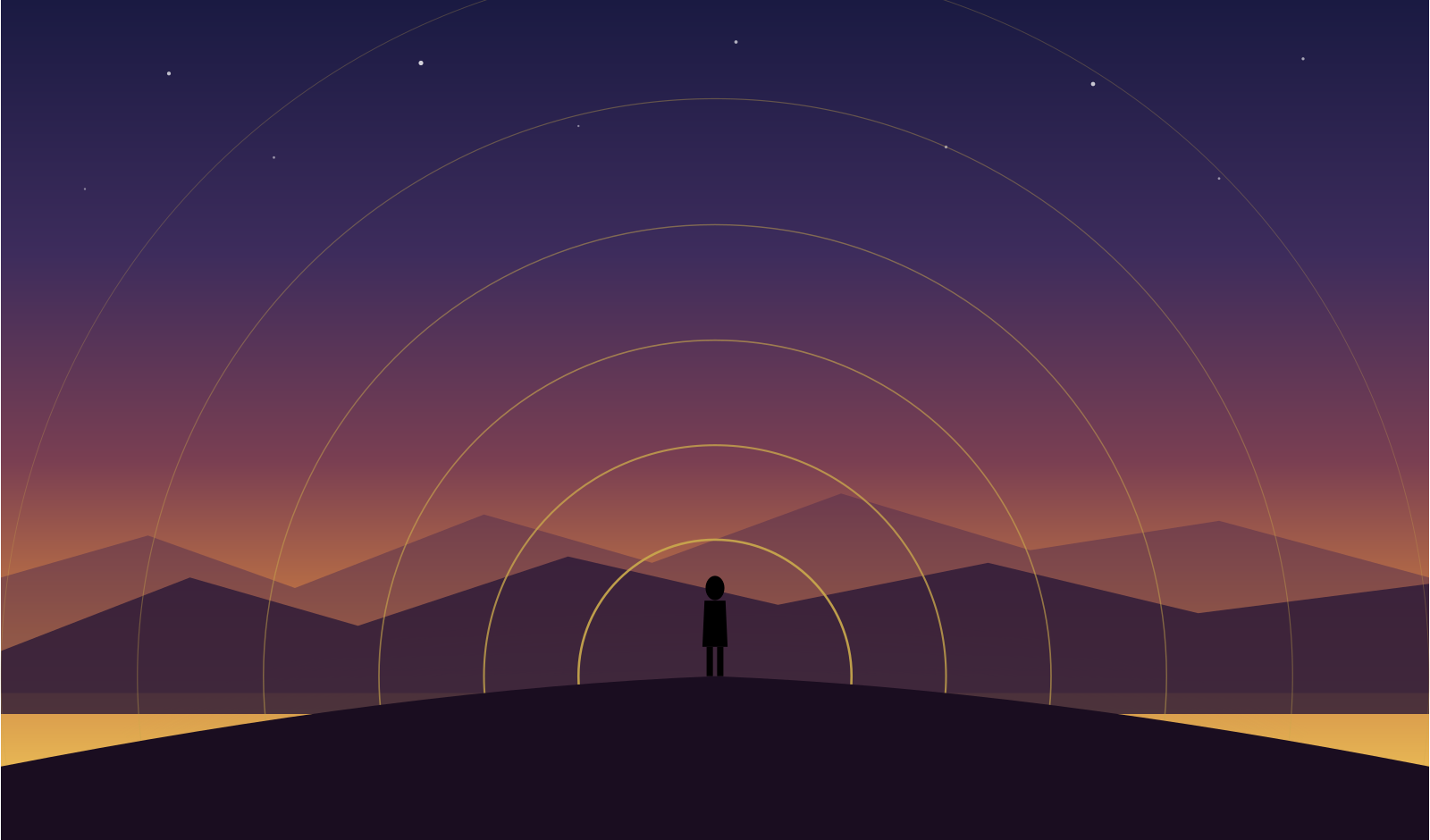
Ik bevond me gisteren in een filosofische bui, denkend over hoe een individu de wereld verandert. Het antwoord hangt, verrassend genoeg, niet van veel af. Ik lees veel over veranderings- en transformatiemanagement in organisaties, en soms helpt het om een stap terug te doen en het in een bredere context te plaatsen. Dus ik dacht – waarom niet de wereld?
Wanneer we vragen hoe de wereld verandert, verwijst het standaardantwoord naar grote leiders, technologische doorbraken of geopolitieke verschuivingen. Toch suggereert een grote hoeveelheid wetenschappelijk onderzoek iets anders. Beschavingen veranderen zelden alleen door instellingen of technologie. Ze veranderen wanneer individuen hun gedrag, overtuigingen en keuzes aanpassen, en zo nieuwe sociale normen creëren.
In die zin is wereldgeschiedenis niet alleen een verhaal van staten en systemen. Het is ook een verhaal van mensen die hun rol in die systemen anders begonnen te zien.
Wat volgt is een synthese van wat ik heb gelezen, gecombineerd met een beetje AI en een filosofische drang om de wereld een klein beetje beter te maken.
De mens tussen biologie en cultuur
Om te begrijpen hoe individuen verandering teweegbrengen, moeten we eerst begrijpen wie we als soort zijn. Mensen zijn biologische wezens, gevormd door evolutionaire reflexen die duizenden jaren teruggaan. Onze hersenen ontwikkelden zich in kleine jager-verzamelaar groepen waar overleving afhing van snelle beslissingen, groepstrots en toegang tot schaarse middelen.
Veel van die reflexen zijn vandaag de dag nog steeds zichtbaar: wij-versus-zij denken, statuscompetitie, een voorkeur voor kortetermijnoplossingen en wantrouwen jegens buitenstaanders. In kleine groepen waren deze eigenschappen functioneel. In een wereld met miljarden kunnen ze polarisatie, overconsumptie en conflicten veroorzaken.
Tegelijkertijd hebben mensen een unieke capaciteit: culturele evolutie. In tegenstelling tot genetische evolutie kan cultuur dramatisch veranderen binnen een paar generaties. Ideeën, waarden en kennis worden gedeeld, aangepast en doorgegeven. Democratie, mensenrechten en wetenschap zijn allemaal voorbeelden van culturele innovaties die relatief snel zijn ontstaan.
Dit betekent dat onze beperkingen niet ons lot zijn. Cultuur en instellingen kunnen gedrag vormgeven, versterken of corrigeren.
De Kracht van Mentale Modellen
Een van de meest invloedrijke inzichten uit de systeemwetenschap is dat veranderingen in mentale modellen vaak de krachtigste hefboom zijn voor maatschappelijke transformatie. Mentale modellen zijn de aannames en overtuigingen waardoor mensen de wereld interpreteren. Ze bepalen wat we als een probleem zien, welke oplossingen we overwegen en hoe we handelen.
Wanneer een individu zijn mentale model verandert, verandert zijn gedrag. Wanneer velen dit doen, verschuift de cultuur.
In de afgelopen eeuwen hebben we meerdere voorbeelden gezien. Roken werd sociaal onacceptabel. Slavernij werd moreel verwerpelijk. Vrouwen verkregen politieke rechten. Deze veranderingen kwamen niet alleen door wetten, maar door veranderende overtuigingen bij miljoenen individuen.
Drie psychologische verschuivingen
Wetenschappers wijzen over verschillende disciplines heen op drie fundamentele verschuivingen die cruciaal zijn voor de toekomst van de mensheid.
De eerste is de verschuiving van het geïsoleerde individu naar een deel van een systeem. Veel moderne samenlevingen benadrukken individualisme, alsof mensen onafhankelijk van de wereld om hen heen bestaan. In werkelijkheid zijn we altijd ingebed in netwerken van relaties, ecosystemen en economische structuren. Wanneer mensen zichzelf als onderdeel van een groter geheel gaan zien, verandert hun verantwoordelijkheidsgevoel - en hun kijk op langetermijngevolgen.
De tweede verschuiving betreft onze relatie met de natuur. Lange tijd werd de natuur behandeld als een voorraadkast van grondstoffen. Ecologisch onderzoek toont aan dat de menselijke beschaving afhankelijk is van stabiele ecosystemen. Wanneer mensen de natuur niet langer zien als iets om te domineren, maar als iets waarvan ze afhankelijk zijn, beginnen economische en politieke keuzes te verschuiven.
De derde shift gaat over hoe we omgaan met angst en onzekerheid. Het menselijk brein is zeer gevoelig voor dreiging. Onder stress neigen mensen terug te vallen op simplistische oplossingen, groepsdenken en autoritaire voorkeuren. De ontwikkeling van kritisch denken, empathie en emotionele regulatie stelt mensen in staat om bewust in plaats van reactief te handelen.
Kleine keuzes, grote gevolgen
Individuele keuzes lijken vaak klein en onbeduidend. Toch laat onderzoek naar sociale normen zien dat gedrag zich kan verspreiden, net als ideeën. Wanneer een kritische massa nieuw gedrag overneemt, kan het snel de norm worden.
We zien dit in alle domeinen: recycling, energieverbruik, sociale rechtvaardigheid. Individuen beïnvloeden elkaar door voorbeelden, gesprekken en dagelijks contact. Cultuur verandert niet van de ene op de andere dag — het verschuift door duizenden kleine aanpassingen.
Daarom richten veel wetenschappers zich op praktische keuzes in hun eigen leven. Ze consumeren bewuster, reizen minder vervuilend, investeren in de gemeenschap en evalueren informatie kritisch. Niet omdat deze acties op zichzelf globale problemen oplossen, maar omdat ze bijdragen aan nieuwe normen.
Instellingen volgen cultuur
Een veelvoorkomende aanname is dat verandering van bovenaf komt – via overheden, wetten en internationale overeenkomsten. Historisch gezien is het omgekeerde vaak waar. Politieke instellingen veranderen doorgaans nadat maatschappelijke waarden al zijn verschoven.
Wanneer burgers hun prioriteiten veranderen, volgen bedrijven en beleidsmakers. Markten reageren op vraag. Politiek reageert op de publieke opinie. Individuen vormen cultuur — en indirect, instituten.
De Omvang van de Uitdaging
De bepalende uitdaging van de 21e eeuw is de schaal waarop samenwerking vereist is. Voor het eerst in de geschiedenis zijn veel van onze problemen planetaire omvang: klimaatverandering, verlies van biodiversiteit, pandemieën en technologische risico's gaan allemaal grenzen overschrijdend.
Tegelijkertijd blijven onze politieke systemen grotendeels nationaal. Dat maakt wereldwijde coördinatie complex. Toch laat de geschiedenis zien dat mensen in staat zijn nieuwe instellingen te bouwen wanneer de omstandigheden dat vereisen.
Hoop als een Strategische Keuze
Wetenschappers die deze ontwikkelingen bestuderen benadrukken vaak dat pessimisme begrijpelijk is, maar niet nuttig. Doomdenken leidt tot verlamming en apathie. Hoop daarentegen functioneert als een strategische hulpbron. Het motiveert mensen om te handelen, samen te werken en naar oplossingen te zoeken.
De mensheid heeft eerder grote crises overwonnen. Extreme armoede en kindersterfte zijn significant gedaald. Veel ziekten zijn onder controle gebracht. Internationale samenwerking heeft lange tijd grootschalige conflicten tussen grootmachten voorkomen.
Niets hiervan was onvermijdelijk. Het gebeurde omdat mensen besloten dat bestaande systemen niet langer acceptabel waren.
De rol van het individu
Dus hoe verandert één persoon de wereld? Het antwoord is minder dramatisch dan we vaak denken. Een individu verandert de wereld niet door alles alleen te proberen op te lossen, maar door zijn plaats in het systeem anders te begrijpen.
Door bewuster te leven, verantwoordelijkheid te nemen voor keuzes en constructieve gesprekken te voeren, beïnvloedt een individu zijn omgeving. Familie, collega's, organisaties en gemeenschappen worden beïnvloed door die keuzes. Wanneer veel mensen dit doen, verschuift de cultuur – en daarmee, uiteindelijk, ook beleid en economie.
Geschiedenis leert dat grote veranderingen vaak beginnen met kleine verschuivingen in hoe mensen denken en handelen.
Een Open Toekomst
De toekomst van de mensheid ligt niet vast. Onze biologische erfenis omvat zowel neigingen tot conflict als buitengewone capaciteiten voor samenwerking. Welke hiervan zal domineren, hangt af van de systemen en waarden die we gezamenlijk creëren.
Een individu verandert de wereld niet alleen door wat hij/zij doet, maar ook door het voorbeeld dat hij/zij stelt van wat als normaal kan worden beschouwd.
Elke culturele verschuiving begint ergens. Vaak begint het bij één persoon die besluit dat de wereld anders kan functioneren - en zich vervolgens gedraagt alsof dat al het geval is.

Dit vind je misschien ook leuk

ADHD Leiderschap Video's