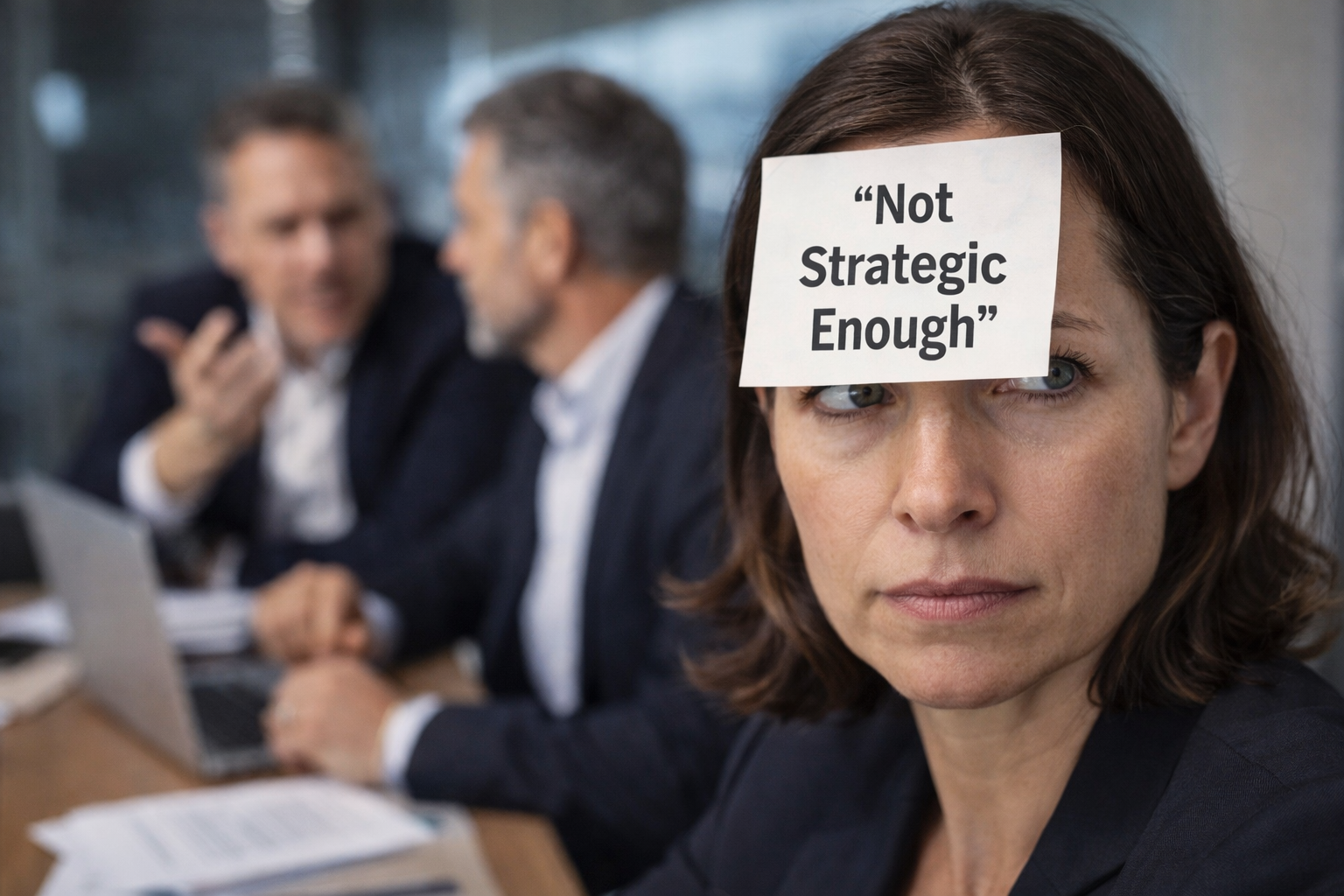
Especially after redundancy, many professionals explain themselves too much — in interviews, CVs, and conversations. But interviews are not about telling your story. They are about positioning. This article shows why “tell me about yourself” is a strategic question — and how to answer it with relevance, not biography.
One-on-one meetings are one of the most powerful leadership tools — and one of the most frequently misused. Drawing from personal leadership experience and evidence-based research, this article explores how leaders can design and execute one-on-ones that go beyond status updates and become conversations that build clarity, trust, and sustainable performance.
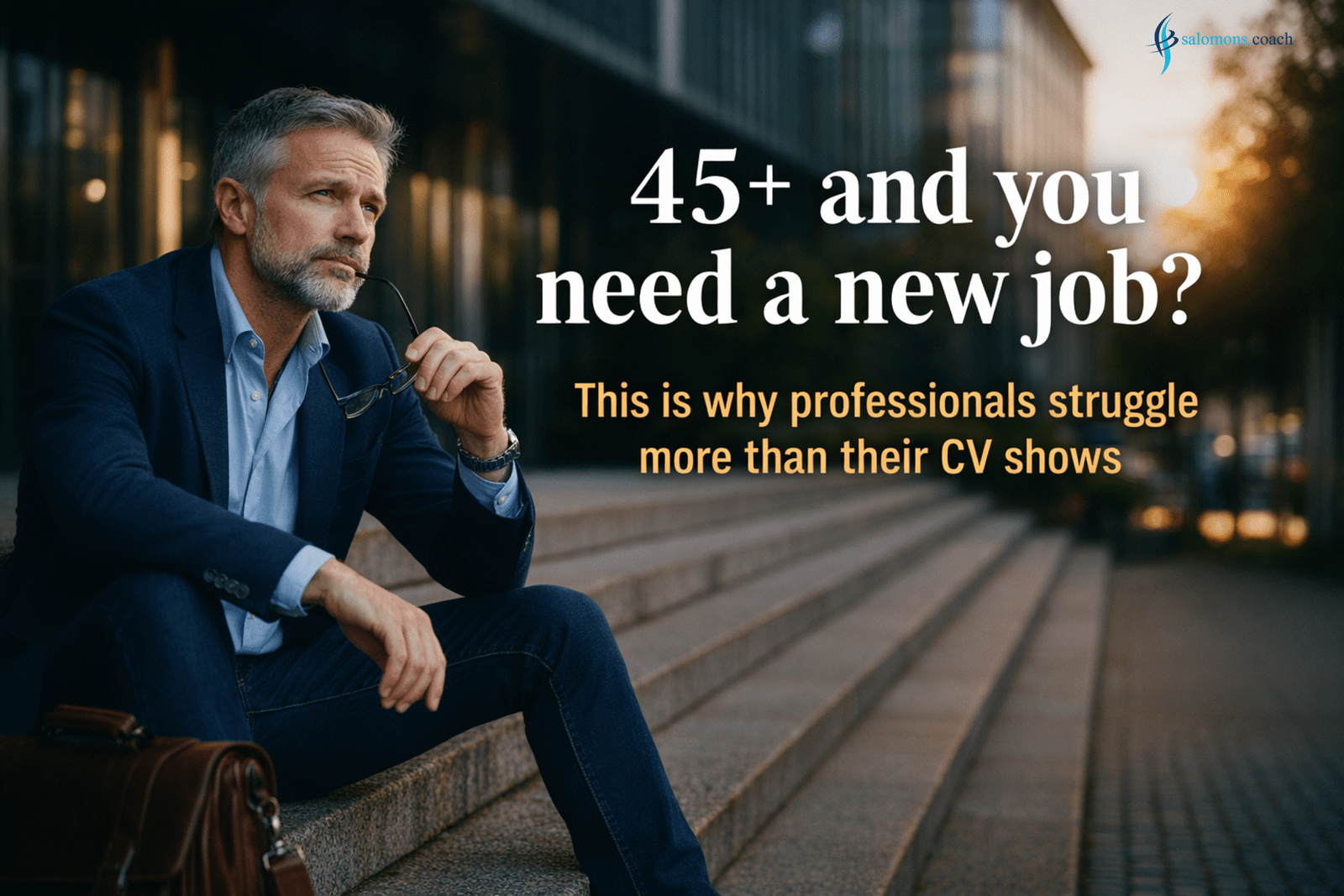
Many professionals over 45 hear the same reassuring phrases when they lose their job—yet the reality they face in the Dutch labour market is far more complex. This article explores why experienced mid-career professionals struggle not because of capability, but because the hiring system interprets their broad value too narrowly. Based on the 4R Model (Reflect–Reset–Re-Align–Rise™) and real client insights, it reveals the hidden dynamics that shape career transitions and what truly helps professionals rise stronger.
In a world full of noise and pressure, the most courageous leaders are not the loudest ones, but the ones who create space for stillness and honest self-reflection. Like a quiet bridge reflected in calm water, authentic leadership emerges when we stand steady in who we are and dare to look inward. Clarity, integrity, and presence begin not with action, but with awareness.
It’s not mindset. Not your CV. Not networking. It’s time.
We talk about layoffs as if they are linear: job ends > new job starts.
But real life doesn’t work that way.
What determines whether someone recovers well or gets stuck is the amount of time they have to move through the inner journey: Reflect > Reset > Re-Align > Rise™
Most executive teams don’t fail because of strategy — they fail because of what they avoid. These 10 provoking questions cut through noise, expose blind spots, and accelerate real transformation. They challenge leaders to face the hard truths about their behavior, decisions, and impact. If you want to grow as a leader, start by answering these questions honestly.
The Core Quadrants by Daniel Ofman are an effective tool for team building, helping teams understand individual dynamics and how to collaborate better. By identifying core qualities, pitfalls, challenges, and allergies, teams gain insights into strengths and areas for growth. For example, one team member’s creativity (core quality) may lead to chaos (pitfall), while another’s structure (core quality) could result in rigidity (pitfall). By discussing complementarities and irritations (allergies), teams learn to value differences and work cohesively. Regular reflection and integration of core quadrants into daily collaboration foster a culture of feedback, problem-solving, and celebrating contributions, strengthening overall team performance.
Discover the true essence of Ikigai—far beyond the popular Venn diagram. Rooted in Japanese culture, Ikigai is about finding joy and purpose in the small, meaningful moments of everyday life. Learn how this concept has been misunderstood and how embracing its authentic meaning can lead to a more fulfilling existence.
Lara Boyd’s TEDx talk reveals one of the most empowering discoveries in neuroscience: you are constantly shaping your brain. Through your behavior, habits, and even your mistakes, your brain rewires itself. This phenomenon is called neuroplasticity—and it means that change is always possible.
High-performing teams don’t emerge by accident — they are built through a deliberate sequence of reflection, reset, alignment, and growth. My Reset → Align → Rise framework guides leaders and teams through this journey. We begin by exploring energy, values, and alignment, before surfacing truths and rebuilding the foundations of trust, safety, and purpose. From there, we clarify priorities, roles, collaboration rhythms, and decision-making norms. Finally, the team rises into sustained high performance, powered by clarity, courage, and shared ownership. This is how teams transform drift into direction — and pressure into performance.