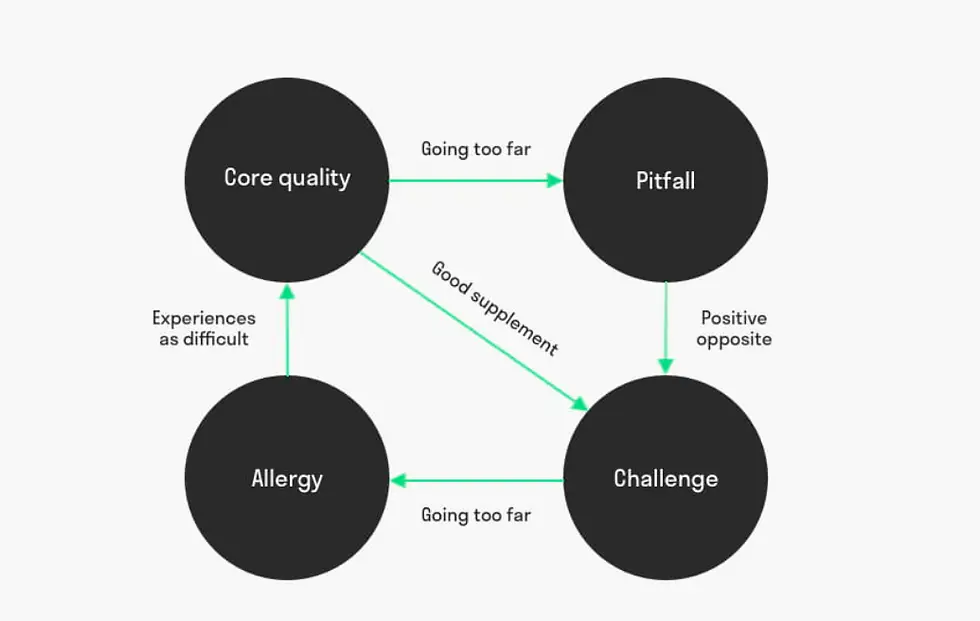
The Core Quadrants by Daniel Ofman are an effective tool for team building, helping teams understand individual dynamics and how to collaborate better. By identifying core qualities, pitfalls, challenges, and allergies, teams gain insights into strengths and areas for growth. For example, one team member’s creativity (core quality) may lead to chaos (pitfall), while another’s structure (core quality) could result in rigidity (pitfall). By discussing complementarities and irritations (allergies), teams learn to value differences and work cohesively. Regular reflection and integration of core quadrants into daily collaboration foster a culture of feedback, problem-solving, and celebrating contributions, strengthening overall team performance.
Strong decision-making is the cornerstone of effective leadership. It provides clarity, empowers teams, and ensures agility in complex situations. By defining problems accurately, gathering diverse perspectives, and taking decisive action, leaders can reduce inefficiency and build trust. Decision-making isn’t just about choosing the right path—it’s about fostering alignment and learning from outcomes. When leaders approach decisions systematically, they create momentum, confidence, and long-term success for their teams and organizations.
Cameras On or Off?
New research from Harvard, MIT, and Stanford reveals that virtual presence affects our energy, focus, and connection in complex ways. Cameras on foster trust, empathy, and visibility — ideal for one-on-one coaching and emotionally rich conversations. Cameras off reduce fatigue and sharpen deep listening, especially in large meetings where constant visibility causes cognitive overload. The key is not choosing one or the other, but using both intentionally. Co-create norms, use short “camera-off” reflection moments, and turn off self-view to protect attention and well-being. Presence isn’t about being seen — it’s about being fully engaged.
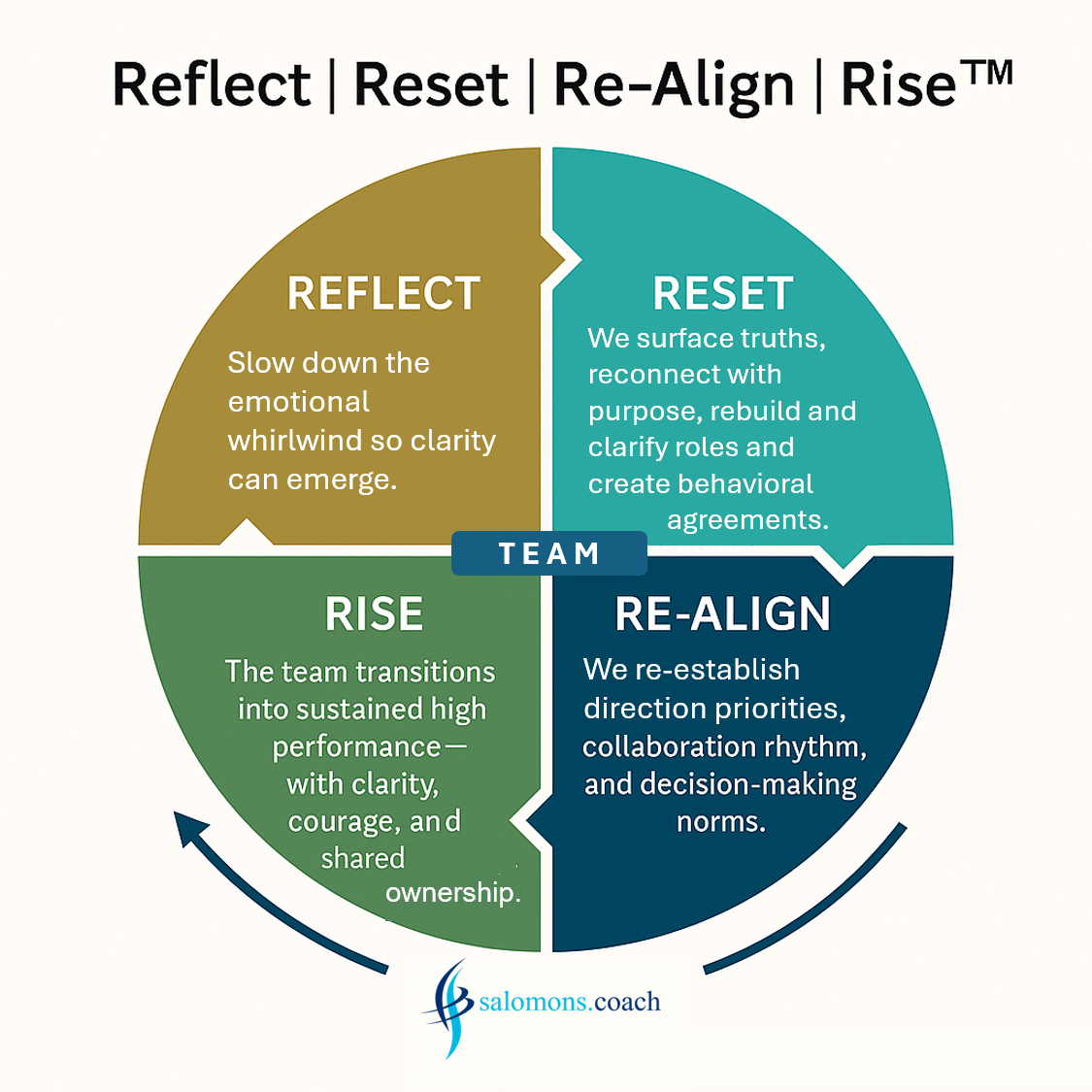
High-performing teams don’t emerge by accident — they are built through a deliberate sequence of reflection, reset, alignment, and growth. My Reset → Align → Rise framework guides leaders and teams through this journey. We begin by exploring energy, values, and alignment, before surfacing truths and rebuilding the foundations of trust, safety, and purpose. From there, we clarify priorities, roles, collaboration rhythms, and decision-making norms. Finally, the team rises into sustained high performance, powered by clarity, courage, and shared ownership. This is how teams transform drift into direction — and pressure into performance.
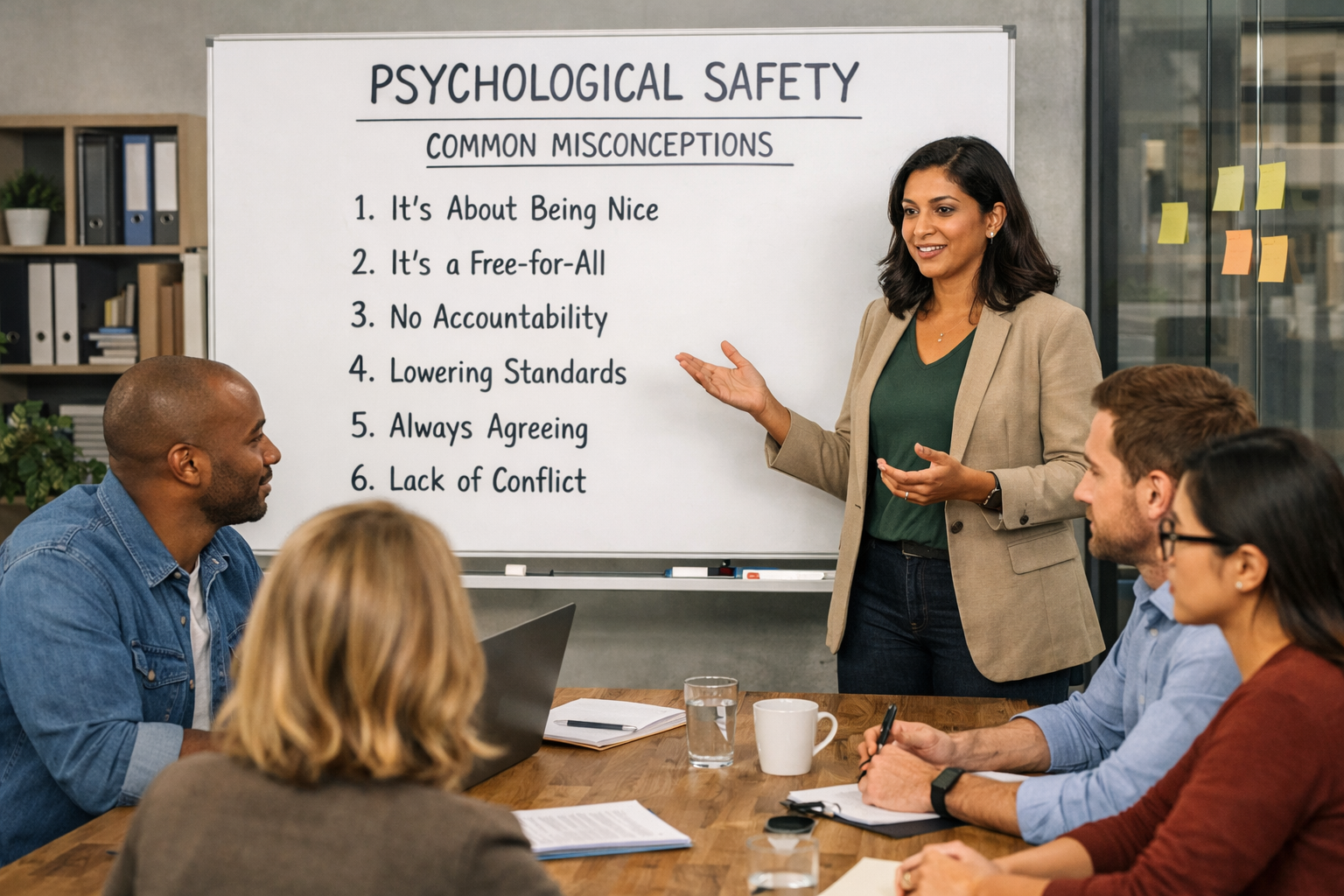
Creating an environment of psychological safety is vital for team trust and collaboration. Leaders can achieve this by modeling vulnerability, encouraging inclusive participation, establishing clear communication norms, implementing structured reflection, providing support, and monitoring team dynamics. Key strategies include sharing personal mistakes, seeking feedback, promoting open dialogue, valuing diverse perspectives, setting respectful interaction expectations, conducting regular debriefs, offering training, and assessing psychological safety. These practices empower team members to express ideas and take risks, fostering a culture of innovation and mutual respect, ultimately enhancing team performance.