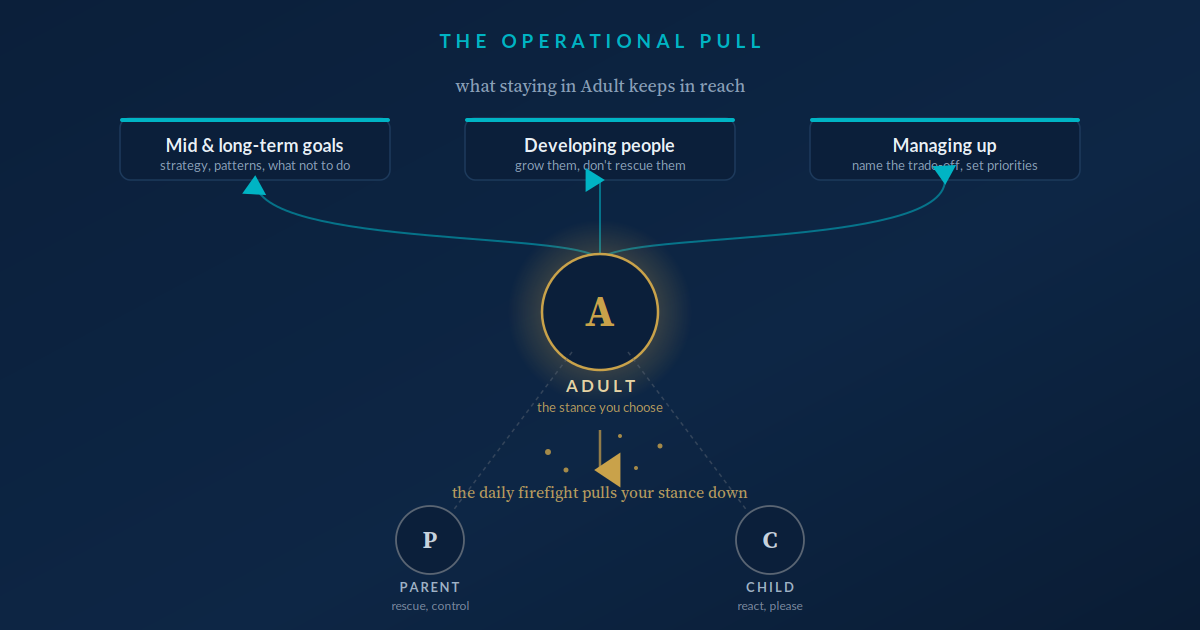
Every leader knows the day that vanishes into ad-hoc fires. The real cost isn't lost hours, it's a hijacked stance. A transactional analysis lens on staying strategic, developing people, and managing up when everything is urgent.
Efficiency makes an operation look strong. Reliability under the unexpected asks for almost the opposite. Karl Weick's five principles of high-reliability organizations — and what they looked like on a real hub floor.
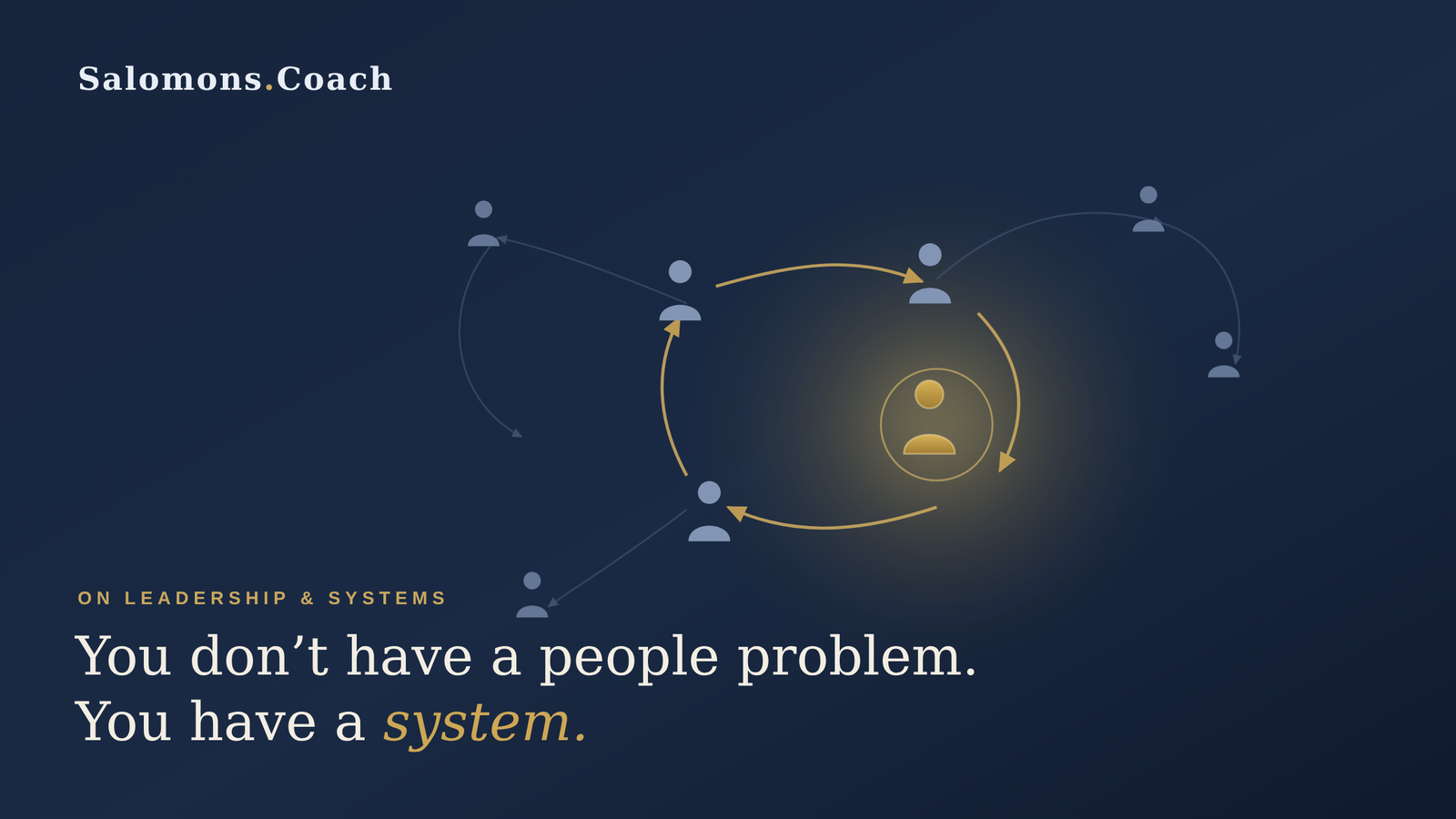
Your team won't take ownership. The same crisis keeps returning. You replaced the problem person and nothing changed. These aren't character flaws — they're the shape of the system you're standing inside. Drawing on three decades in the leadership chair, Jan Salomons on why so much competence produces so little change, and where the shift actually begins.
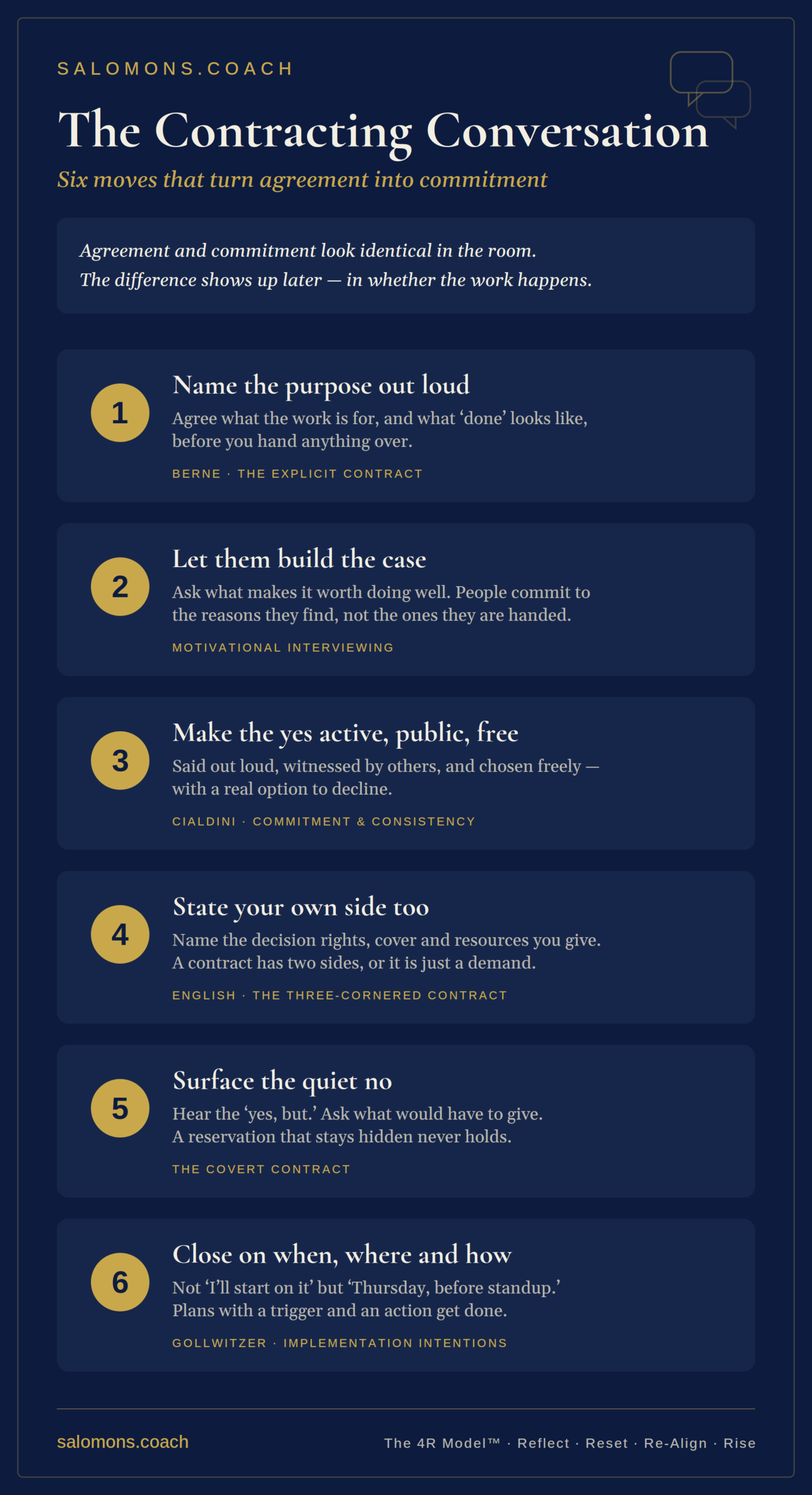
Getting someone to say yes is easy. Getting a yes that survives your absence is the real work of leadership. Six research-backed moves that turn polite agreement into commitment people genuinely own.
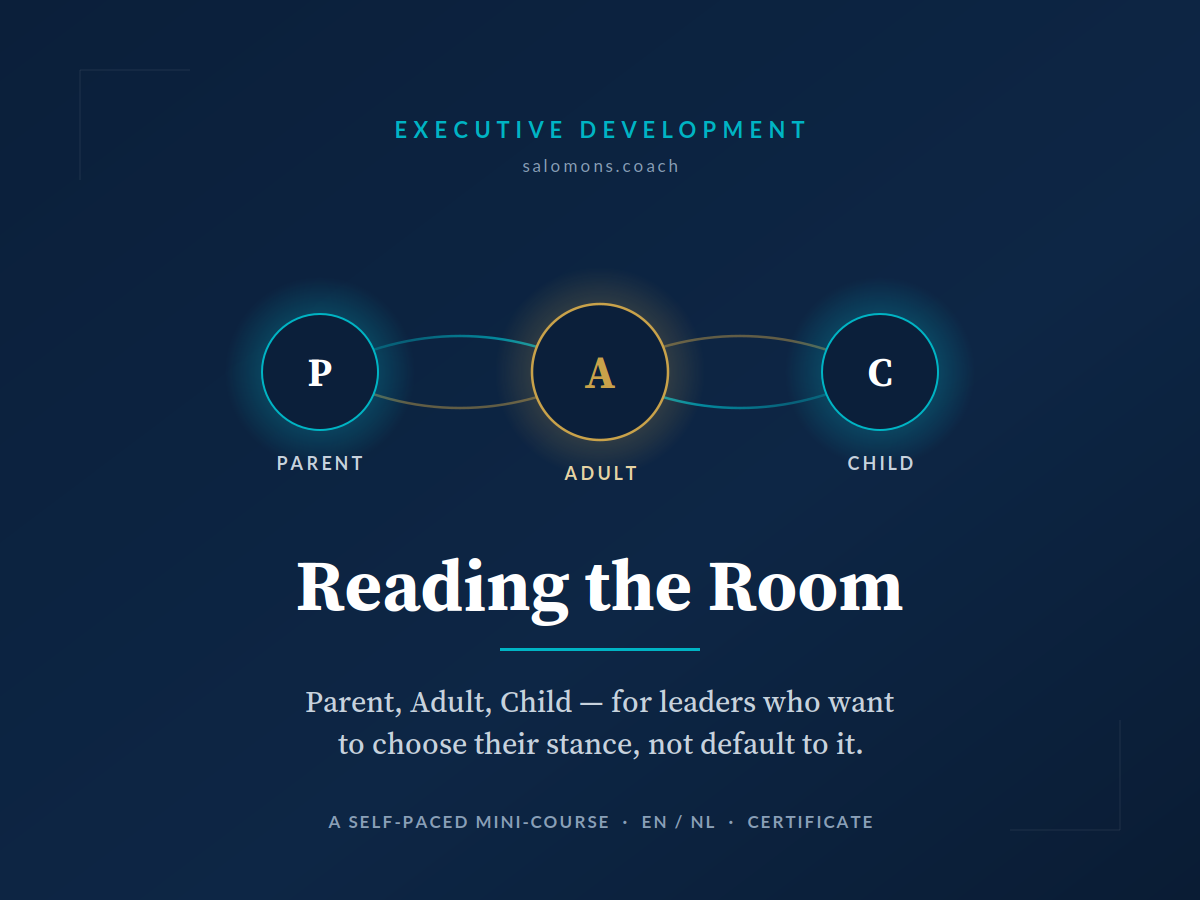
Parent Adult Child leadership explains why the mode you default to — Parent, Adult or Child — quietly shapes whether your people grow or stay dependent.
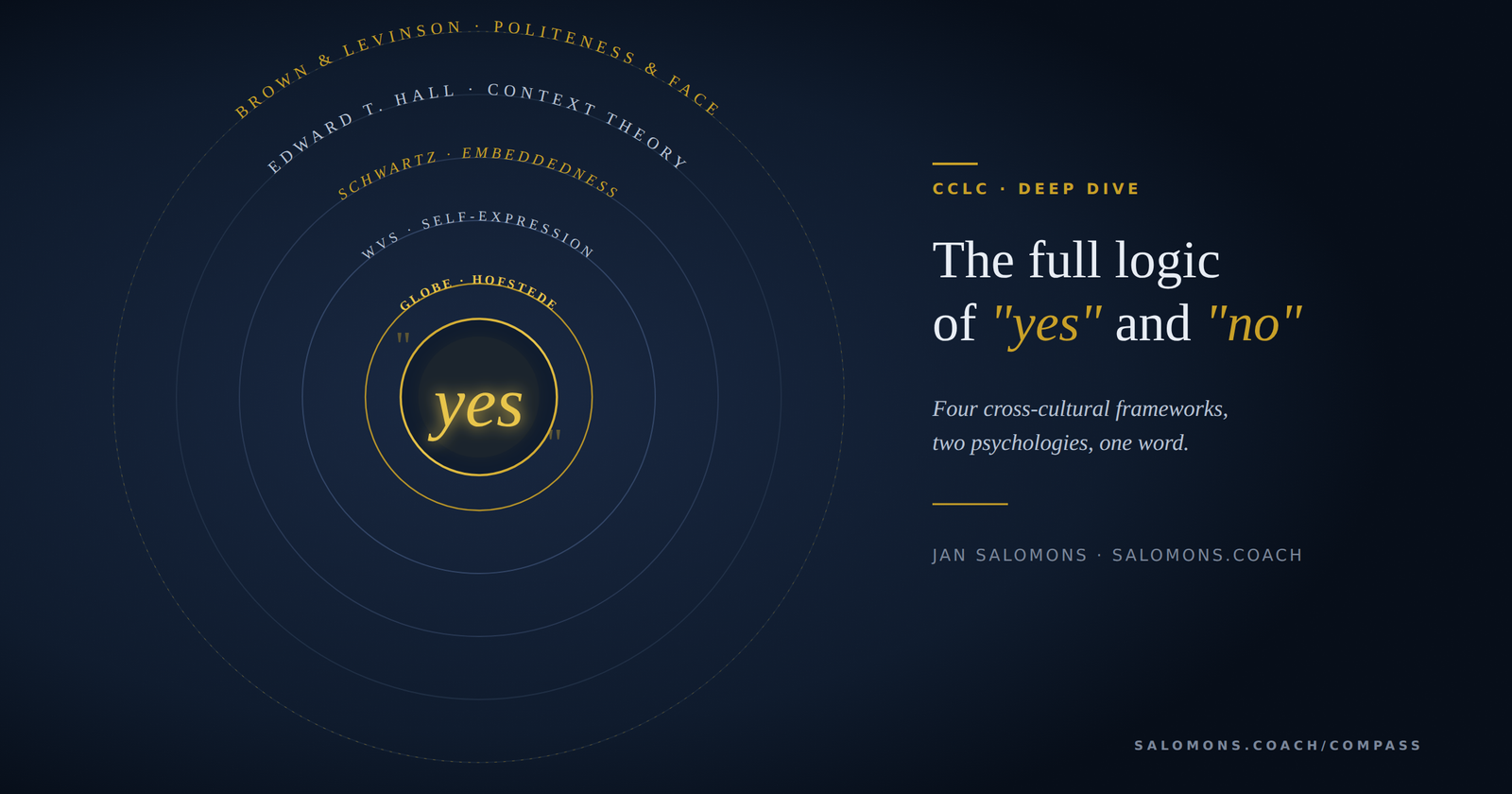
A yes from Beijing and a yes from Amsterdam can come out of the same mouth in the same meeting and mean radically different things. A reference-grade walk through the four cross-cultural frameworks — Hofstede, GLOBE, WVS, Schwartz — and the two psychological theories underneath that explain why.
The EU Pay Transparency Directive shifts the burden of proof onto the employer. A pay difference will now require an objective, documented justification, or a correction. "She negotiated harder when she joined" is not a defence. "He's been here longer" might be — if your tenure logic is documented.
The leaders who navigate this well will be the ones who do the work before the questions arrive. Conversation by conversation, fairness becomes a leadership problem.
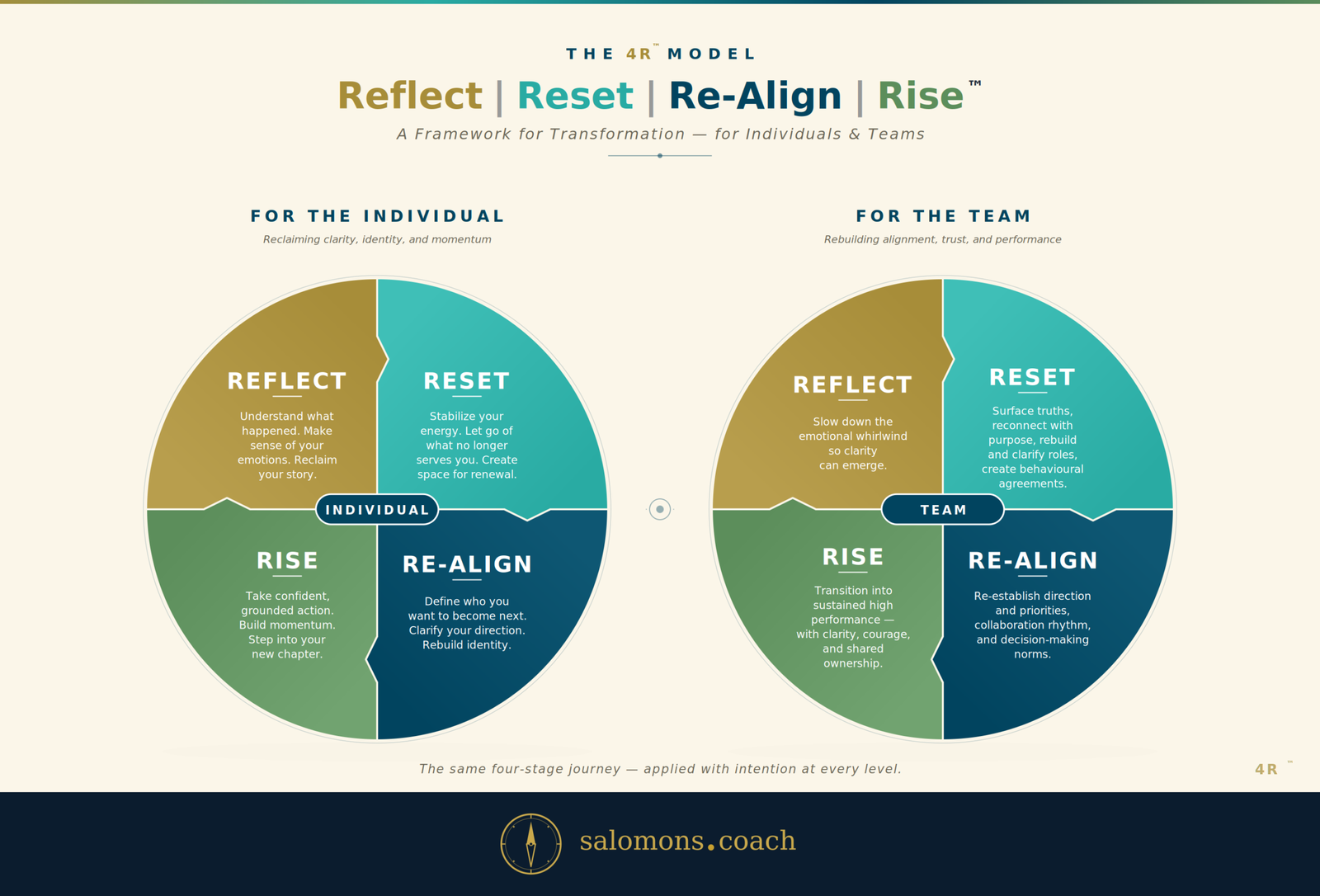
Setbacks demand action. Reflection demands stillness. The first stage of the 4R™ Model asks you to do the harder thing — stay with what happened long enough to make sense of it. Why Reflect is the foundation every transformation is built on.
When four of your twelve team members may be made redundant — but nothing is official yet — leadership becomes something different. It becomes the art of holding people together in uncertainty. This post offers six practical principles for leading through the wait: with honesty, focus, differentiation, and the kind of steadiness that people will remember long after the decision is made.
Most managers have two default tools when they need something to happen: tell people what to do, or escalate to someone who can. Direct communication and the chain of command. Both have their place. But if they are your primary or only tools for getting things done across an organization, you have a problem. Not because they don't work, but because they work less and less the higher you climb and the more complex your environment becomes.
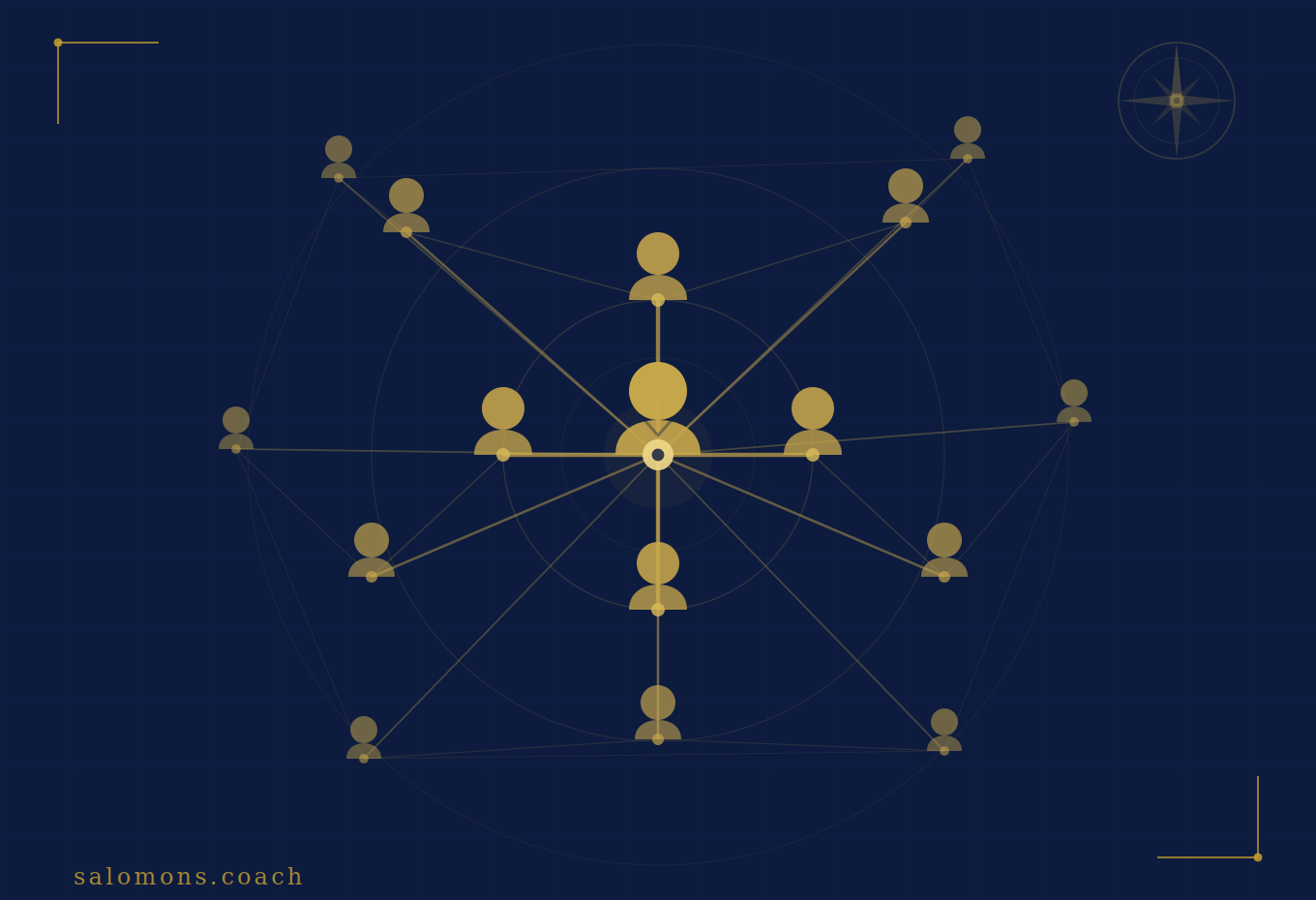
The managers and project managers who consistently get things done are not the ones with the biggest title or the loudest voice. They are the ones who understand that in most modern organisations, influence is the currency that actually moves things. Directives produce compliance. Influence produces commitment.
This article gives you a practical new toolbox, and more importantly, a new mindset.