Almost every manager has that one person — every molehill a mountain, every meeting hijacked. Labelling them a "drama queen" puts you in the passenger seat. This is the practical playbook I walk managers through: stop funding the drama, redirect to ownership, and lead with a steady hand.
Blame that circles the table, a colleague who "can't," a manager who fixes everything and resents it — the Drama Triangle rarely looks like a crisis, but it stalls decisions and drains your best people. Here's how leaders spot it, step into the Winner's Triangle, and take the wheel.
Why do some teams remain effective under sustained pressure while others gradually become overwhelmed? This article introduces six collective capabilities that help teams recognise pressure early, redistribute responsibility, adapt priorities and learn from demanding periods, without replacing individual accountability.
Stress is often treated as an individual problem. But in real organizations, teams can either amplify pressure or become a powerful source of resilience. This article explores five common team stressors, the difference between personal and team coping, and how a Team Stress Profile can help teams prevent stress from becoming a private burden.
An effective Obeya room is more than a collection of dashboards and performance indicators. Discover how clear purpose, management routines, ownership and leadership discipline turn visual management into a system for better decisions and sustained improvement.
An executive summary of the five best videos on ADHD for leaders. A hard-science lecture, a memoir, a reframe, a coaching explainer, and the popular superpower talk, watched together, converge on one conclusion, and it's the argument of The ADHD Leader in a sentence.
Most leaders with ADHD aren't short on ability, they're working with a brain the role was never designed around. A look at the real challenges, the strengths hidden in the same wiring, and the development steps that turn a private struggle into a workable design.
"Just be yourself" is the worst advice a growing leader can follow. Herminia Ibarra's authenticity paradox explains why growth starts with behavior that feels unnatural, and what 35 years in management and 20 years of coaching confirm: discomfort is the entry fee, not a warning sign.
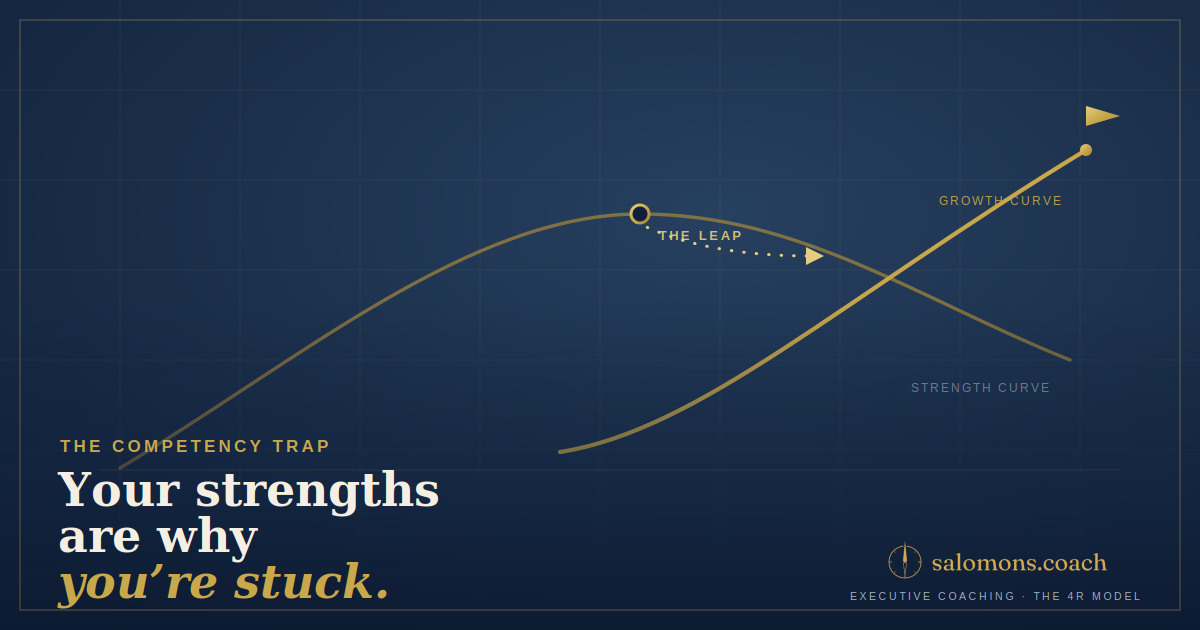
Every senior leader has a signature strength: the thing they're known for, rewarded for, promoted for. It's also, more often than anyone admits, the thing holding them in place. On outsight, endings, and why growth at the top is less about adding a strength than loosening your grip on the one you trust most.