Senior leaders are trained to remove uncertainty, yet a career switch resists exactly that. You can't analyse your way into a new identity; you have to explore your way in. Here's how the Pioneer Map and The Expedition guide the senior career pivot — and the theory beneath the method.
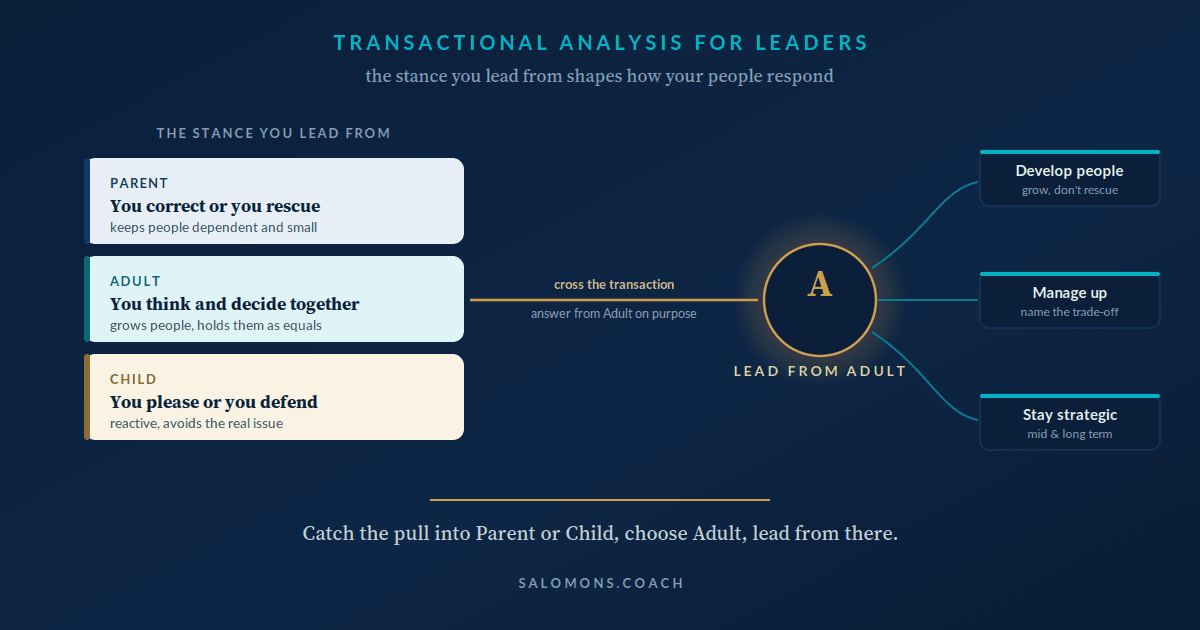
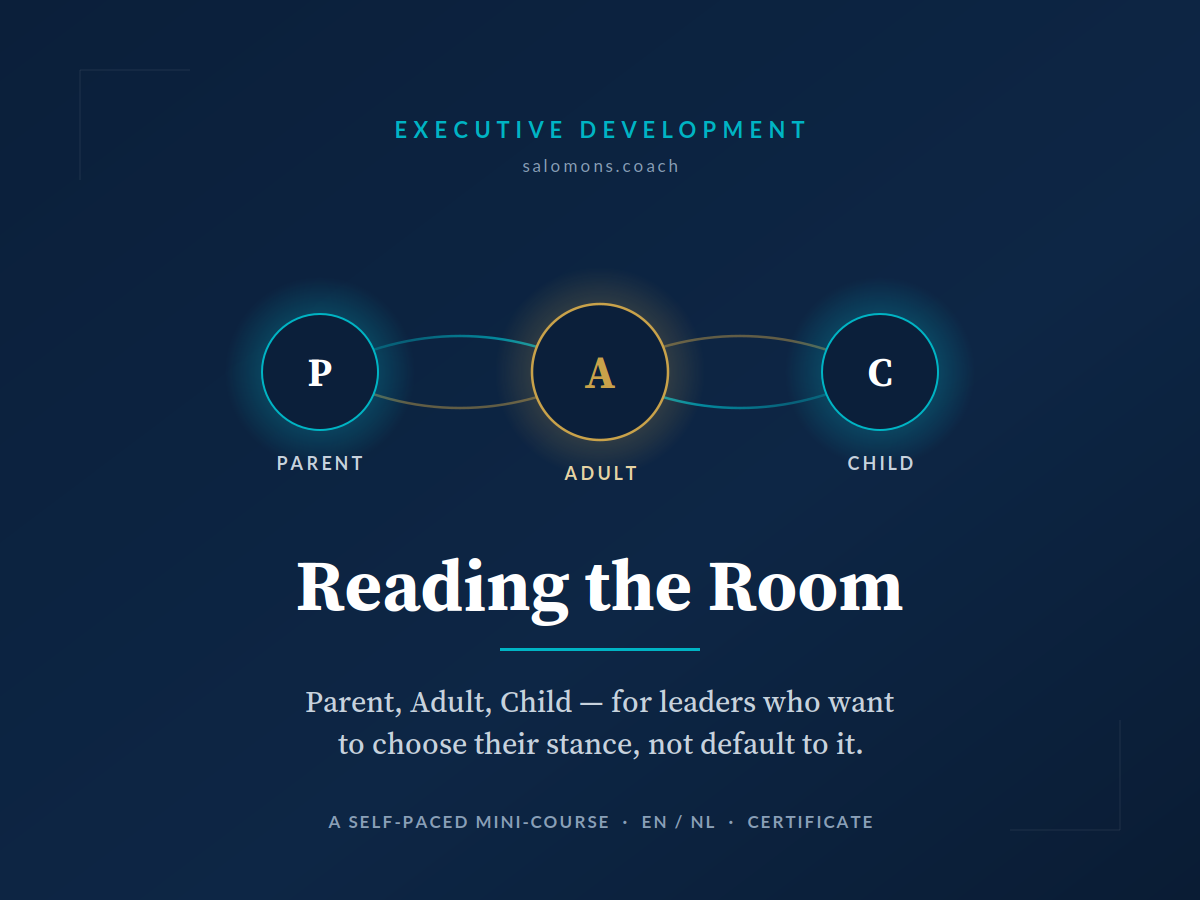
A clear, deeper introduction to transactional analysis: where Eric Berne's Parent, Adult, Child model comes from, the psychology of why we shift between stances, how it connects to Kahneman, Rogers, and psychological safety, and how to apply it in everyday leadership.
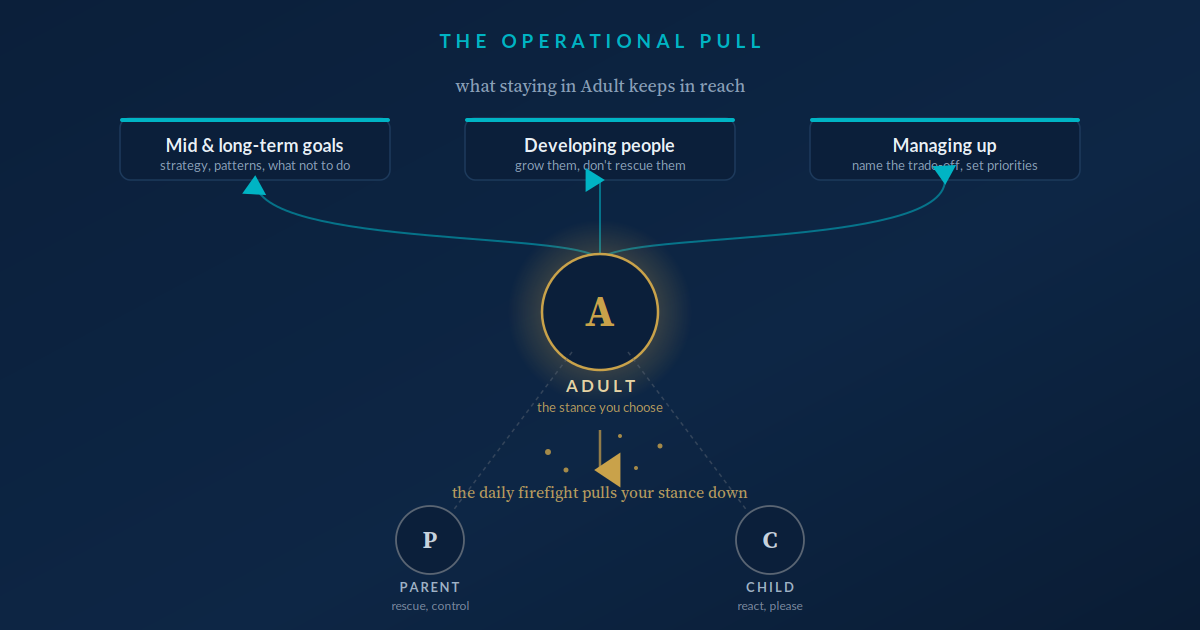
Every leader knows the day that vanishes into ad-hoc fires. The real cost isn't lost hours, it's a hijacked stance. A transactional analysis lens on staying strategic, developing people, and managing up when everything is urgent.
Efficiency makes an operation look strong. Reliability under the unexpected asks for almost the opposite. Karl Weick's five principles of high-reliability organizations — and what they looked like on a real hub floor.
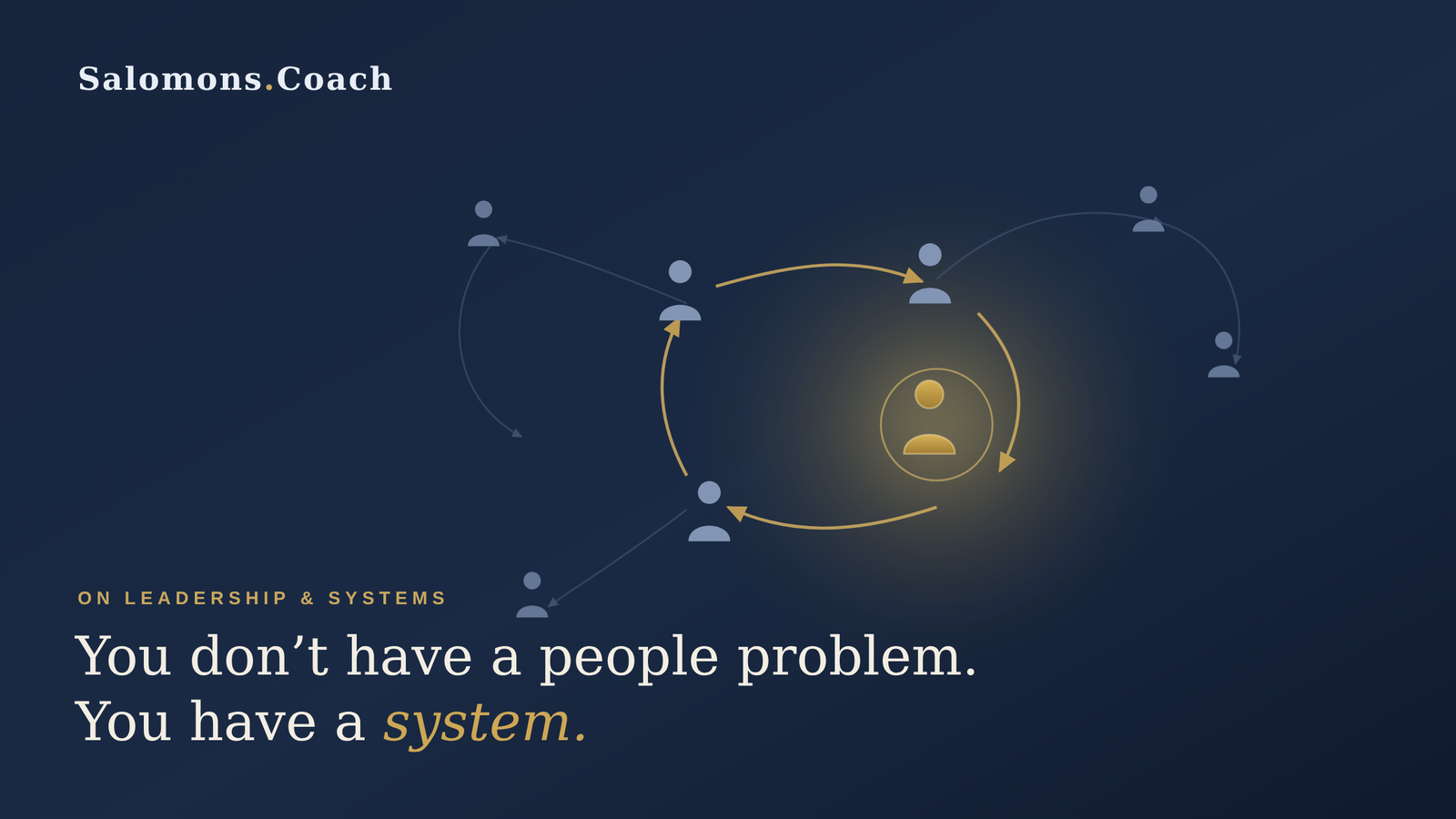
Your team won't take ownership. The same crisis keeps returning. You replaced the problem person and nothing changed. These aren't character flaws — they're the shape of the system you're standing inside. Drawing on three decades in the leadership chair, Jan Salomons on why so much competence produces so little change, and where the shift actually begins.
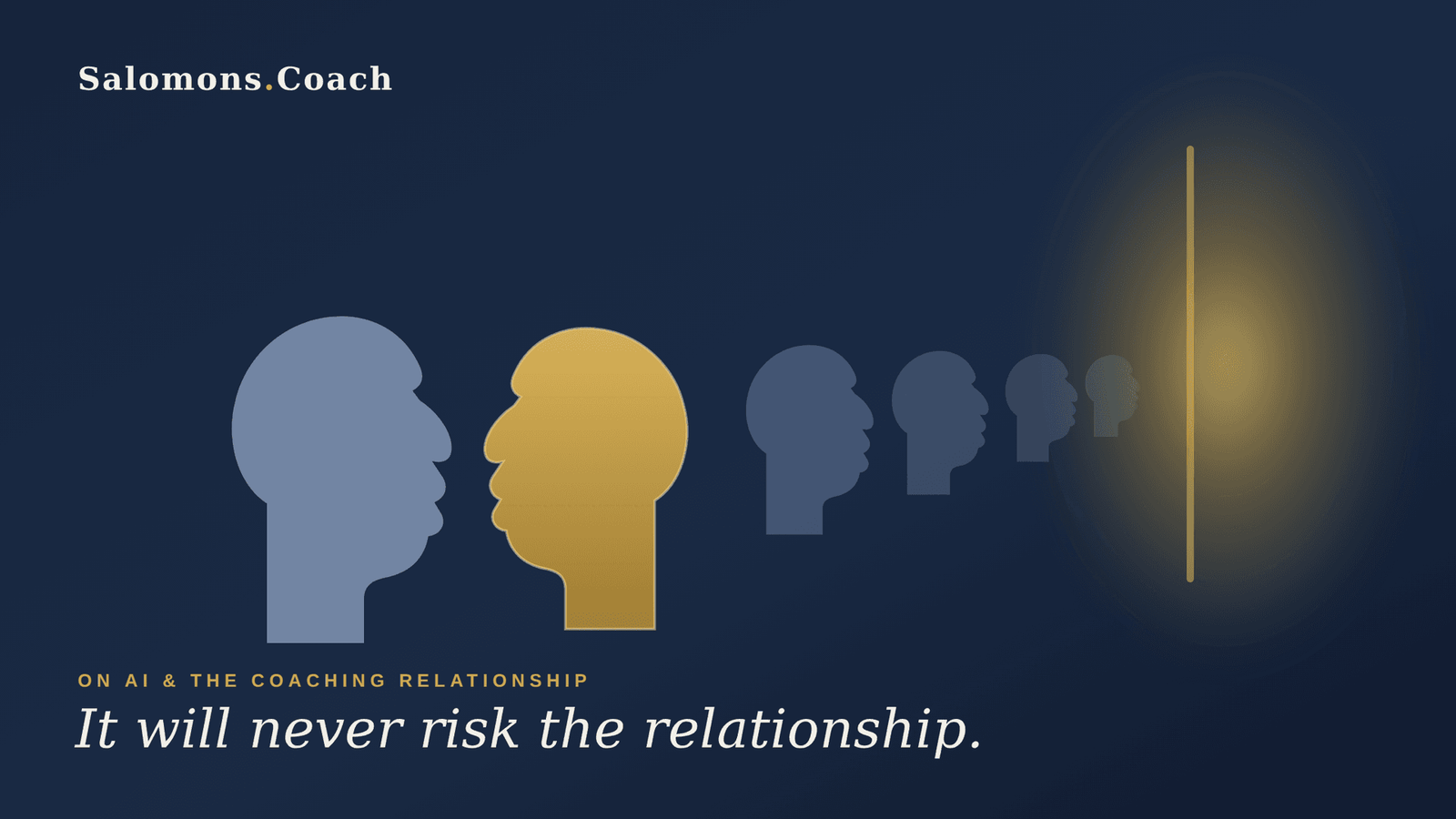
Generative AI is a superb career thought partner — for CVs, interviews, search strategy, and rehearsal. But coaching isn't information. Drawing on systemic and provocative coaching and three decades in the leadership chair, Jan Salomons argues that the deeper work, seeing your system, facing your blind spot, growing past your own comfort, is precisely what an AI built to agree with you can never do.
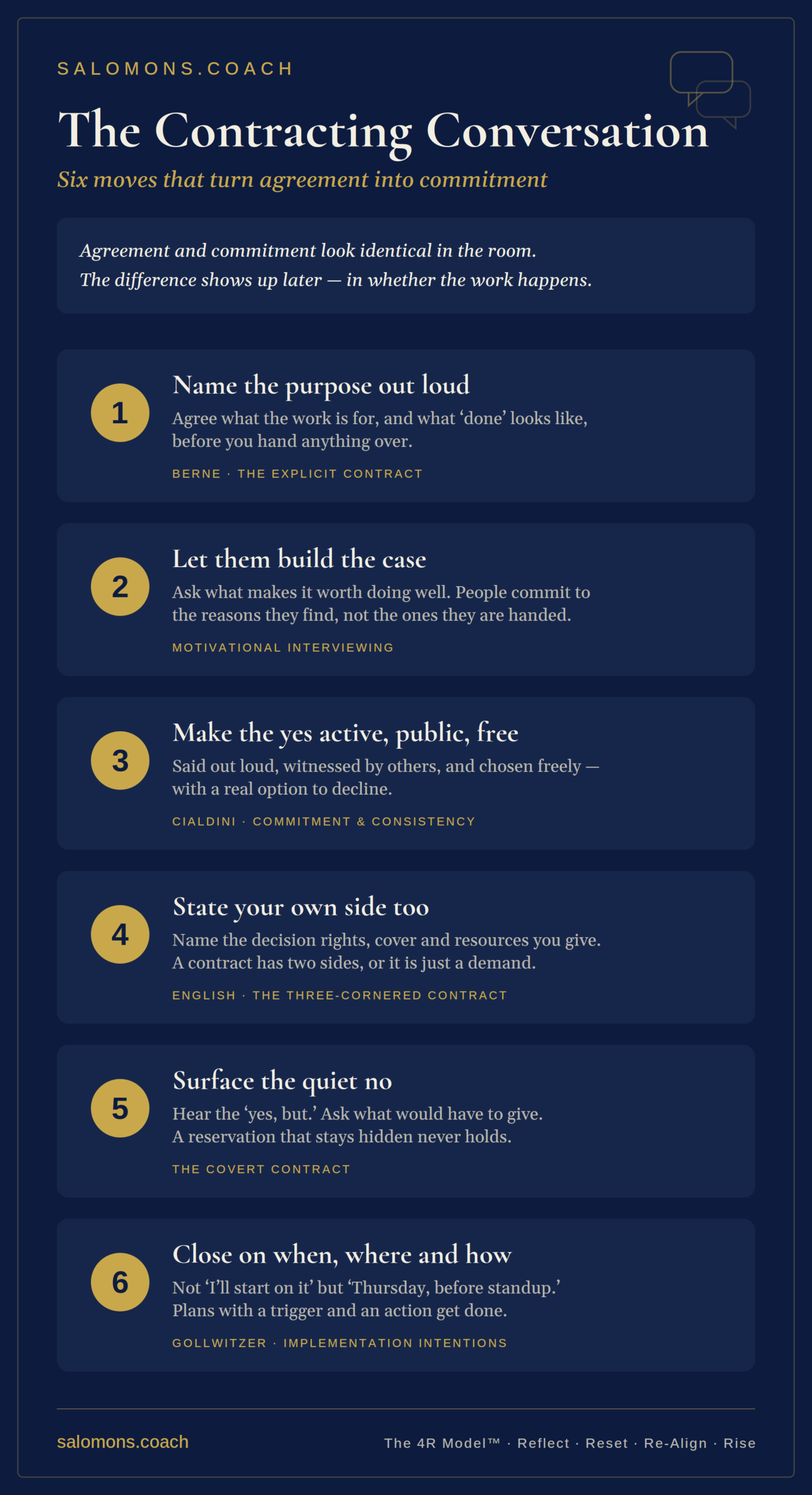
Getting someone to say yes is easy. Getting a yes that survives your absence is the real work of leadership. Six research-backed moves that turn polite agreement into commitment people genuinely own.
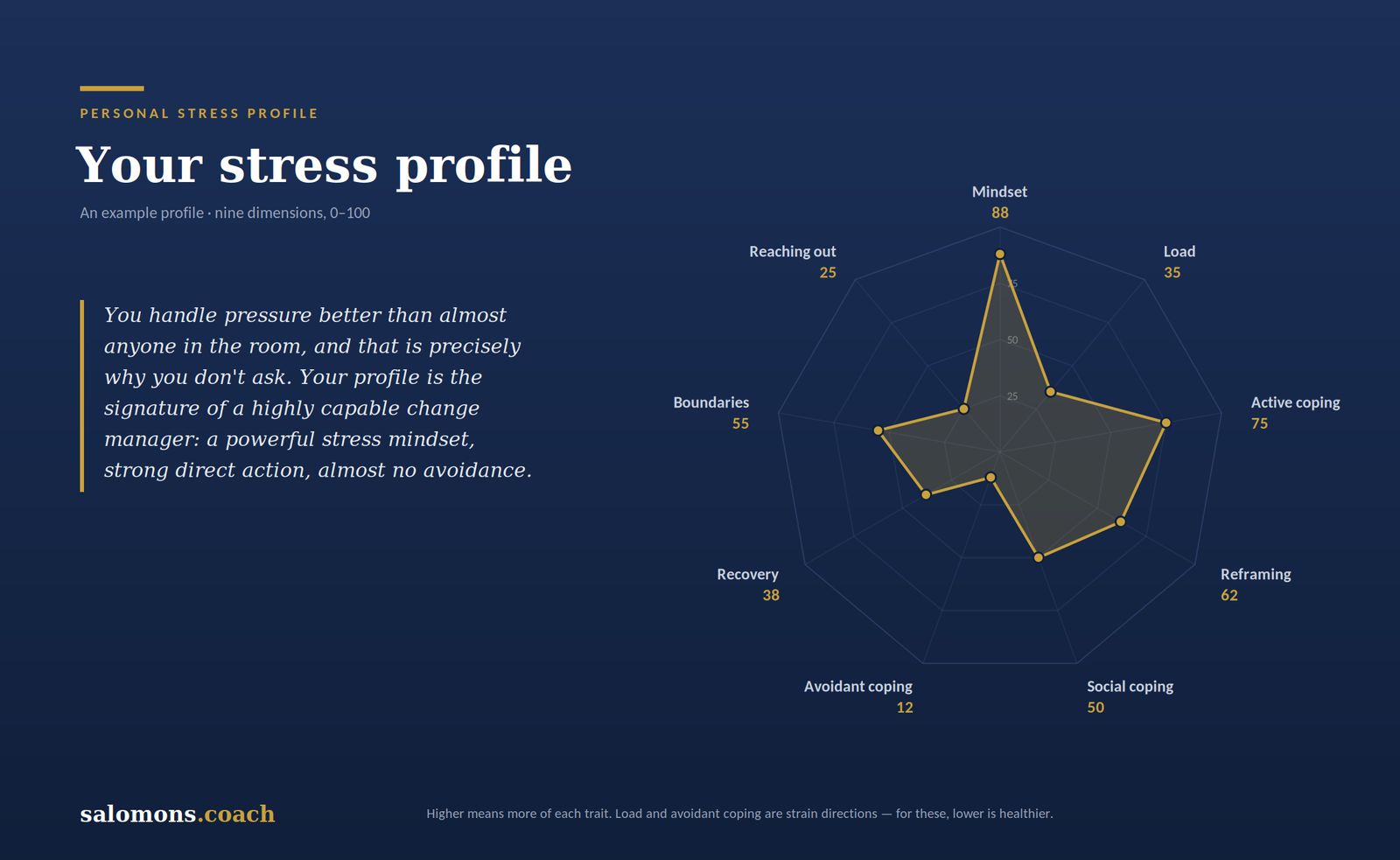
The Personal Stress Coping Profile™ provides a structured mirror of current pressure, coping responses, resilience resources, boundaries and recovery. It creates insight without diagnosing or labelling—and connects personal awareness with the wider team conditions that influence how people cope.
Parent Adult Child leadership explains why the mode you default to — Parent, Adult or Child — quietly shapes whether your people grow or stay dependent.
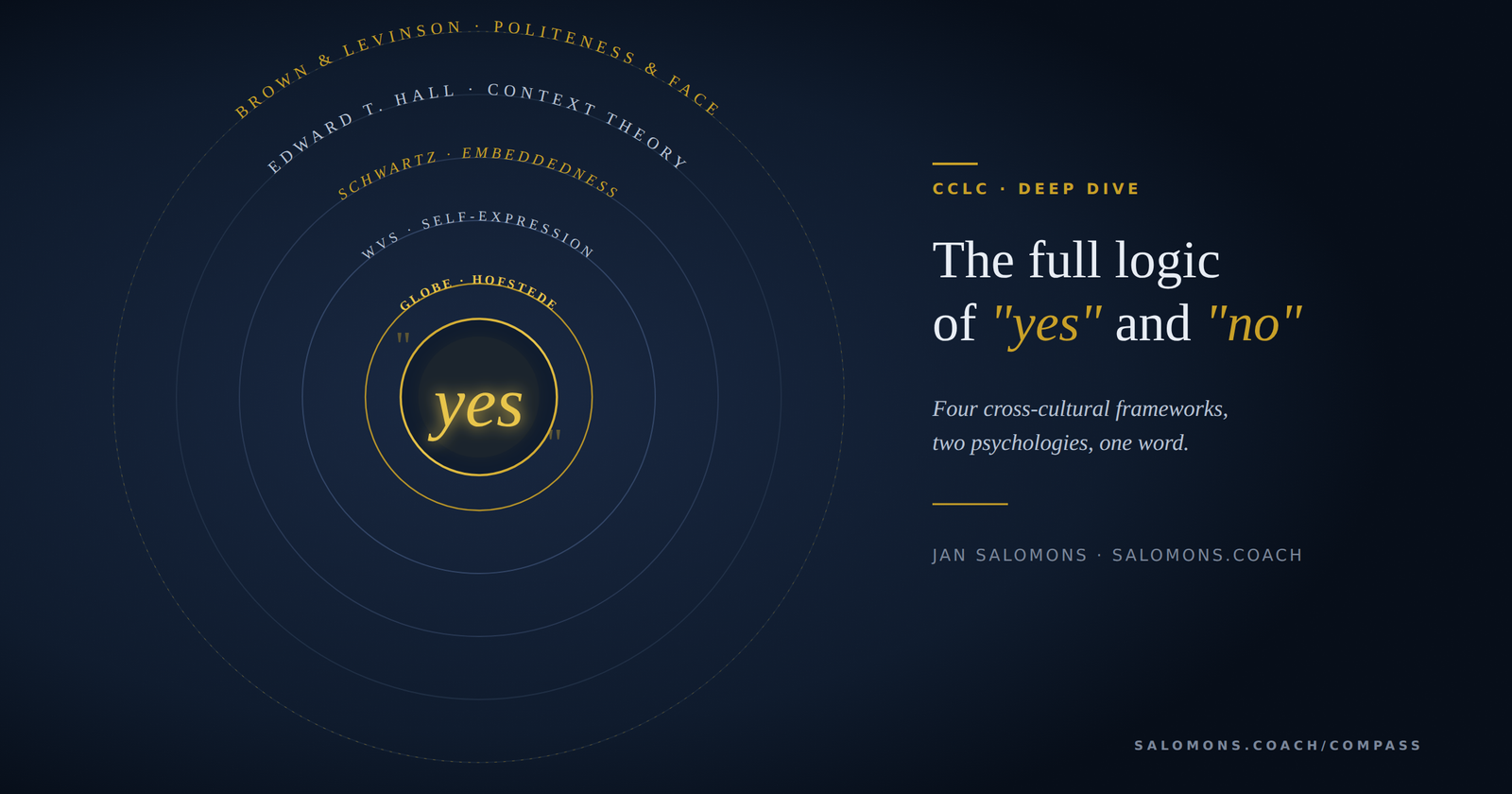
A yes from Beijing and a yes from Amsterdam can come out of the same mouth in the same meeting and mean radically different things. A reference-grade walk through the four cross-cultural frameworks — Hofstede, GLOBE, WVS, Schwartz — and the two psychological theories underneath that explain why.