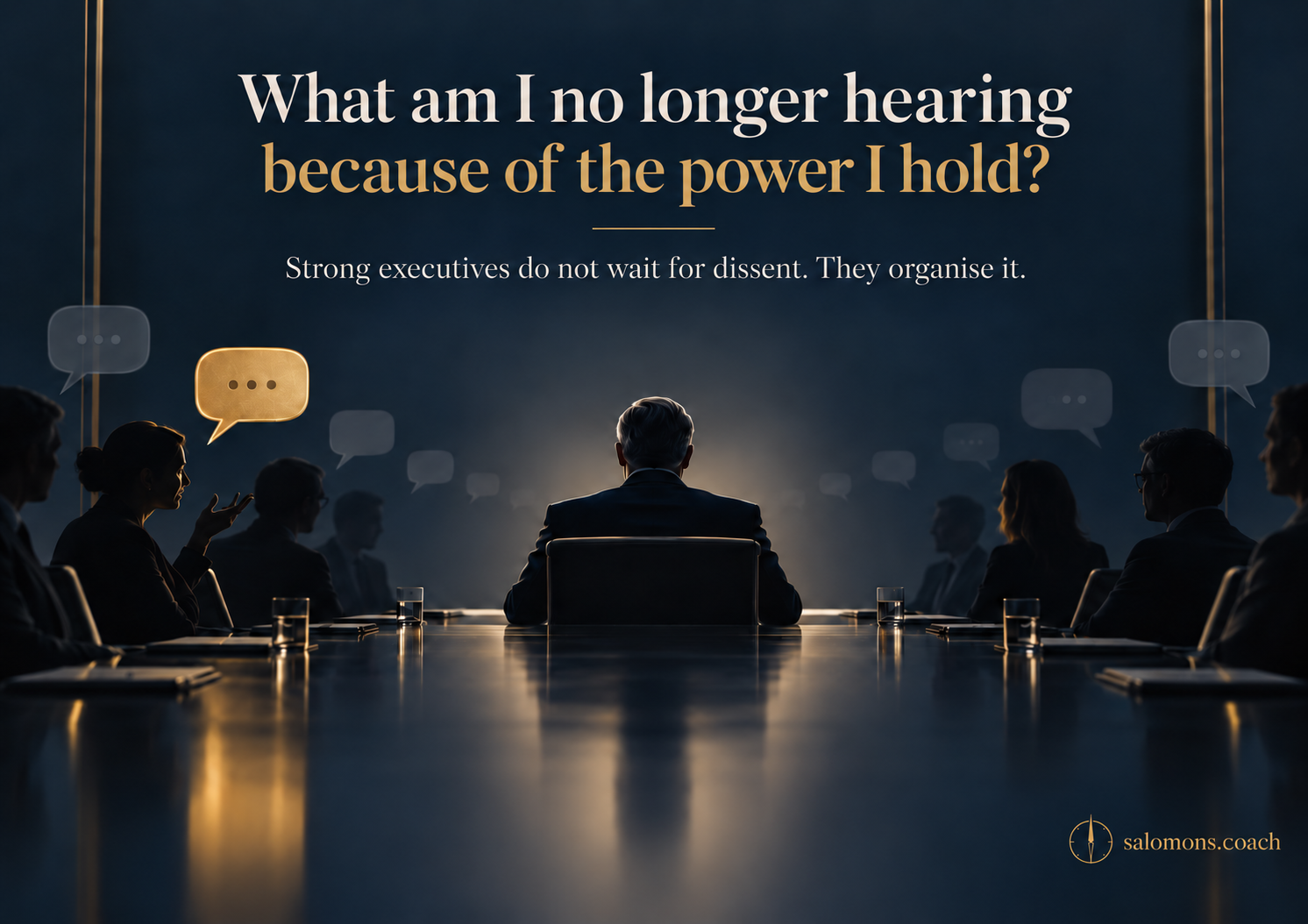
Executive power changes more than decisions. It changes what people are willing to say, what leaders are able to hear, and how easily confidence can turn into certainty. Strong executives do not just welcome dissent; they organise it, protect it and build boundaries around their own authority.

What leaders say and do is only the visible tip of the iceberg. This post explores the assumptions, emotions, values and beliefs beneath leadership behavior, and how coaching helps leaders turn deeper awareness into deliberate communication and lasting change.
Authority buys you access to everything except the truth. The more senior you become, the more information reaches you and the more it is edited on the way. Here is why leaders stop hearing candor, and a practical playbook for building it back.
Most leaders with ADHD aren't short on ability, they're working with a brain the role was never designed around. A look at the real challenges, the strengths hidden in the same wiring, and the development steps that turn a private struggle into a workable design.
"Just be yourself" is the worst advice a growing leader can follow. Herminia Ibarra's authenticity paradox explains why growth starts with behavior that feels unnatural, and what 35 years in management and 20 years of coaching confirm: discomfort is the entry fee, not a warning sign.
“Be authentic” — that’s what organizations, brands and people keep being told. But too often, following that advice can limit us, especially at work, says Herminia Ibarra, professor of organizational behavior. She proposes an expansive way to think about authenticity,
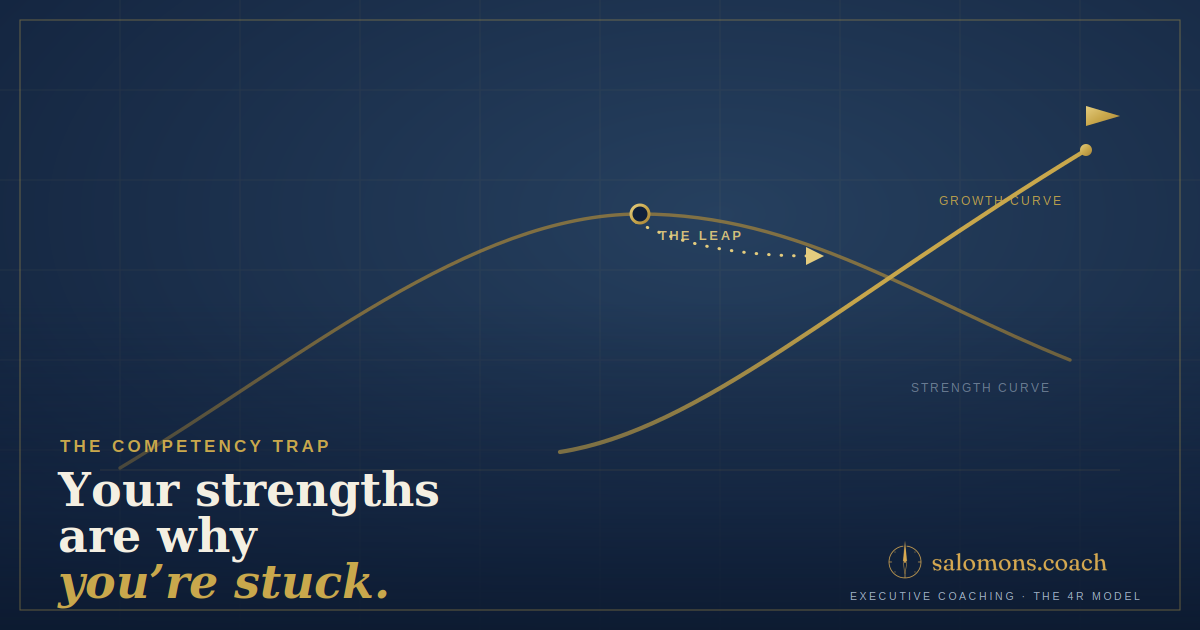
Every senior leader has a signature strength: the thing they're known for, rewarded for, promoted for. It's also, more often than anyone admits, the thing holding them in place. On outsight, endings, and why growth at the top is less about adding a strength than loosening your grip on the one you trust most.
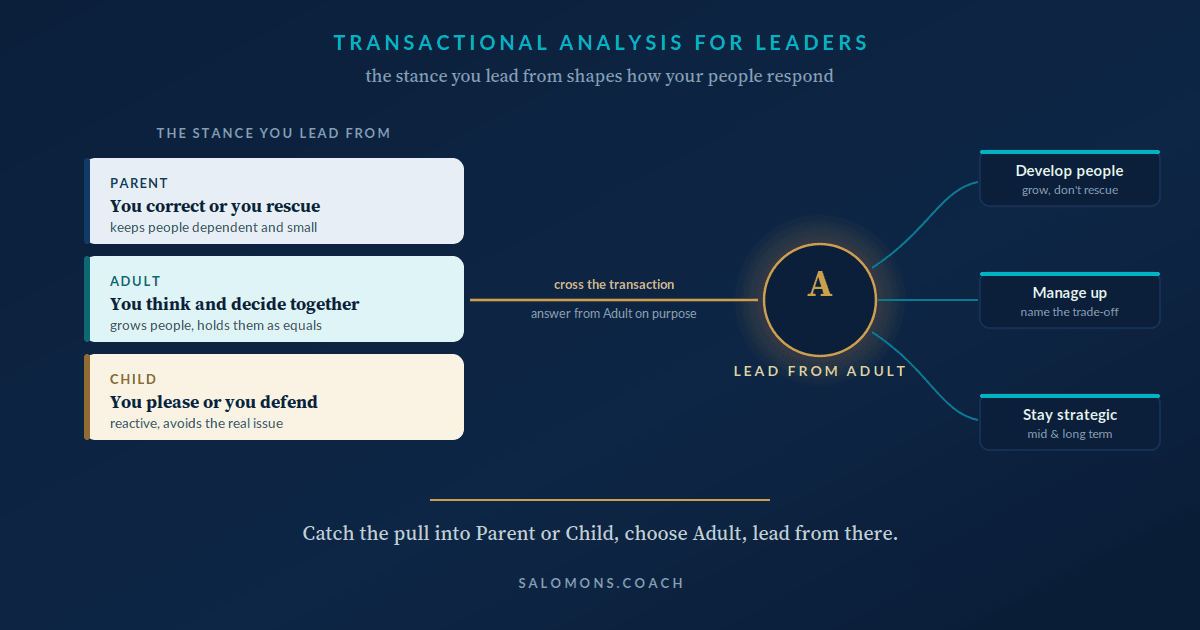
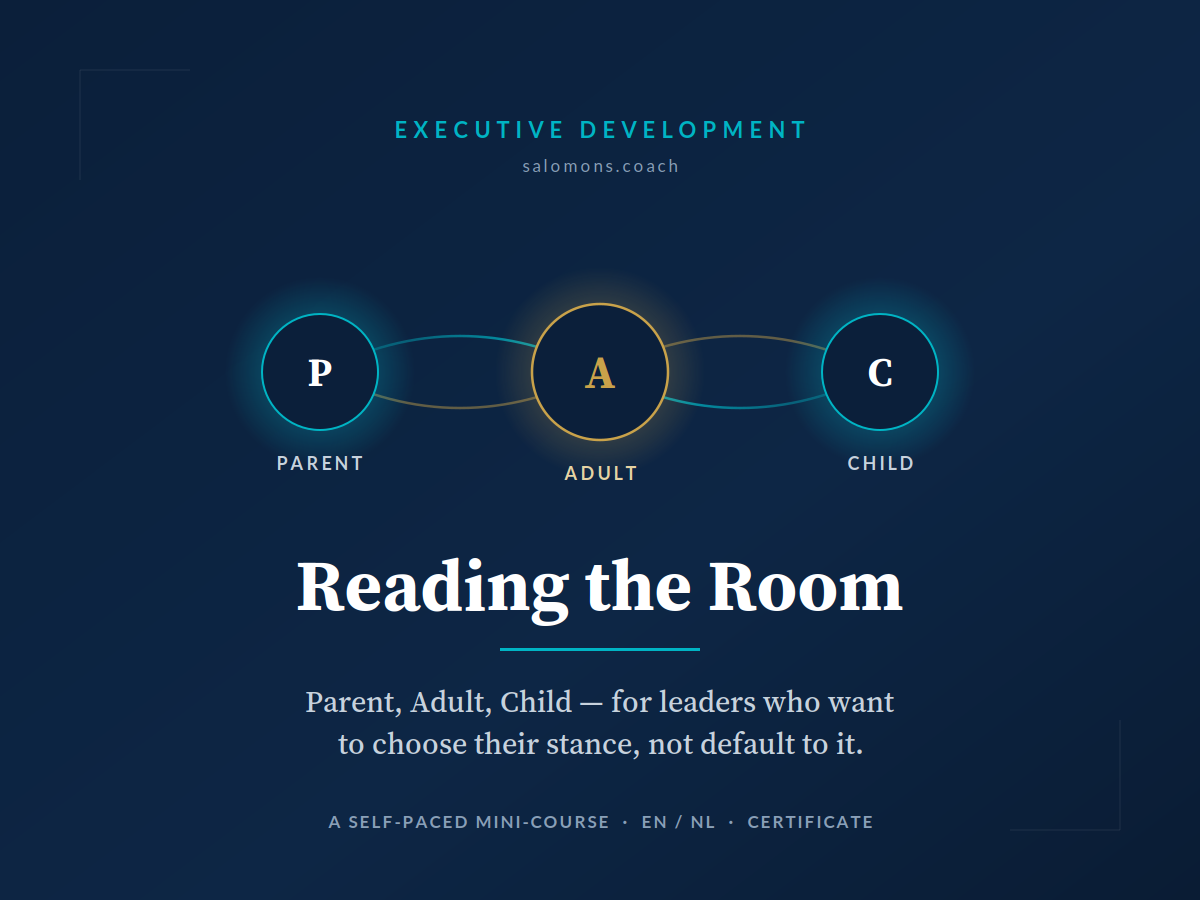
A clear, deeper introduction to transactional analysis: where Eric Berne's Parent, Adult, Child model comes from, the psychology of why we shift between stances, how it connects to Kahneman, Rogers, and psychological safety, and how to apply it in everyday leadership.
Parent Adult Child leadership explains why the mode you default to — Parent, Adult or Child — quietly shapes whether your people grow or stay dependent.