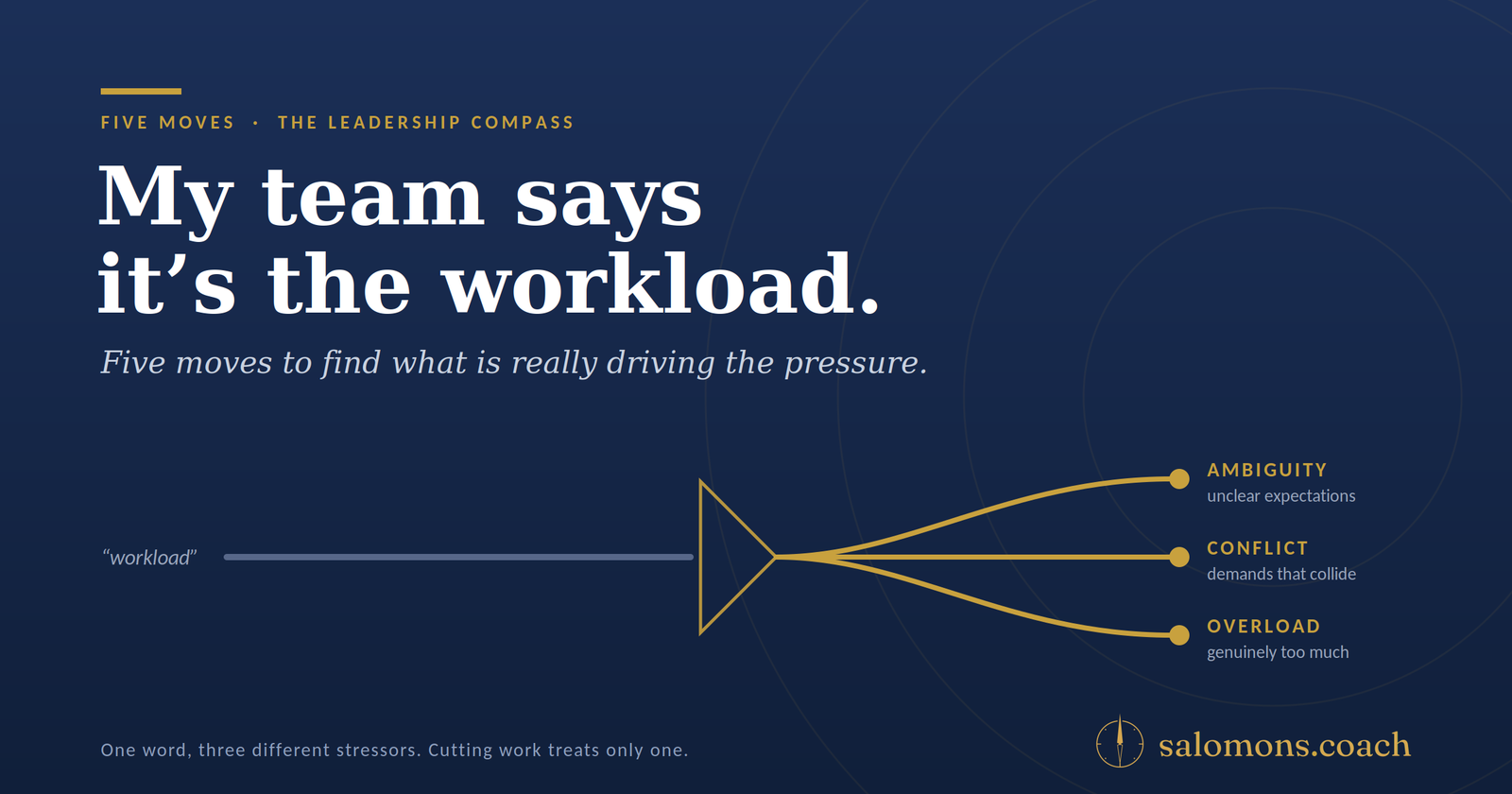
Ask a leader why the team is stressed and you will hear one word: workload. But research on 788,000 employees shows that unclear expectations and colliding demands often do more damage than volume. Five misreadings of workplace stress, the data behind them, and five better questions to ask your team.
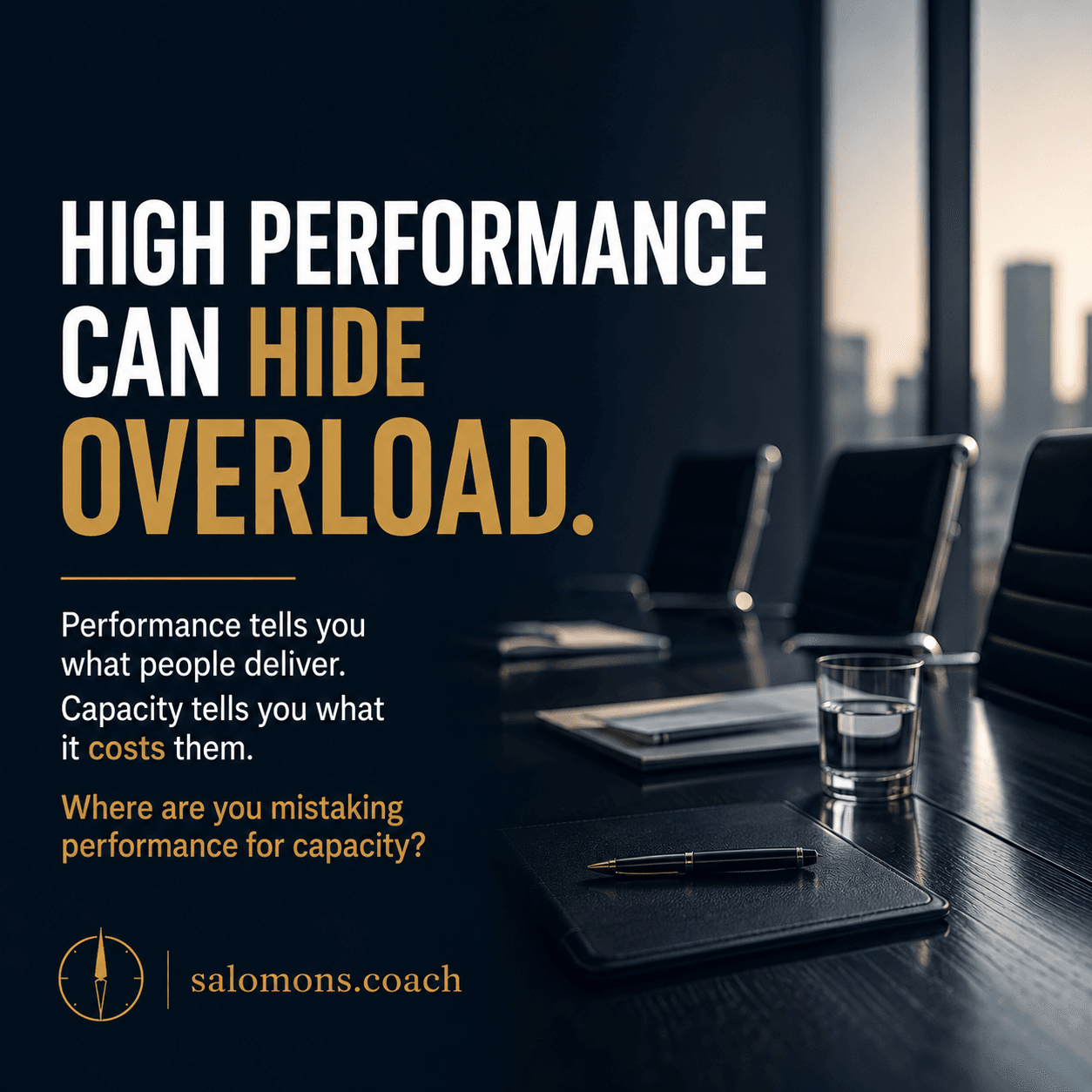
High performers can continue delivering while their capacity quietly declines. Learn how leaders can recognise the early signals, ask better questions and act before overload affects performance, the team and business continuity.
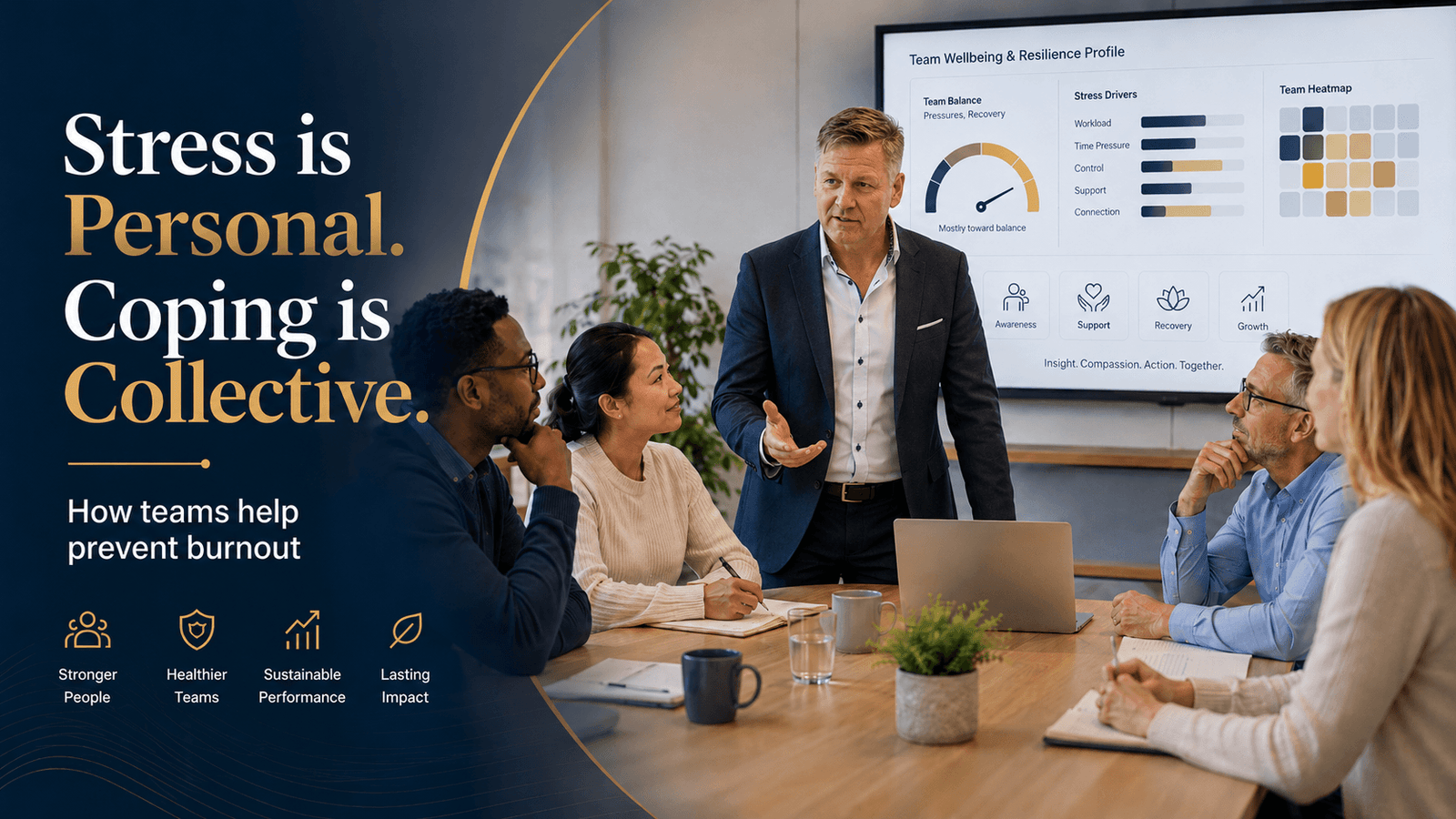
Stress is often treated as an individual problem. But in real organizations, teams can either amplify pressure or become a powerful source of resilience. This article explores five common team stressors, the difference between personal and team coping, and how a Team Stress Profile can help teams prevent stress from becoming a private burden.
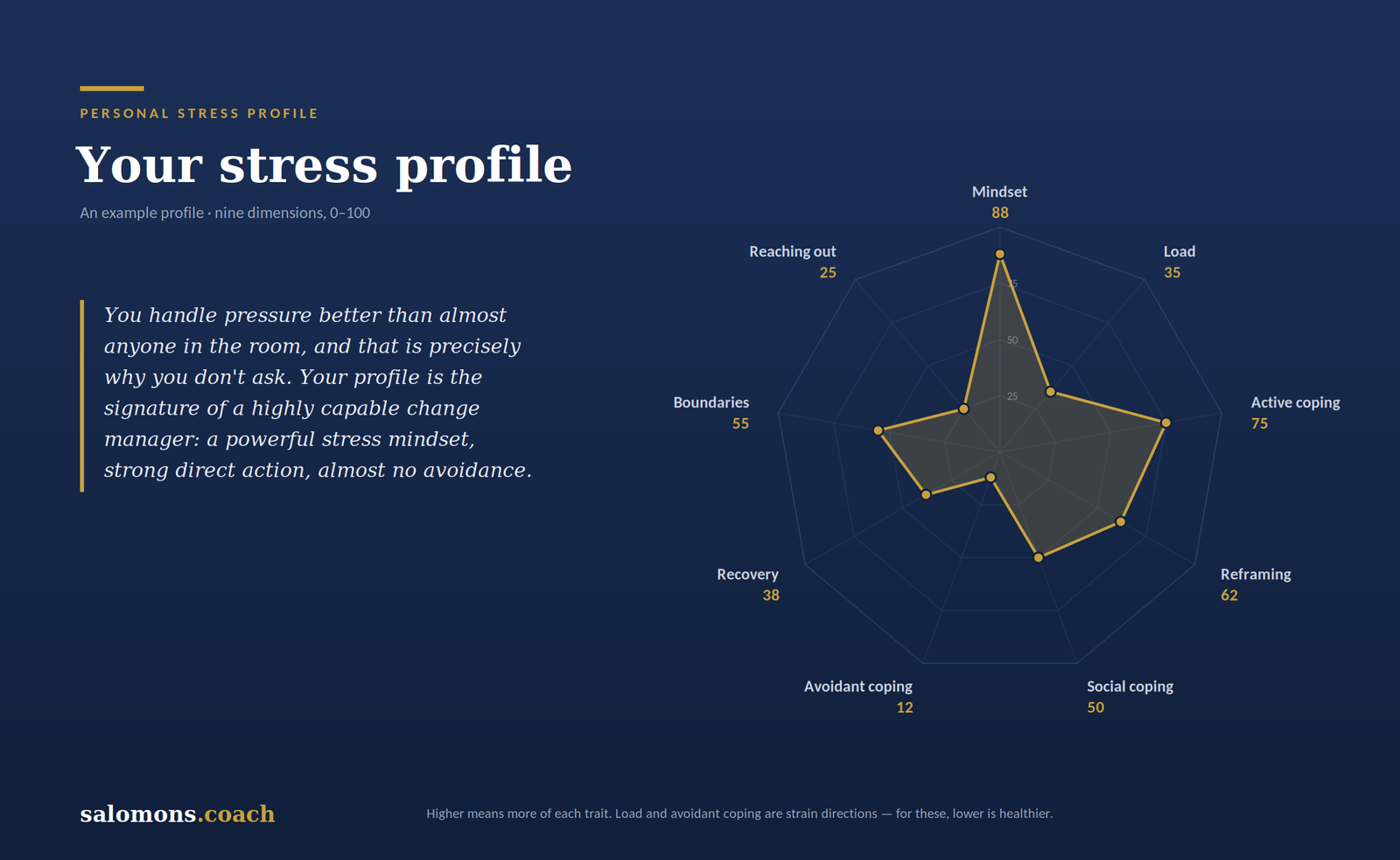
The Personal Stress Coping Profile™ provides a structured mirror of current pressure, coping responses, resilience resources, boundaries and recovery. It creates insight without diagnosing or labelling—and connects personal awareness with the wider team conditions that influence how people cope.
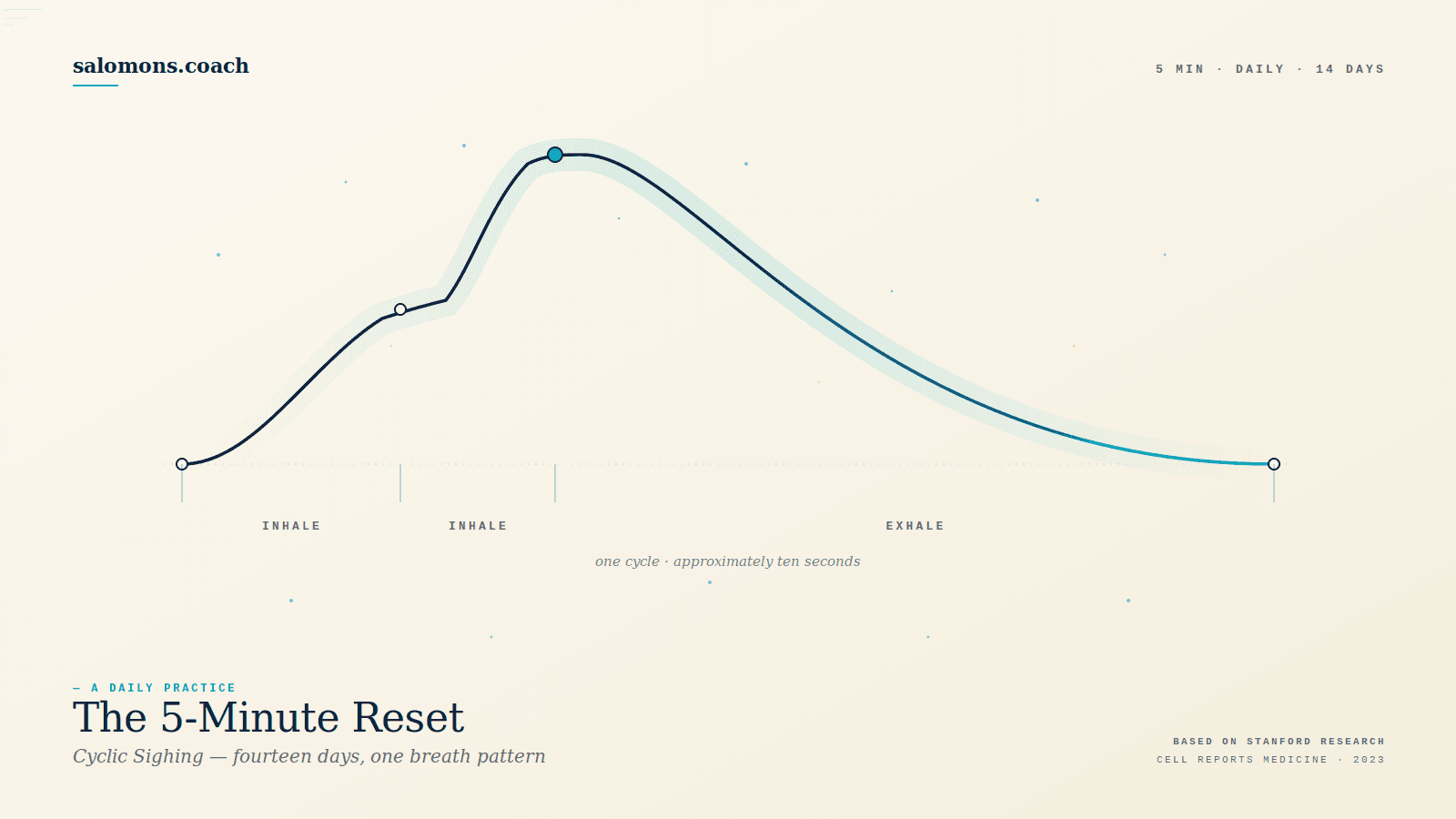
A 2023 randomized trial pitted four breathing techniques against each other. The winner takes five minutes a day. Here's what it taught me and how I built it into my coaching practice.
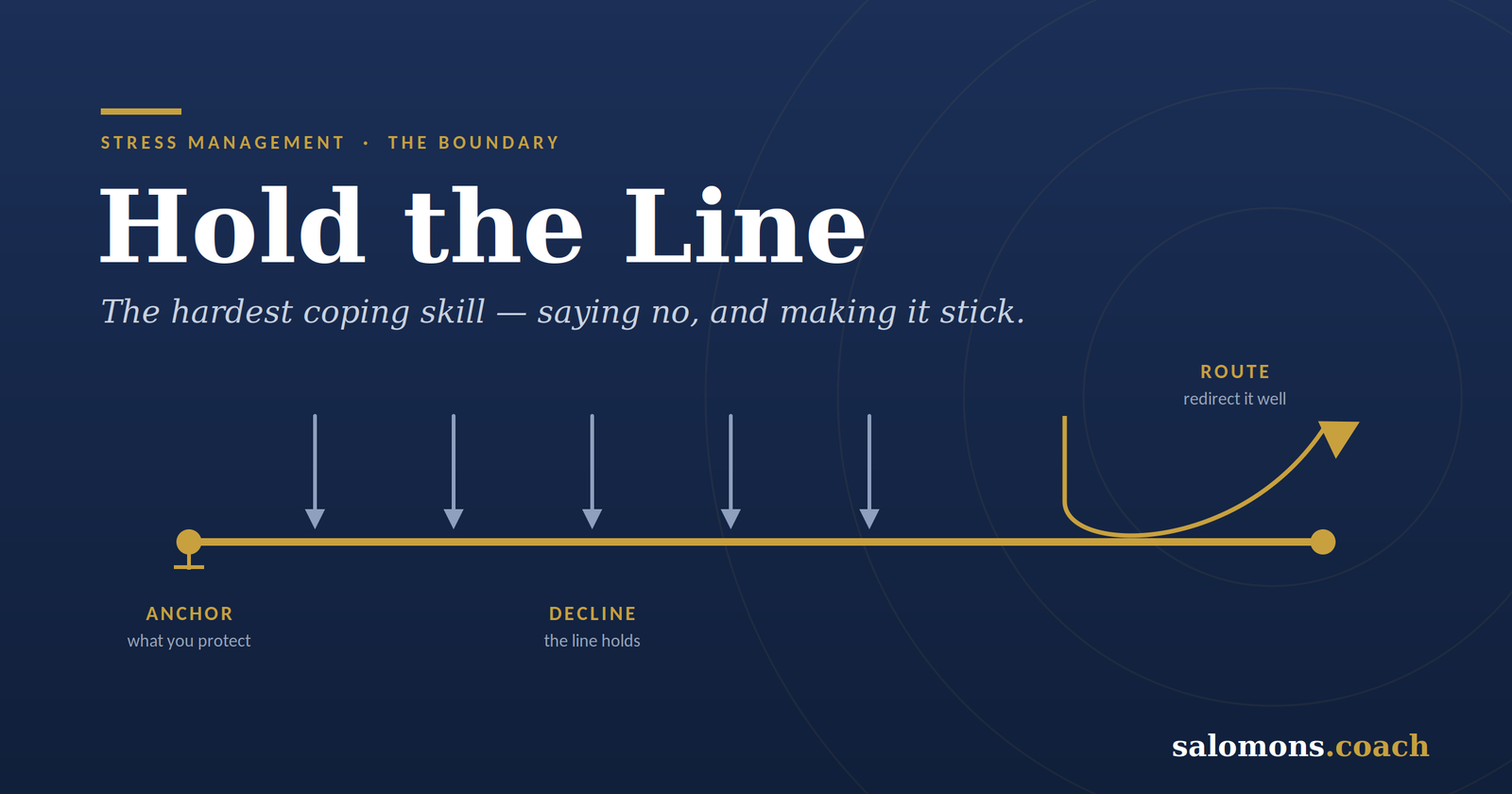
Most of the people I work with are good at handling things. That's exactly why their stress doesn't show up until it's expensive. Here's how I run a workshop that makes the hardest skill, saying no, something a team can actually get better at.
Watching Arthur Brooks’ talk on the science of happiness offers a powerful insight for leaders: happiness isn’t a mood — it’s a disciplined practice that shapes how you lead. Brooks reveals that enjoyment, satisfaction, and meaning form the foundation of true well-being, and only a small part of it depends on circumstances. The rest comes from daily habits rooted in relationships, purpose, and service. For leaders, this is transformative: it shifts happiness from a personal luxury to a strategic imperative. When leaders cultivate happiness intentionally, they strengthen resilience, deepen trust, and create the conditions in which teams can thrive.
The Wheel of Work Life is a powerful framework that reveals what truly shapes your well-being at work. By exploring eight essential dimensions — from psychological safety and leadership to autonomy, workload, recognition, growth, collaboration, and recovery — you gain a holistic view of what energizes you and what drains you. This model helps individuals and teams understand their current reality and identify the small, meaningful steps that lead to healthier, more sustainable performance.
Busyness has become a badge of honor, but it rarely leads to impact or well-being. In this post, Jan Salomons explores why being busy is more often a habit than a necessity — and how leaders can shift from managing time to managing focus. In a VUCA world, where speed and complexity dominate, clarity and reflection become the real leadership differentiators. Learn how to move from motion to meaning through self-awareness, attention, and purpose, and discover why slowing down might be the smartest move you can make.
In today’s fast-paced world, work easily takes center stage in our identity. Inspired by Simone Stolzoff’s “How to Reclaim Your Life from Work,” this reflection exercise helps you rebalance what truly matters. The Circle of You invites you to visualize how your time and energy are divided — and what your ideal balance would look like. By comparing the two, you’ll see where small, meaningful shifts can begin. Your job should support your life, not define it. This exercise helps leaders and professionals take the first practical step toward balance, well-being, and authentic leadership.