When leadership conversations become repetitive or defensive, the real problem may not be the content. This post explores how relationship and structure shape communication—and how leaders can use the three-layer communication model to create greater clarity, trust and more productive dialogue.
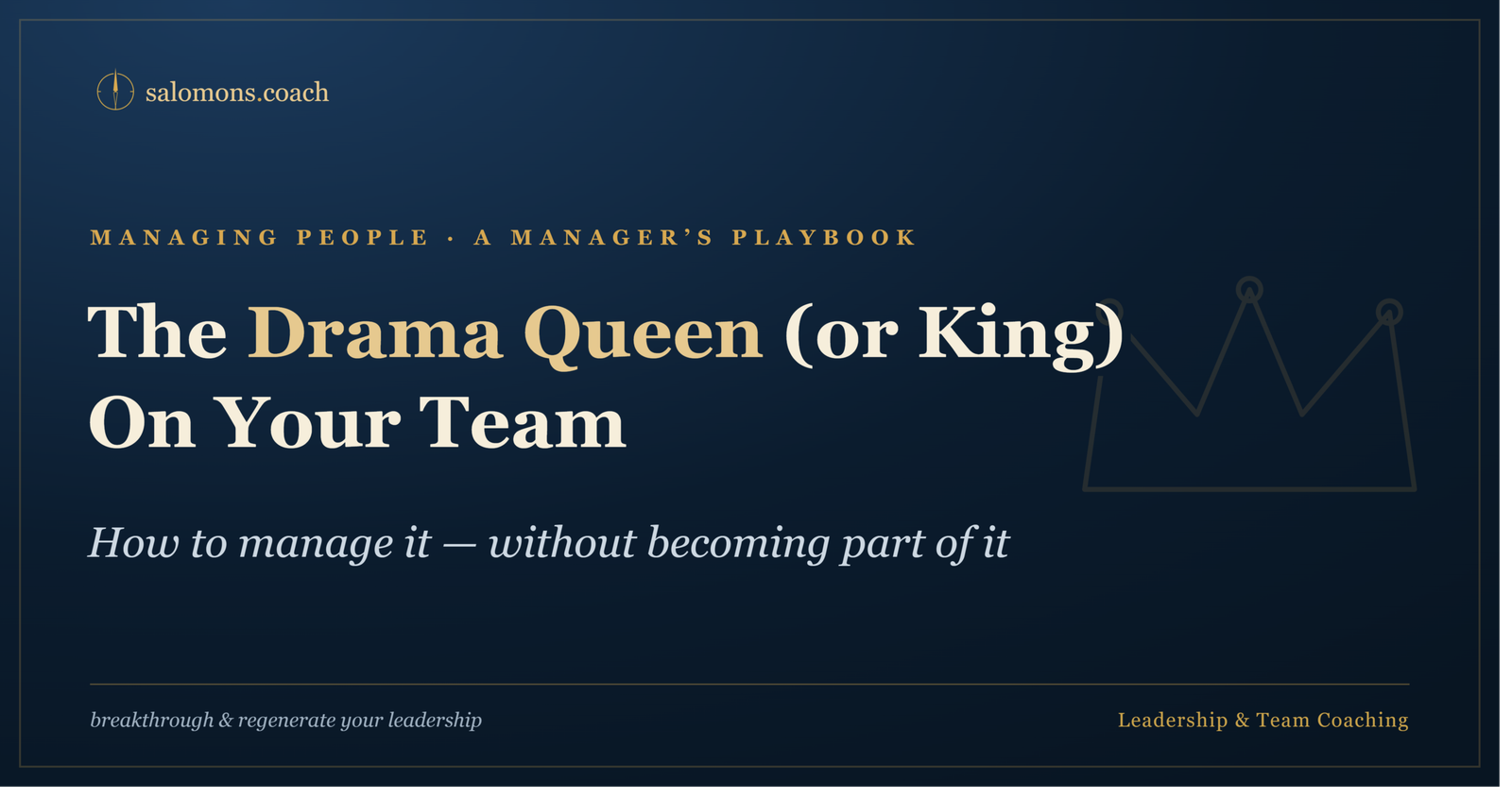
Almost every manager has that one person — every molehill a mountain, every meeting hijacked. Labelling them a "drama queen" puts you in the passenger seat. This is the practical playbook I walk managers through: stop funding the drama, redirect to ownership, and lead with a steady hand.
Blame that circles the table, a colleague who "can't," a manager who fixes everything and resents it — the Drama Triangle rarely looks like a crisis, but it stalls decisions and drains your best people. Here's how leaders spot it, step into the Winner's Triangle, and take the wheel.
Why do some teams remain effective under sustained pressure while others gradually become overwhelmed? This article introduces six collective capabilities that help teams recognise pressure early, redistribute responsibility, adapt priorities and learn from demanding periods, without replacing individual accountability.
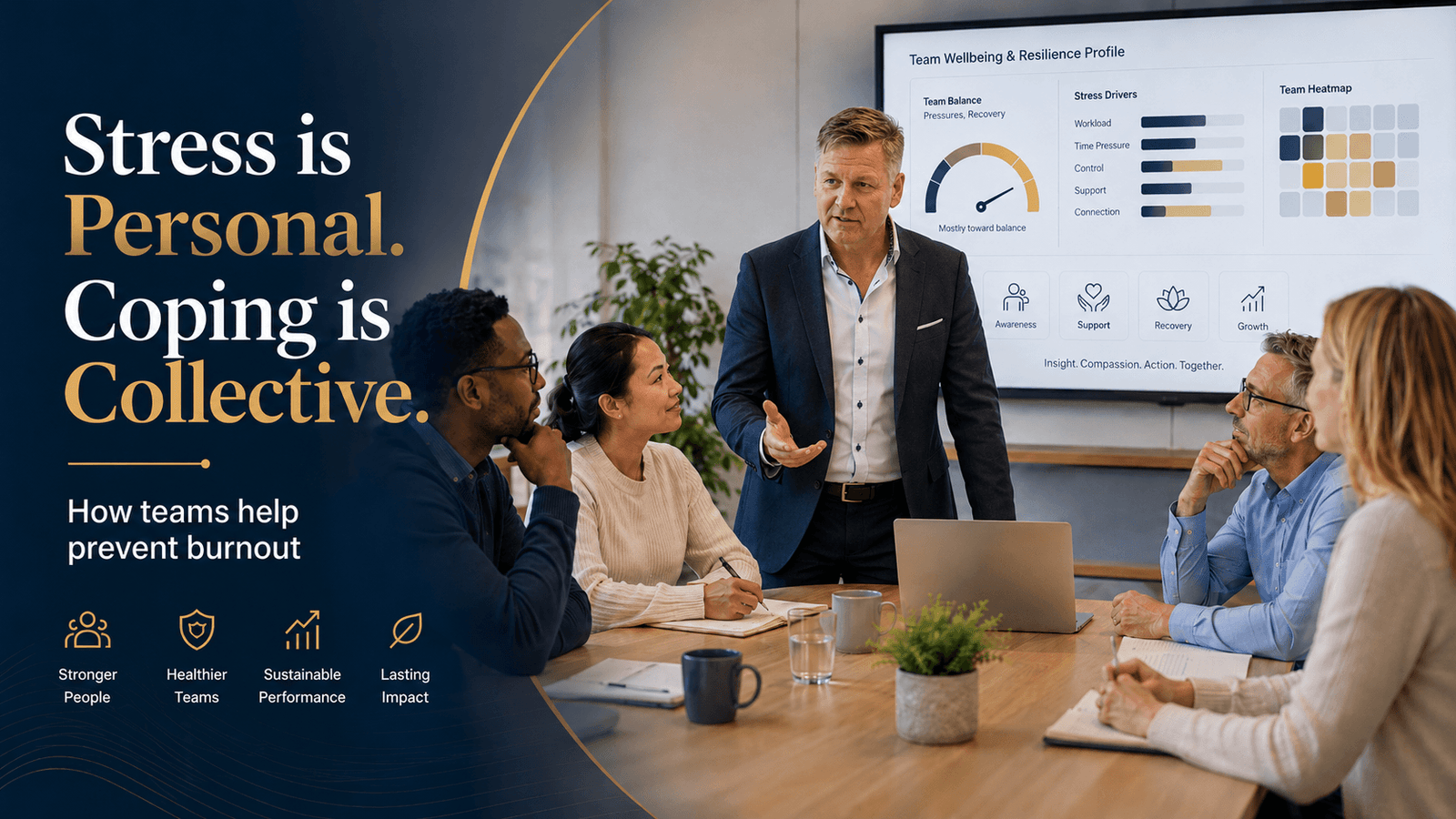
Stress is often treated as an individual problem. But in real organizations, teams can either amplify pressure or become a powerful source of resilience. This article explores five common team stressors, the difference between personal and team coping, and how a Team Stress Profile can help teams prevent stress from becoming a private burden.
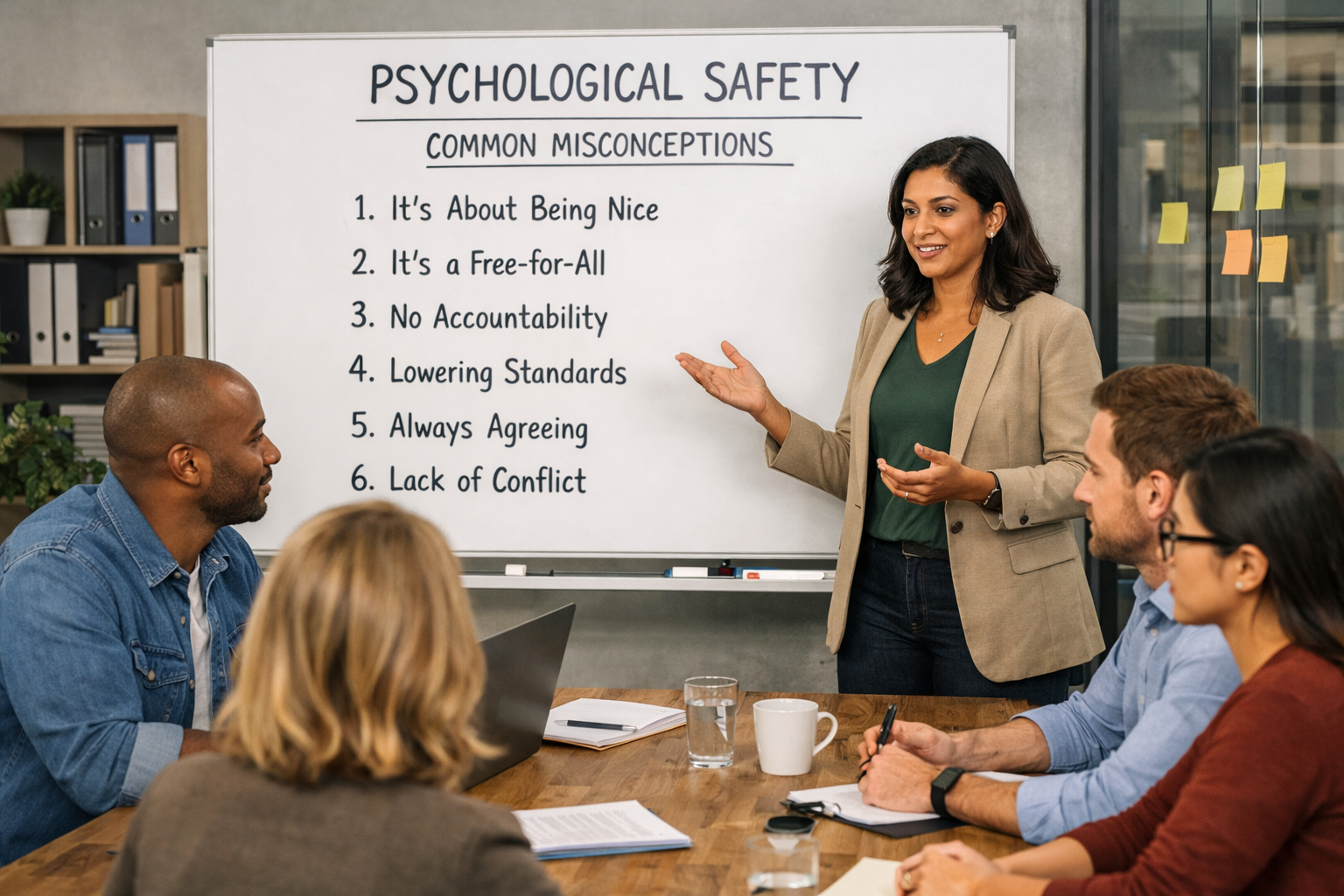
Psychological safety is one of the most used — and most misunderstood — concepts in modern leadership. Nice meetings, policies, and consensus are not safety. They are often the opposite. Six stubborn misconceptions, and what is actually at stake for leaders who want to get this right.
Excellent leadership dialogue is not about open discussion without boundaries. It is a disciplined practice that creates shared understanding, surfaces real differences, and leads to genuine commitment. When leaders avoid constructive conflict or rush to agreement, alignment becomes fragile and execution suffers. The strongest leadership teams invest in dialogue first, so commitment follows naturally, without the need to manage appearances.
Most teams don’t fail because they don’t work hard — they fail because they work too fast, too isolated, and without reflection.
When every team focuses on solving its own problems, sub-optimization becomes inevitable. Each quick fix triggers side effects elsewhere, creating a vicious cycle of ad-hoc problem-solving that drains energy and weakens performance.
Research on High-Performing Teams shows that real success depends on trust, shared purpose, and systemic alignment — not more speed.
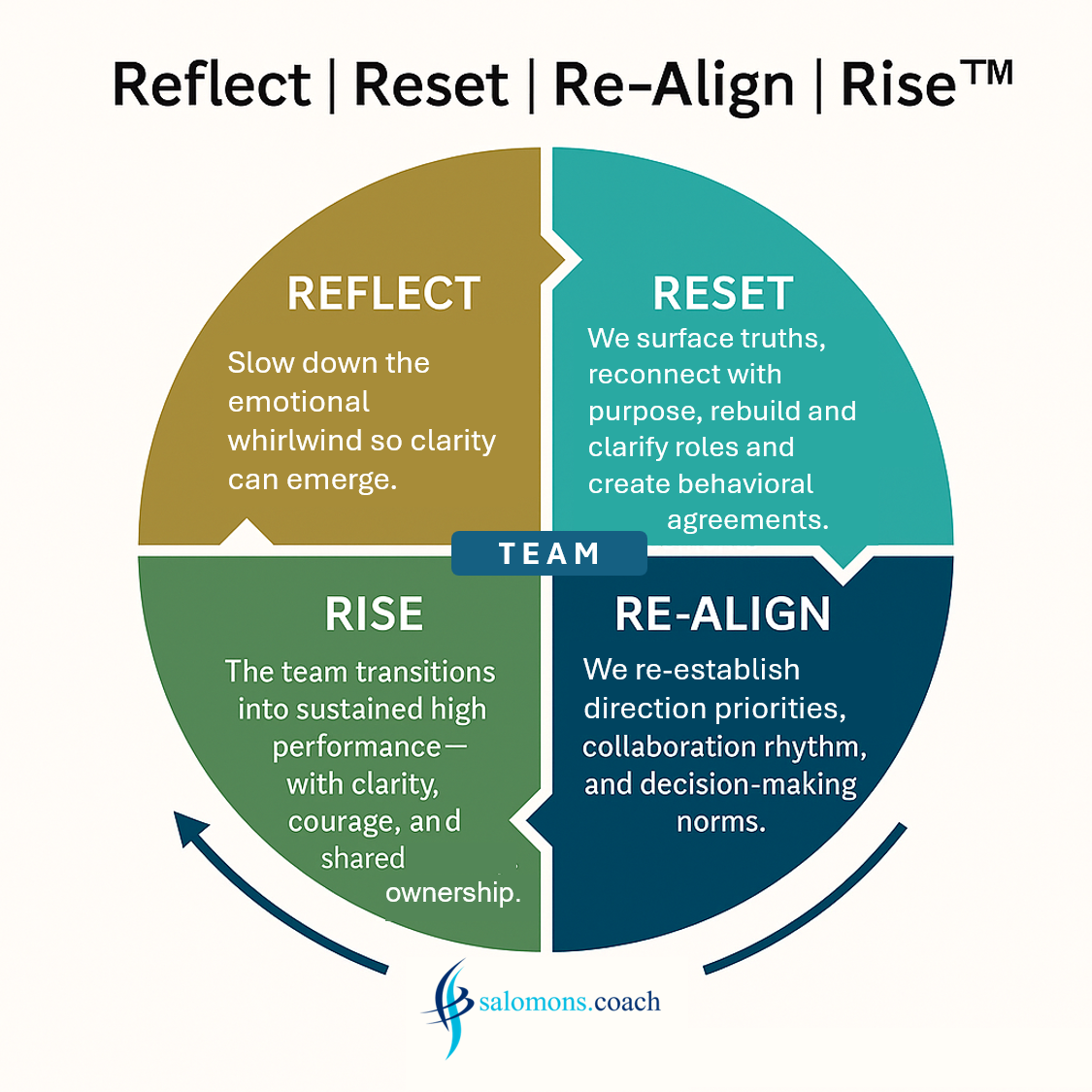
Breaking that cycle starts when leaders and teams slow down long enough to Reflect, Reset, Re-Align, and Rise™ — together.
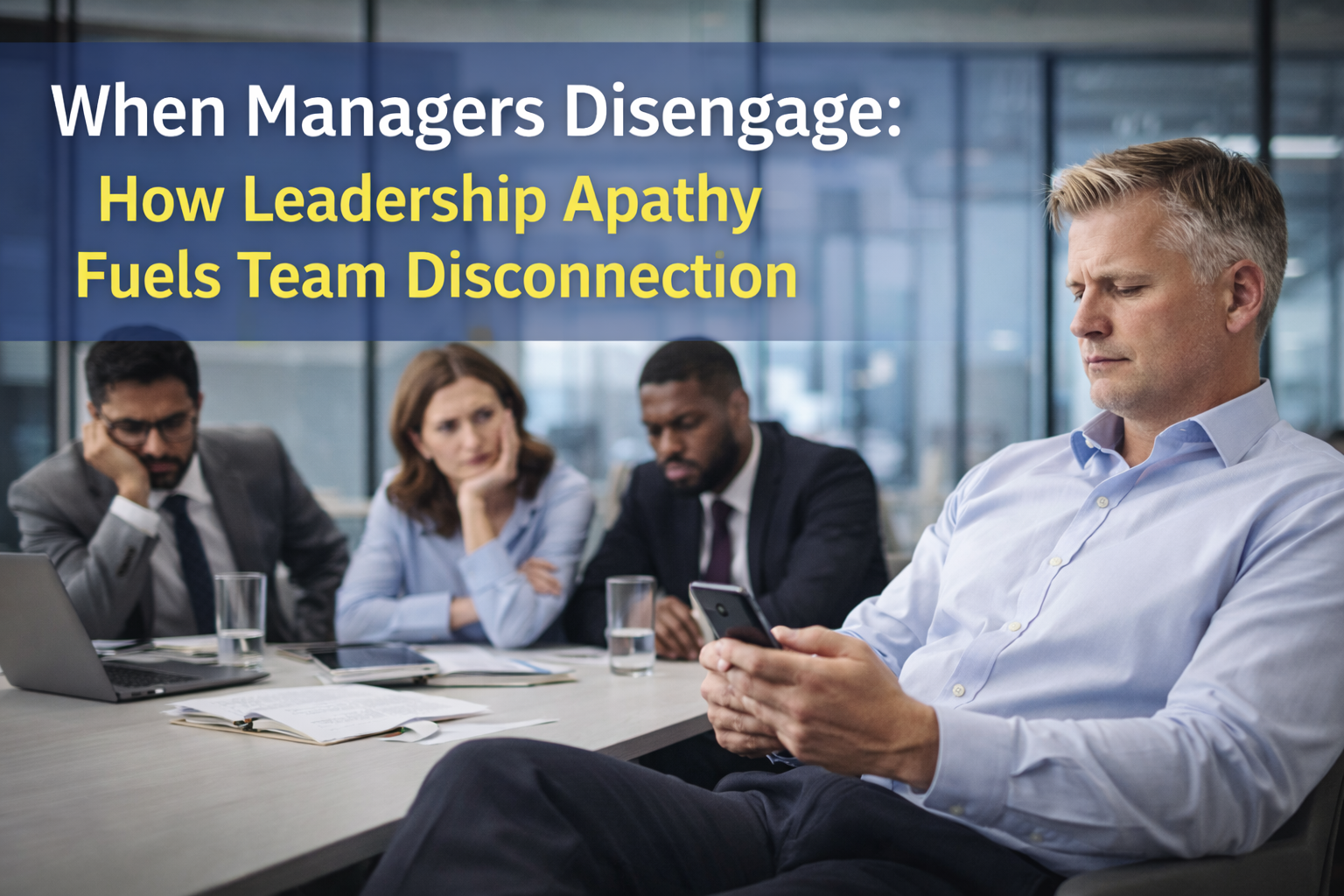
After my last post — “Is it time to stay or move on?” — someone asked, “What about disengaged managers?” It’s a fair question — and maybe the real one. Research shows only one in four managers is engaged, and when leaders disconnect, their teams follow. Disengagement often starts when managers stop reflecting on why they lead. Regular reflection isn’t self-indulgent — it’s leadership maintenance. Before judging a team’s motivation, every leader should pause and ask: Am I still connected to my purpose — or is it time to stay, or move on?
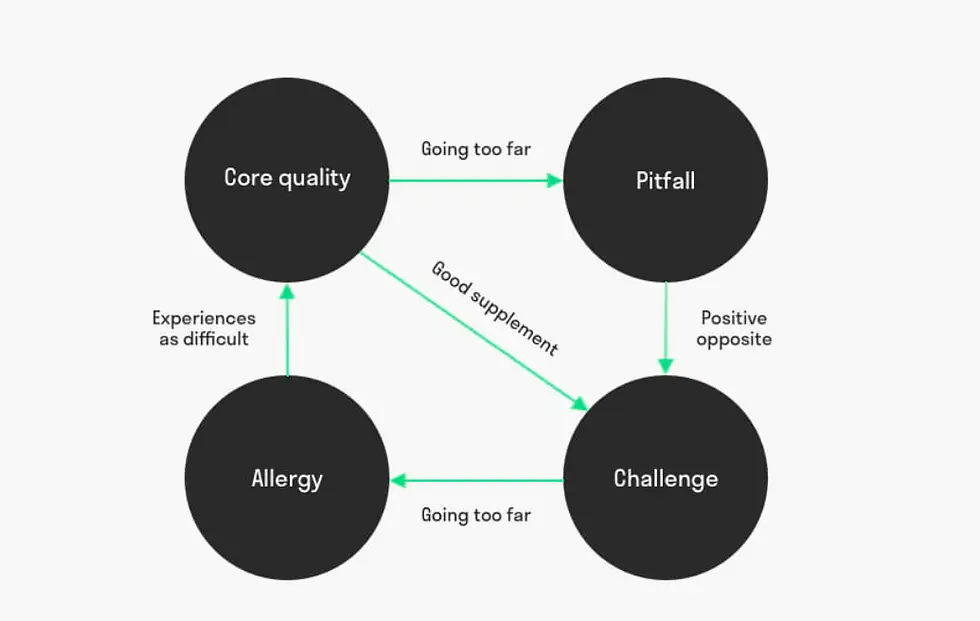
The Core Quadrants by Daniel Ofman are an effective tool for team building, helping teams understand individual dynamics and how to collaborate better. By identifying core qualities, pitfalls, challenges, and allergies, teams gain insights into strengths and areas for growth. For example, one team member’s creativity (core quality) may lead to chaos (pitfall), while another’s structure (core quality) could result in rigidity (pitfall). By discussing complementarities and irritations (allergies), teams learn to value differences and work cohesively. Regular reflection and integration of core quadrants into daily collaboration foster a culture of feedback, problem-solving, and celebrating contributions, strengthening overall team performance.