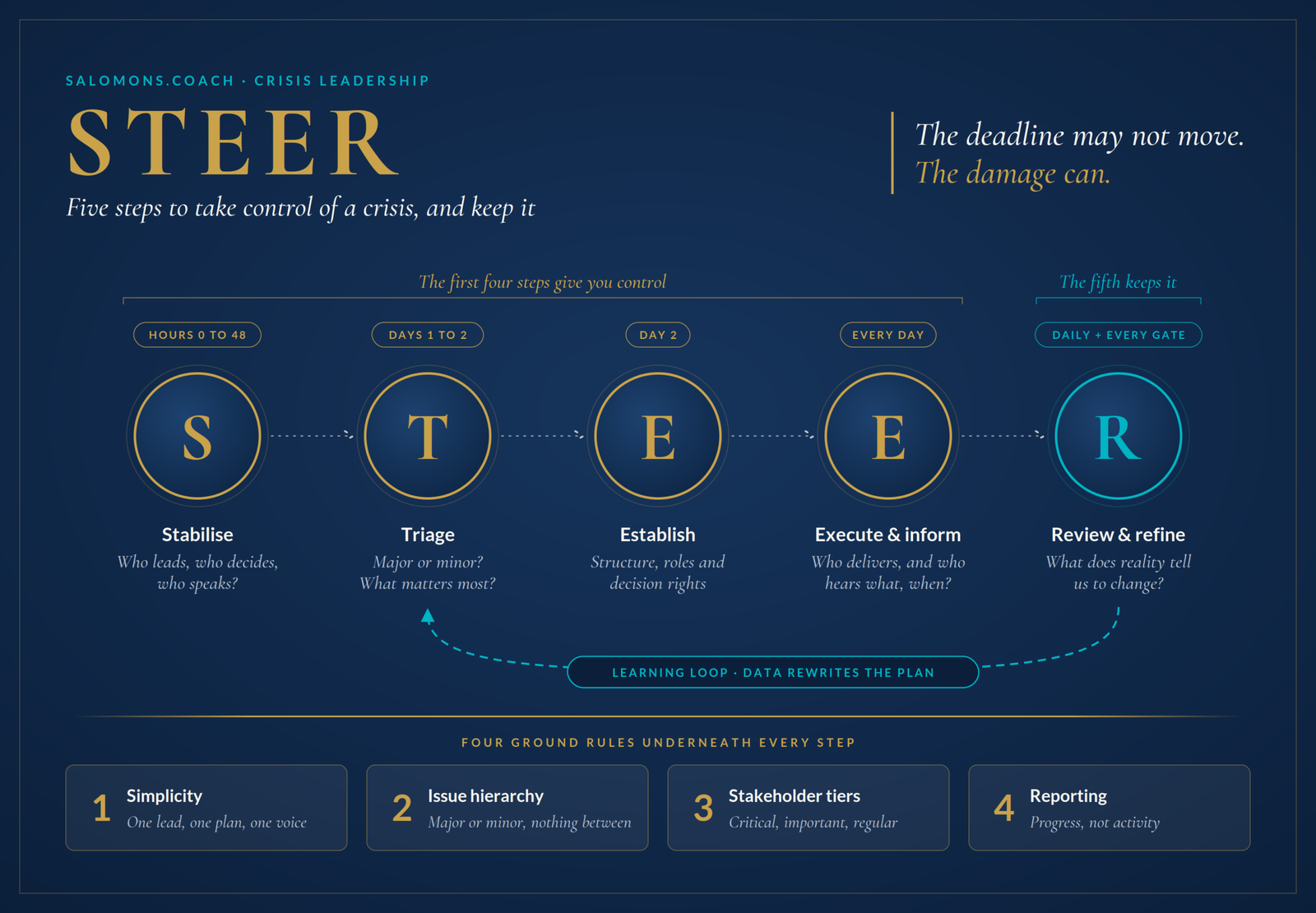
When the board hands you a crisis with a fixed deadline and an impossible scope, a project plan will not save you. STEER helps program managers take control in 48 hours, separate major from minor issues, give each stakeholder the right cadence, and let real data improve the way of working every day.
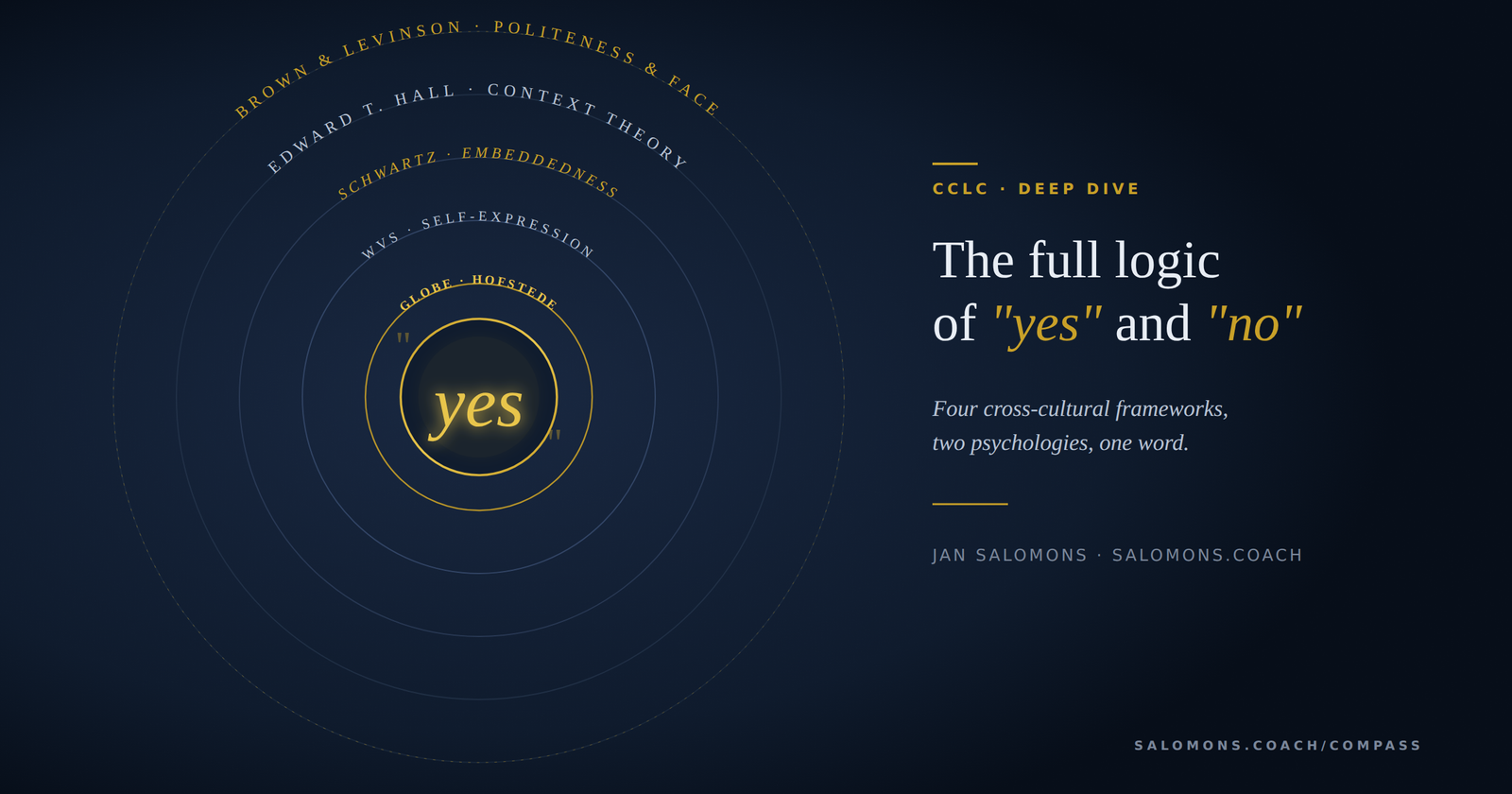
A yes from Beijing and a yes from Amsterdam can come out of the same mouth in the same meeting and mean radically different things. A reference-grade walk through the four cross-cultural frameworks — Hofstede, GLOBE, WVS, Schwartz — and the two psychological theories underneath that explain why.
As AI becomes embedded in organizational decision-making, not all decisions should be automated. Some choices define values, require accountability, and demand human judgment under uncertainty. This article explores five leadership decisions AI should never make—not because AI is incapable, but because leadership legitimacy, responsibility, and trust cannot be delegated to technology.
Strong decision-making is the cornerstone of effective leadership. It provides clarity, empowers teams, and ensures agility in complex situations. By defining problems accurately, gathering diverse perspectives, and taking decisive action, leaders can reduce inefficiency and build trust. Decision-making isn’t just about choosing the right path—it’s about fostering alignment and learning from outcomes. When leaders approach decisions systematically, they create momentum, confidence, and long-term success for their teams and organizations.
Why do visionary leaders sometimes abandon their principles when the pressure mounts? Decisions like Meta ceasing fact-checking or Elon Musk supporting divisive figures highlight the complex interplay of fear, short-term thinking, and herd mentality in leadership. This blog explores the psychological and organizational dynamics behind these behaviors and offers actionable strategies to help leaders stay authentic, aligned with their values, and principled in turbulent times.
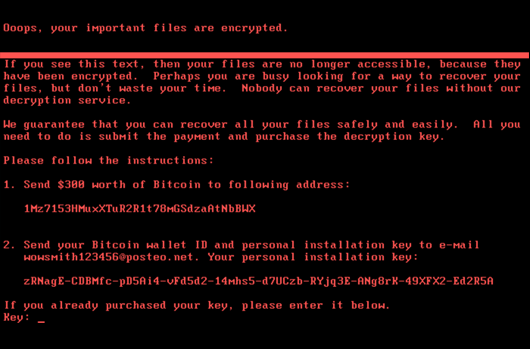
27-06-2017, all systems fail. 56 countries, 1500+ operational facilities, 60,000 employees, ....
How an organisation survived the NonPetya computer virus. How leadership makes the difference, but only thanks to the great attitude and loyalty of employees and customers. Learn what matters in developing people in your organisation to allow them to be instrumental when it really counts. When you need to survive crisis.