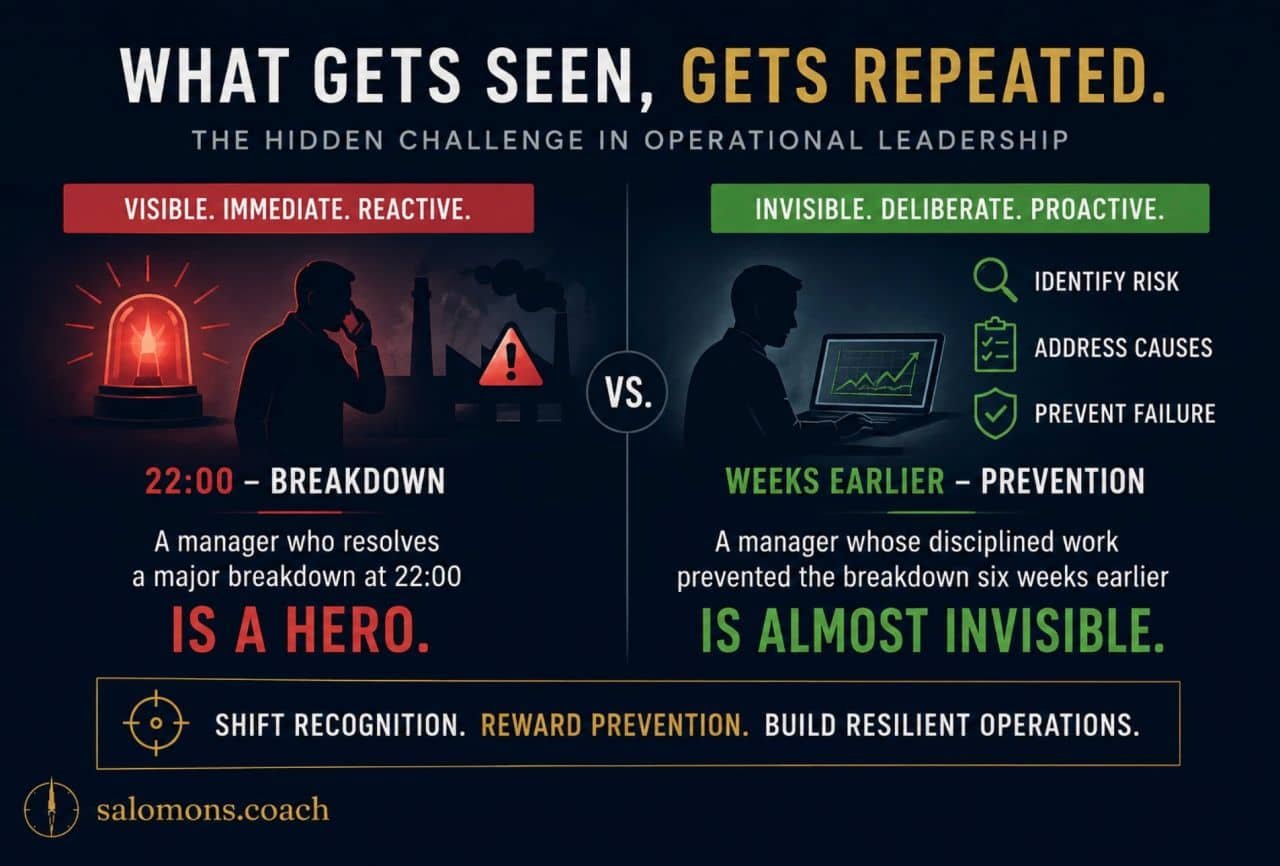
A manager who fixes a breakdown at 22:00 is a hero. The manager whose work prevented it six weeks earlier is almost invisible. Drawing on a coaching case with an Operations Director, this post shows what preventive leaders actually do, why organisations overlook them, and the routines a senior leader needs to put in place so prevention gets seen, rewarded and repeated.
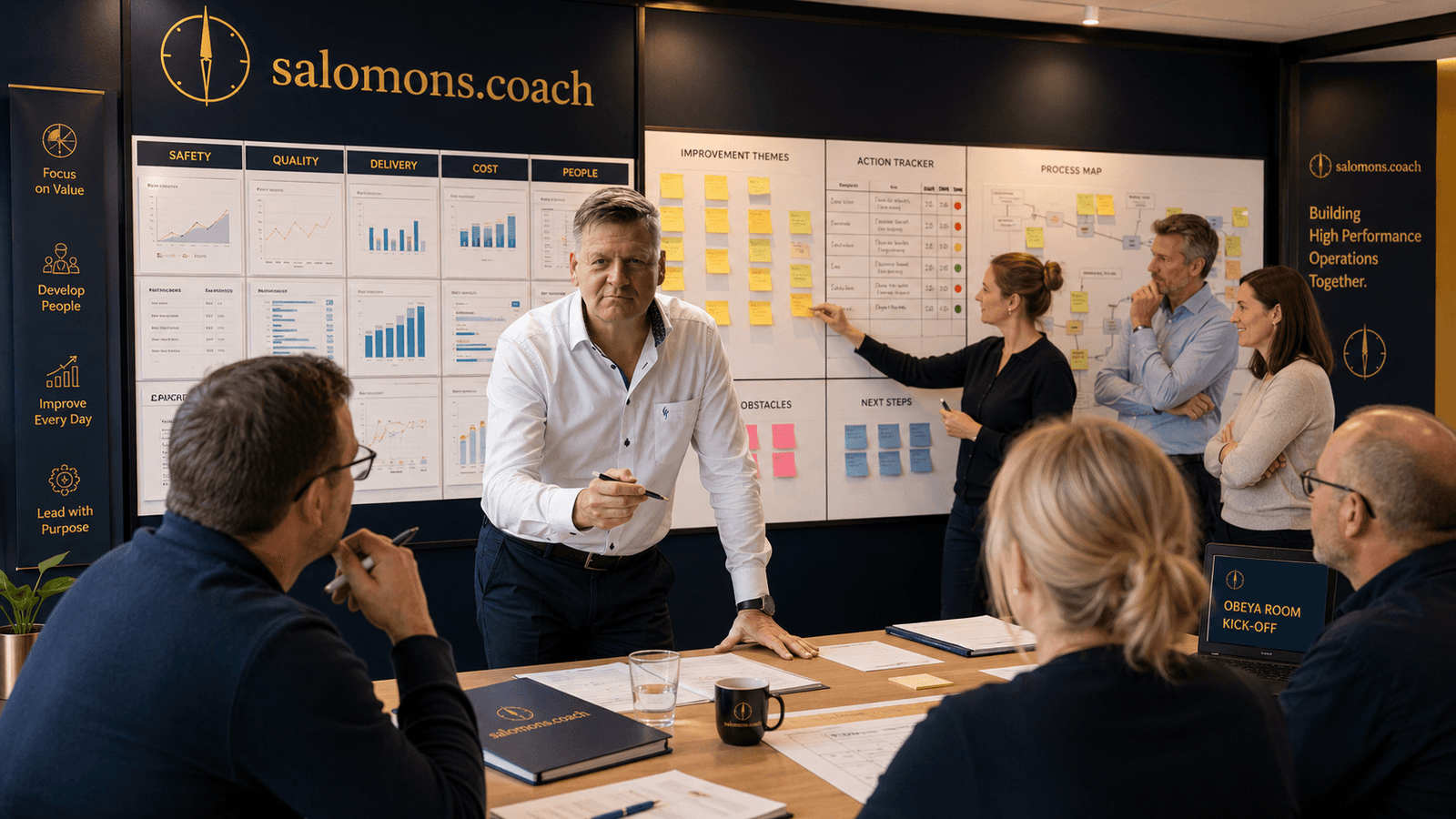
An effective Obeya room is more than a collection of dashboards and performance indicators. Discover how clear purpose, management routines, ownership and leadership discipline turn visual management into a system for better decisions and sustained improvement.
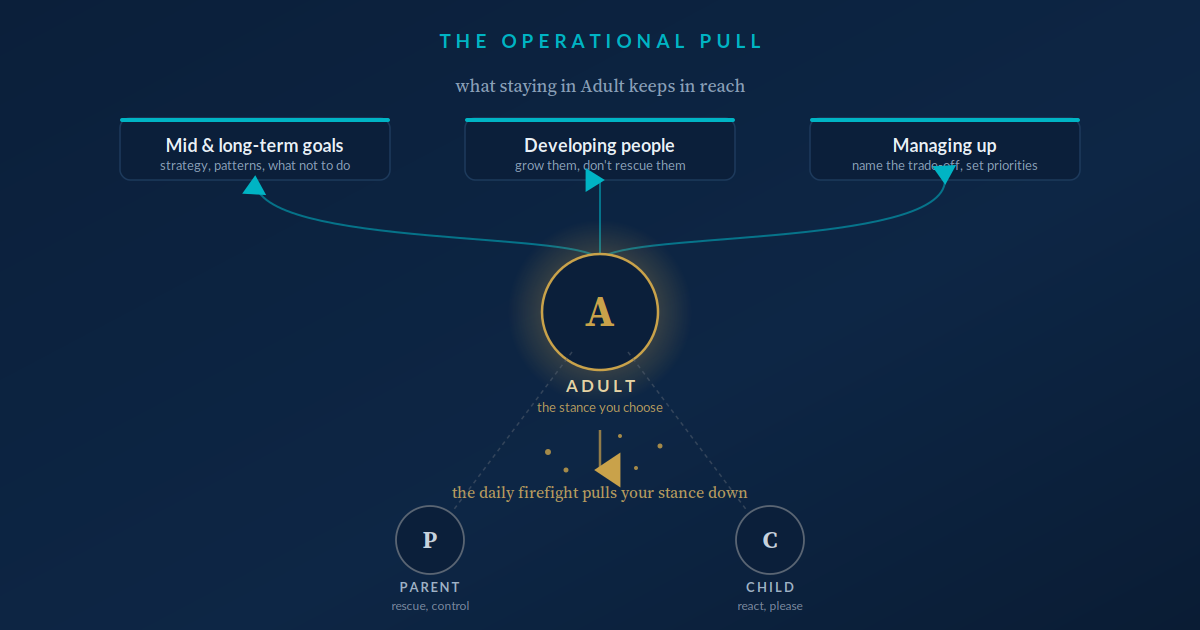
Every leader knows the day that vanishes into ad-hoc fires. The real cost isn't lost hours, it's a hijacked stance. A transactional analysis lens on staying strategic, developing people, and managing up when everything is urgent.
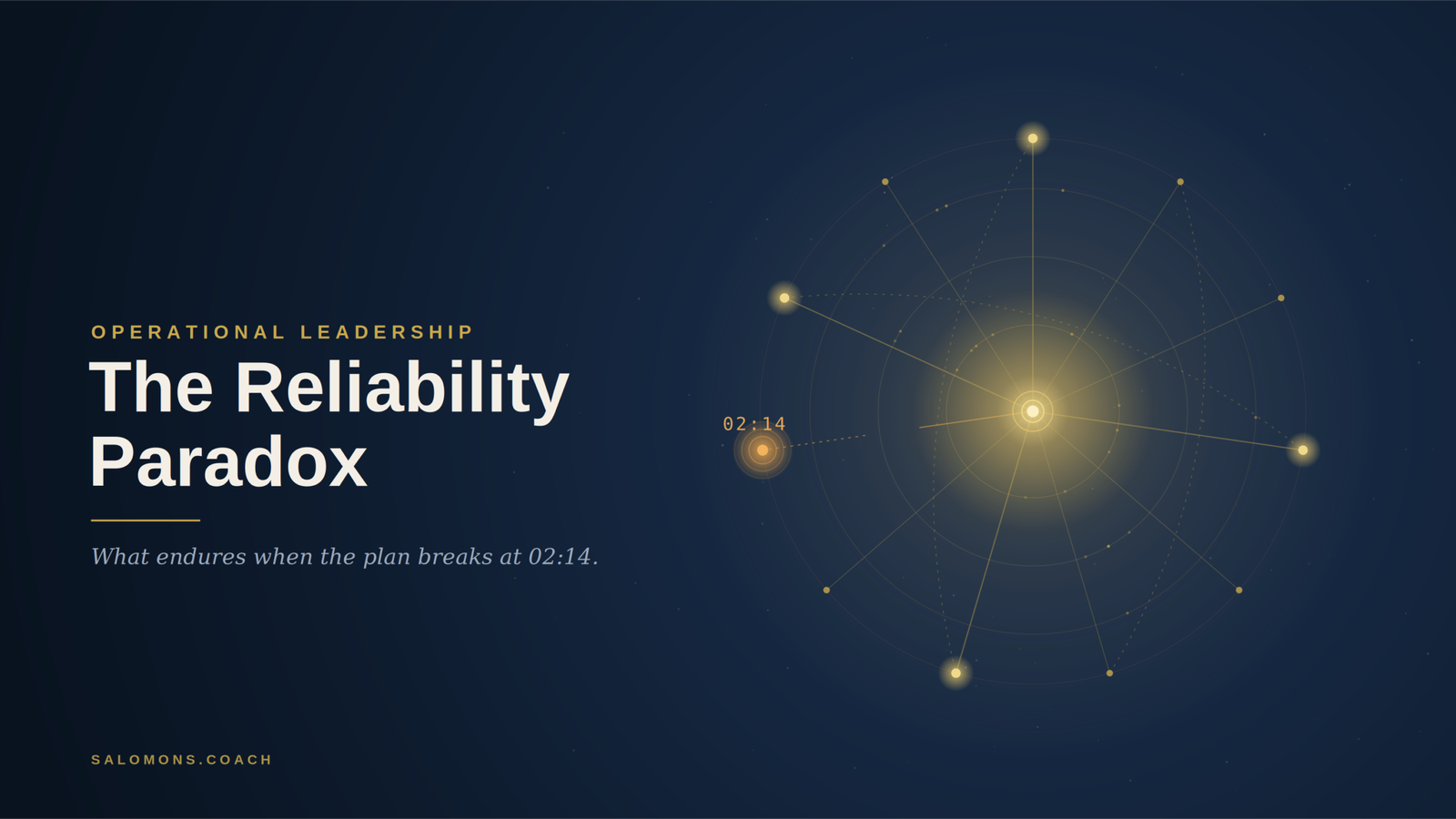
Efficiency makes an operation look strong. Reliability under the unexpected asks for almost the opposite. Karl Weick's five principles of high-reliability organizations — and what they looked like on a real hub floor.
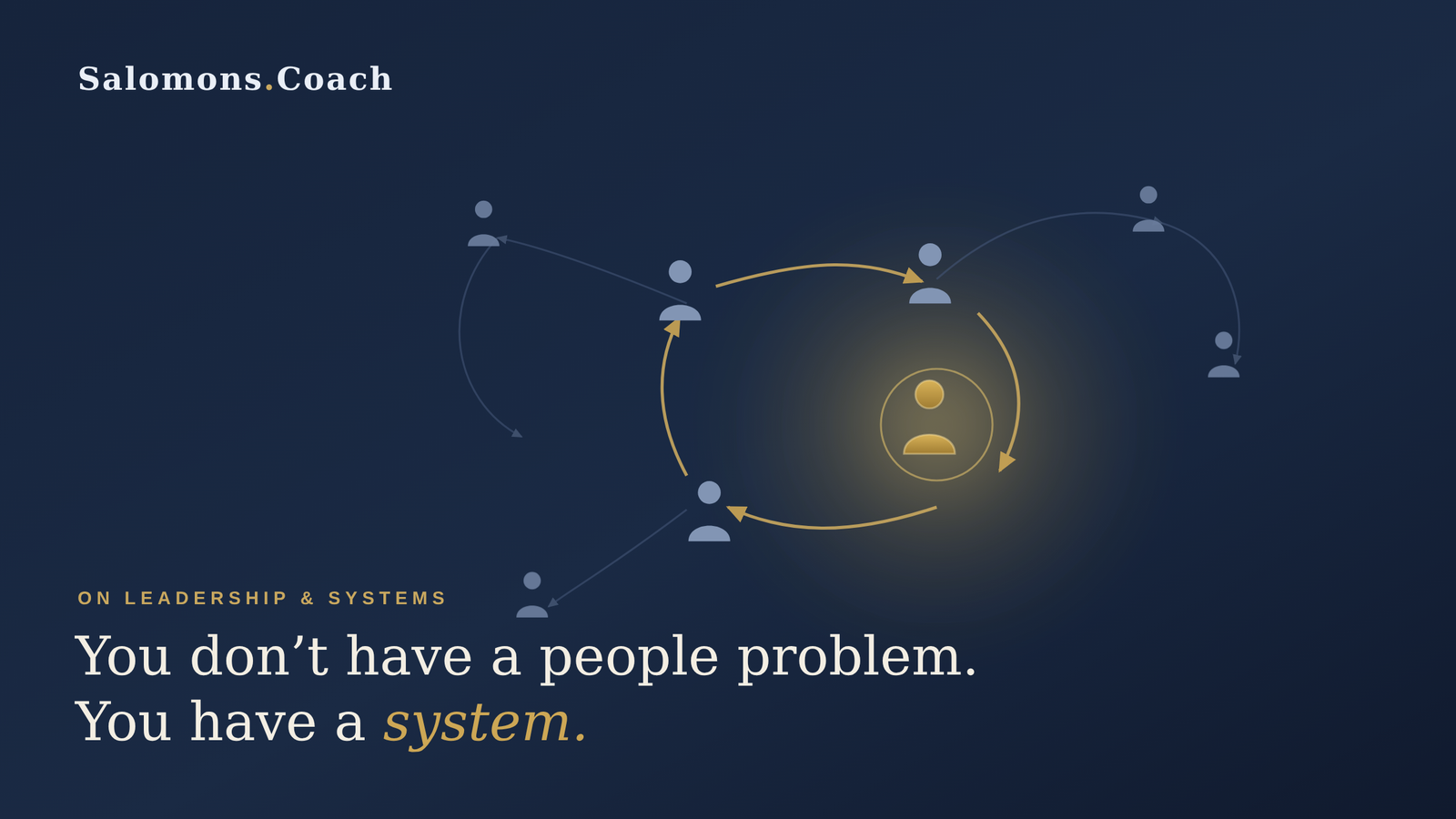
Your team won't take ownership. The same crisis keeps returning. You replaced the problem person and nothing changed. These aren't character flaws — they're the shape of the system you're standing inside. Drawing on three decades in the leadership chair, Jan Salomons on why so much competence produces so little change, and where the shift actually begins.
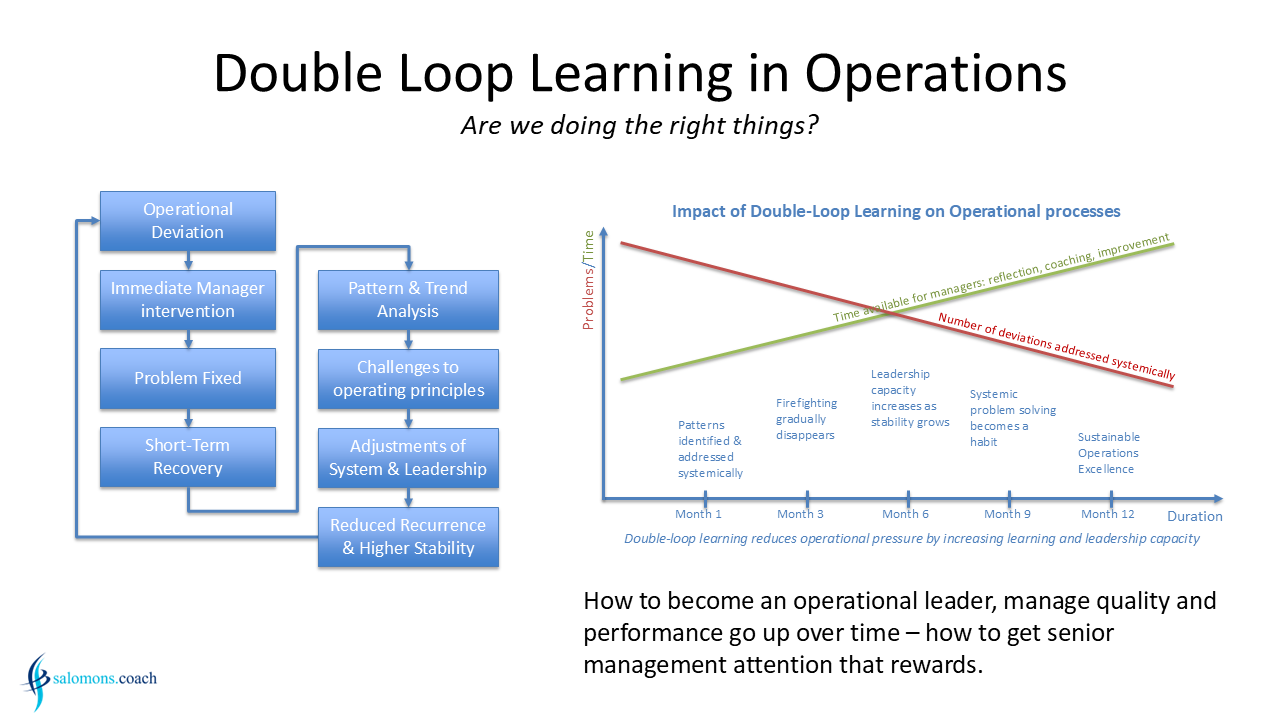
Firefighting is rational, but it traps organizations.
Under pressure, leaders act on what is visible and urgent, fixing problems to keep operations moving. Yet this behavior prevents learning, reinforces firefighting, and consumes leadership capacity. Sustainable performance requires shifting from solving today’s issues to redesigning the system that creates them.
Leadership is not revealed in intentions, values, or language. It is revealed in results.
In my work with leaders and teams, I always start with outcomes — and then work backwards to what leadership truly demands under pressure. Not to judge, but to understand which patterns, decisions, and behaviors are quietly shaping performance.
Results are never the problem. They are the mirror.
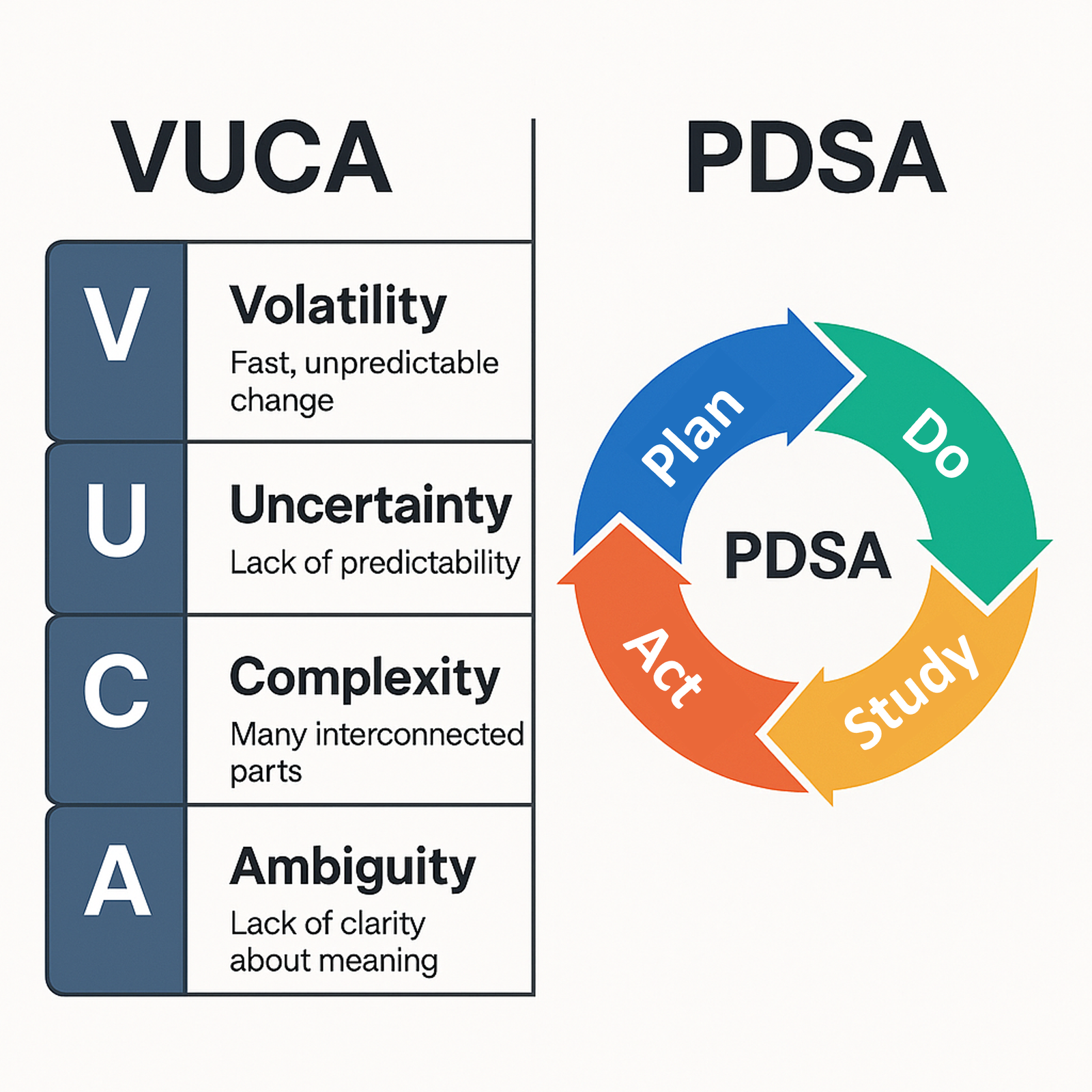
In a world defined by volatility, uncertainty, complexity, and ambiguity, leaders can no longer rely on fixed plans or past experience. VUCA describes the challenge — but PDSA provides a practical way to respond through fast learning cycles. My early years as a teacher, working with Kolb’s experiential learning model, taught me that people grow through experimentation, reflection, and adaptation. Decades later, the same learning loop has become essential for leaders: the ability to test, adjust, and learn faster than the environment changes.
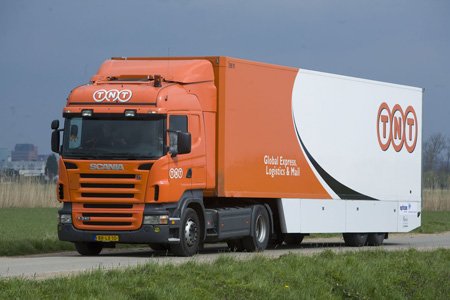
Between 2010 and 2013, I worked with TU Delft and PhD researcher Gandert van Raemsdonck on pioneering aerodynamic innovations for TNT’s European Road Network. As head of business, process, fleet, and environmental development, I joined a unique coalition of engineers, researchers, and industry partners exploring how airflow, drag, and turbulence could be reduced to make transport cleaner and more efficient. Our side-wings and rear-flow experiments were ahead of their time, and even featured on RTL Nieuws. It was an early lesson in how powerful innovation becomes when diverse minds join forces to shape the future of logistics.