Setbacks demand action. Reflection demands stillness. The first stage of the 4R™ Model asks you to do the harder thing — stay with what happened long enough to make sense of it. Why Reflect is the foundation every transformation is built on.
When four of your twelve team members may be made redundant — but nothing is official yet — leadership becomes something different. It becomes the art of holding people together in uncertainty. This post offers six practical principles for leading through the wait: with honesty, focus, differentiation, and the kind of steadiness that people will remember long after the decision is made.
How does one person actually change the world? Not through grand gestures, but through shifts in thinking and behavior that ripple outward. This article explores the science behind societal change, from evolutionary psychology to systems thinking. It shows how mental models shape behavior, how small choices scale into cultural shifts, and why institutions tend to follow rather than lead. For leaders, the implication is clear: real change starts with how individuals see their role in the system. When enough people act differently, culture moves—and with it, performance, policy, and outcomes.
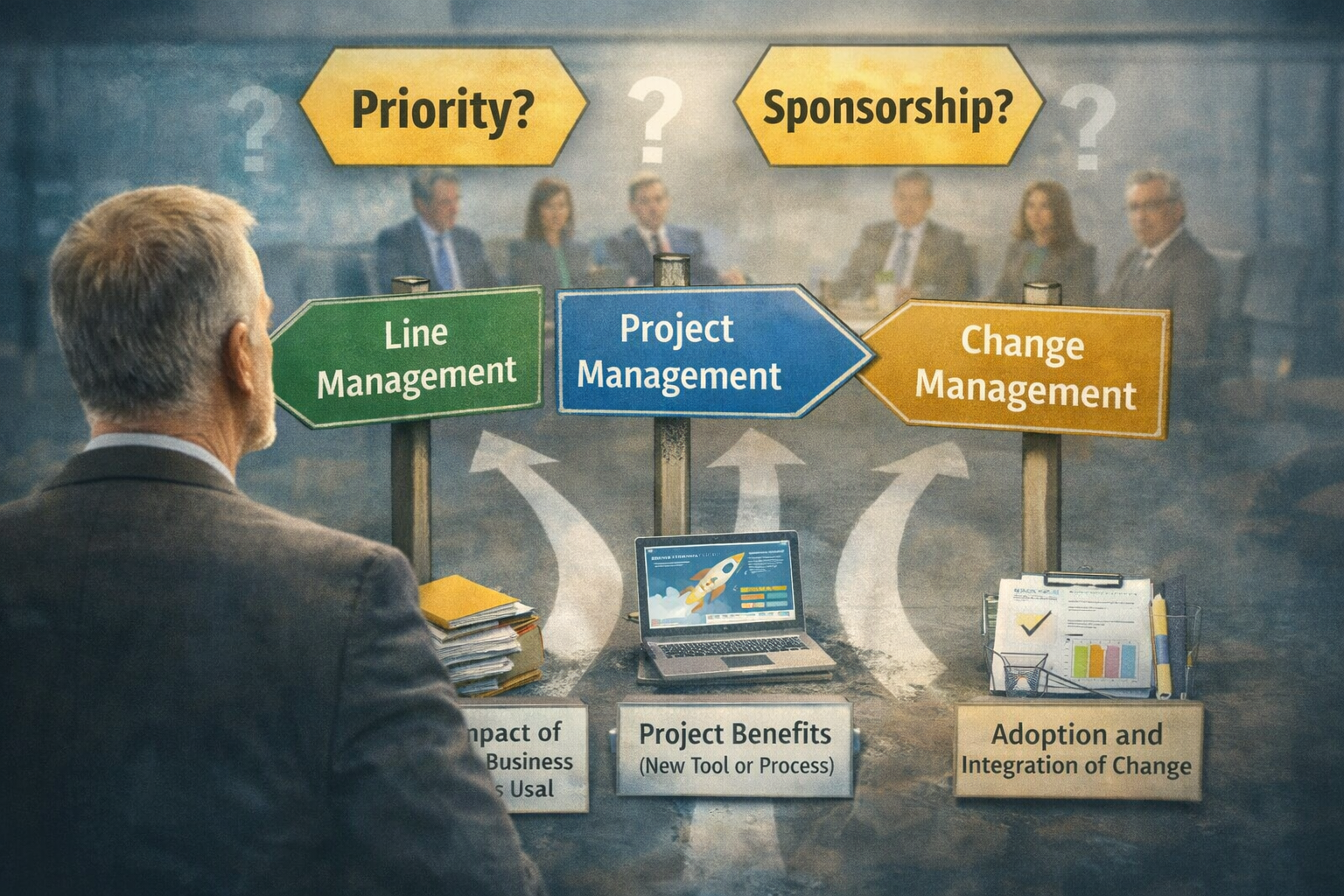
For decades, organizations have treated change as something line managers or project managers can “absorb” alongside their real work. When change doesn’t land, we blame execution or resistance. What we rarely question is the operating model behind that assumption. This blog explores why change fails when adoption is assumed—and what senior leaders must do to engineer it deliberately.
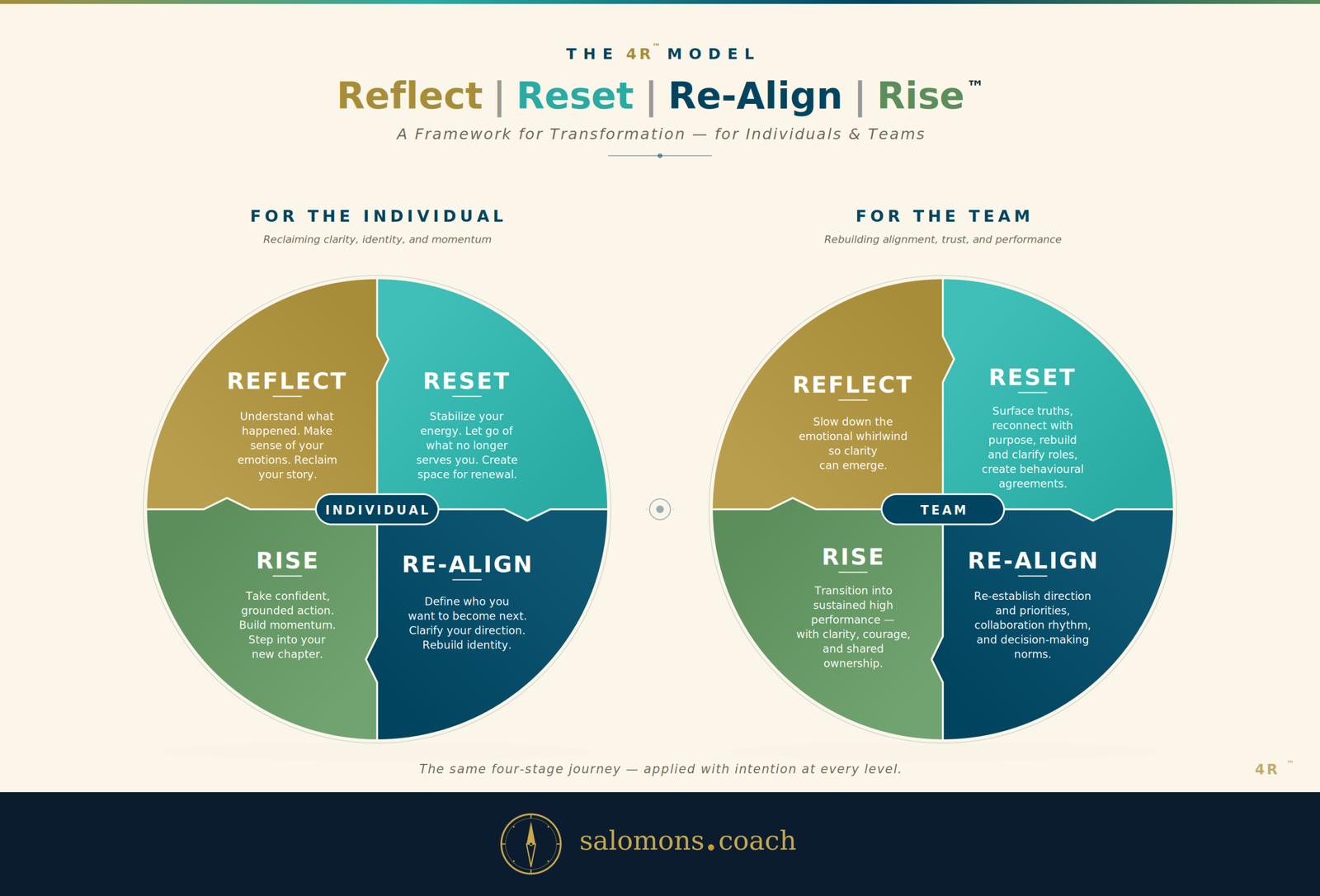
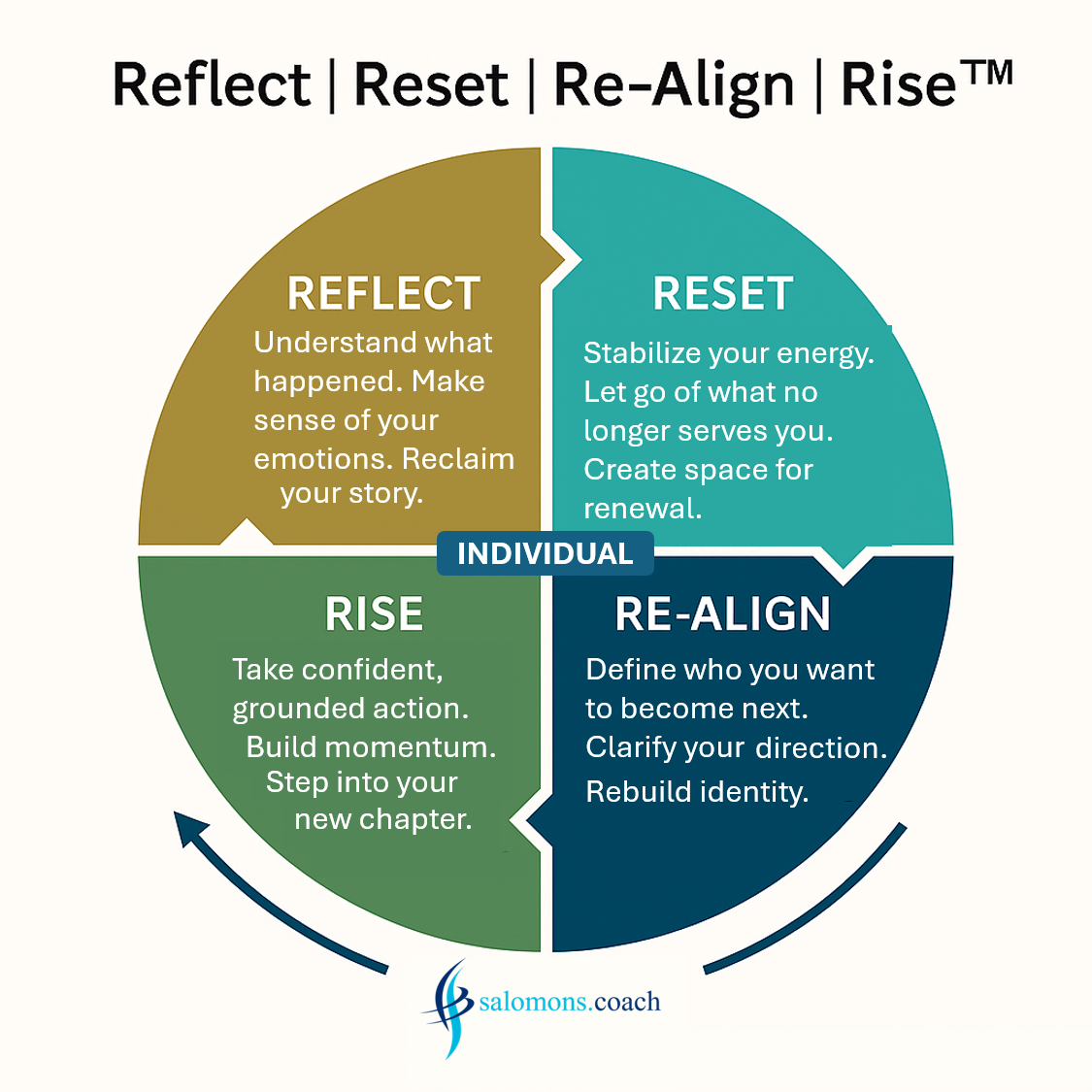
The 4R Model—Reflect, Reset, Re-Align, Rise™—emerged from more than 35 years of leading and coaching in complex, high-pressure environments, combined with solid foundations in transition theory, emotional intelligence, identity work, and psychological safety. Supported by globally respected research (including HBR), the model provides a clear, humane framework that helps people navigate redundancy, burnout, and major career shifts. Instead of treating change as a purely logistical process, 4R guides the deeper psychological journey: understanding what’s happening internally, letting go of old identities, rebuilding direction, and rising with confidence and sustainable momentum. It turns disruption into structured growth.
Change doesn’t fail because of poor plans — it fails because people haven’t made the psychological transition. In this article, Jan Salomons explores his formula for successful change, combining shared vision, urgency, leadership, learning, and capacity. Drawing on his decades of experience and his VUCA leadership approach, he explains how leaders can guide teams through endings, transitions, and new beginnings while maintaining trust and connection. Learn why managing change isn’t enough — leading transition is what truly drives sustainable transformation.
How Wolves Can Teach Us About Leadership and Change
Did you know that reintroducing wolves to Yellowstone National Park transformed not just the ecosystem but also the rivers themselves? This powerful example of systems thinking reveals how small, strategic changes can cascade through an interconnected system, creating profound and lasting impacts.
In leadership, the same principle applies. Addressing one key area—like improving communication or fostering collaboration—can ripple through a team or organization, unlocking potential and driving sustainable change.
Coaching helps leaders identify these leverage points, empowering them to think systemically and lead strategically. Just as the wolves revitalized Yellowstone, a well-guided leader can create positive transformations that benefit their entire organization.
Are you ready to lead change in a way that truly matters? Let’s explore how coaching can help you identify your leverage points and drive meaningful results. Contact me today to start...
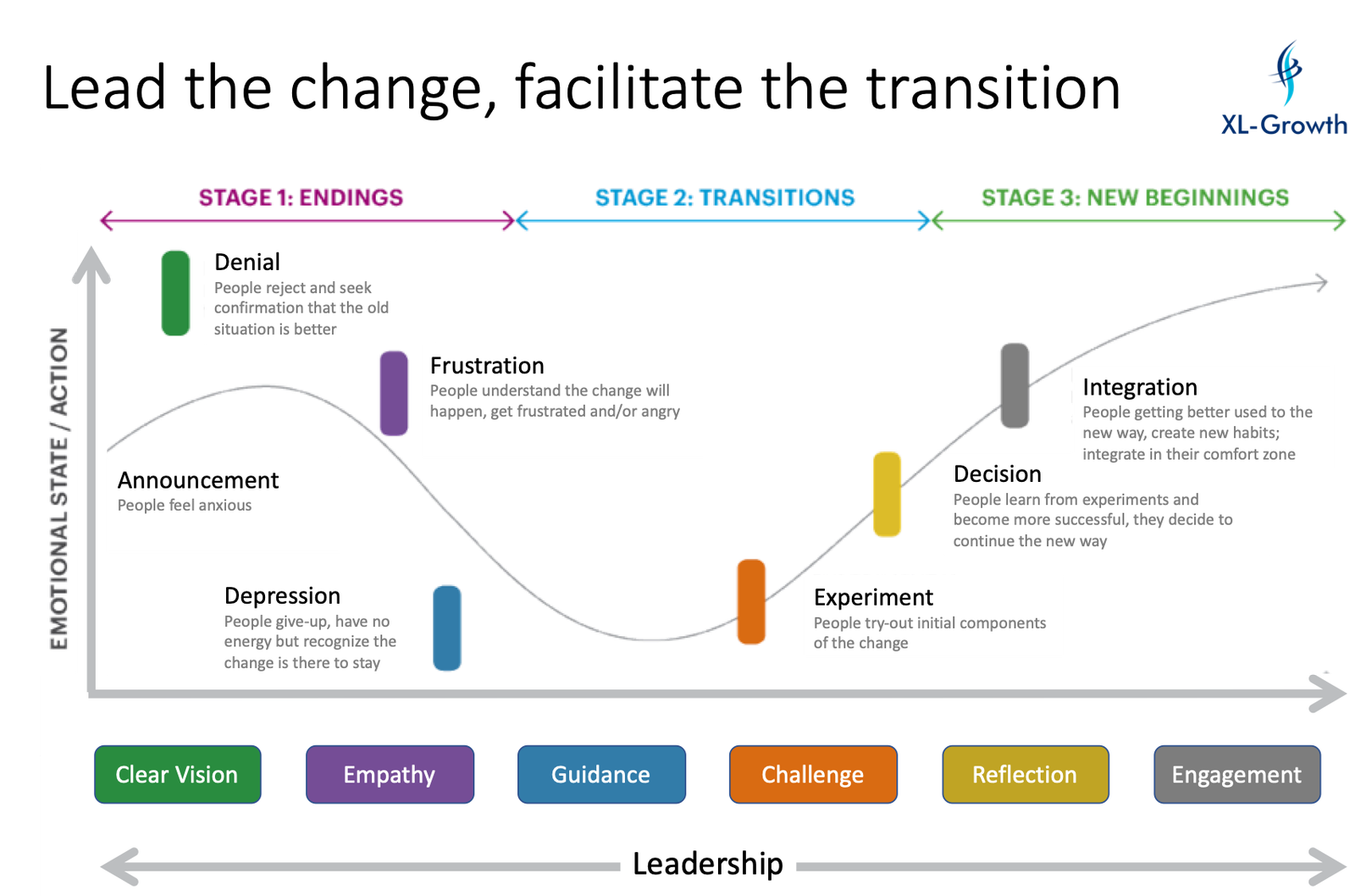
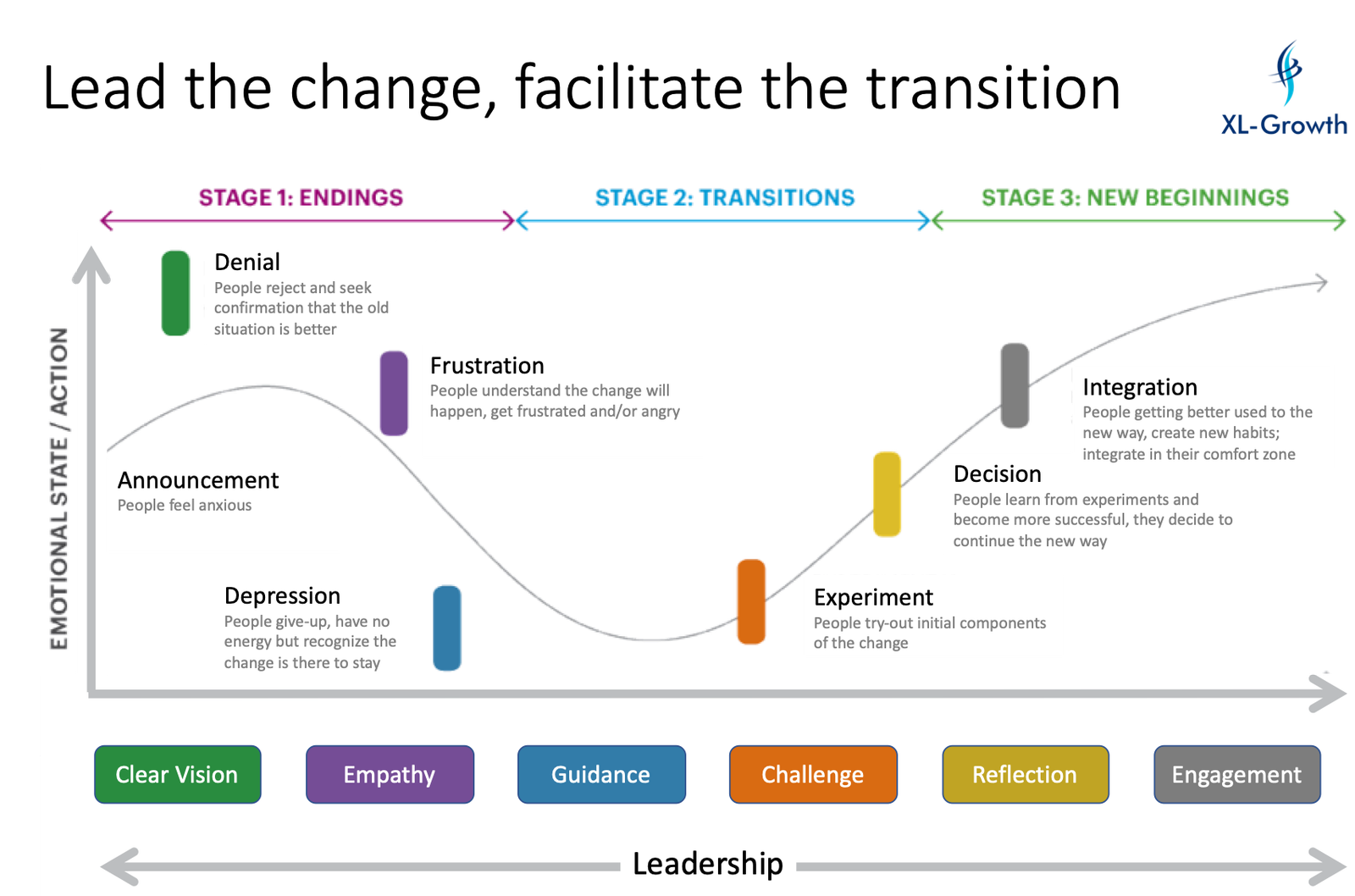
Leading change means facilitating transition. Learn how to meet people where they are, and how they can meet you where you are as leader. Combining existing models for change to one unique model. Proven in practice.
Undertaking the fundamental shift from a traditional organization designed for the industrial economy to an agile model designed for today’s digital economy. A new form of organization that enables innovation, collaboration, and value creation at incredible speed, scale, and impact.
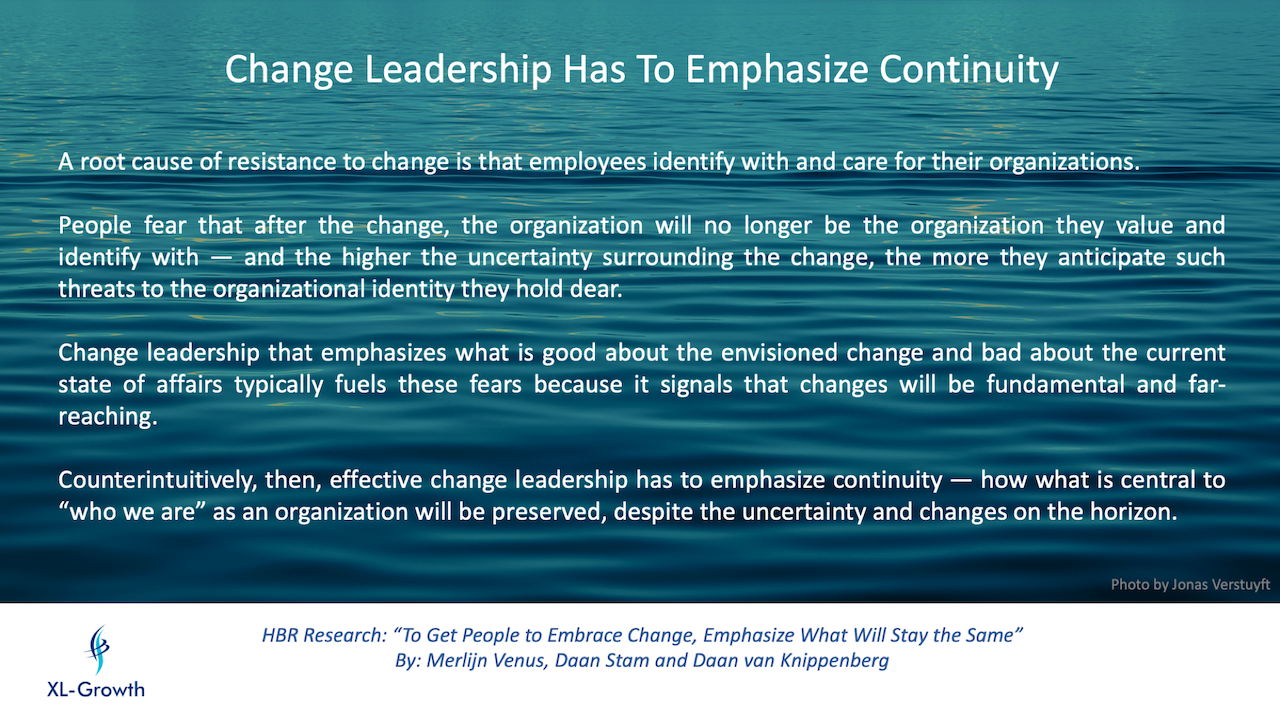
Change leadership is about understanding culture, so it’s really about understanding people and how they work together. Focusing on the change only is ignoring what people come to work for every day, what makes them stay in the organisation and