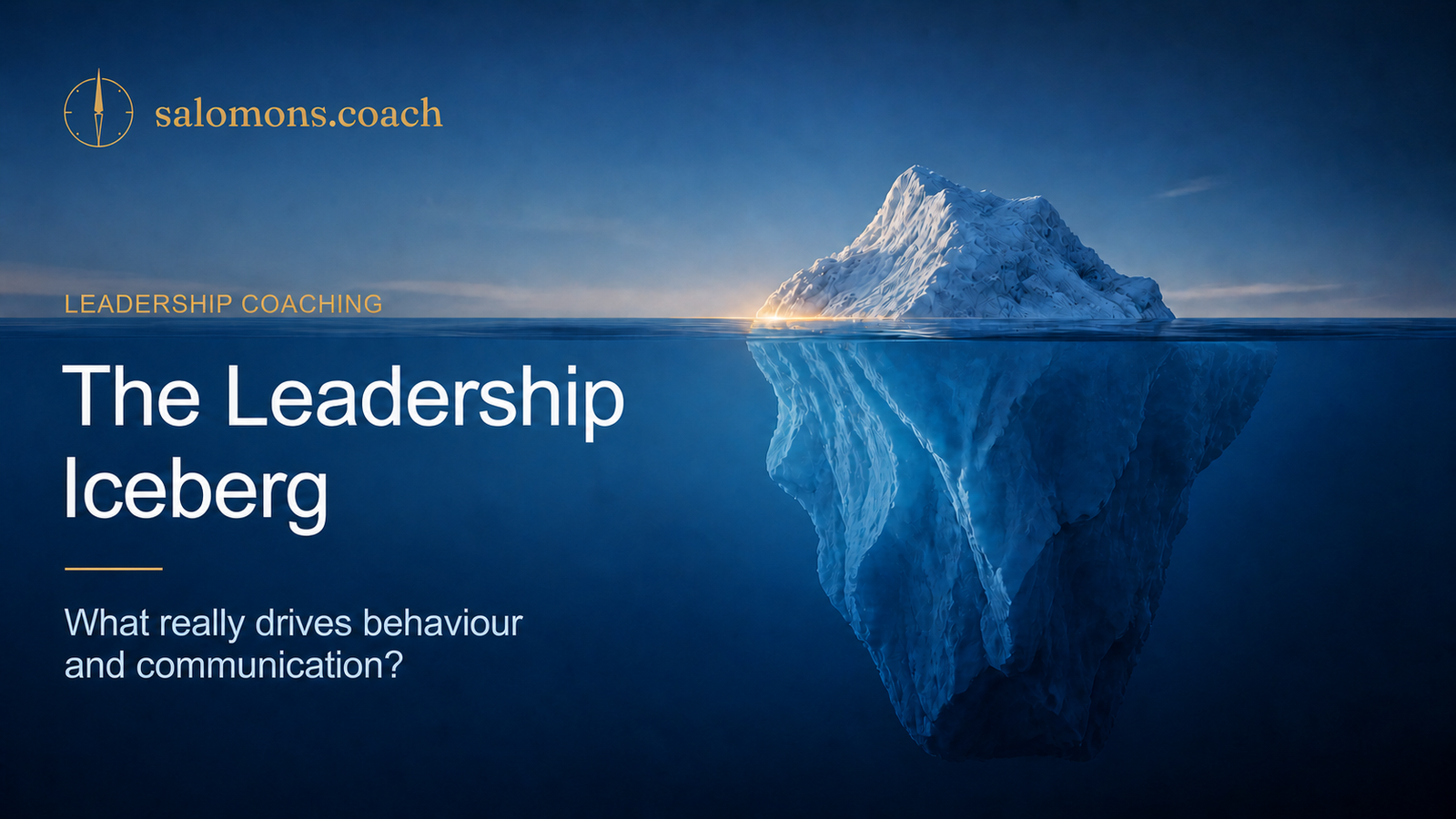
What leaders say and do is only the visible tip of the iceberg. This post explores the assumptions, emotions, values and beliefs beneath leadership behavior, and how coaching helps leaders turn deeper awareness into deliberate communication and lasting change.
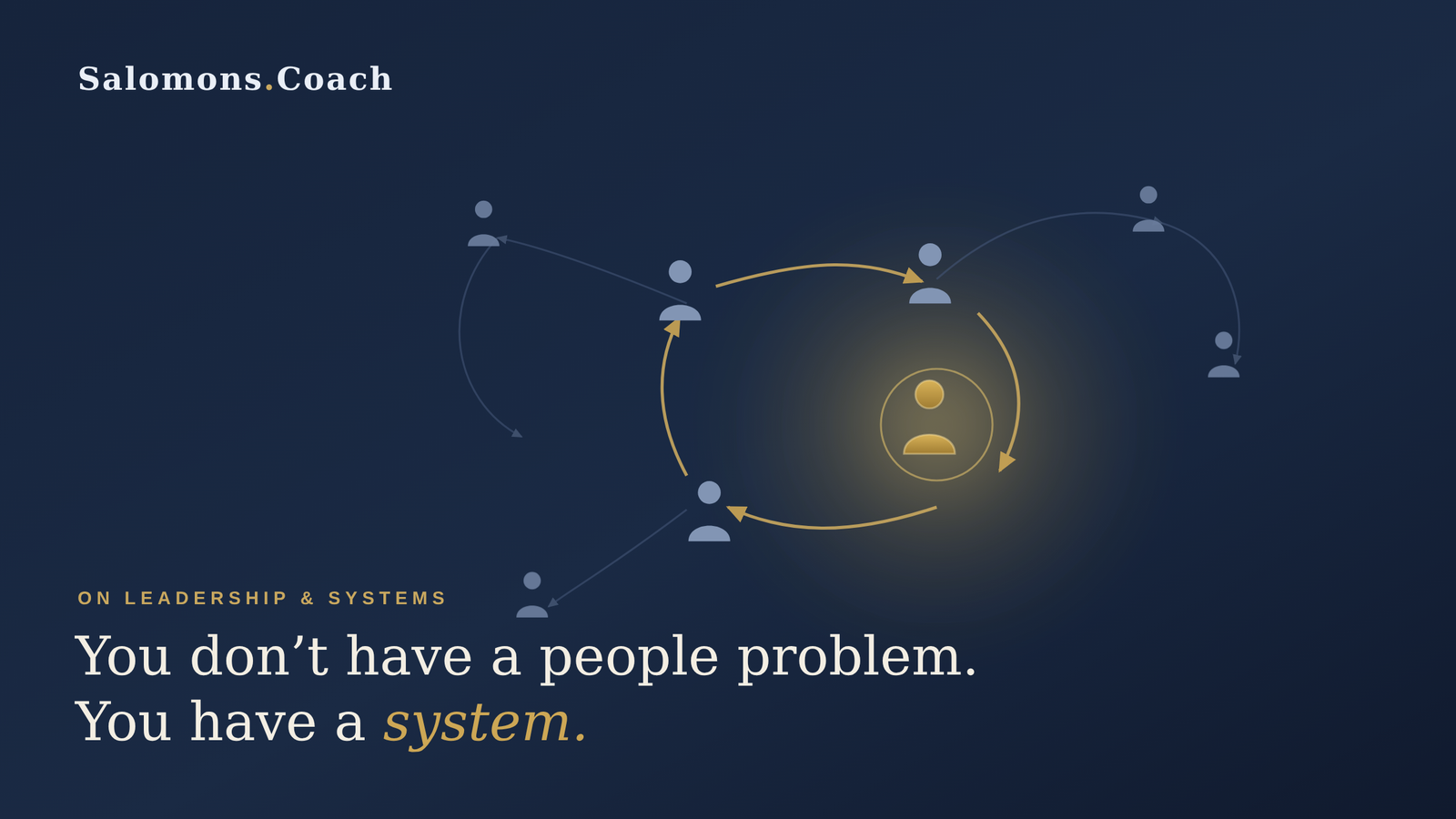
Your team won't take ownership. The same crisis keeps returning. You replaced the problem person and nothing changed. These aren't character flaws — they're the shape of the system you're standing inside. Drawing on three decades in the leadership chair, Jan Salomons on why so much competence produces so little change, and where the shift actually begins.
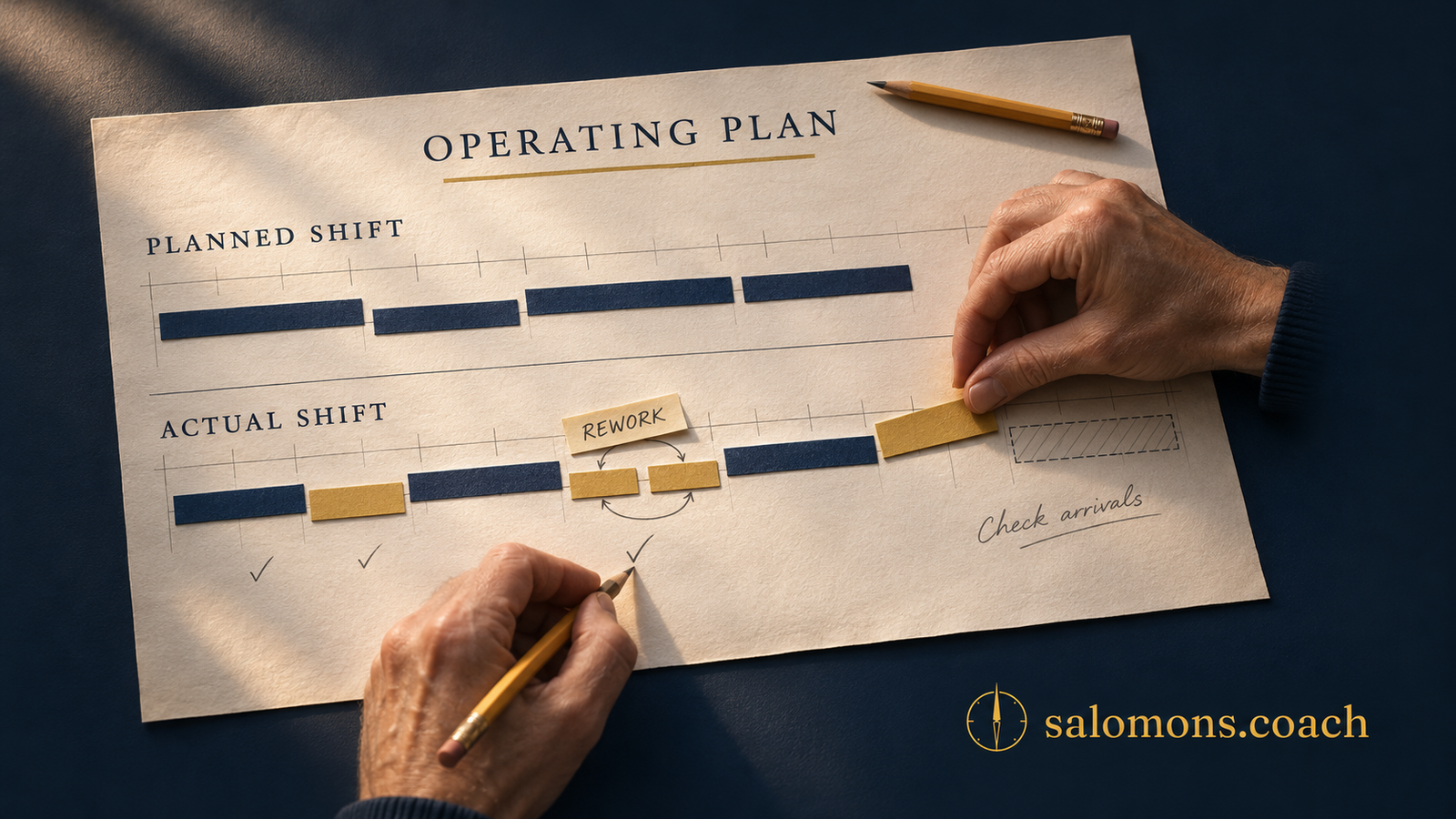
Leadership is not revealed in intentions, values, or language. It is revealed in results.
In my work with leaders and teams, I always start with outcomes — and then work backwards to what leadership truly demands under pressure. Not to judge, but to understand which patterns, decisions, and behaviors are quietly shaping performance.
Results are never the problem. They are the mirror.
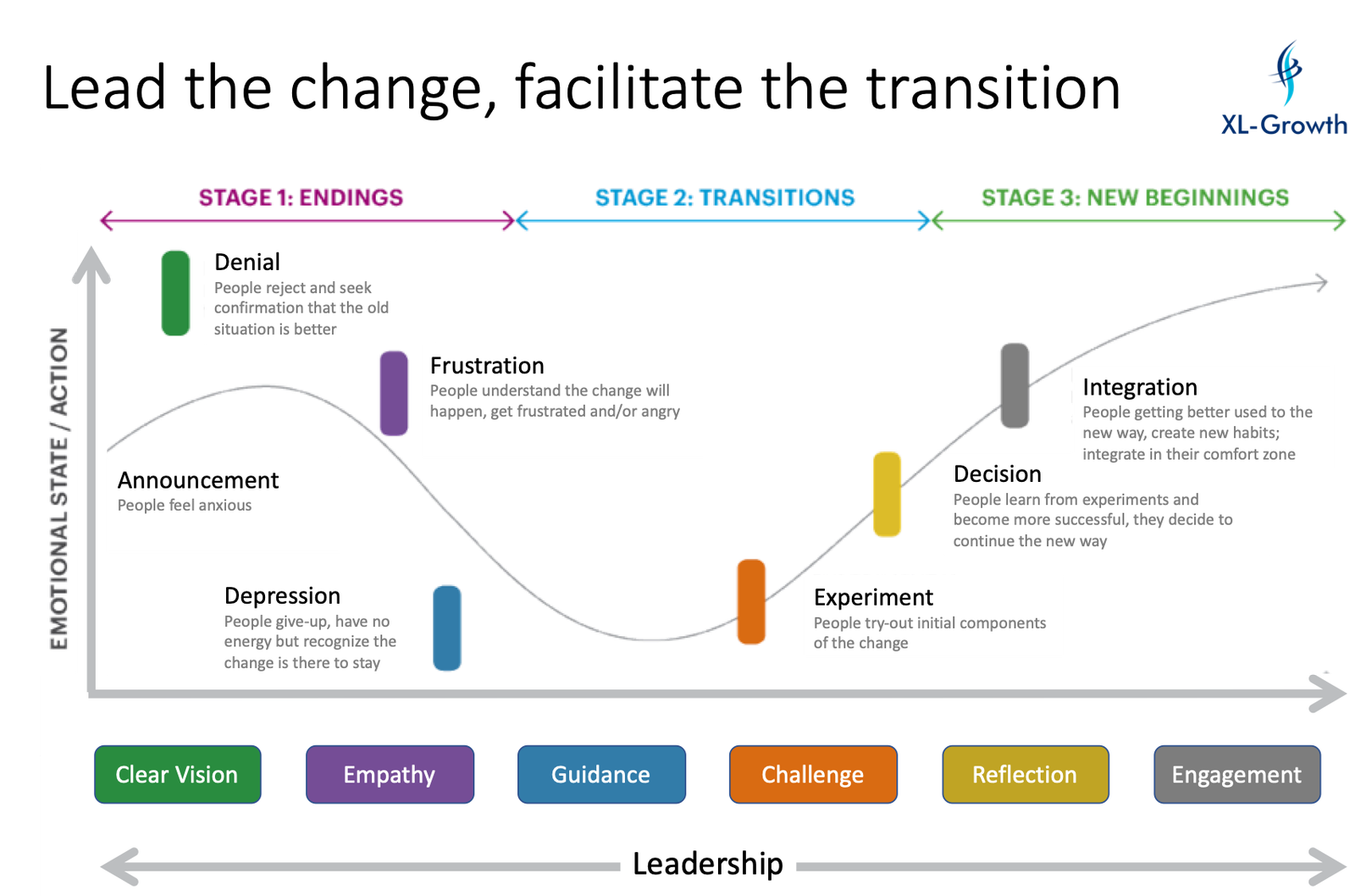
Change doesn’t fail because of poor plans — it fails because people haven’t made the psychological transition. In this article, Jan Salomons explores his formula for successful change, combining shared vision, urgency, leadership, learning, and capacity. Drawing on his decades of experience and his VUCA leadership approach, he explains how leaders can guide teams through endings, transitions, and new beginnings while maintaining trust and connection. Learn why managing change isn’t enough — leading transition is what truly drives sustainable transformation.
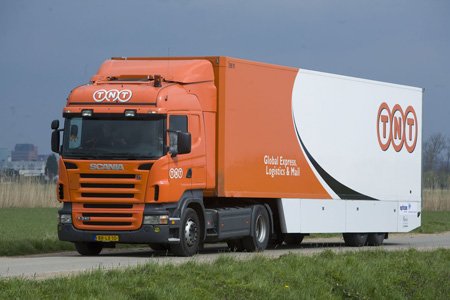
Between 2010 and 2013, I worked with TU Delft and PhD researcher Gandert van Raemsdonck on pioneering aerodynamic innovations for TNT’s European Road Network. As head of business, process, fleet, and environmental development, I joined a unique coalition of engineers, researchers, and industry partners exploring how airflow, drag, and turbulence could be reduced to make transport cleaner and more efficient. Our side-wings and rear-flow experiments were ahead of their time, and even featured on RTL Nieuws. It was an early lesson in how powerful innovation becomes when diverse minds join forces to shape the future of logistics.
How Wolves Can Teach Us About Leadership and Change
Did you know that reintroducing wolves to Yellowstone National Park transformed not just the ecosystem but also the rivers themselves? This powerful example of systems thinking reveals how small, strategic changes can cascade through an interconnected system, creating profound and lasting impacts.
In leadership, the same principle applies. Addressing one key area—like improving communication or fostering collaboration—can ripple through a team or organization, unlocking potential and driving sustainable change.
Coaching helps leaders identify these leverage points, empowering them to think systemically and lead strategically. Just as the wolves revitalized Yellowstone, a well-guided leader can create positive transformations that benefit their entire organization.
Are you ready to lead change in a way that truly matters? Let’s explore how coaching can help you identify your leverage points and drive meaningful results. Contact me today to start...
Thinking about change a lot? Or maybe about how to deal with change? My big question is how we can create lasting change. Did you ever wonder how the human body is dealing with all the changes in its environment