Cameras On or Off?
New research from Harvard, MIT, and Stanford reveals that virtual presence affects our energy, focus, and connection in complex ways. Cameras on foster trust, empathy, and visibility — ideal for one-on-one coaching and emotionally rich conversations. Cameras off reduce fatigue and sharpen deep listening, especially in large meetings where constant visibility causes cognitive overload. The key is not choosing one or the other, but using both intentionally. Co-create norms, use short “camera-off” reflection moments, and turn off self-view to protect attention and well-being. Presence isn’t about being seen — it’s about being fully engaged.
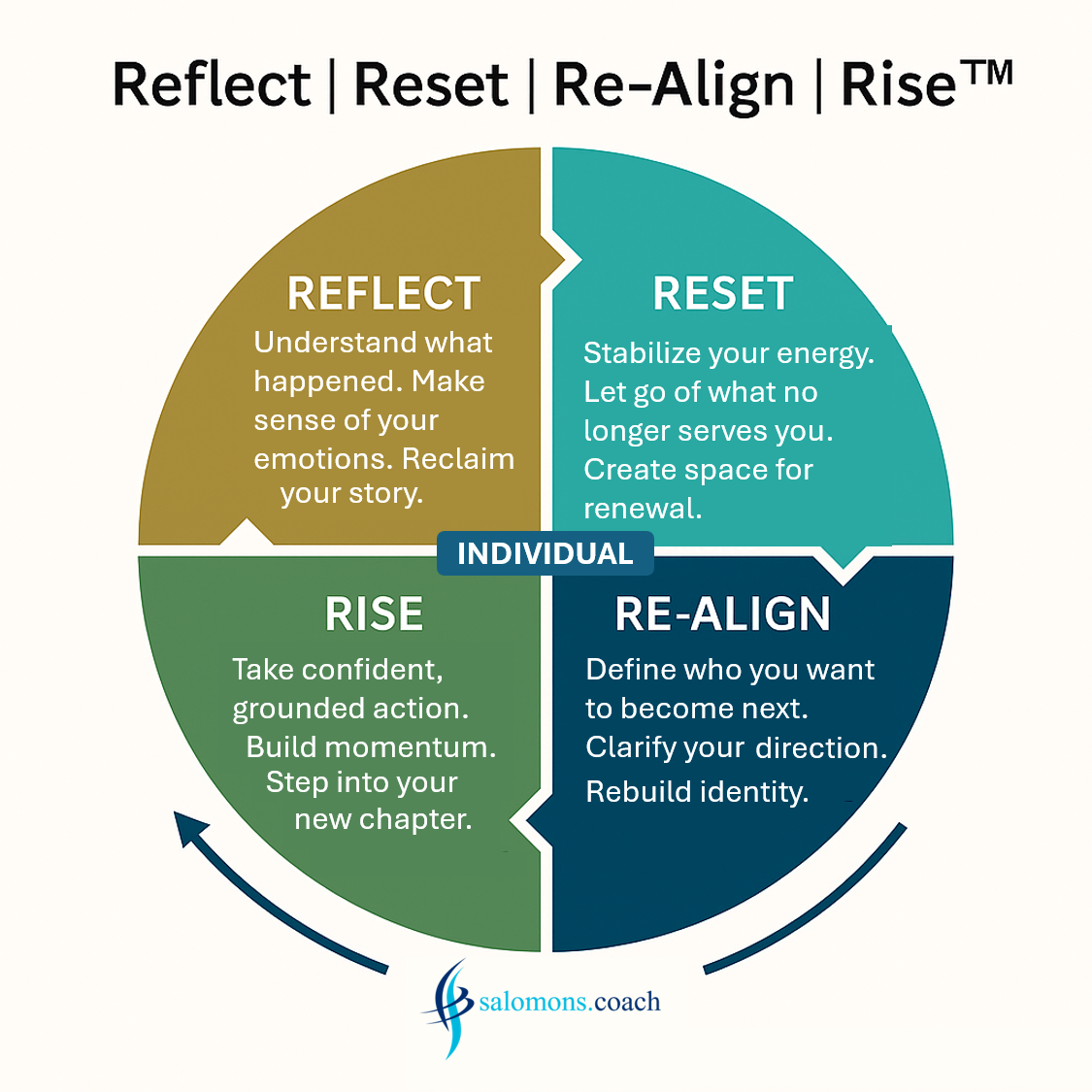
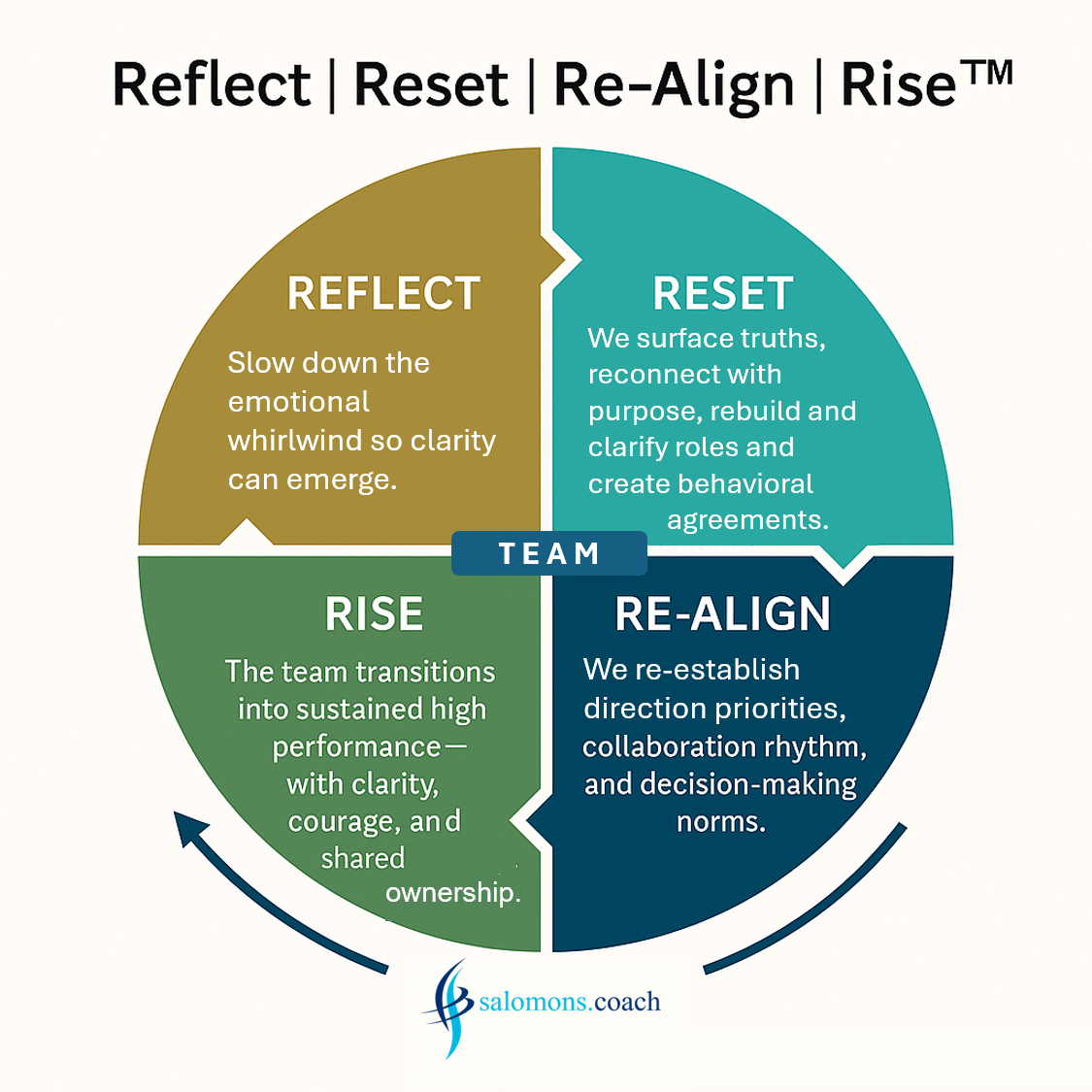
High-performing teams don’t emerge by accident — they are built through a deliberate sequence of reflection, reset, alignment, and growth. My Reset → Align → Rise framework guides leaders and teams through this journey. We begin by exploring energy, values, and alignment, before surfacing truths and rebuilding the foundations of trust, safety, and purpose. From there, we clarify priorities, roles, collaboration rhythms, and decision-making norms. Finally, the team rises into sustained high performance, powered by clarity, courage, and shared ownership. This is how teams transform drift into direction — and pressure into performance.
Recently, Annette Magnusson, HR Director at Citymail Sweden, shared an inspiring reflection on LinkedIn about age and experience. Her words resonated with me, because they touch on a theme that often remains overlooked in organizations: the power of experience in
The COVID years gave us flexibility — and many teams kept it. Yet what began as empowerment slowly turned into routine. Offices stay quiet midweek, but results don’t automatically follow. The issue isn’t hybrid work itself; it’s the gradual loss of ownership for outcomes. In this blog, Jan Salomons explores how leaders can rebuild clarity, accountability, and rhythm without dictating hours or presence. Using his iterative Way of Working — assignment > diagnostics > co-creation delivery evaluation > hyper care > handover > on-demand support — he shows how organizations can improve productivity, quality, and engagement by focusing on results, not routines.
In today’s fast-changing workplace, leaders and teams benefit from regularly reflecting on whether their current environment still supports their energy, growth, and purpose. Using a structured reflection questionnaire, I help leaders gain clarity on what strengthens or drains them — and whether they should stay, adjust, or move on. The same process transforms teams by uncovering hidden dynamics, restoring passion, and realigning people with the mission and vision. This reflective approach boosts engagement, performance, and retention, while preventing silent resignation long before it starts. Reflection isn’t a sign of doubt — it’s a sign of leadership.
In today’s fast-paced world, work easily takes center stage in our identity. Inspired by Simone Stolzoff’s “How to Reclaim Your Life from Work,” this reflection exercise helps you rebalance what truly matters. The Circle of You invites you to visualize how your time and energy are divided — and what your ideal balance would look like. By comparing the two, you’ll see where small, meaningful shifts can begin. Your job should support your life, not define it. This exercise helps leaders and professionals take the first practical step toward balance, well-being, and authentic leadership.
Leadership isn’t about power, it’s about influence. Discover what *You’re the Boss* by Sabina Nawaz teaches leaders about clarity, feedback, and trust – including a real-life case from the boardroom.
Culture change is often misunderstood as mere slogans or posters, but true transformation begins with leadership behavior and systemic redesign. At TransLog, a European logistics organization, leaders discovered that their performance issues stemmed not from broken processes, but from a flawed behavioral system. By mapping leadership routines and co-creating a new behavior system, they shifted from siloed thinking to collaborative action. The results? Improved performance metrics and a culture that became integral to operations. Explore how intentional choices and structural changes can redefine your organization’s future and make culture a powerful business enabler.
Ask “What’s the ROI of coaching?” and you’ll get metrics: performance KPIs, engagement scores, 360-feedback. Useful — yet incomplete. What often remains unseen is the inner transformation: increased self-awareness, emotional regulation, and deliberate leadership behavior. Real-world stories — a leader choosing to listen rather than control; a team feeling more trusted — reveal the essence of lasting change. This blend of data and narrative gives the truest picture of progress. Discover how embracing nuance, investing in reflection, and using stories can elevate your organization’s coaching journey from mere intervention to profound transformation. Curious how to start your own development journal?
Between 2010 and 2013, I worked with TU Delft and PhD researcher Gandert van Raemsdonck on pioneering aerodynamic innovations for TNT’s European Road Network. As head of business, process, fleet, and environmental development, I joined a unique coalition of engineers, researchers, and industry partners exploring how airflow, drag, and turbulence could be reduced to make transport cleaner and more efficient. Our side-wings and rear-flow experiments were ahead of their time, and even featured on RTL Nieuws. It was an early lesson in how powerful innovation becomes when diverse minds join forces to shape the future of logistics.