It’s not mindset. Not your CV. Not networking. It’s time.
We talk about layoffs as if they are linear: job ends > new job starts.
But real life doesn’t work that way.
What determines whether someone recovers well or gets stuck is the amount of time they have to move through the inner journey: Reflect > Reset > Re-Align > Rise™

Most executive teams don’t fail because of strategy — they fail because of what they avoid. These 10 provoking questions cut through noise, expose blind spots, and accelerate real transformation. They challenge leaders to face the hard truths about their behavior, decisions, and impact. If you want to grow as a leader, start by answering these questions honestly.
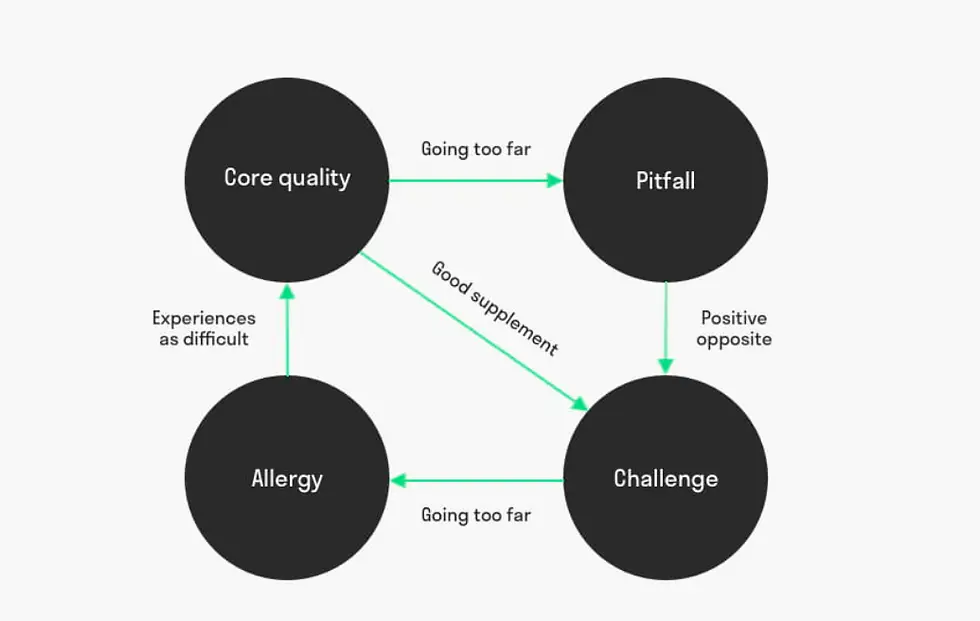
The Core Quadrants by Daniel Ofman are an effective tool for team building, helping teams understand individual dynamics and how to collaborate better. By identifying core qualities, pitfalls, challenges, and allergies, teams gain insights into strengths and areas for growth. For example, one team member’s creativity (core quality) may lead to chaos (pitfall), while another’s structure (core quality) could result in rigidity (pitfall). By discussing complementarities and irritations (allergies), teams learn to value differences and work cohesively. Regular reflection and integration of core quadrants into daily collaboration foster a culture of feedback, problem-solving, and celebrating contributions, strengthening overall team performance.
Discover the true essence of Ikigai—far beyond the popular Venn diagram. Rooted in Japanese culture, Ikigai is about finding joy and purpose in the small, meaningful moments of everyday life. Learn how this concept has been misunderstood and how embracing its authentic meaning can lead to a more fulfilling existence.
Lara Boyd’s TEDx talk reveals one of the most empowering discoveries in neuroscience: you are constantly shaping your brain. Through your behavior, habits, and even your mistakes, your brain rewires itself. This phenomenon is called neuroplasticity—and it means that change is always possible.
High-performing teams don’t emerge by accident — they are built through a deliberate sequence of reflection, reset, alignment, and growth. My Reset → Align → Rise framework guides leaders and teams through this journey. We begin by exploring energy, values, and alignment, before surfacing truths and rebuilding the foundations of trust, safety, and purpose. From there, we clarify priorities, roles, collaboration rhythms, and decision-making norms. Finally, the team rises into sustained high performance, powered by clarity, courage, and shared ownership. This is how teams transform drift into direction — and pressure into performance.
Recently, Annette Magnusson, HR Director at Citymail Sweden, shared an inspiring reflection on LinkedIn about age and experience. Her words resonated with me, because they touch on a theme that often remains overlooked in organizations: the power of experience in
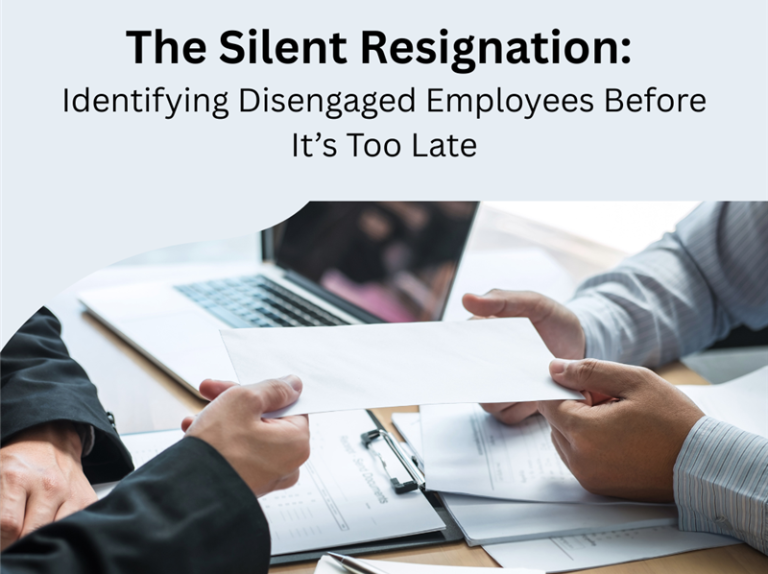
In today’s fast-changing workplace, leaders and teams benefit from regularly reflecting on whether their current environment still supports their energy, growth, and purpose. Using a structured reflection questionnaire, I help leaders gain clarity on what strengthens or drains them — and whether they should stay, adjust, or move on. The same process transforms teams by uncovering hidden dynamics, restoring passion, and realigning people with the mission and vision. This reflective approach boosts engagement, performance, and retention, while preventing silent resignation long before it starts. Reflection isn’t a sign of doubt — it’s a sign of leadership.
I still remember the moment I lost my cool. The frustration had been building for days, and during a routine meeting with one of my subordinates, I snapped. My words were sharp, my tone unkind, and the look on their face—shock and hurt—was a painful reminder that I’d crossed a line.
As leaders, we often pride ourselves on staying composed, but we’re human, too. That day, I learned the hard way that managing others starts with managing yourself. Emotional outbursts can damage trust and relationships, but they can also be a wake-up call for growth.
If you’ve faced similar challenges, it’s time to take charge of your emotions and lead with resilience. Let me guide you. Explore my coaching services or...
What’s in your leadership “shopping cart”? The narratives we tell ourselves shape our identity, decisions, and effectiveness as leaders. This post explores the "Shopping Cart Theory" as a metaphor for self-reflection, highlighting how minor actions reveal deeper leadership qualities. By examining what you carry—accomplishments, fears, or values—you can reshape your story to unlock growth, authenticity, and resilience. Discover how small, conscious choices and a guided coaching process can transform your leadership journey.