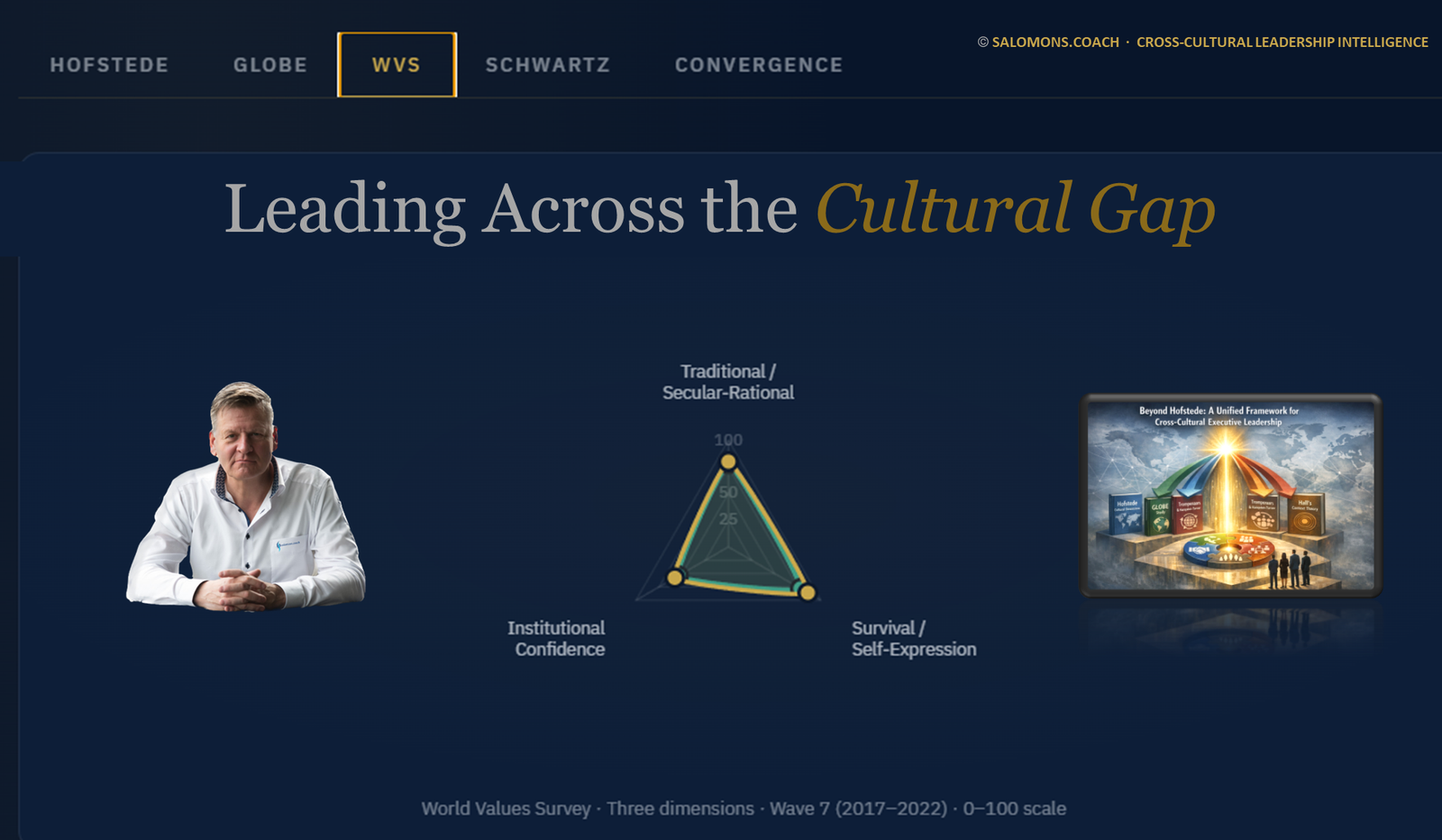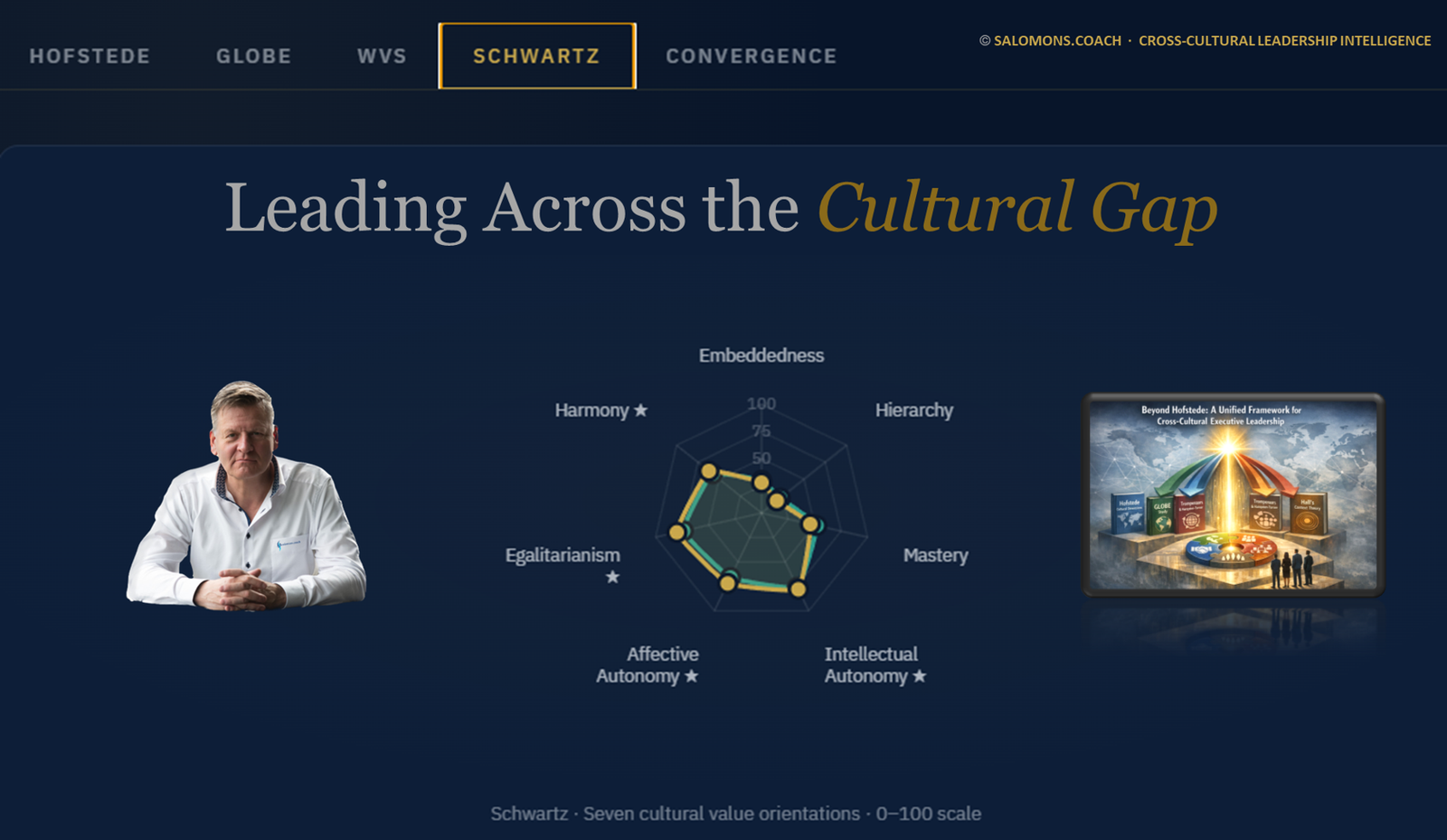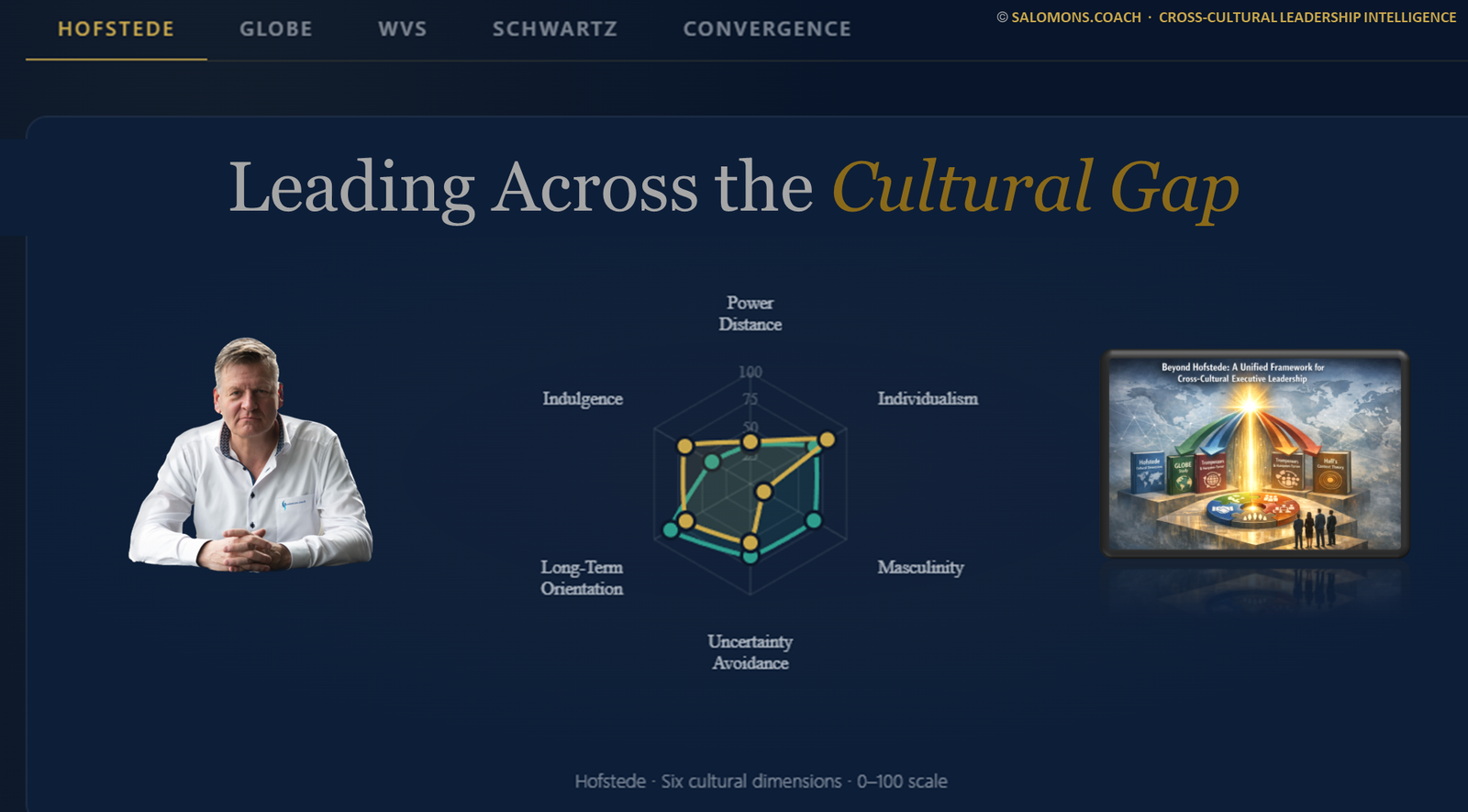
Geert Hofstede spent decades researching one question: do people from different countries think and behave differently in professional contexts in ways that are systematic, measurable, and predictable? His answer — developed through surveys of over 100,000 IBM employees across more than 50 countries — was an unambiguous yes.
The result is the most widely cited framework in cross-cultural management research. Six dimensions. Numerical scores for over 90 countries. But knowing the framework exists and knowing how to use it are different things. This post explains what Hofstede's six dimensions actually measure — and how the Cross-Cultural Leadership Compass translates them into specific, situational leadership guidance.
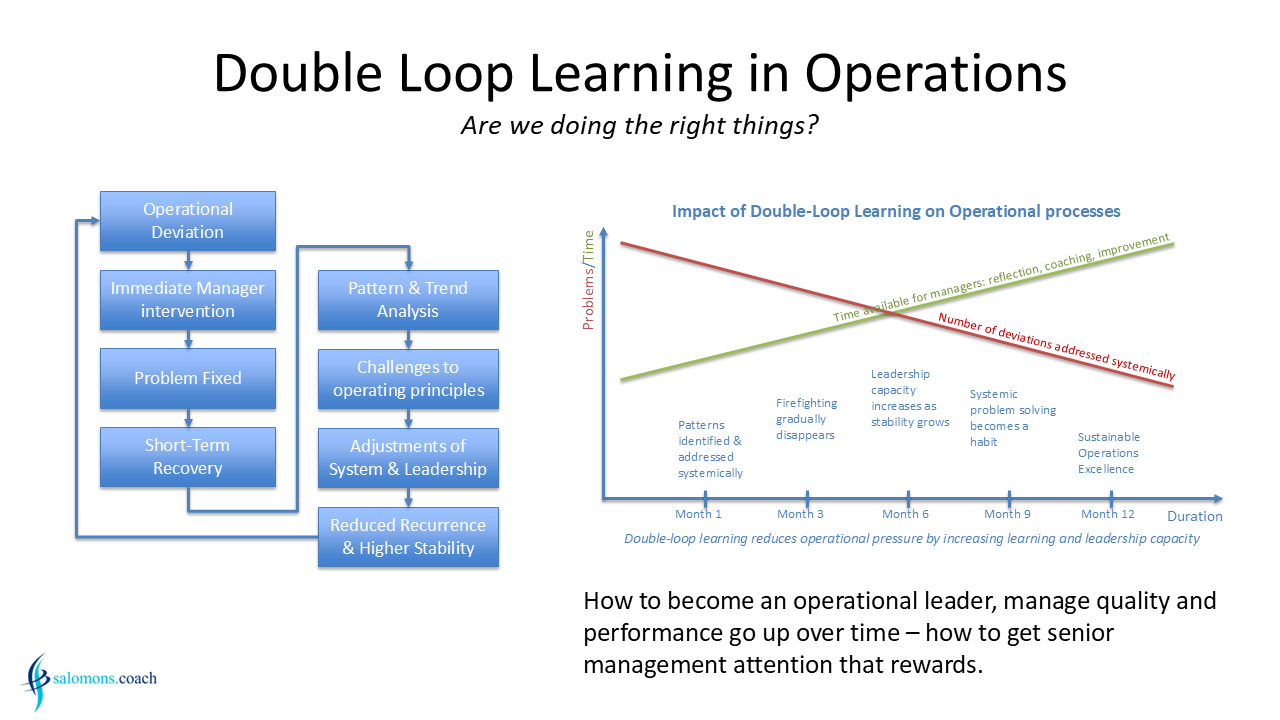
Firefighting is rational, but it traps organizations.
Under pressure, leaders act on what is visible and urgent, fixing problems to keep operations moving. Yet this behavior prevents learning, reinforces firefighting, and consumes leadership capacity. Sustainable performance requires shifting from solving today’s issues to redesigning the system that creates them.
Generative AI has not eliminated the need for expertise. It has eliminated the need for unexamined expertise. In organizations, the most damaging failures no longer come from a lack of technical capability, but from poor problem framing, misplaced optimization, and leaders who mistake speed for judgment. As AI takes over more of the executional “middle,” human value shifts to the boundaries: defining what truly matters and taking responsibility for real-world consequences. This is why so-called soft skills—critical thinking, systems awareness, ethical judgment, and human leadership—are no longer optional. They have become the premium capabilities of the AI era.
Leadership is not revealed in intentions, values, or language. It is revealed in results.
In my work with leaders and teams, I always start with outcomes — and then work backwards to what leadership truly demands under pressure. Not to judge, but to understand which patterns, decisions, and behaviors are quietly shaping performance.
Results are never the problem. They are the mirror.
Leadership is not defined by role or hierarchy, it is defined by behavior. After 35 years in global executive roles, I’ve seen the same truth everywhere: when leaders listen, decide, align, and act consistently, organizations perform. When they don’t, culture weakens, collaboration breaks, and operational results decline. Leadership is a daily behavioral practice, and the strongest organizations are led by those who understand this.
---
If you want a shorter or more SEO-focused version, I can create that too.
Fear can quietly take over organizations — through silence, control, and pressure — until trust disappears and performance collapses. In this article, Jan Salomons explores how fear-based leadership emerges and what leaders can do to reverse it. He shares five practical ways to rebuild trust, including how to reframe control, invite openness, and restore team rhythm. In a VUCA world, where change and uncertainty trigger anxiety, leaders who recognize and address fear become the real stabilizers of culture. Learn how awareness, consistency, and courage can turn fear into focus and connection.
Culture change is often misunderstood as mere slogans or posters, but true transformation begins with leadership behavior and systemic redesign. At TransLog, a European logistics organization, leaders discovered that their performance issues stemmed not from broken processes, but from a flawed behavioral system. By mapping leadership routines and co-creating a new behavior system, they shifted from siloed thinking to collaborative action. The results? Improved performance metrics and a culture that became integral to operations. Explore how intentional choices and structural changes can redefine your organization’s future and make culture a powerful business enabler.
Why do visionary leaders sometimes abandon their principles when the pressure mounts? Decisions like Meta ceasing fact-checking or Elon Musk supporting divisive figures highlight the complex interplay of fear, short-term thinking, and herd mentality in leadership. This blog explores the psychological and organizational dynamics behind these behaviors and offers actionable strategies to help leaders stay authentic, aligned with their values, and principled in turbulent times.
Do your performance appraisals feel routine? Year-end reviews often become dreaded events that yield little benefit. What if these sessions were opportunities to strengthen relationships and boost performance? Picture a shift from evaluation to teamwork, where you set goals together and motivate your team. By fostering open conversations, you can enhance performance and build trust. Learn to make these meetings strategic for your team's growth—rather than just checking a box.
Miscommunication is a leading cause of workplace inefficiency and conflict, often resulting in misunderstandings, reduced productivity, and increased tension. Studies highlight how poor communication impacts team dynamics, leading to incorrect assumptions and diminished morale. Addressing these challenges requires fostering clarity, active listening, and emotional intelligence to create stronger connections and avoid conflict. Effective communication not only resolves workplace issues but also enhances collaboration and trust, driving both individual and organizational success.