Most executive teams don’t fail because of strategy — they fail because of what they avoid. These 10 provoking questions cut through noise, expose blind spots, and accelerate real transformation. They challenge leaders to face the hard truths about their behavior, decisions, and impact. If you want to grow as a leader, start by answering these questions honestly.
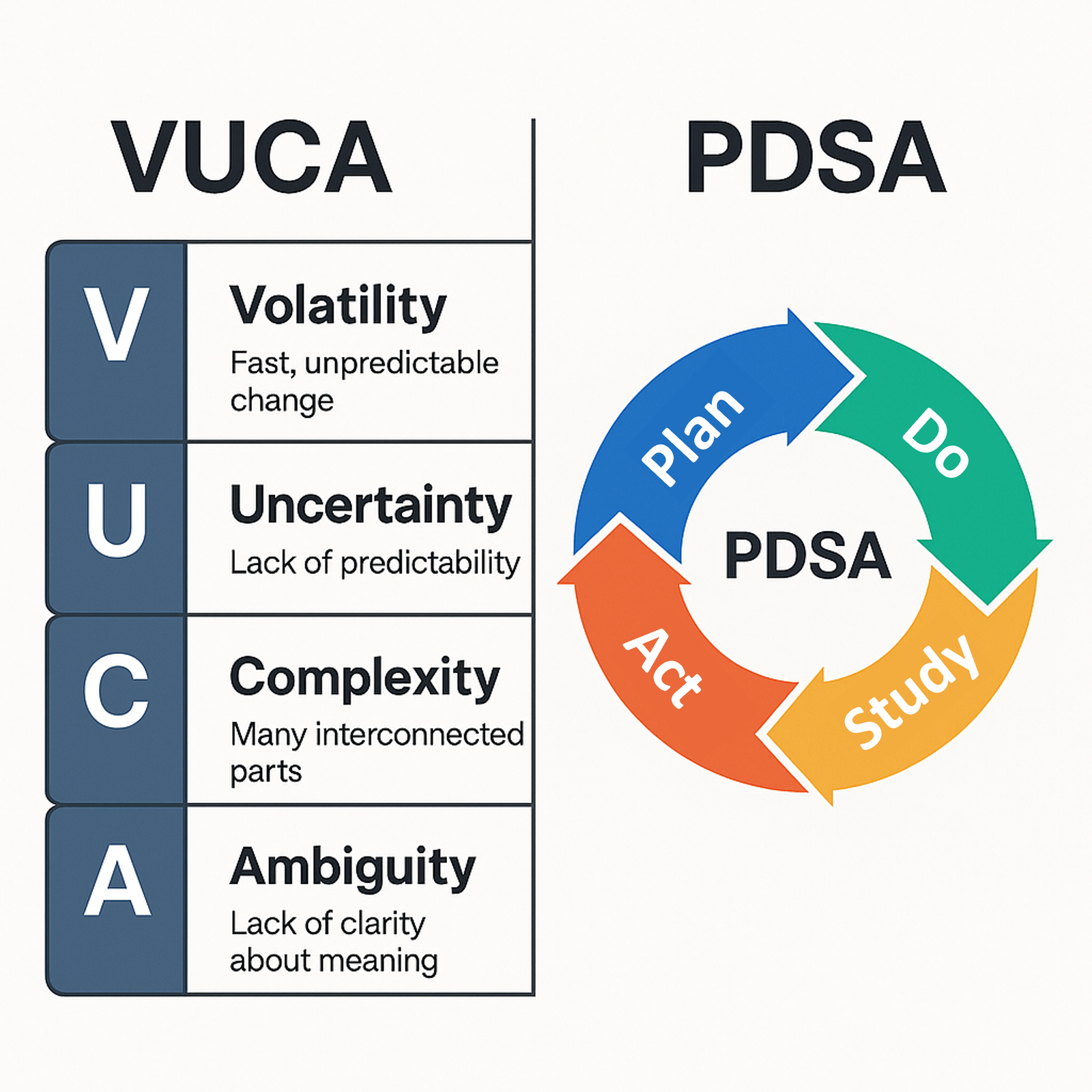
In a world defined by volatility, uncertainty, complexity, and ambiguity, leaders can no longer rely on fixed plans or past experience. VUCA describes the challenge — but PDSA provides a practical way to respond through fast learning cycles. My early years as a teacher, working with Kolb’s experiential learning model, taught me that people grow through experimentation, reflection, and adaptation. Decades later, the same learning loop has become essential for leaders: the ability to test, adjust, and learn faster...
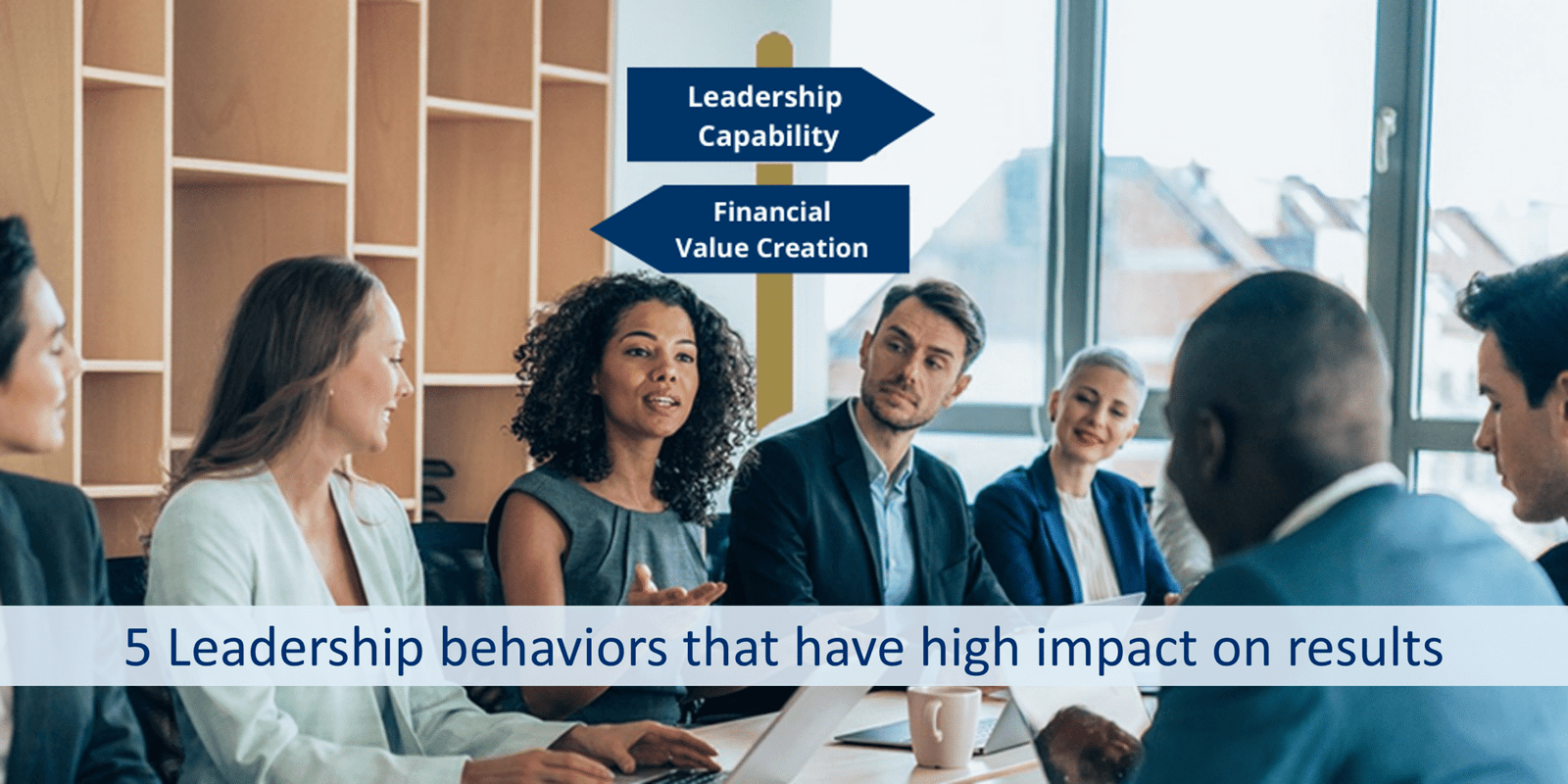
Leadership is not defined by role or hierarchy, it is defined by behavior. After 35 years in global executive roles, I’ve seen the same truth everywhere: when leaders listen, decide, align, and act consistently, organizations perform. When they don’t, culture weakens, collaboration breaks, and operational results decline. Leadership is a daily behavioral practice, and the strongest organizations are led by those who understand this.
---
If you want a shorter or more SEO-focused version, I can create that too.
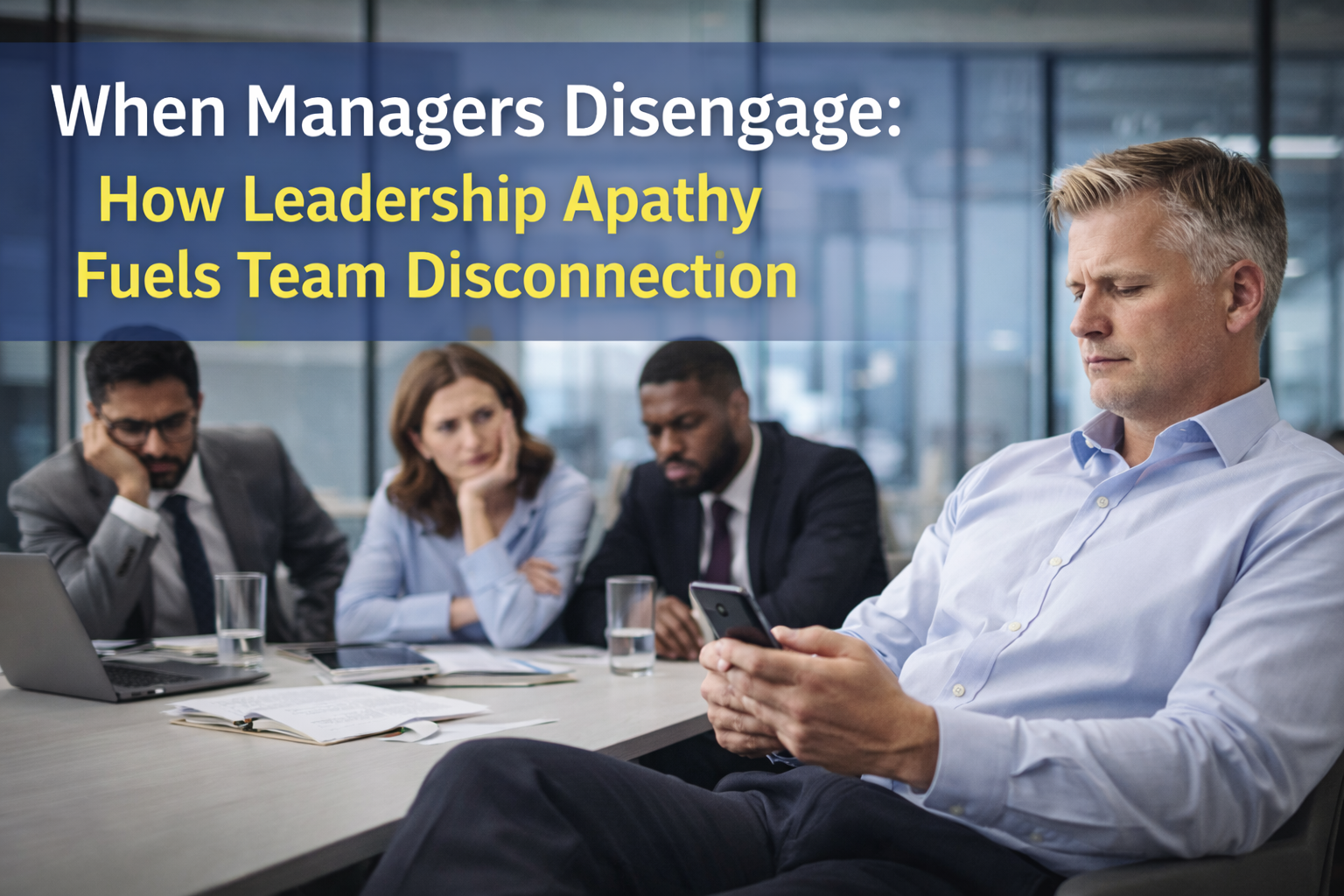
After my last post — “Is it time to stay or move on?” — someone asked, “What about disengaged managers?” It’s a fair question — and maybe the real one. Research shows only one in four managers is engaged, and when leaders disconnect, their teams follow. Disengagement often starts when managers stop reflecting on why they lead. Regular reflection isn’t self-indulgent — it’s leadership maintenance. Before judging a team’s motivation, every leader should pause and ask: Am I still...
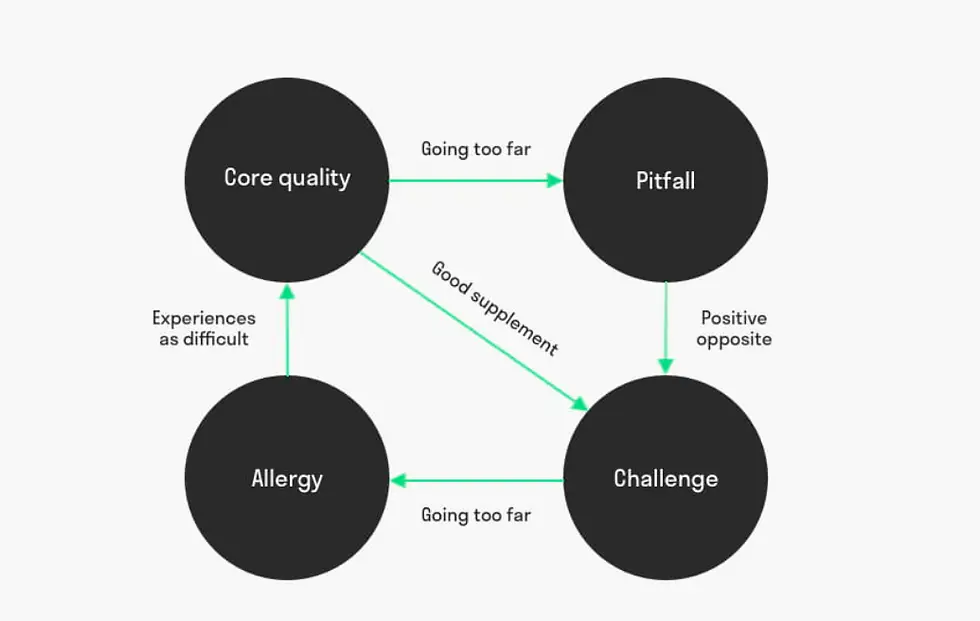
The Core Quadrants by Daniel Ofman are an effective tool for team building, helping teams understand individual dynamics and how to collaborate better. By identifying core qualities, pitfalls, challenges, and allergies, teams gain insights into strengths and areas for growth. For example, one team member’s creativity (core quality) may lead to chaos (pitfall), while another’s structure (core quality) could result in rigidity (pitfall). By discussing complementarities and irritations (allergies), teams learn to value differences and work cohesively. Regular reflection...
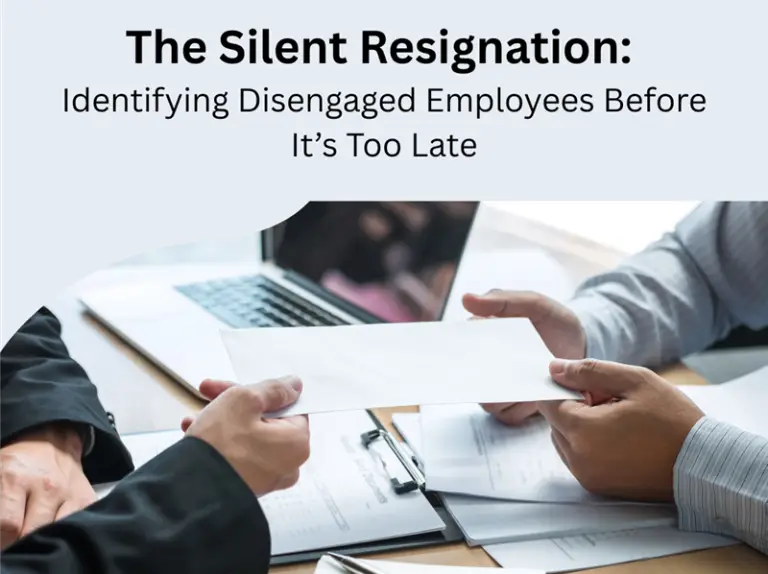
In today’s fast-changing workplace, leaders and teams benefit from regularly reflecting on whether their current environment still supports their energy, growth, and purpose. Using a structured reflection questionnaire, I help leaders gain clarity on what strengthens or drains them — and whether they should stay, adjust, or move on. The same process transforms teams by uncovering hidden dynamics, restoring passion, and realigning people with the mission and vision. This reflective approach boosts engagement, performance, and retention, while preventing silent...
Culture change is often misunderstood as mere slogans or posters, but true transformation begins with leadership behavior and systemic redesign. At TransLog, a European logistics organization, leaders discovered that their performance issues stemmed not from broken processes, but from a flawed behavioral system. By mapping leadership routines and co-creating a new behavior system, they shifted from siloed thinking to collaborative action. The results? Improved performance metrics and a culture that became integral to operations. Explore how intentional choices and...
Why do visionary leaders sometimes abandon their principles when the pressure mounts? Decisions like Meta ceasing fact-checking or Elon Musk supporting divisive figures highlight the complex interplay of fear, short-term thinking, and herd mentality in leadership. This blog explores the psychological and organizational dynamics behind these behaviors and offers actionable strategies to help leaders stay authentic, aligned with their values, and principled in turbulent times.
Negativity can quietly erode team morale, productivity, and even a leader’s confidence. In this post, I share the story of Nathalie, an operations manager trapped in a cycle of workplace stress and unproductive venting—both in her team meetings and personal life. Together, we explored the psychological roots of negativity, its contagious effects, and strategies to break free. From reframing challenges to fostering constructive team dynamics, this journey reveals how leaders can transform negativity into solutions and growth. If workplace...
Setting boundaries in coaching is essential for maintaining focus and ensuring progress. When clients consistently expand the coaching scope, it often stems from underlying emotions such as uncertainty or anxiety. To manage this, I set clear goals and revisit them regularly, framing the importance of staying aligned for effective results. If new topics arise, I acknowledge them while steering the conversation back to agreed priorities. Offering additional sessions or structured scope expansion options provides flexibility without losing sight of...