Struggling with a new boss? You’re not alone. This article explains the psychology behind leadership transitions, why your brain reacts the way it does, and what practical steps help you rebuild clarity and trust—especially in high-pressure operational environments.
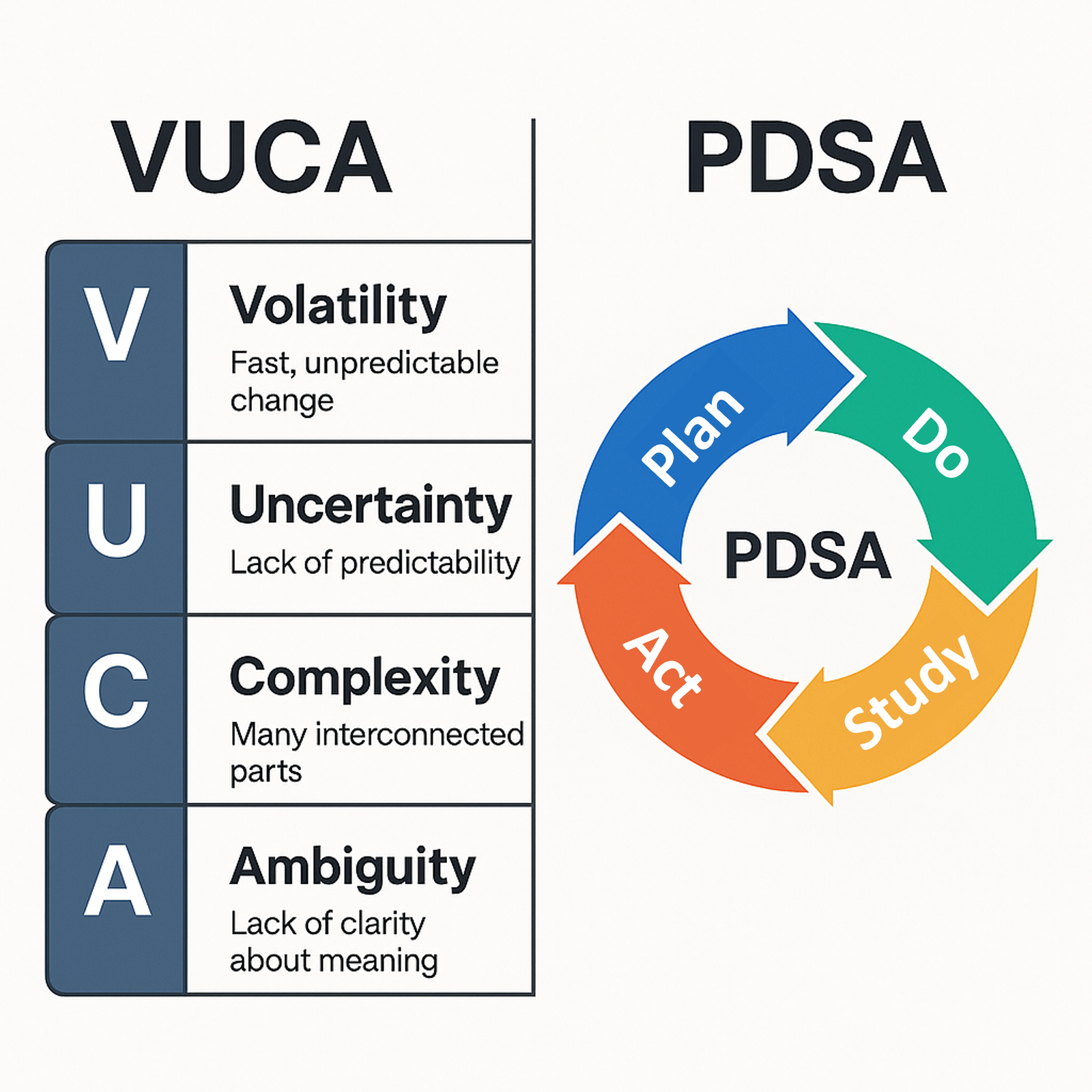
When TNT’s global network went dark during the NotPetya cyberattack, every system failed — but people didn’t. In this story, Jan Salomons shares how leadership, trust, and adaptability kept Europe’s largest logistics network running manually for days. It’s a story of crisis leadership in a VUCA world — where volatility, uncertainty, complexity, and ambiguity tested every level of society, organization, and individual behavior. As old hierarchies crumbled, new leaders emerged, purpose became crystal clear, and collaboration turned chaos into order. A powerful lesson in resilience, trust, and human connection under pressure.
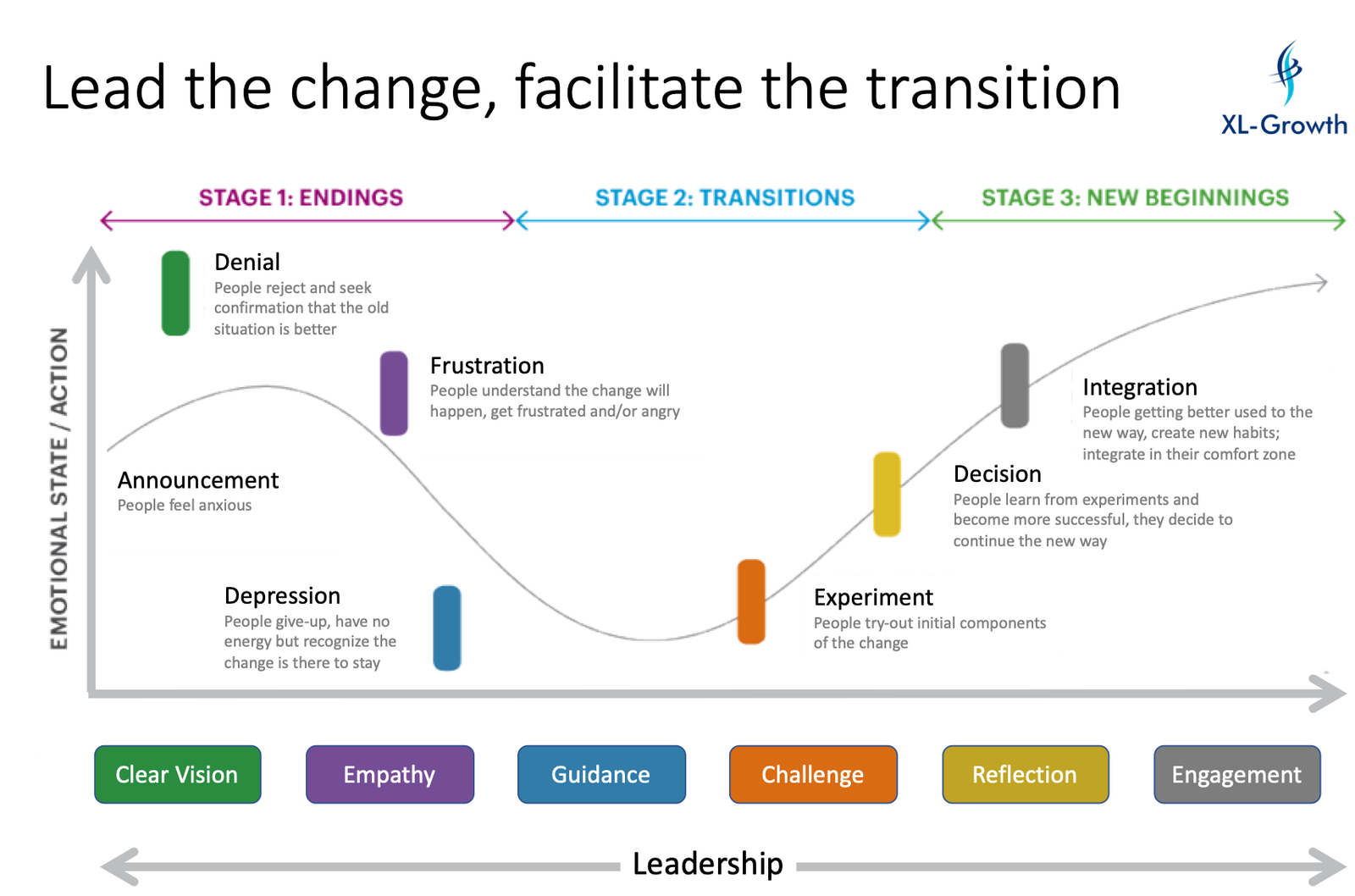
Change doesn’t fail because of poor plans — it fails because people haven’t made the psychological transition. In this article, Jan Salomons explores his formula for successful change, combining shared vision, urgency, leadership, learning, and capacity. Drawing on his decades of experience and his VUCA leadership approach, he explains how leaders can guide teams through endings, transitions, and new beginnings while maintaining trust and connection. Learn why managing change isn’t enough — leading transition is what truly drives sustainable transformation.
Busyness has become a badge of honor, but it rarely leads to impact or well-being. In this post, Jan Salomons explores why being busy is more often a habit than a necessity — and how leaders can shift from managing time to managing focus. In a VUCA world, where speed and complexity dominate, clarity and reflection become the real leadership differentiators. Learn how to move from motion to meaning through self-awareness, attention, and purpose, and discover why slowing down might be the smartest move you can make.
trong emotions aren’t the enemy — they’re leadership data. In today’s volatile and uncertain world, emotions like frustration or fear often mask deeper values and unmet needs. Reframing helps leaders decode those emotions, turning tension into insight and pressure into performance. In this post, Jan Salomons explores how emotional intelligence and reframing allow leaders to stay grounded in a VUCA world — transforming reaction into reflection, and reflection into purposeful action. Learn how to work with, not against, your emotions and use them as a catalyst for self-leadership and organizational growth.
The COVID years gave us flexibility — and many teams kept it. Yet what began as empowerment slowly turned into routine. Offices stay quiet midweek, but results don’t automatically follow. The issue isn’t hybrid work itself; it’s the gradual loss of ownership for outcomes. In this blog, Jan Salomons explores how leaders can rebuild clarity, accountability, and rhythm without dictating hours or presence. Using his iterative Way of Working — assignment > diagnostics > co-creation delivery evaluation > hyper care > handover > on-demand support — he shows how organizations can improve productivity, quality, and engagement by focusing on results, not routines.