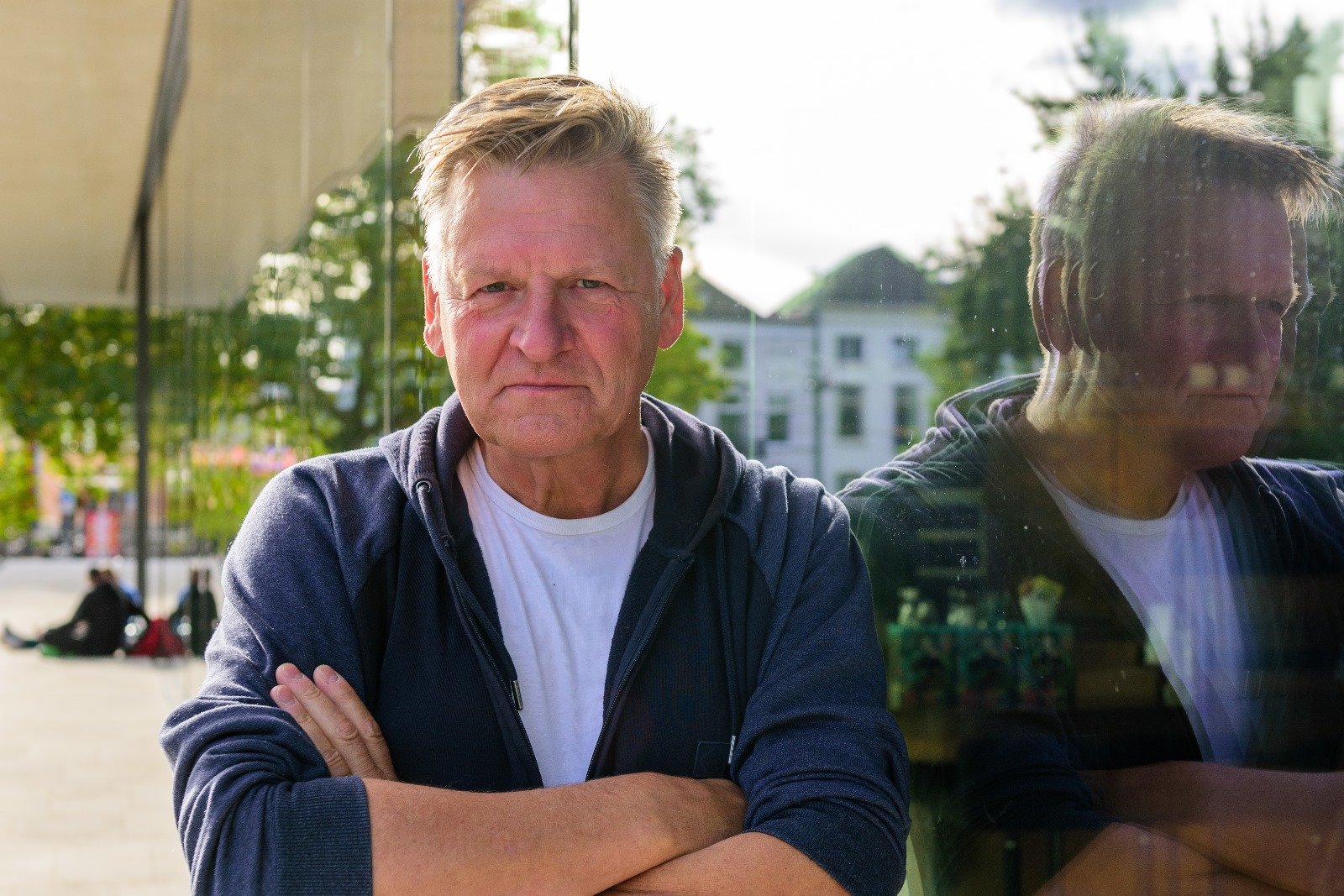
In this personal leadership journey, Jan Salomons shares how he transitioned from an engineering teacher to a global executive and ultimately to a leadership and executive coach. Drawing on more than 35 years of international leadership experience across complex organisations, he reveals the pivotal insights that shaped his purpose: leadership is human work, not just technical or operational skill. His evolution into coaching grew from a belief that sustained behavioural change and self-awareness unlock real performance and resilient teams

In a world full of noise and pressure, the most courageous leaders are not the loudest ones, but the ones who create space for stillness and honest self-reflection. Like a quiet bridge reflected in calm water, authentic leadership emerges when we stand steady in who we are and dare to look inward. Clarity, integrity, and presence begin not with action, but with awareness.
Watching Arthur Brooks’ talk on the science of happiness offers a powerful insight for leaders: happiness isn’t a mood — it’s a disciplined practice that shapes how you lead. Brooks reveals that enjoyment, satisfaction, and meaning form the foundation of true well-being, and only a small part of it depends on circumstances. The rest comes from daily habits rooted in relationships, purpose, and service. For leaders, this is transformative: it shifts happiness from a personal luxury to a strategic imperative. When leaders cultivate happiness intentionally, they strengthen resilience, deepen trust, and create the conditions in which teams can thrive.
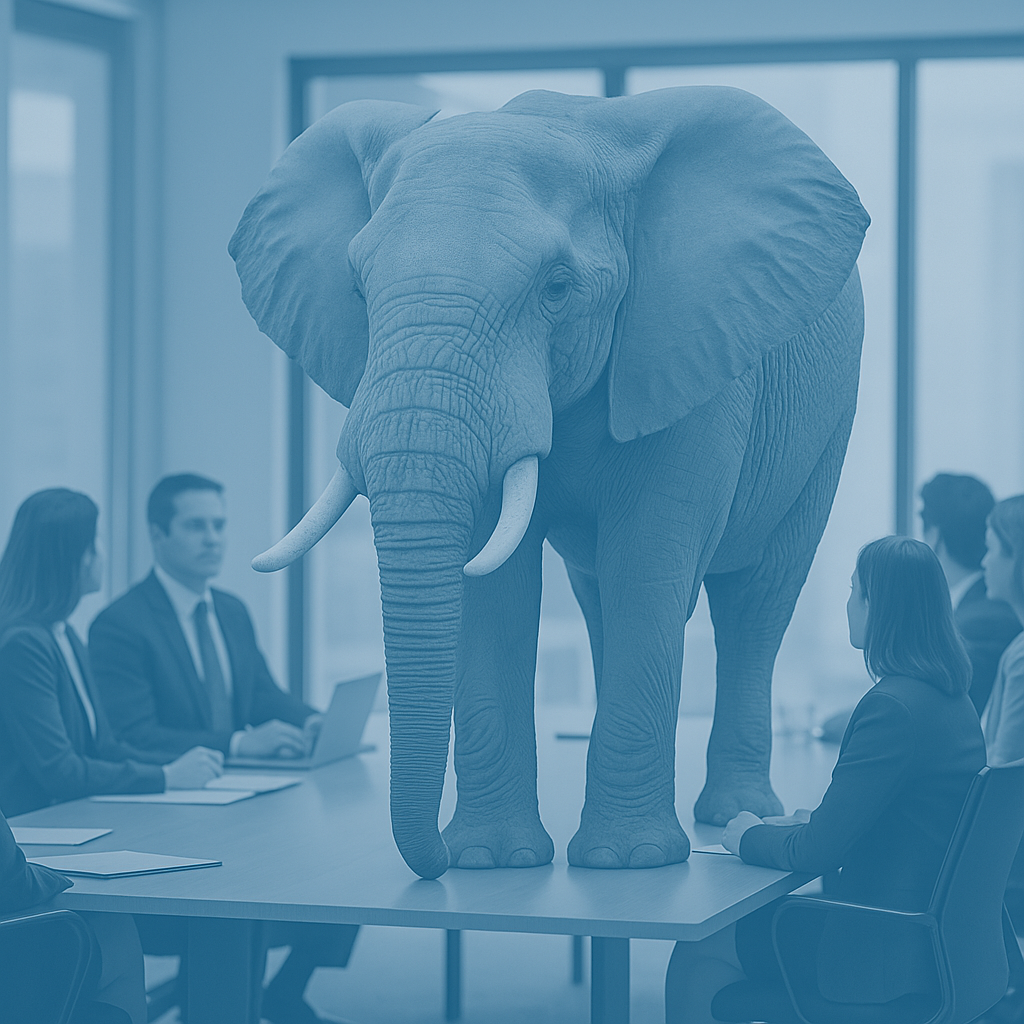
Most executive teams don’t fail because of strategy — they fail because of what they avoid. These 10 provoking questions cut through noise, expose blind spots, and accelerate real transformation. They challenge leaders to face the hard truths about their behavior, decisions, and impact. If you want to grow as a leader, start by answering these questions honestly.
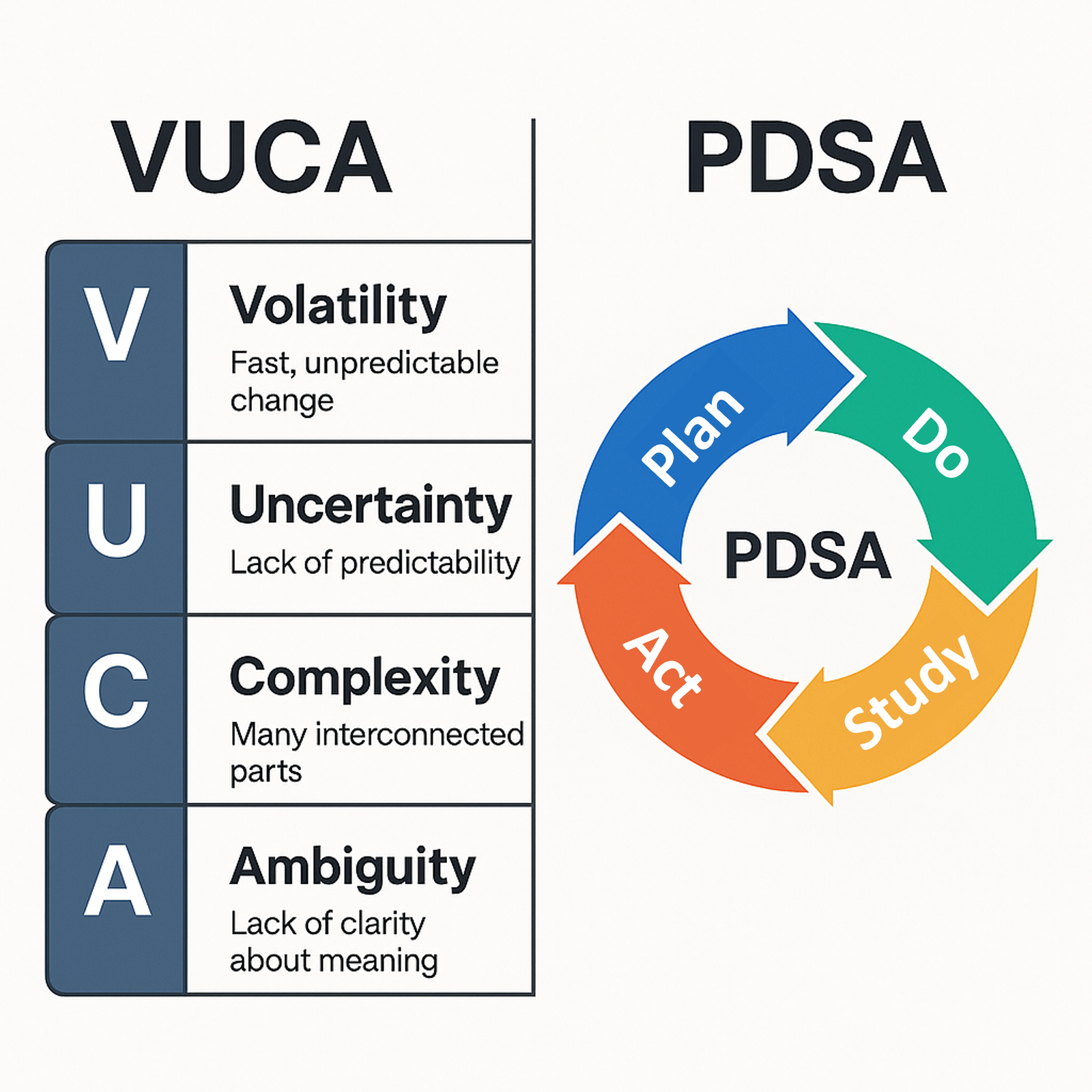
In a world defined by volatility, uncertainty, complexity, and ambiguity, leaders can no longer rely on fixed plans or past experience. VUCA describes the challenge — but PDSA provides a practical way to respond through fast learning cycles. My early years as a teacher, working with Kolb’s experiential learning model, taught me that people grow through experimentation, reflection, and adaptation. Decades later, the same learning loop has become essential for leaders: the ability to test, adjust, and learn faster than the environment changes.
The Wheel of Work Life is a powerful framework that reveals what truly shapes your well-being at work. By exploring eight essential dimensions — from psychological safety and leadership to autonomy, workload, recognition, growth, collaboration, and recovery — you gain a holistic view of what energizes you and what drains you. This model helps individuals and teams understand their current reality and identify the small, meaningful steps that lead to healthier, more sustainable performance.
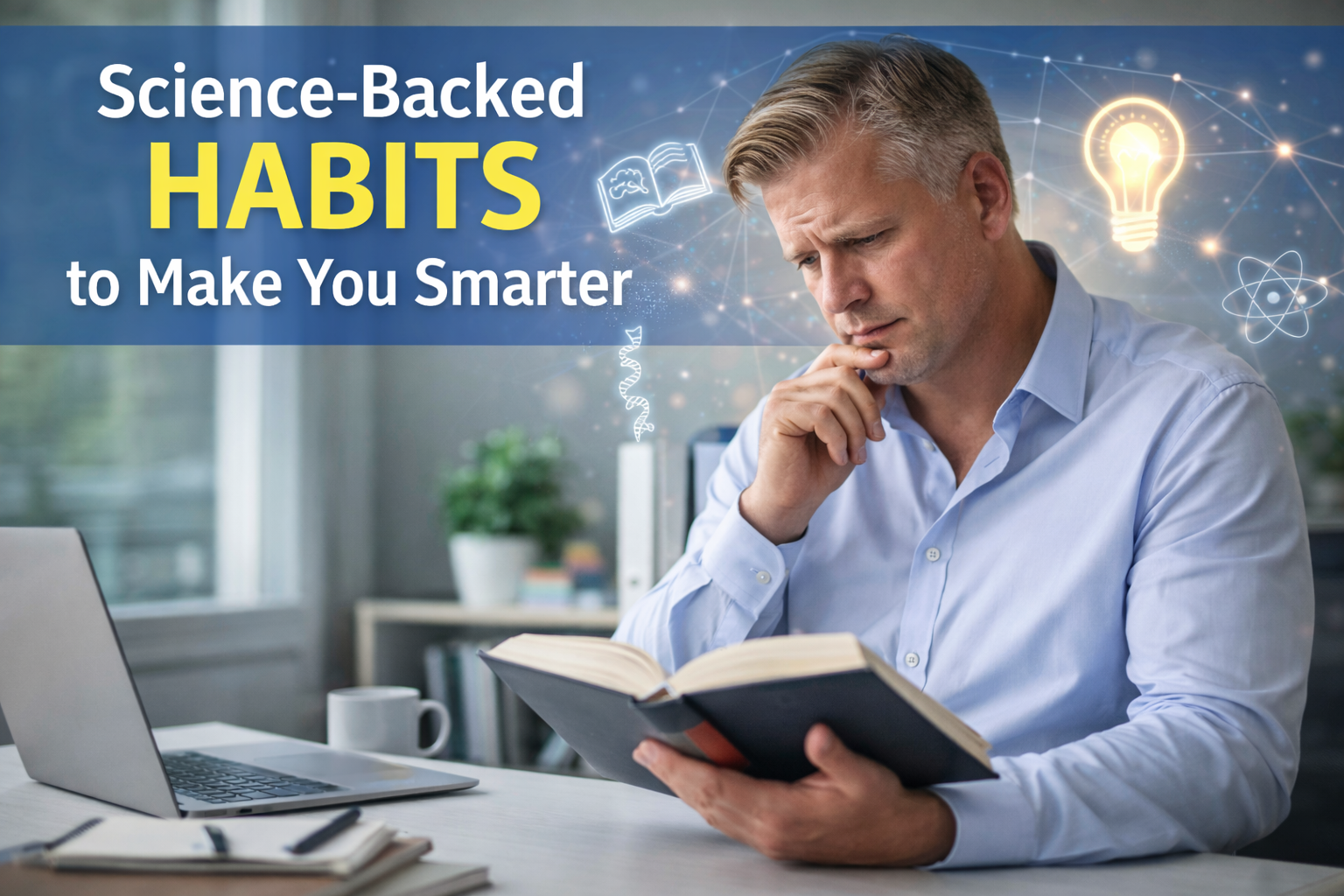
In a VUCA world, the leaders and professionals who thrive are not the ones with the most experience — but the ones with the best learning habits. Inspired by Daniel H. Pink’s science-based insights, this article explores eight powerful habits that sharpen thinking, build resilience, and accelerate growth. Whether you’re leading in uncertainty or navigating a career transition after redundancy, these habits — combined with my 4R Model (Reflect > Reset > Re-Align > Rise™) — provide a practical roadmap to stay adaptive, confident, and future-ready.
Strong emotions aren’t the problem — how we frame them is. In today’s volatile and uncertain world, leaders face constant pressure that triggers frustration, fear, or doubt. Reframing helps transform those emotions into clarity, courage, and connection. Instead of reacting, leaders learn to pause, reflect, and uncover the message behind the feeling. In this post, Jan Salomons shares how reframing turns emotion into data, reaction into reflection, and pressure into leadership strength — a crucial skill for leading in a VUCA world. Learn how to make emotions your ally and navigate complexity with self-awareness and purpose.
Recently, Annette Magnusson, HR Director at Citymail Sweden, shared an inspiring reflection on LinkedIn about age and experience. Her words resonated with me, because they touch on a theme that often remains overlooked in organizations: the power of experience in
The COVID years gave us flexibility — and many teams kept it. Yet what began as empowerment slowly turned into routine. Offices stay quiet midweek, but results don’t automatically follow. The issue isn’t hybrid work itself; it’s the gradual loss of ownership for outcomes. In this blog, Jan Salomons explores how leaders can rebuild clarity, accountability, and rhythm without dictating hours or presence. Using his iterative Way of Working — assignment > diagnostics > co-creation delivery evaluation > hyper care > handover > on-demand support — he shows how organizations can improve productivity, quality, and engagement by focusing on results, not routines.