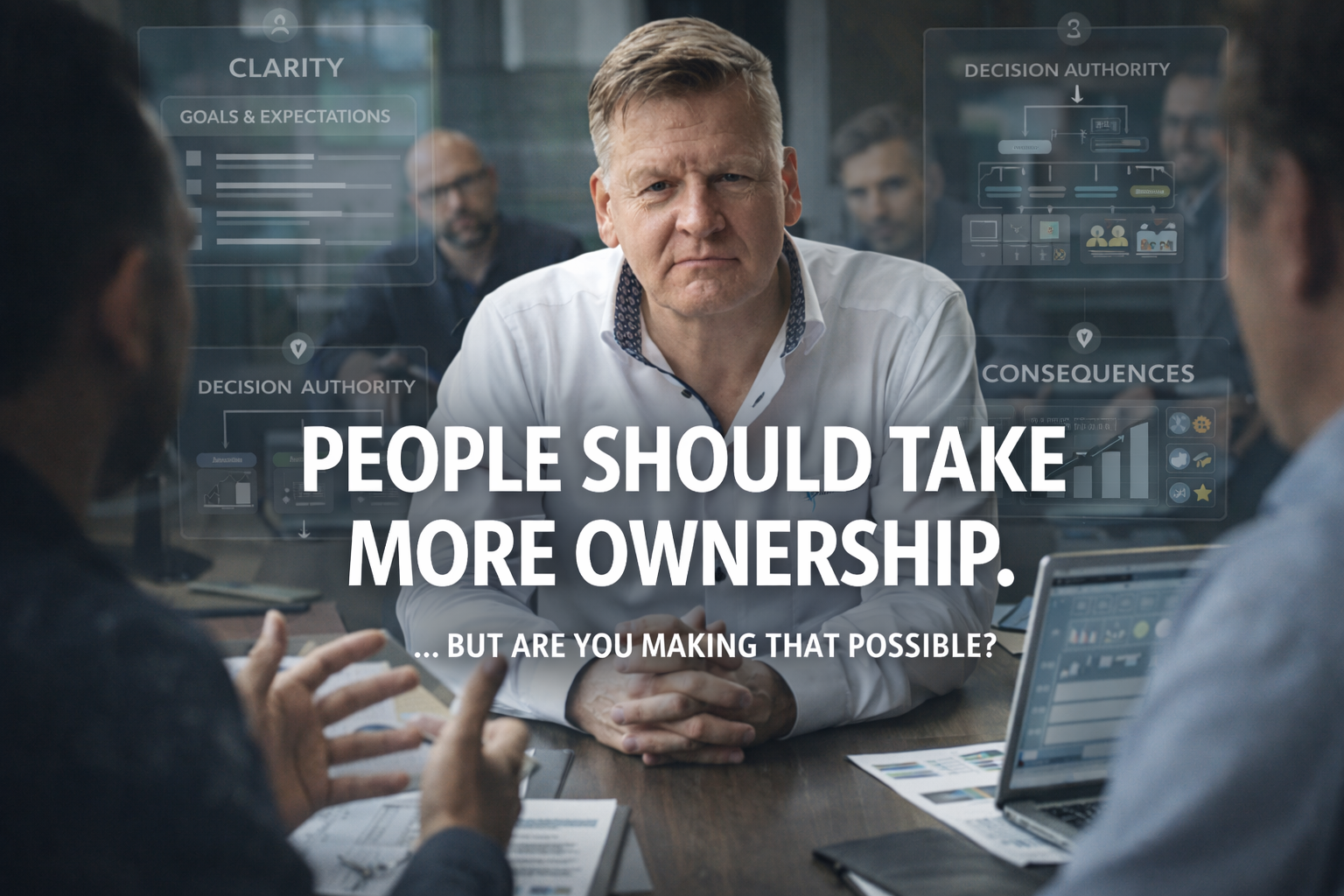
Ownership in organizations is often treated as a mindset problem. In reality, it is a design issue. When goals are unclear, authority and accountability are misaligned, and leadership behavior is inconsistent, ownership erodes. This article explains why ownership is not something you demand from people, but something you deliberately build through structure, behavior, and leadership discipline.
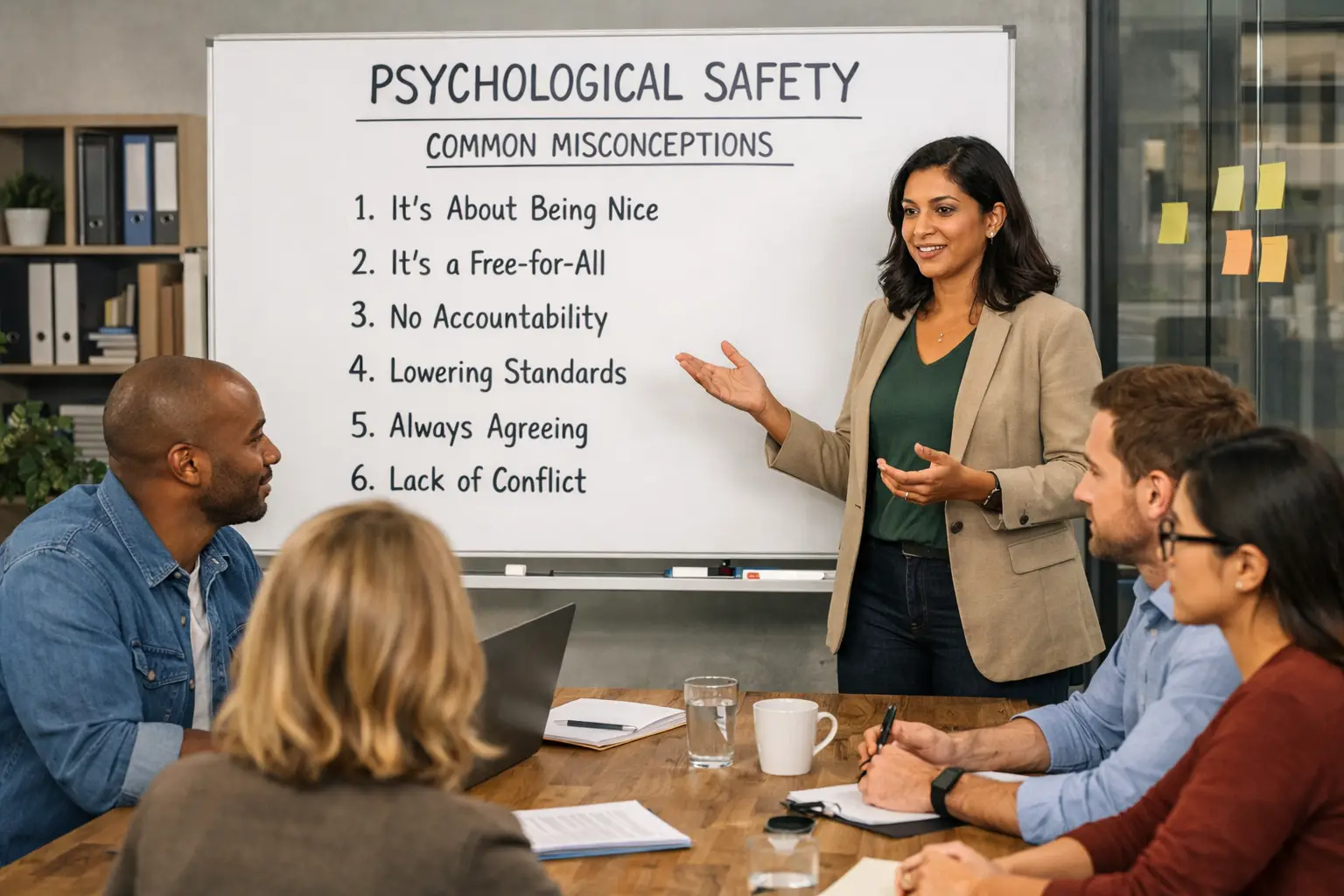
Excellent leadership dialogue is not about open discussion without boundaries. It is a disciplined practice that creates shared understanding, surfaces real differences, and leads to genuine commitment. When leaders avoid constructive conflict or rush to agreement, alignment becomes fragile and execution suffers. The strongest leadership teams invest in dialogue first, so commitment follows naturally, without the need to manage appearances.
Many leadership teams mistake agreement for commitment. When dialogue is rushed and constructive conflict is avoided, alignment becomes something that must be shown rather than earned. People comply, but they do not commit. Real alignment is built earlier, through disciplined dialogue, the courage to surface different perspectives, and the willingness to stay in the conversation until shared understanding emerges. When leaders invest in that process, commitment follows naturally. And when commitment is real, alignment no longer needs to be...
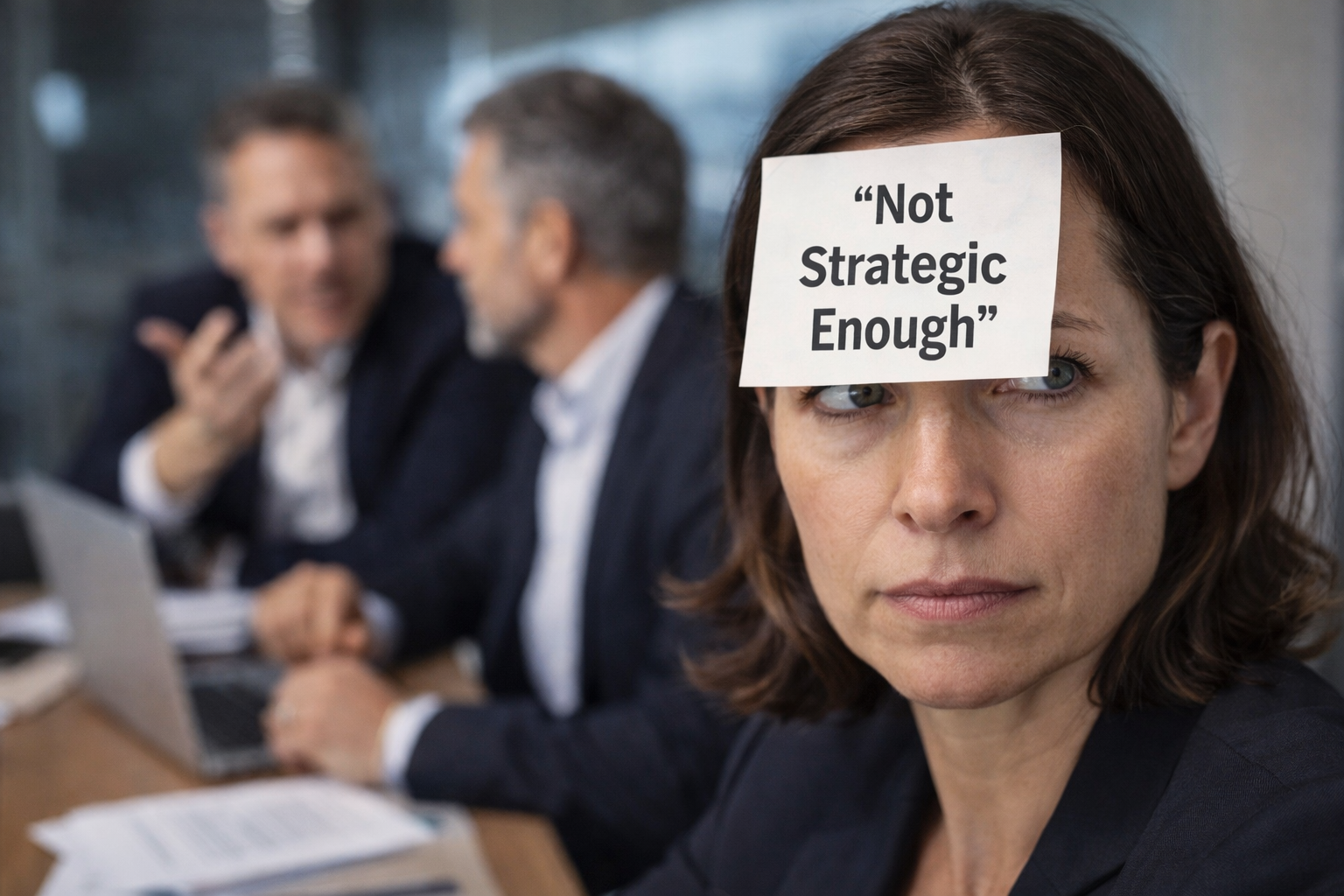
Leadership is not revealed in intentions, values, or language. It is revealed in results.
In my work with leaders and teams, I always start with outcomes — and then work backwards to what leadership truly demands under pressure. Not to judge, but to understand which patterns, decisions, and behaviors are quietly shaping performance.
Results are never the problem. They are the mirror.
One-on-one meetings are one of the most powerful leadership tools — and one of the most frequently misused. Drawing from personal leadership experience and evidence-based research, this article explores how leaders can design and execute one-on-ones that go beyond status updates and become conversations that build clarity, trust, and sustainable performance.
Most teams don’t fail because they don’t work hard — they fail because they work too fast, too isolated, and without reflection.
When every team focuses on solving its own problems, sub-optimization becomes inevitable. Each quick fix triggers side effects elsewhere, creating a vicious cycle of ad-hoc problem-solving that drains energy and weakens performance.
Research on High-Performing Teams shows that real success depends on trust, shared purpose, and systemic alignment — not more speed.
Breaking that cycle starts when leaders and teams...
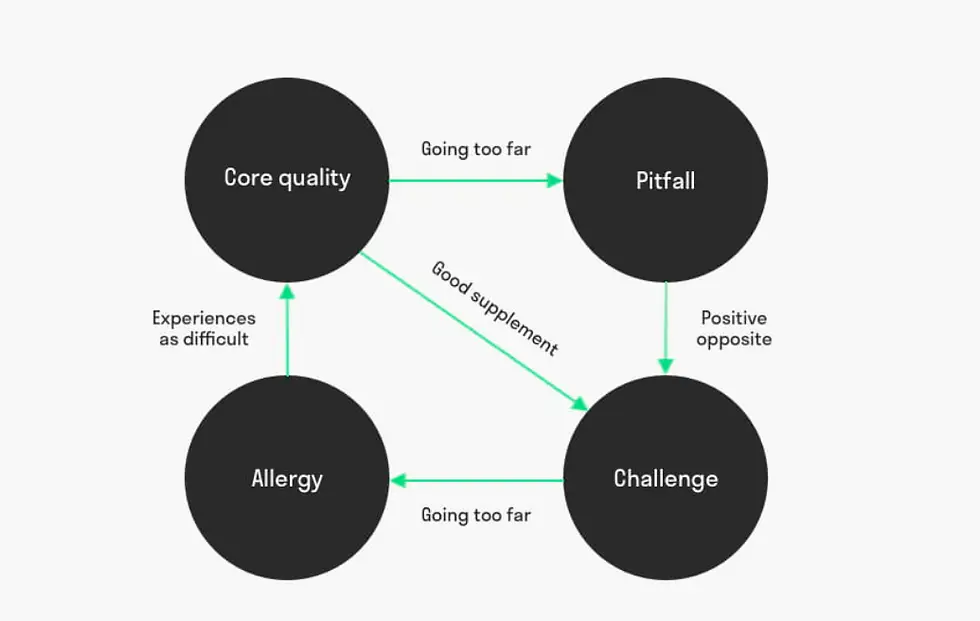
The Core Quadrants by Daniel Ofman are an effective tool for team building, helping teams understand individual dynamics and how to collaborate better. By identifying core qualities, pitfalls, challenges, and allergies, teams gain insights into strengths and areas for growth. For example, one team member’s creativity (core quality) may lead to chaos (pitfall), while another’s structure (core quality) could result in rigidity (pitfall). By discussing complementarities and irritations (allergies), teams learn to value differences and work cohesively. Regular reflection...
Strong decision-making is the cornerstone of effective leadership. It provides clarity, empowers teams, and ensures agility in complex situations. By defining problems accurately, gathering diverse perspectives, and taking decisive action, leaders can reduce inefficiency and build trust. Decision-making isn’t just about choosing the right path—it’s about fostering alignment and learning from outcomes. When leaders approach decisions systematically, they create momentum, confidence, and long-term success for their teams and organizations.
Cameras On or Off?
New research from Harvard, MIT, and Stanford reveals that virtual presence affects our energy, focus, and connection in complex ways. Cameras on foster trust, empathy, and visibility — ideal for one-on-one coaching and emotionally rich conversations. Cameras off reduce fatigue and sharpen deep listening, especially in large meetings where constant visibility causes cognitive overload. The key is not choosing one or the other, but using both intentionally. Co-create norms, use short “camera-off” reflection moments, and turn...
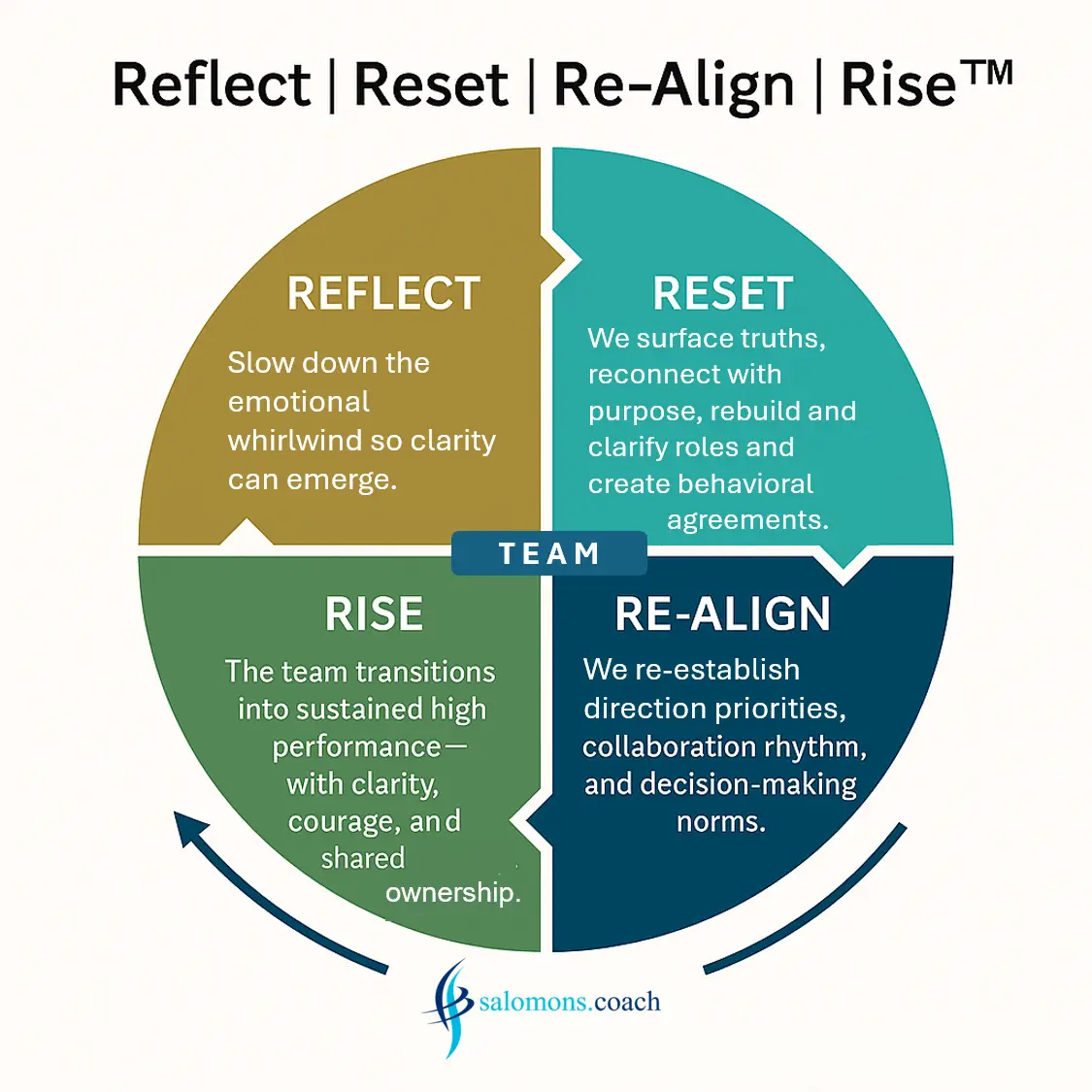
High-performing teams don’t emerge by accident — they are built through a deliberate sequence of reflection, reset, alignment, and growth. My Reset → Align → Rise framework guides leaders and teams through this journey. We begin by exploring energy, values, and alignment, before surfacing truths and rebuilding the foundations of trust, safety, and purpose. From there, we clarify priorities, roles, collaboration rhythms, and decision-making norms. Finally, the team rises into sustained high performance, powered by clarity, courage, and shared...