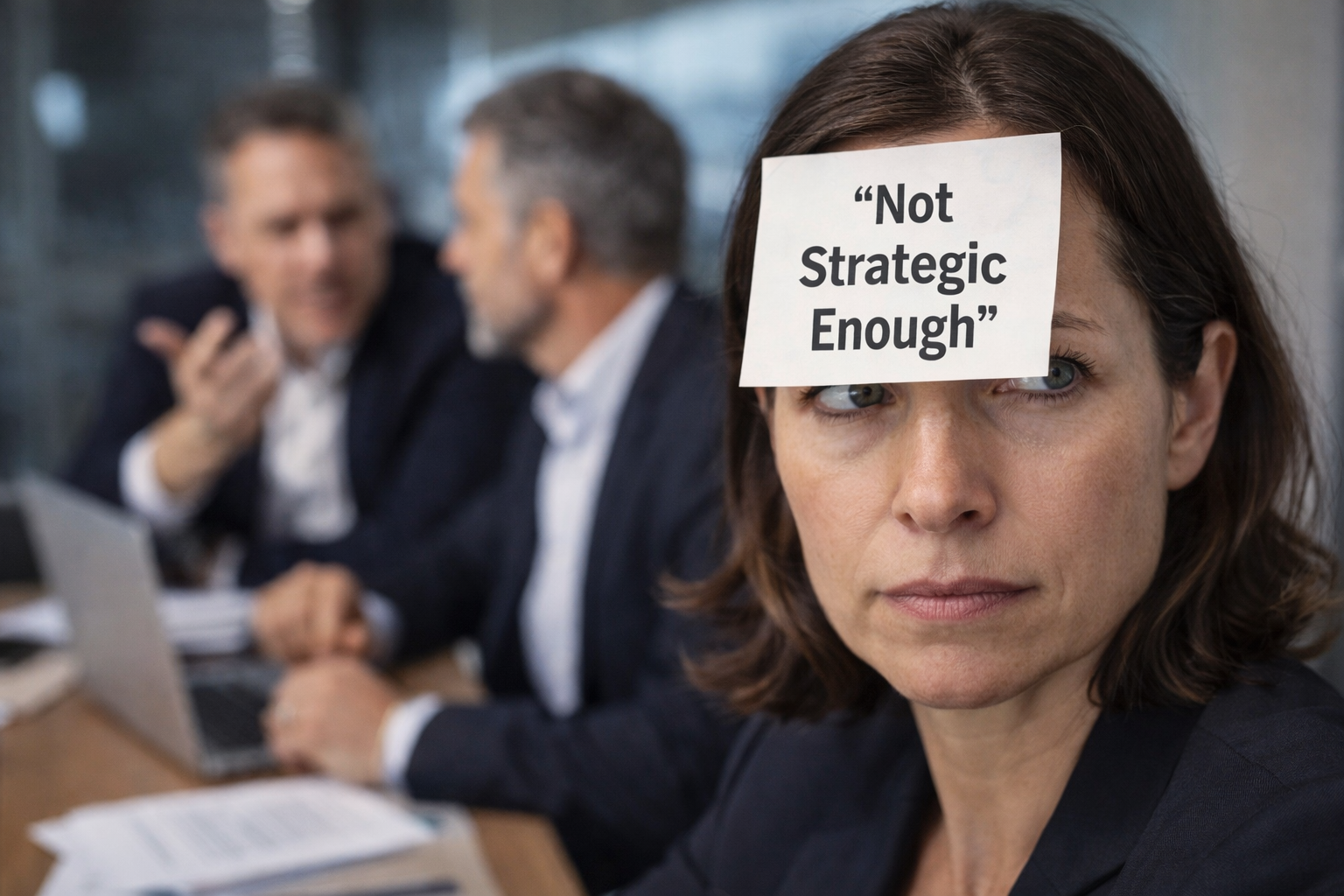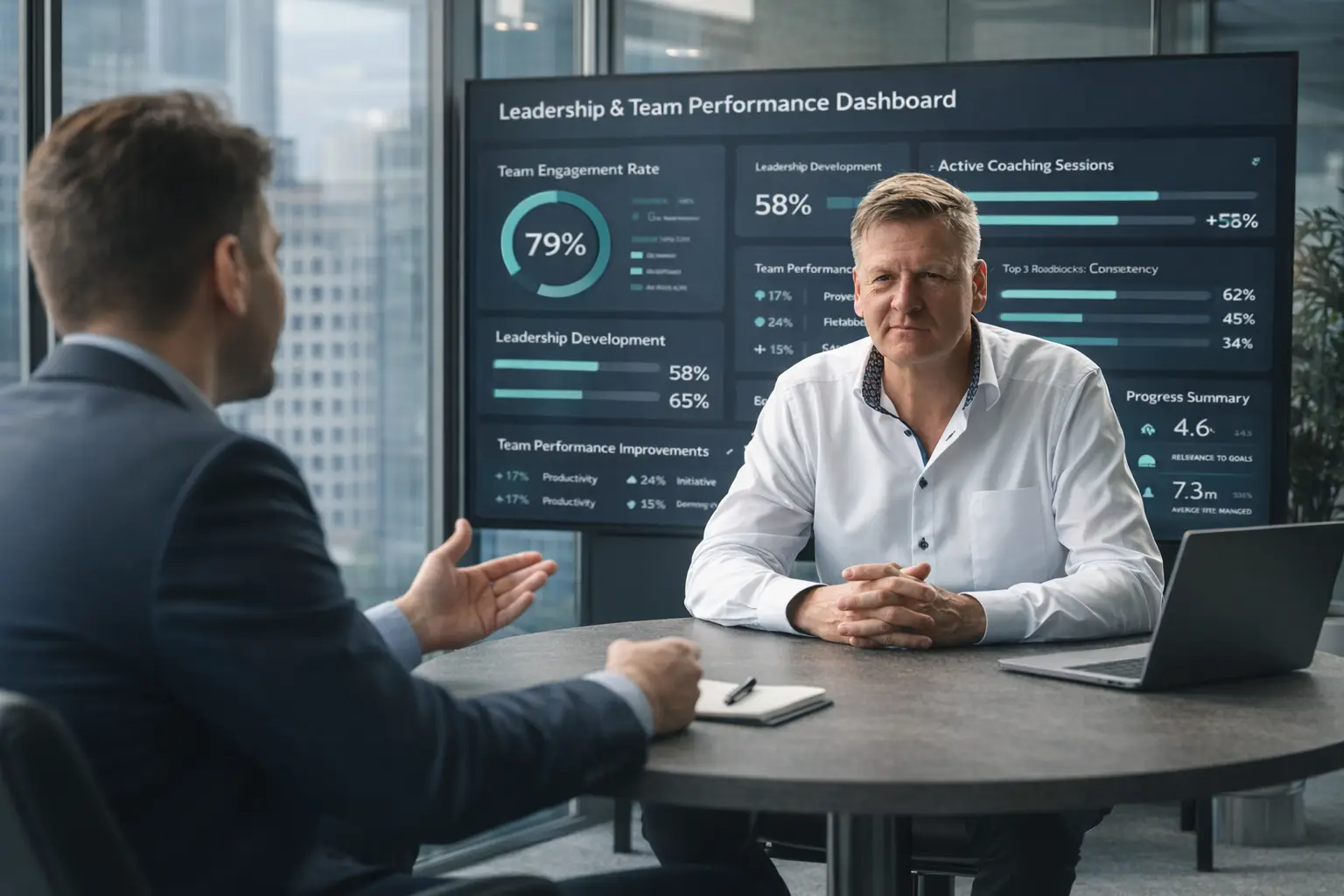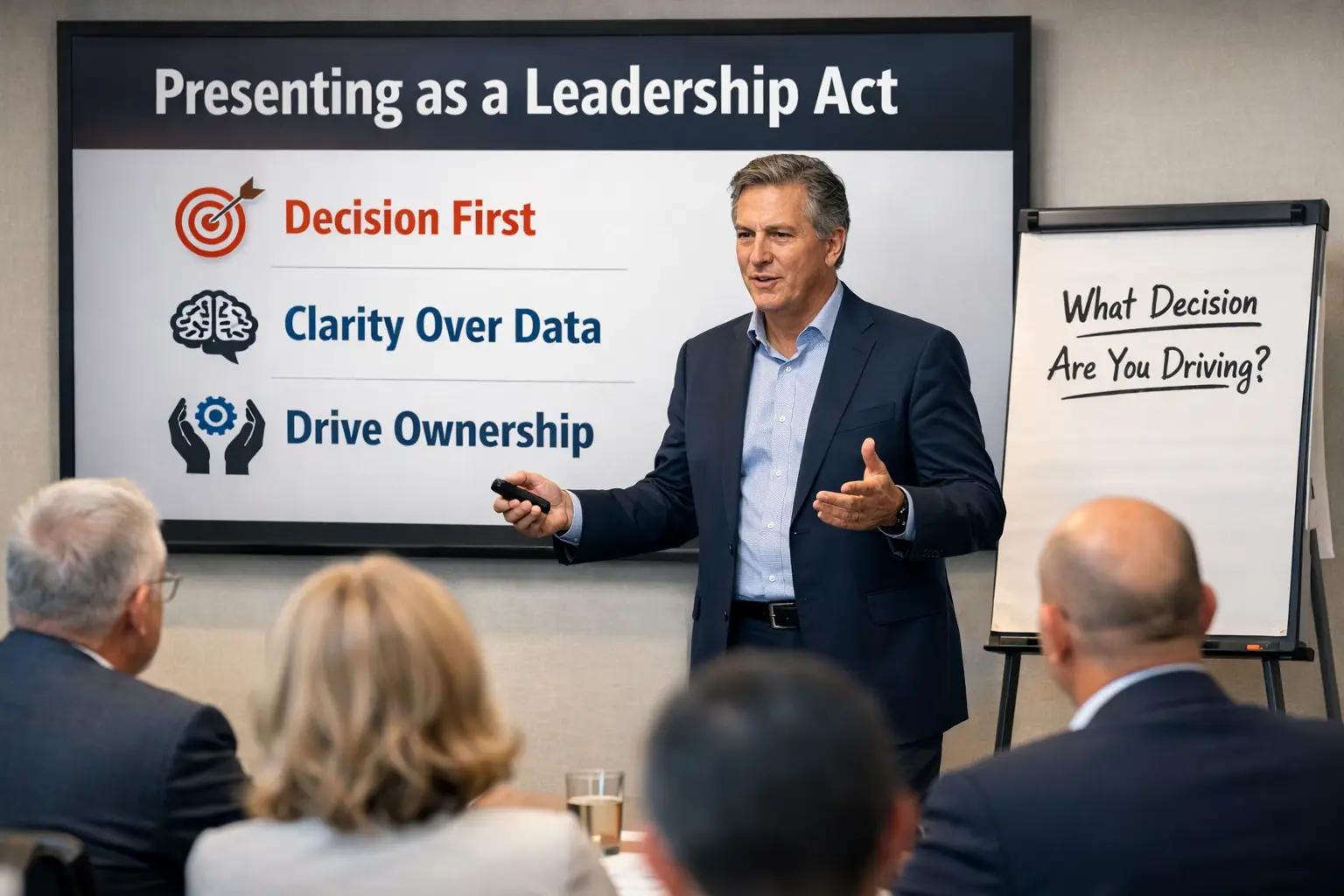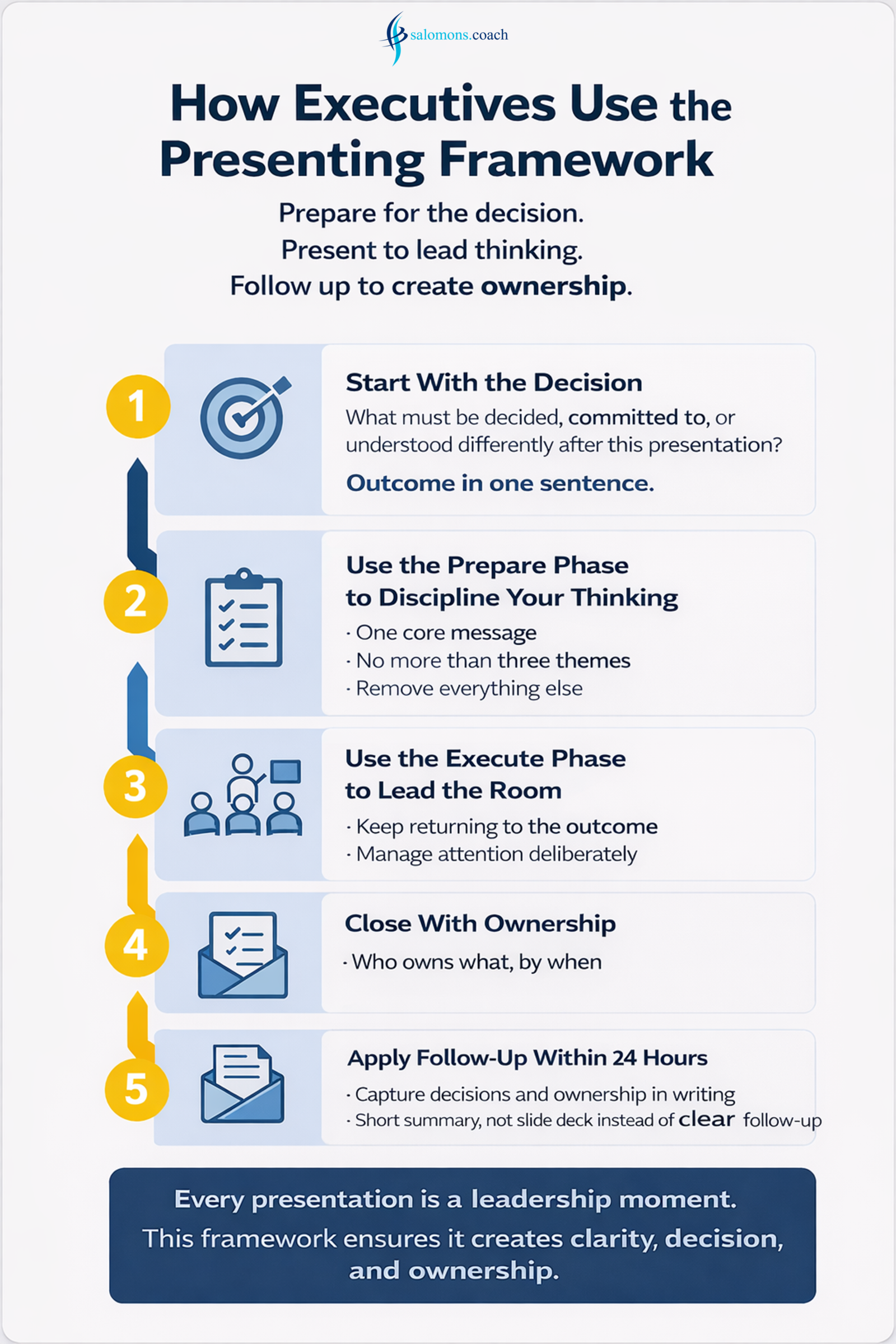
Most presentations fail not because the content is weak, but because leadership intent is unclear. Drawing on years of training and coaching senior leaders, this article reframes presentation skills as a leadership behavior under pressure, where decisions are enabled, complexity is reduced, and ownership becomes explicit. Presenting, done well, is not about slides. It is about leading thinking in the room.
Many experienced leaders hesitate when reaching out to their network, not because they lack capability, but because they struggle with how to ask. This article explains why senior professionals often get networking wrong, how to reframe outreach as a leadership act, and how to invite meaningful conversations that lead to real opportunities.
At some point in every serious leadership journey, progress starts to feel hollow. You are delivering, trusted, and influential—yet a deeper question emerges: Is this the life I actually want to be building? This reflection explores leadership, integrity, and what truly endures over time.
In coaching supervision, I return to three questions that keep me sharp as a coach — and grounded as a leader. They are not about tools or techniques, but about self-awareness, restraint, and the courage to slow down when speed is expected. These reflections matter not only for coaches, but for every leader navigating complexity.
Leadership is not revealed in intentions, values, or language. It is revealed in results.
In my work with leaders and teams, I always start with outcomes — and then work backwards to what leadership truly demands under pressure. Not to judge, but to understand which patterns, decisions, and behaviors are quietly shaping performance.
Results are never the problem. They are the mirror.
After job loss, many CVs become longer — and weaker. This article explains why modern CVs must shift from career history to relevance, and how AI screening has made positioning non-negotiable. Your CV is no longer a record of the past. It is a focused case for why you fit this role, now.
Especially after redundancy, many professionals explain themselves too much — in interviews, CVs, and conversations. But interviews are not about telling your story. They are about positioning. This article shows why “tell me about yourself” is a strategic question — and how to answer it with relevance, not biography.
In high-pressure leadership environments, silence is often mistaken for indecision. Yet the most important insights rarely emerge in the middle of noise. They surface afterwards, when reaction stops and space is created to think.
Drawing from decades of leadership experience and supported by neuroscience, this article explores why silence is not the absence of leadership, but a condition for it. Silence reduces cognitive load, calms the nervous system, activates reflective brain networks, and supports clarity, creativity, and better decision-making.
You will...
In this personal leadership journey, Jan Salomons shares how he transitioned from an engineering teacher to a global executive and ultimately to a leadership and executive coach. Drawing on more than 35 years of international leadership experience across complex organisations, he reveals the pivotal insights that shaped his purpose: leadership is human work, not just technical or operational skill. His evolution into coaching grew from a belief that sustained behavioural change and self-awareness unlock real performance and resilient teams
The latest scientific research on workplace coaching shows a clear, measurable pattern: meaningful change happens in four stages. Leaders first gain emotional clarity and self-awareness, then release limiting beliefs, realign their behaviour and skills with a stronger identity, and finally see measurable performance improvements. This progression mirrors the 4R Model (Reflect–Reset–Re-Align–Rise™). Backed by meta-analyses and randomized controlled trials, the evidence confirms that sustainable leadership performance begins with inner clarity—not with KPIs.