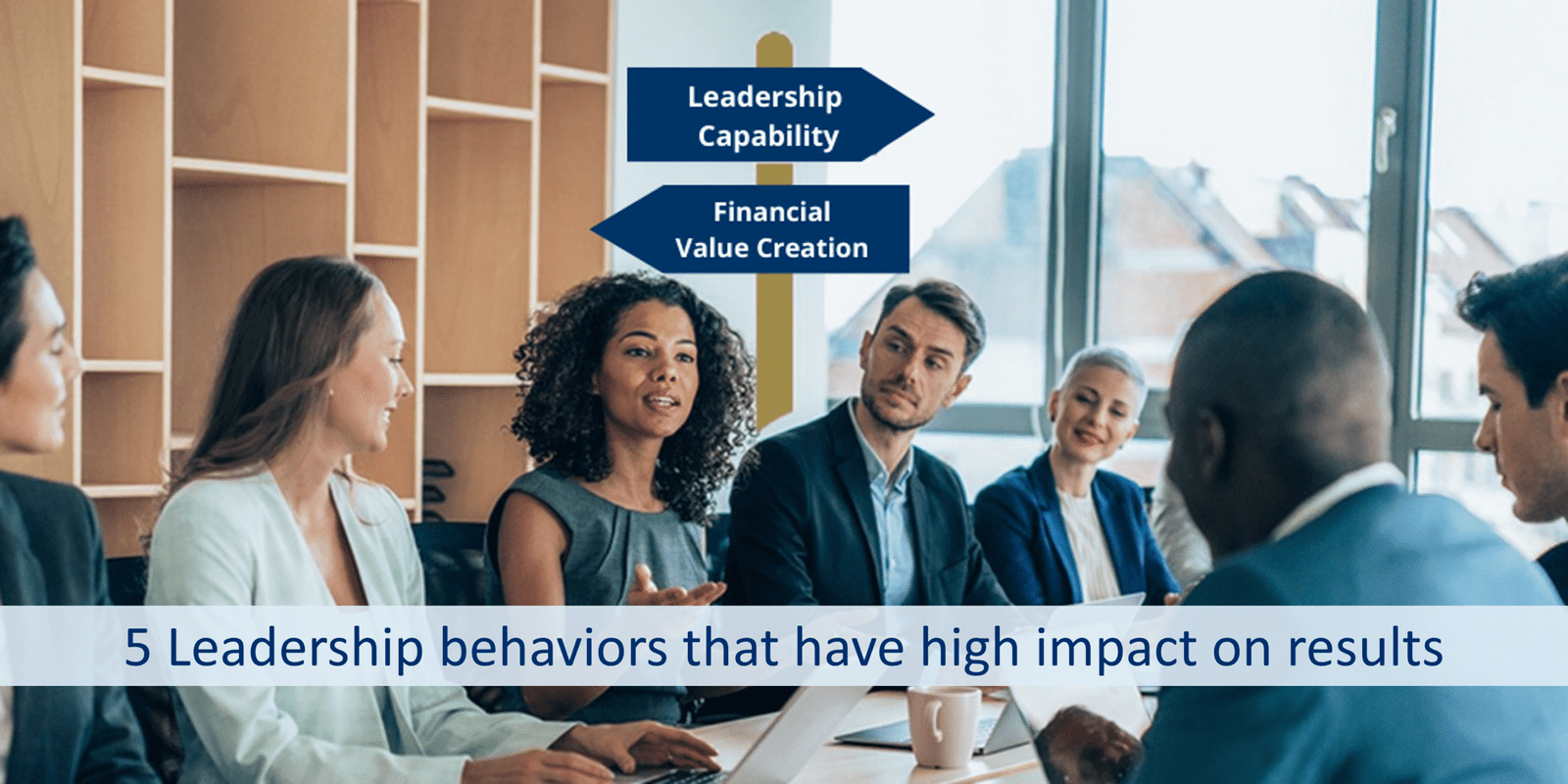
Leadership is not defined by role or hierarchy, it is defined by behavior. After 35 years in global executive roles, I’ve seen the same truth everywhere: when leaders listen, decide, align, and act consistently, organizations perform. When they don’t, culture weakens, collaboration breaks, and operational results decline. Leadership is a daily behavioral practice, and the strongest organizations are led by those who understand this.
---
If you want a shorter or more SEO-focused version, I can create that too.
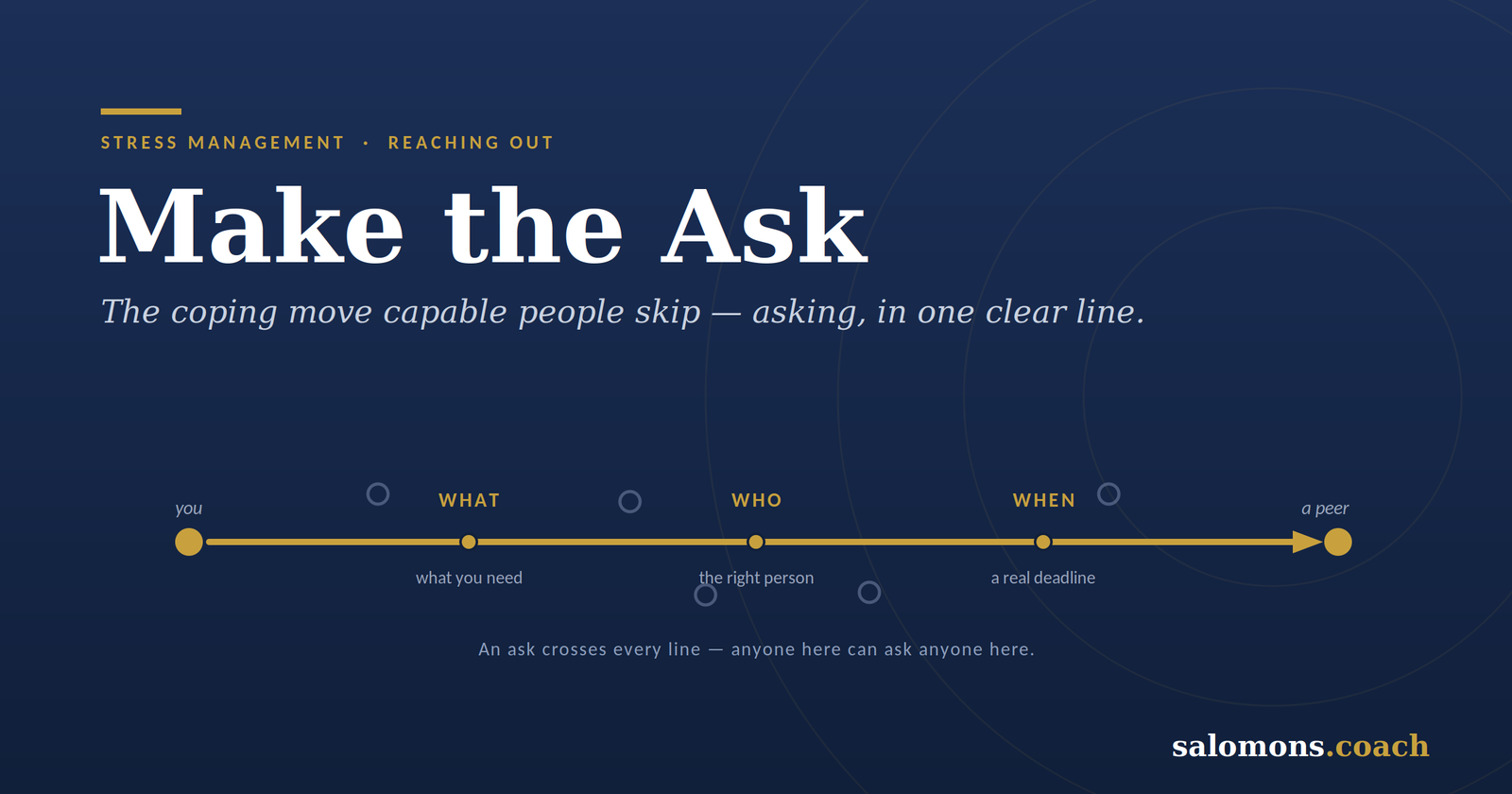
The fastest way to lighten a heavy load is to ask someone for help. It's also the move the most capable people on a team will do almost anything to avoid. Here's how I run a workshop that turns asking from a private admission into a shared, practised skill.
In a VUCA world, the leaders and professionals who thrive are not the ones with the most experience — but the ones with the best learning habits. Inspired by Daniel H. Pink’s science-based insights, this article explores eight powerful habits that sharpen thinking, build resilience, and accelerate growth. Whether you’re leading in uncertainty or navigating a career transition after redundancy, these habits — combined with my 4R Model (Reflect > Reset > Re-Align > Rise™) — provide a practical roadmap to stay adaptive, confident, and future-ready.
Purpose isn’t a slogan or a statement — it’s a force that moves you. In this post, Jan Salomons explores the difference between intellectual purpose and deep purpose: the kind that calls you into action even when it’s uncomfortable. Drawing on insights from Frederic Laloux, his coaching practice, and his experience in VUCA leadership, he explains how purpose guides choices, builds trust, and creates focus amid uncertainty. Discover how to sense your true purpose — not from your mind, but from what feels deeply right — and how to lead from it.
trong emotions aren’t the enemy — they’re leadership data. In today’s volatile and uncertain world, emotions like frustration or fear often mask deeper values and unmet needs. Reframing helps leaders decode those emotions, turning tension into insight and pressure into performance. In this post, Jan Salomons explores how emotional intelligence and reframing allow leaders to stay grounded in a VUCA world — transforming reaction into reflection, and reflection into purposeful action. Learn how to work with, not against, your emotions and use them as a catalyst for self-leadership and organizational growth.
Strong emotions aren’t the problem — how we frame them is. In today’s volatile and uncertain world, leaders face constant pressure that triggers frustration, fear, or doubt. Reframing helps transform those emotions into clarity, courage, and connection. Instead of reacting, leaders learn to pause, reflect, and uncover the message behind the feeling. In this post, Jan Salomons shares how reframing turns emotion into data, reaction into reflection, and pressure into leadership strength — a crucial skill for leading in a VUCA world. Learn how to make emotions your ally and navigate complexity with self-awareness and purpose.
Feedback is often misunderstood as something to endure rather than embrace. Yet in my years as an executive and leadership coach, I’ve learned that growth doesn’t come from giving the perfect feedback—it comes from receiving it well. When we move beyond defensiveness and see criticism as potential coaching, feedback turns from a threat into a tool for learning. The moment we shift our mindset from “What’s wrong with me?” to “What can I learn here?”, we unlock one of the most powerful levers of leadership growth: the ability to find the coaching in criticism.
Discover the true essence of Ikigai—far beyond the popular Venn diagram. Rooted in Japanese culture, Ikigai is about finding joy and purpose in the small, meaningful moments of everyday life. Learn how this concept has been misunderstood and how embracing its authentic meaning can lead to a more fulfilling existence.
The COVID years gave us flexibility — and many teams kept it. Yet what began as empowerment slowly turned into routine. Offices stay quiet midweek, but results don’t automatically follow. The issue isn’t hybrid work itself; it’s the gradual loss of ownership for outcomes. In this blog, Jan Salomons explores how leaders can rebuild clarity, accountability, and rhythm without dictating hours or presence. Using his iterative Way of Working — assignment > diagnostics > co-creation delivery evaluation > hyper care > handover > on-demand support — he shows how organizations can improve productivity, quality, and engagement by focusing on results, not routines.
Leadership isn’t about power, it’s about influence. Discover what *You’re the Boss* by Sabina Nawaz teaches leaders about clarity, feedback, and trust – including a real-life case from the boardroom.