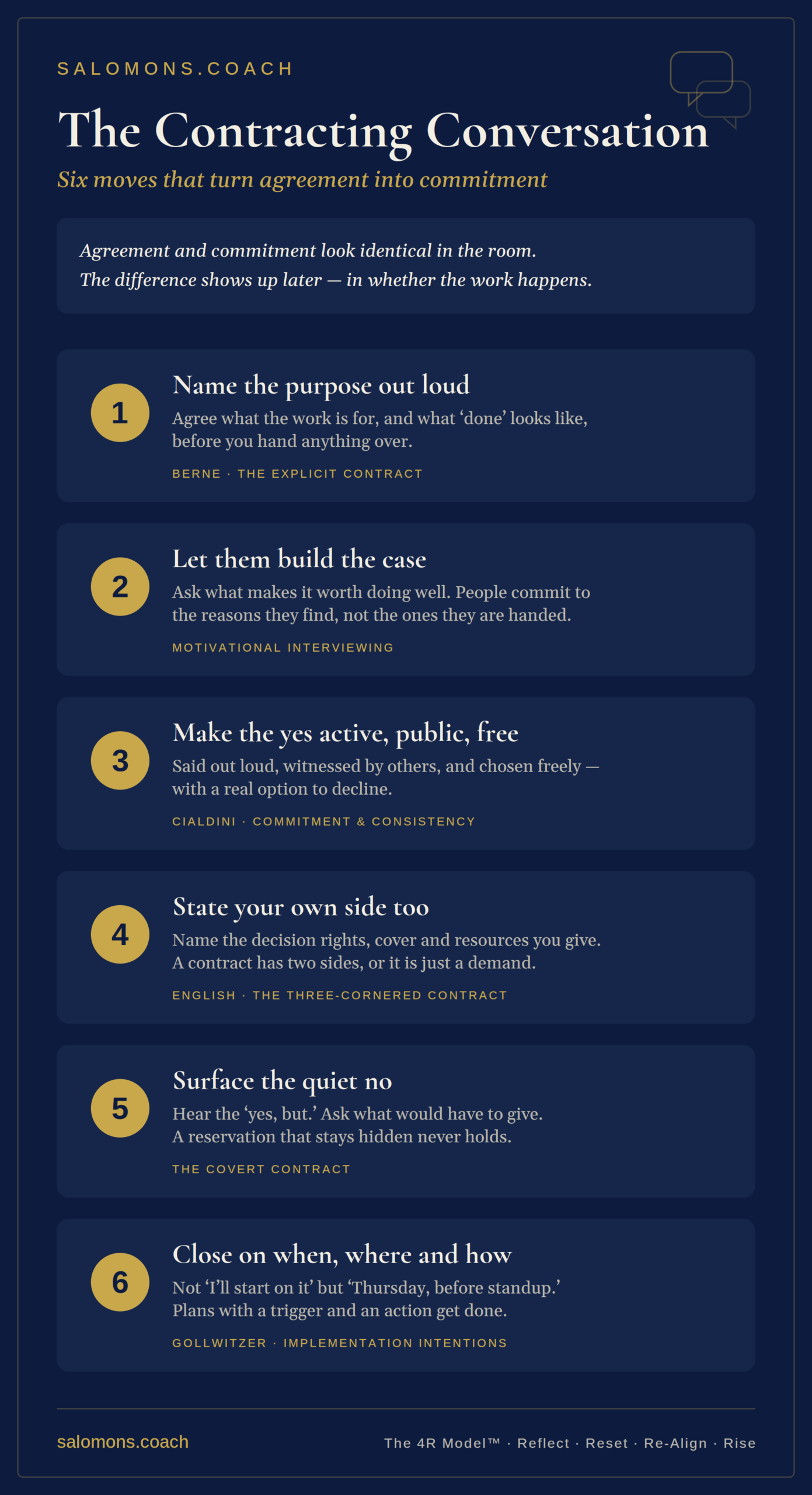
Getting someone to say yes is easy. Getting a yes that survives your absence is the real work of leadership. Six research-backed moves that turn polite agreement into commitment people genuinely own.
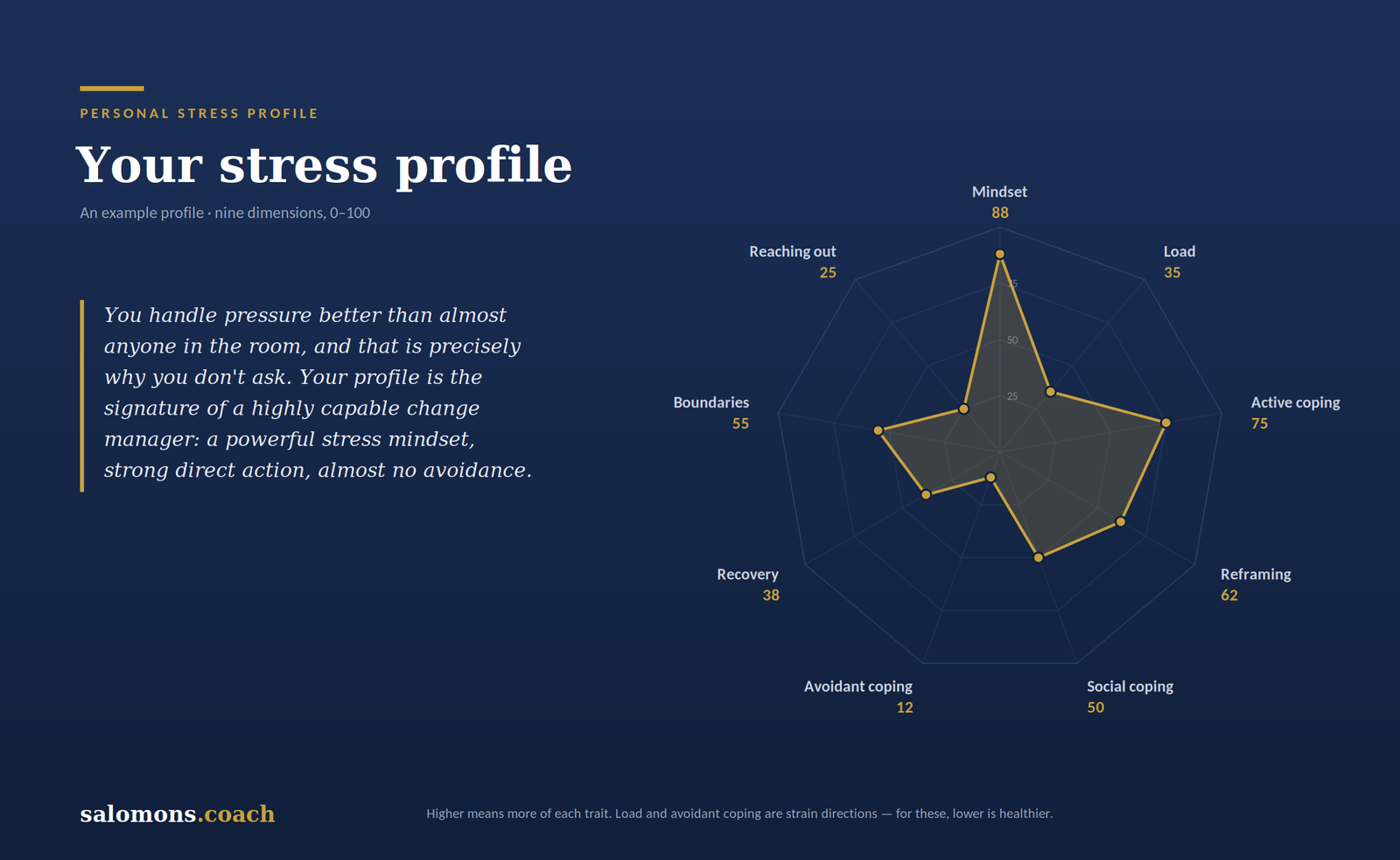
The Personal Stress Coping Profile™ provides a structured mirror of current pressure, coping responses, resilience resources, boundaries and recovery. It creates insight without diagnosing or labelling—and connects personal awareness with the wider team conditions that influence how people cope.
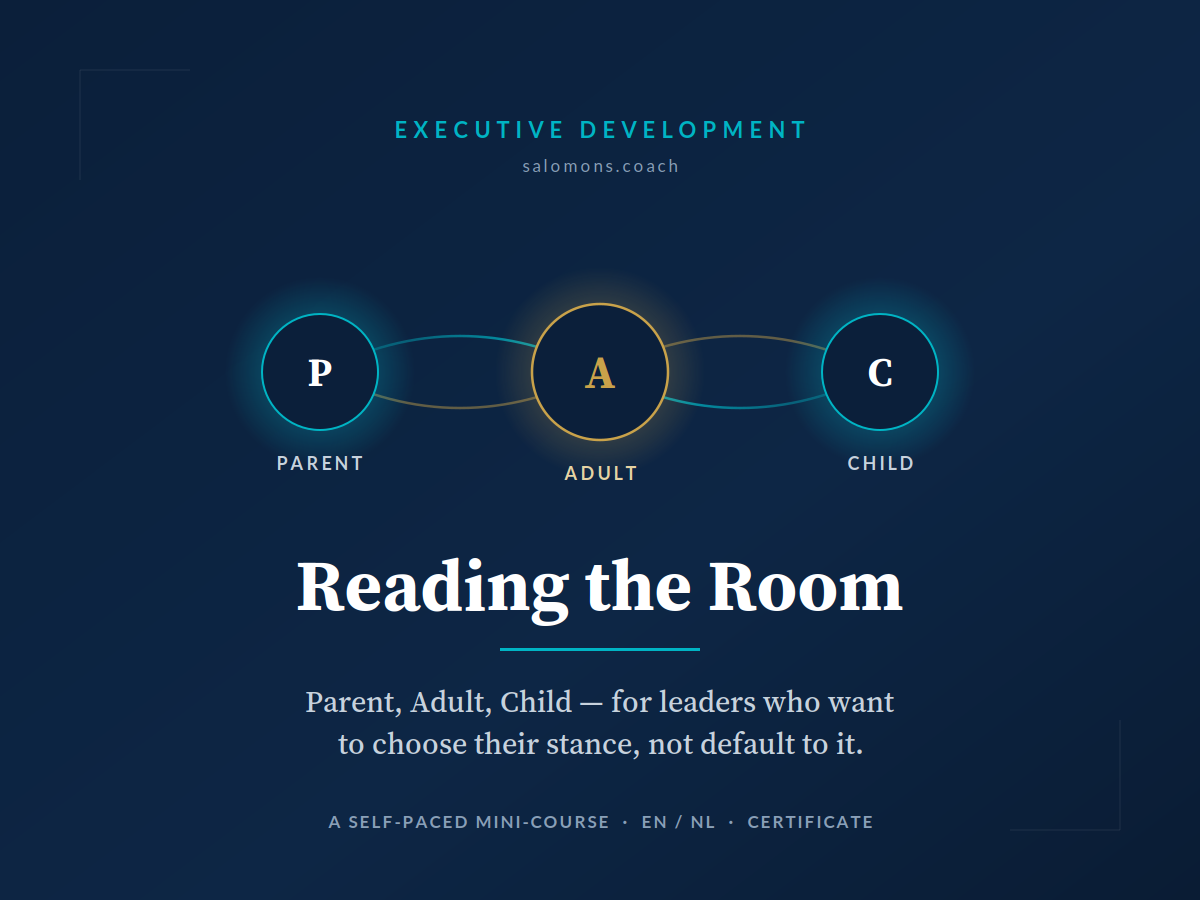
Parent Adult Child leadership explains why the mode you default to — Parent, Adult or Child — quietly shapes whether your people grow or stay dependent.
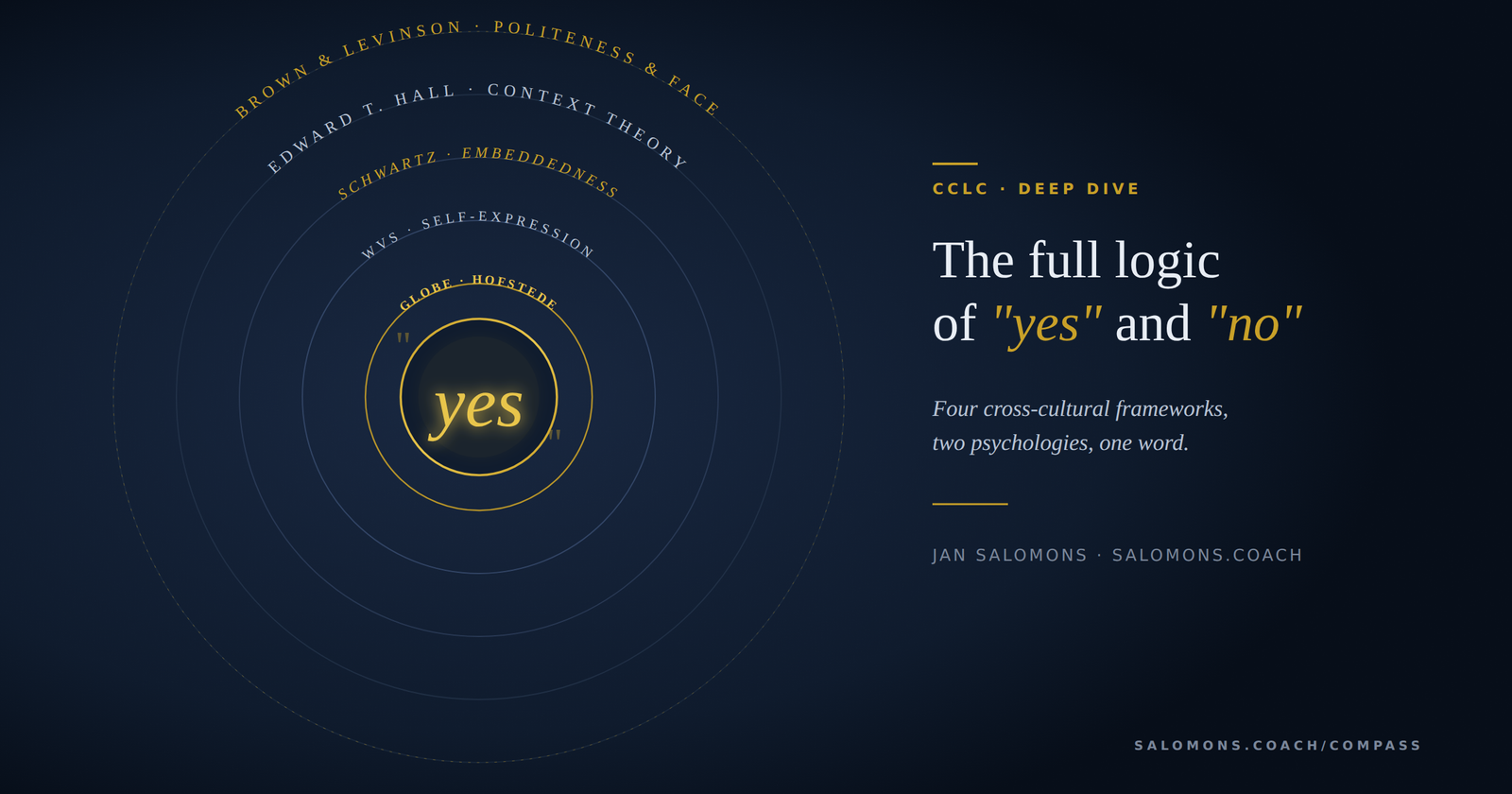
A yes from Beijing and a yes from Amsterdam can come out of the same mouth in the same meeting and mean radically different things. A reference-grade walk through the four cross-cultural frameworks — Hofstede, GLOBE, WVS, Schwartz — and the two psychological theories underneath that explain why.
The EU Pay Transparency Directive shifts the burden of proof onto the employer. A pay difference will now require an objective, documented justification, or a correction. "She negotiated harder when she joined" is not a defence. "He's been here longer" might be — if your tenure logic is documented.
The leaders who navigate this well will be the ones who do the work before the questions arrive. Conversation by conversation, fairness becomes a leadership problem.
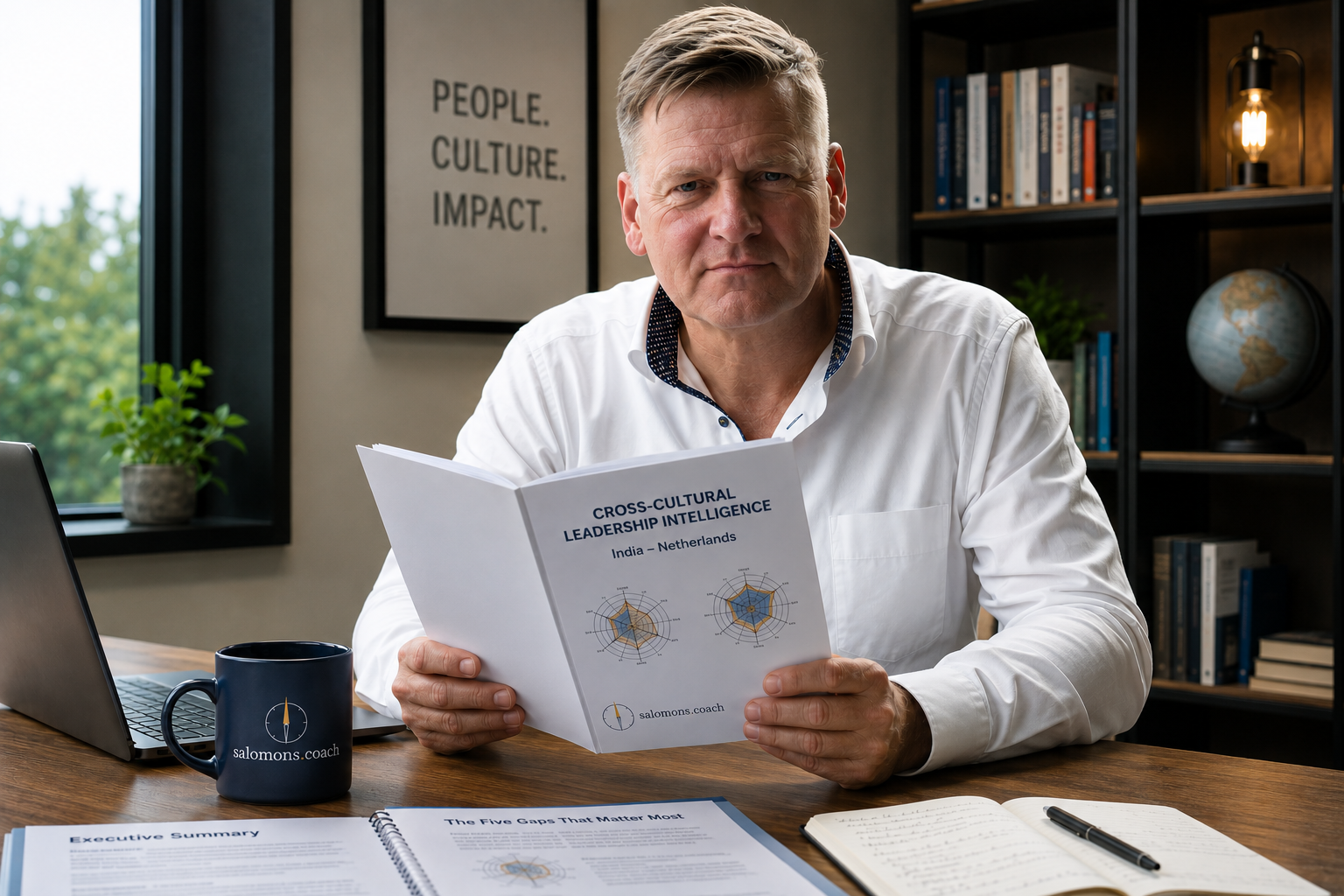
The Cross-Cultural Leadership Compass (CCLC) offers powerful insights into how cultural differences shape leadership, communication, and trust. I use it exclusively as part of coaching, where we interpret the findings together and turn them into practical action. This article explains
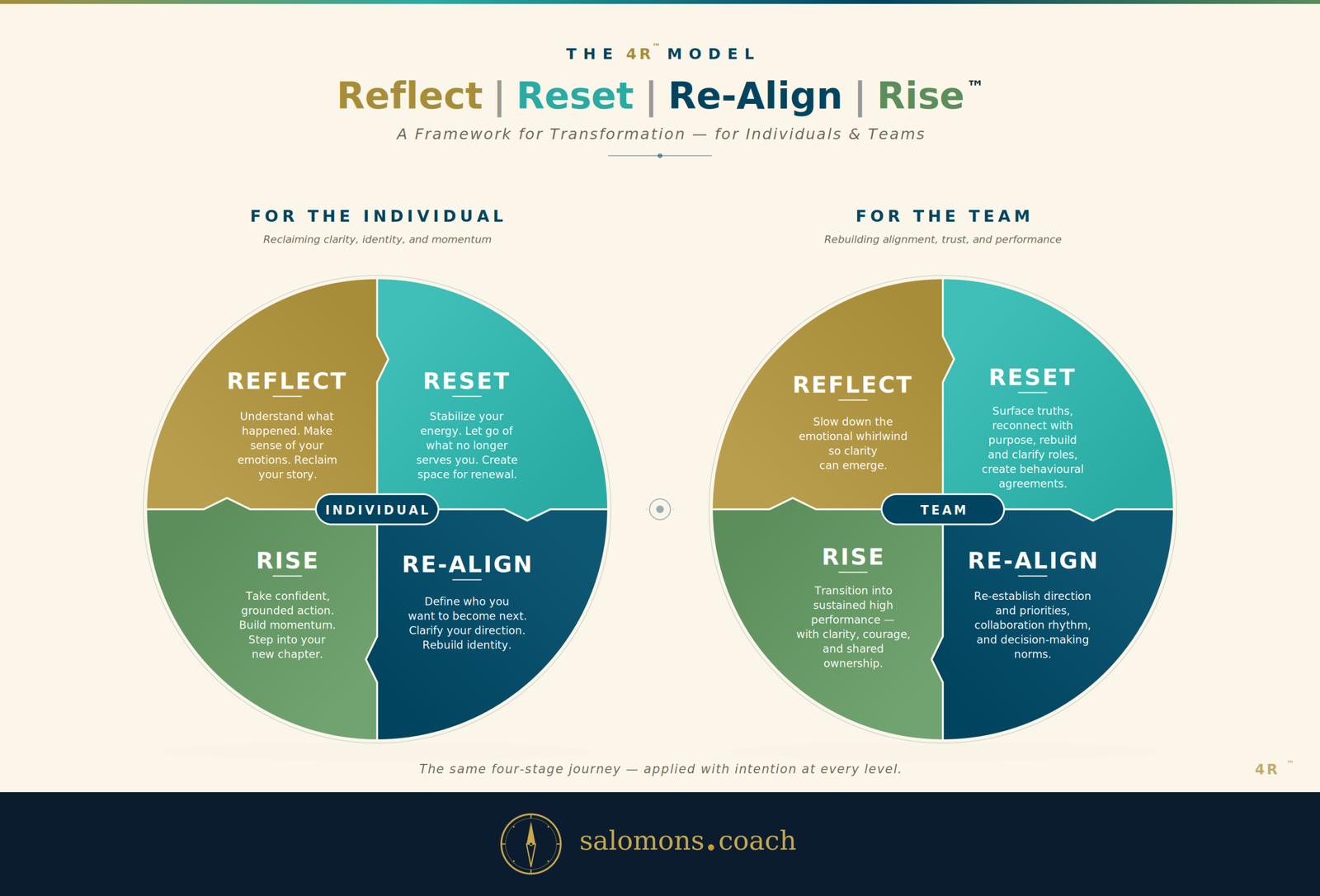
Setbacks demand action. Reflection demands stillness. The first stage of the 4R™ Model asks you to do the harder thing — stay with what happened long enough to make sense of it. Why Reflect is the foundation every transformation is built on.
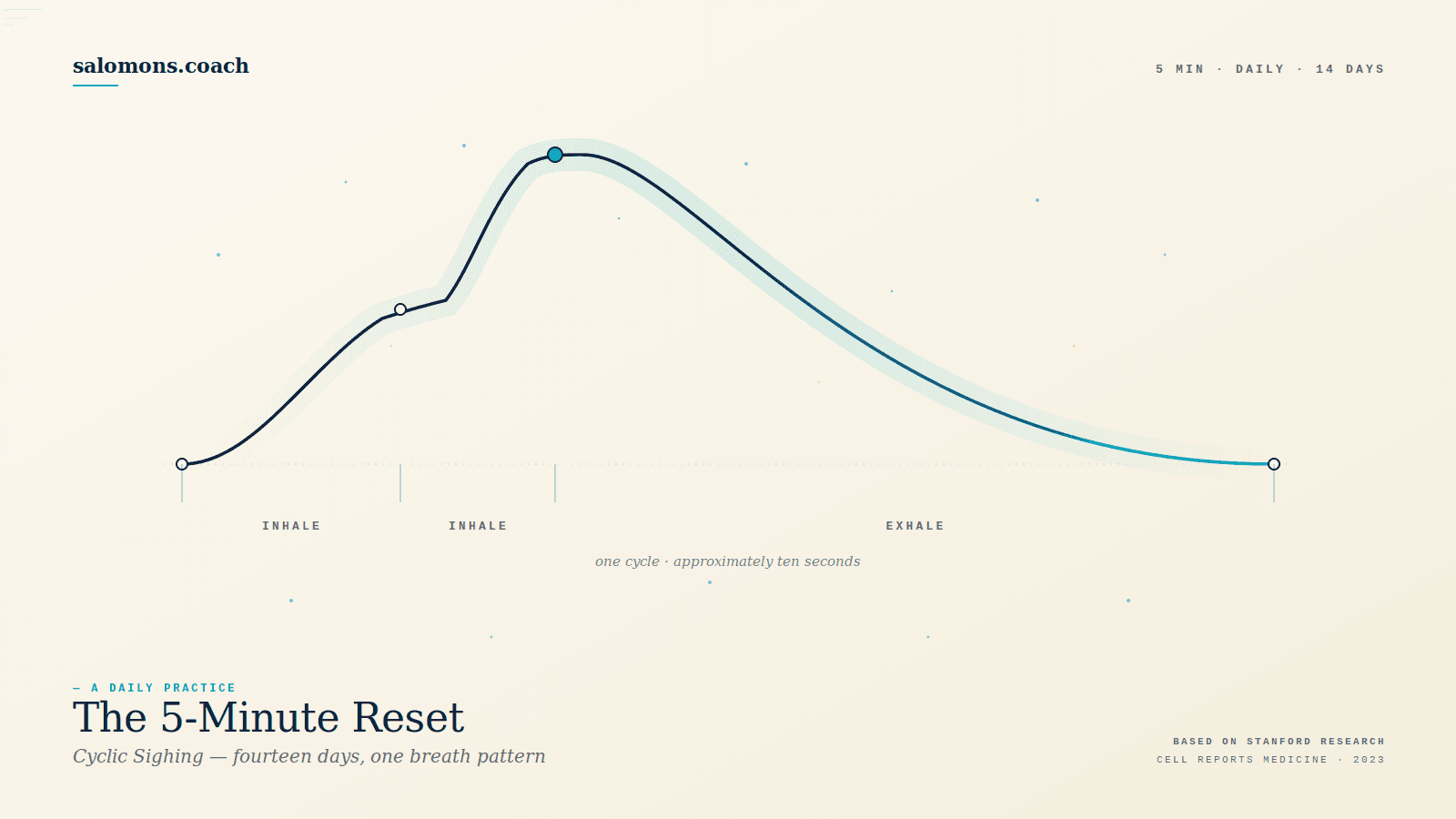
A 2023 randomized trial pitted four breathing techniques against each other. The winner takes five minutes a day. Here's what it taught me and how I built it into my coaching practice.
When four of your twelve team members may be made redundant — but nothing is official yet — leadership becomes something different. It becomes the art of holding people together in uncertainty. This post offers six practical principles for leading through the wait: with honesty, focus, differentiation, and the kind of steadiness that people will remember long after the decision is made.
How does one person actually change the world? Not through grand gestures, but through shifts in thinking and behavior that ripple outward. This article explores the science behind societal change, from evolutionary psychology to systems thinking. It shows how mental models shape behavior, how small choices scale into cultural shifts, and why institutions tend to follow rather than lead. For leaders, the implication is clear: real change starts with how individuals see their role in the system. When enough people act differently, culture moves—and with it, performance, policy, and outcomes.