Busyness has become a badge of honor, but it rarely leads to impact or well-being. In this post, Jan Salomons explores why being busy is more often a habit than a necessity — and how leaders can shift from managing time to managing focus. In a VUCA world, where speed and complexity dominate, clarity and reflection become the real leadership differentiators. Learn how to move from motion to meaning through self-awareness, attention, and purpose, and discover why slowing down might be the smartest move you can make.

trong emotions aren’t the enemy — they’re leadership data. In today’s volatile and uncertain world, emotions like frustration or fear often mask deeper values and unmet needs. Reframing helps leaders decode those emotions, turning tension into insight and pressure into performance. In this post, Jan Salomons explores how emotional intelligence and reframing allow leaders to stay grounded in a VUCA world — transforming reaction into reflection, and reflection into purposeful action. Learn how to work with, not against, your emotions and use them as a catalyst for self-leadership and organizational growth.
Strong emotions aren’t the problem — how we frame them is. In today’s volatile and uncertain world, leaders face constant pressure that triggers frustration, fear, or doubt. Reframing helps transform those emotions into clarity, courage, and connection. Instead of reacting, leaders learn to pause, reflect, and uncover the message behind the feeling. In this post, Jan Salomons shares how reframing turns emotion into data, reaction into reflection, and pressure into leadership strength — a crucial skill for leading in a VUCA world. Learn how to make emotions your ally and navigate complexity with self-awareness and purpose.
Feedback is often misunderstood as something to endure rather than embrace. Yet in my years as an executive and leadership coach, I’ve learned that growth doesn’t come from giving the perfect feedback—it comes from receiving it well. When we move beyond defensiveness and see criticism as potential coaching, feedback turns from a threat into a tool for learning. The moment we shift our mindset from “What’s wrong with me?” to “What can I learn here?”, we unlock one of the most powerful levers of leadership growth: the ability to find the coaching in criticism.
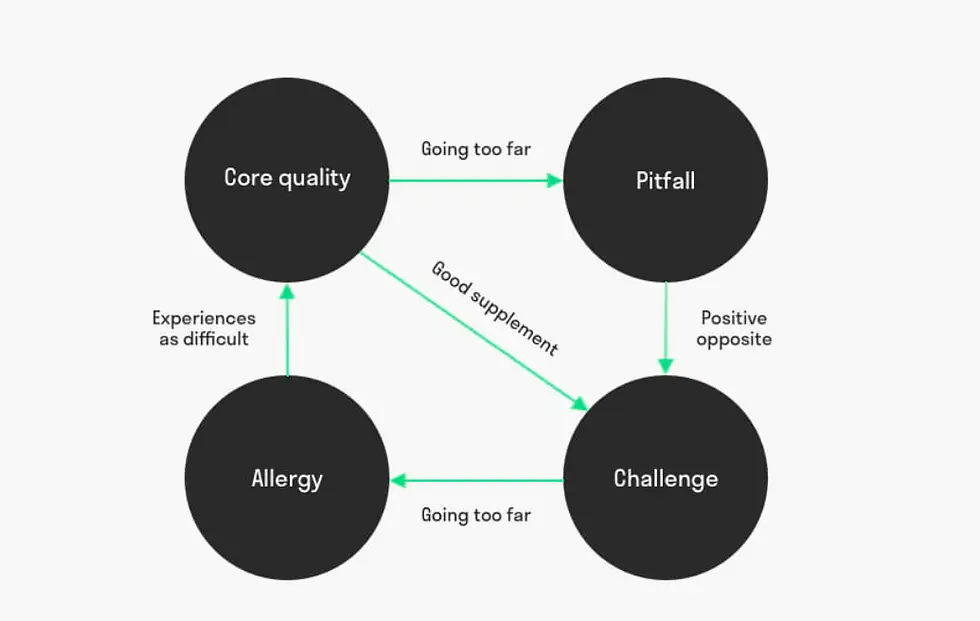
The Core Quadrants by Daniel Ofman are an effective tool for team building, helping teams understand individual dynamics and how to collaborate better. By identifying core qualities, pitfalls, challenges, and allergies, teams gain insights into strengths and areas for growth. For example, one team member’s creativity (core quality) may lead to chaos (pitfall), while another’s structure (core quality) could result in rigidity (pitfall). By discussing complementarities and irritations (allergies), teams learn to value differences and work cohesively. Regular reflection and integration of core quadrants into daily collaboration foster a culture of feedback, problem-solving, and celebrating contributions, strengthening overall team performance.
Discover the true essence of Ikigai—far beyond the popular Venn diagram. Rooted in Japanese culture, Ikigai is about finding joy and purpose in the small, meaningful moments of everyday life. Learn how this concept has been misunderstood and how embracing its authentic meaning can lead to a more fulfilling existence.
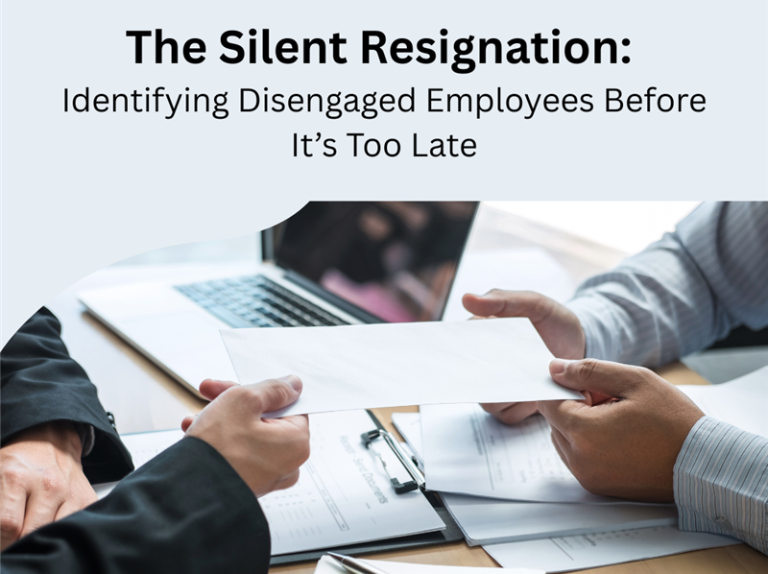
In today’s fast-changing workplace, leaders and teams benefit from regularly reflecting on whether their current environment still supports their energy, growth, and purpose. Using a structured reflection questionnaire, I help leaders gain clarity on what strengthens or drains them — and whether they should stay, adjust, or move on. The same process transforms teams by uncovering hidden dynamics, restoring passion, and realigning people with the mission and vision. This reflective approach boosts engagement, performance, and retention, while preventing silent resignation long before it starts. Reflection isn’t a sign of doubt — it’s a sign of leadership.
I still remember the moment I lost my cool. The frustration had been building for days, and during a routine meeting with one of my subordinates, I snapped. My words were sharp, my tone unkind, and the look on their face—shock and hurt—was a painful reminder that I’d crossed a line.
As leaders, we often pride ourselves on staying composed, but we’re human, too. That day, I learned the hard way that managing others starts with managing yourself. Emotional outbursts can damage trust and relationships, but they can also be a wake-up call for growth.
If you’ve faced similar challenges, it’s time to take charge of your emotions and lead with resilience. Let me guide you. Explore my coaching services or my online course, “Dealing with Difficult Personalities,” and turn challenges into opportunities for stronger leadership. Visit salomons.coach to learn more.
What’s in your leadership “shopping cart”? The narratives we tell ourselves shape our identity, decisions, and effectiveness as leaders. This post explores the "Shopping Cart Theory" as a metaphor for self-reflection, highlighting how minor actions reveal deeper leadership qualities. By examining what you carry—accomplishments, fears, or values—you can reshape your story to unlock growth, authenticity, and resilience. Discover how small, conscious choices and a guided coaching process can transform your leadership journey.
Boosting Your Self-Awareness: Free Online Course (60 Minutes)
Unlock the power of self-awareness to transform your leadership and personal life! In this dynamic course, you’ll discover how self-awareness enhances decision-making, emotional intelligence, and resilience at work, while also fostering stronger relationships, emotional well-being, and authentic living privately. With practical tools and actionable steps, you’ll learn to reflect effectively and create meaningful change in just 60 minutes. Don’t miss this opportunity to invest in yourself—free until 28-Feb-25. Take the first step toward becoming the best version of yourself today!
Enroll Now at salomons.coach