Excellent leadership dialogue is not about open discussion without boundaries. It is a disciplined practice that creates shared understanding, surfaces real differences, and leads to genuine commitment. When leaders avoid constructive conflict or rush to agreement, alignment becomes fragile and execution suffers. The strongest leadership teams invest in dialogue first, so commitment follows naturally, without the need to manage appearances.

Many leadership teams mistake agreement for commitment. When dialogue is rushed and constructive conflict is avoided, alignment becomes something that must be shown rather than earned. People comply, but they do not commit. Real alignment is built earlier, through disciplined dialogue, the courage to surface different perspectives, and the willingness to stay in the conversation until shared understanding emerges. When leaders invest in that process, commitment follows naturally. And when commitment is real, alignment no longer needs to be managed, it simply shows.
Most teams don’t fail because they don’t work hard — they fail because they work too fast, too isolated, and without reflection.
When every team focuses on solving its own problems, sub-optimization becomes inevitable. Each quick fix triggers side effects elsewhere, creating a vicious cycle of ad-hoc problem-solving that drains energy and weakens performance.
Research on High-Performing Teams shows that real success depends on trust, shared purpose, and systemic alignment — not more speed.
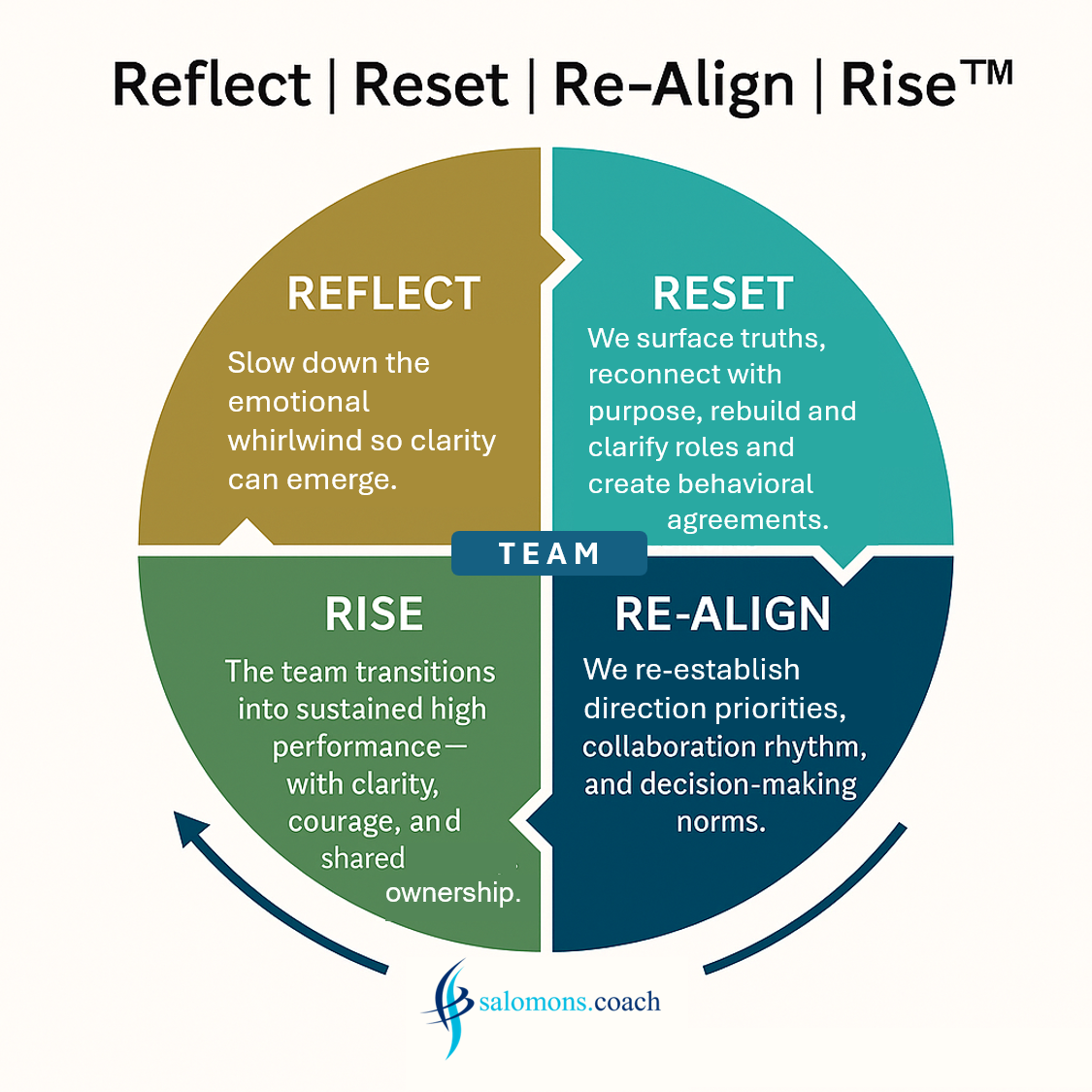
Breaking that cycle starts when leaders and teams slow down long enough to Reflect, Reset, Re-Align, and Rise™ — together.
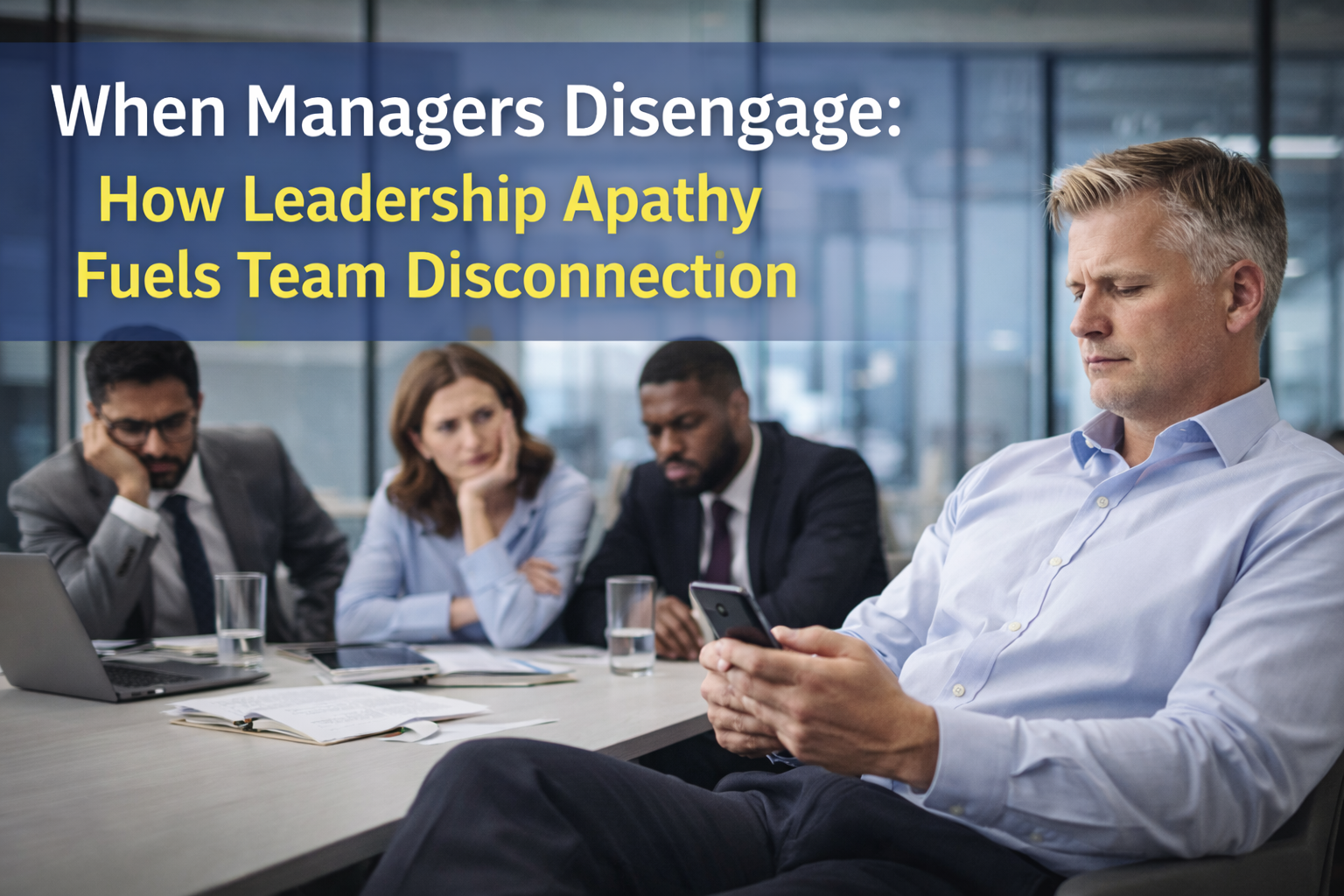
After my last post — “Is it time to stay or move on?” — someone asked, “What about disengaged managers?” It’s a fair question — and maybe the real one. Research shows only one in four managers is engaged, and when leaders disconnect, their teams follow. Disengagement often starts when managers stop reflecting on why they lead. Regular reflection isn’t self-indulgent — it’s leadership maintenance. Before judging a team’s motivation, every leader should pause and ask: Am I still connected to my purpose — or is it time to stay, or move on?
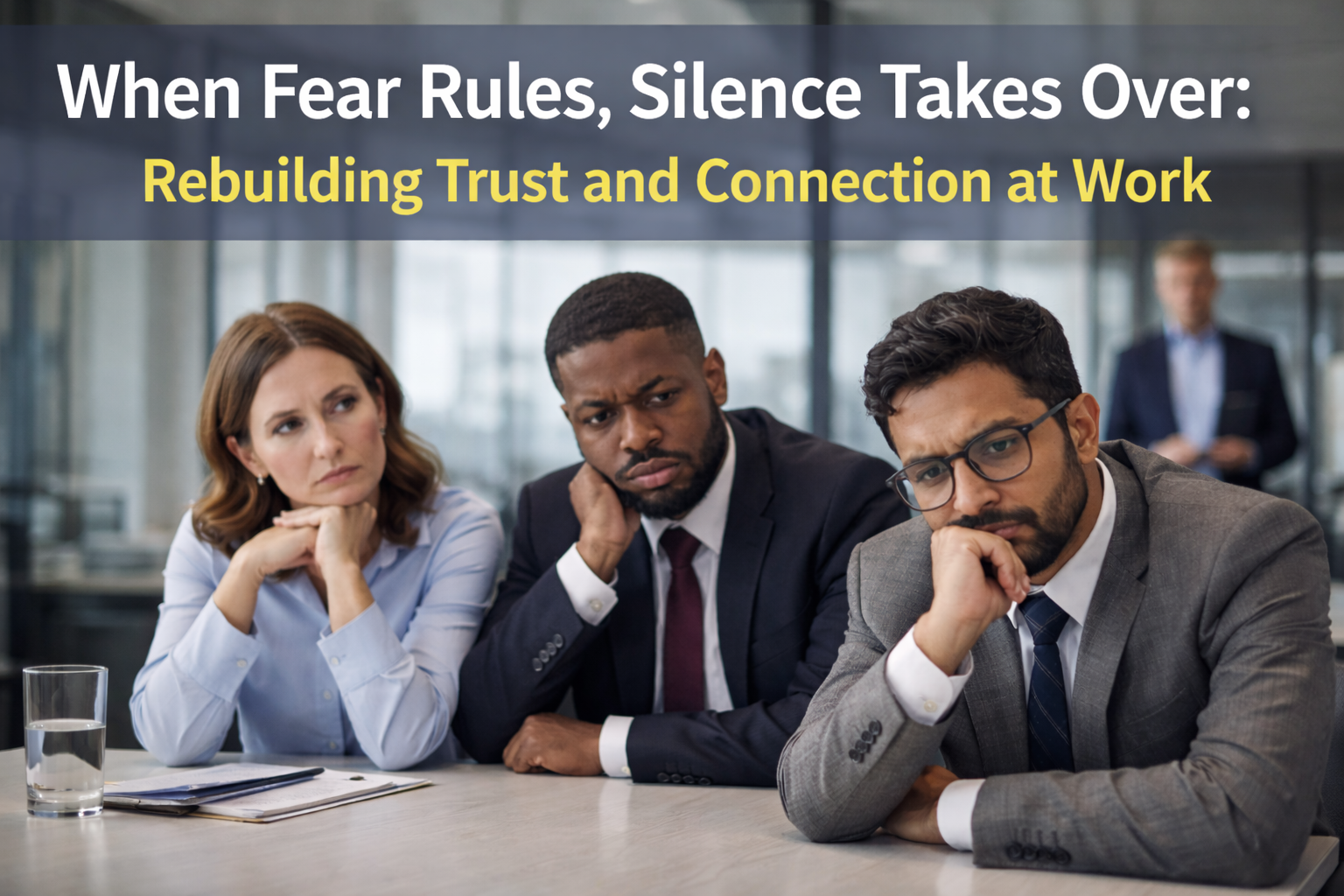
Fear can quietly take over organizations — through silence, control, and pressure — until trust disappears and performance collapses. In this article, Jan Salomons explores how fear-based leadership emerges and what leaders can do to reverse it. He shares five practical ways to rebuild trust, including how to reframe control, invite openness, and restore team rhythm. In a VUCA world, where change and uncertainty trigger anxiety, leaders who recognize and address fear become the real stabilizers of culture. Learn how awareness, consistency, and courage can turn fear into focus and connection.
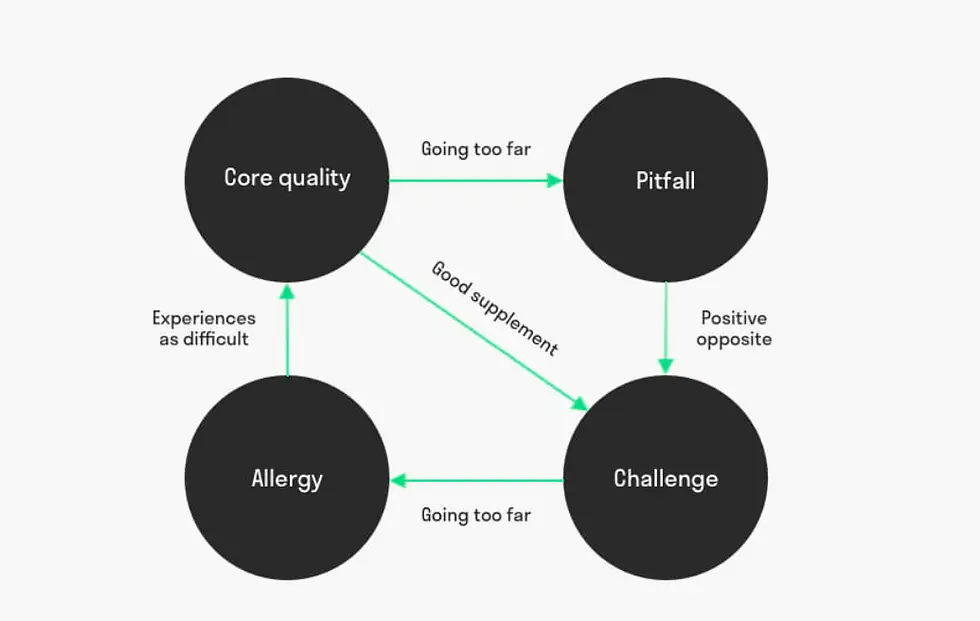
The Core Quadrants by Daniel Ofman are an effective tool for team building, helping teams understand individual dynamics and how to collaborate better. By identifying core qualities, pitfalls, challenges, and allergies, teams gain insights into strengths and areas for growth. For example, one team member’s creativity (core quality) may lead to chaos (pitfall), while another’s structure (core quality) could result in rigidity (pitfall). By discussing complementarities and irritations (allergies), teams learn to value differences and work cohesively. Regular reflection and integration of core quadrants into daily collaboration foster a culture of feedback, problem-solving, and celebrating contributions, strengthening overall team performance.
Strong decision-making is the cornerstone of effective leadership. It provides clarity, empowers teams, and ensures agility in complex situations. By defining problems accurately, gathering diverse perspectives, and taking decisive action, leaders can reduce inefficiency and build trust. Decision-making isn’t just about choosing the right path—it’s about fostering alignment and learning from outcomes. When leaders approach decisions systematically, they create momentum, confidence, and long-term success for their teams and organizations.
Cameras On or Off?
New research from Harvard, MIT, and Stanford reveals that virtual presence affects our energy, focus, and connection in complex ways. Cameras on foster trust, empathy, and visibility — ideal for one-on-one coaching and emotionally rich conversations. Cameras off reduce fatigue and sharpen deep listening, especially in large meetings where constant visibility causes cognitive overload. The key is not choosing one or the other, but using both intentionally. Co-create norms, use short “camera-off” reflection moments, and turn off self-view to protect attention and well-being. Presence isn’t about being seen — it’s about being fully engaged.
High-performing teams don’t emerge by accident — they are built through a deliberate sequence of reflection, reset, alignment, and growth. My Reset → Align → Rise framework guides leaders and teams through this journey. We begin by exploring energy, values, and alignment, before surfacing truths and rebuilding the foundations of trust, safety, and purpose. From there, we clarify priorities, roles, collaboration rhythms, and decision-making norms. Finally, the team rises into sustained high performance, powered by clarity, courage, and shared ownership. This is how teams transform drift into direction — and pressure into performance.
Culture change is often misunderstood as mere slogans or posters, but true transformation begins with leadership behavior and systemic redesign. At TransLog, a European logistics organization, leaders discovered that their performance issues stemmed not from broken processes, but from a flawed behavioral system. By mapping leadership routines and co-creating a new behavior system, they shifted from siloed thinking to collaborative action. The results? Improved performance metrics and a culture that became integral to operations. Explore how intentional choices and structural changes can redefine your organization’s future and make culture a powerful business enabler.