Leadership isn’t about power, it’s about influence. Discover what *You’re the Boss* by Sabina Nawaz teaches leaders about clarity, feedback, and trust – including a real-life case from the boardroom.
Culture change is often misunderstood as mere slogans or posters, but true transformation begins with leadership behavior and systemic redesign. At TransLog, a European logistics organization, leaders discovered that their performance issues stemmed not from broken processes, but from a flawed behavioral system. By mapping leadership routines and co-creating a new behavior system, they shifted from siloed thinking to collaborative action. The results? Improved performance metrics and a culture that became integral to operations. Explore how intentional choices and structural changes can redefine your organization’s future and make culture a powerful business enabler.
Why do visionary leaders sometimes abandon their principles when the pressure mounts? Decisions like Meta ceasing fact-checking or Elon Musk supporting divisive figures highlight the complex interplay of fear, short-term thinking, and herd mentality in leadership. This blog explores the psychological and organizational dynamics behind these behaviors and offers actionable strategies to help leaders stay authentic, aligned with their values, and principled in turbulent times.
What’s in your leadership “shopping cart”? The narratives we tell ourselves shape our identity, decisions, and effectiveness as leaders. This post explores the "Shopping Cart Theory" as a metaphor for self-reflection, highlighting how minor actions reveal deeper leadership qualities. By examining what you carry—accomplishments, fears, or values—you can reshape your story to unlock growth, authenticity, and resilience. Discover how small, conscious choices and a guided coaching process can transform your leadership journey.
Miscommunication is a leading cause of workplace inefficiency and conflict, often resulting in misunderstandings, reduced productivity, and increased tension. Studies highlight how poor communication impacts team dynamics, leading to incorrect assumptions and diminished morale. Addressing these challenges requires fostering clarity, active listening, and emotional intelligence to create stronger connections and avoid conflict. Effective communication not only resolves workplace issues but also enhances collaboration and trust, driving both individual and organizational success.
Negativity can quietly erode team morale, productivity, and even a leader’s confidence. In this post, I share the story of Nathalie, an operations manager trapped in a cycle of workplace stress and unproductive venting—both in her team meetings and personal life. Together, we explored the psychological roots of negativity, its contagious effects, and strategies to break free. From reframing challenges to fostering constructive team dynamics, this journey reveals how leaders can transform negativity into solutions and growth. If workplace stress and team negativity feel overwhelming, this is your guide to leading with positivity and purpose.
The Real Reason You Feel So Busy (And What to Do About It), In this TED talk, Dorie Clark explains that feeling perpetually busy is often a result of poor prioritization rather than a lack of time. She emphasizes the importance of setting boundaries and saying “no” to non-essential tasks to focus on meaningful work, ultimately leading to greater fulfillment and productivity.
I want to be seen and heard, treated fair, flexible when family issues require our attention, etc. We also expect our manager to remember everything we 've said, as well as knowing what is happening in our lives, even to the point the manager will anticipate for events occurring or planned by us.
VUCA, standing for volatility, uncertainty, complexity, and ambiguity, describes today's dynamic business environment. The framework highlights the necessity for distinct responses to different challenges, rather than using VUCA as an excuse to avoid strategy and planning. Effective leadership requires agility and proactive management to navigate these unpredictable conditions, ensuring adaptability and resilience.
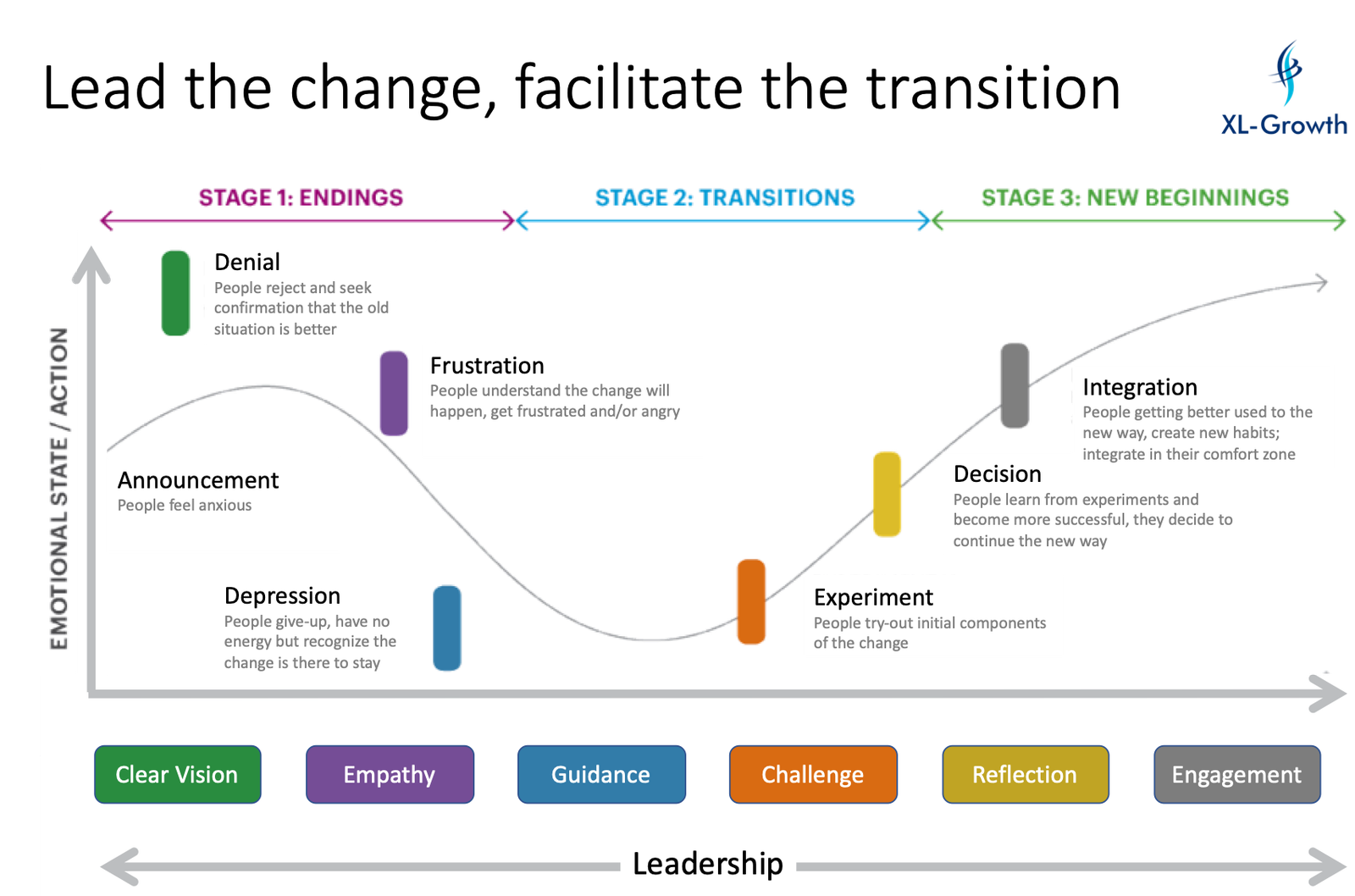
Leading change means facilitating transition. Learn how to meet people where they are, and how they can meet you where you are as leader. Combining existing models for change to one unique model. Proven in practice.