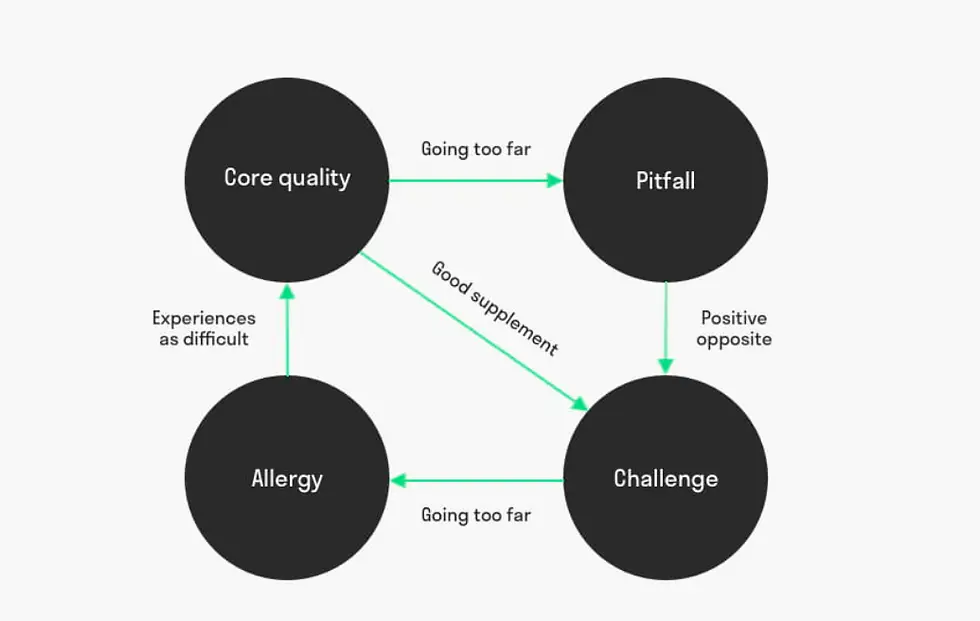
The Core Quadrants by Daniel Ofman are an effective tool for team building, helping teams understand individual dynamics and how to collaborate better. By identifying core qualities, pitfalls, challenges, and allergies, teams gain insights into strengths and areas for growth. For example, one team member’s creativity (core quality) may lead to chaos (pitfall), while another’s structure (core quality) could result in rigidity (pitfall). By discussing complementarities and irritations (allergies), teams learn to value differences and work cohesively. Regular reflection...

Discover the true essence of Ikigai—far beyond the popular Venn diagram. Rooted in Japanese culture, Ikigai is about finding joy and purpose in the small, meaningful moments of everyday life. Learn how this concept has been misunderstood and how embracing its authentic meaning can lead to a more fulfilling existence.
Lara Boyd’s TEDx talk reveals one of the most empowering discoveries in neuroscience: you are constantly shaping your brain. Through your behavior, habits, and even your mistakes, your brain rewires itself. This phenomenon is called neuroplasticity—and it means that change is always possible.
High-performing teams don’t emerge by accident — they are built through a deliberate sequence of reflection, reset, alignment, and growth. My Reset → Align → Rise framework guides leaders and teams through this journey. We begin by exploring energy, values, and alignment, before surfacing truths and rebuilding the foundations of trust, safety, and purpose. From there, we clarify priorities, roles, collaboration rhythms, and decision-making norms. Finally, the team rises into sustained high performance, powered by clarity, courage, and shared...
Recently, Annette Magnusson, HR Director at Citymail Sweden, shared an inspiring reflection on LinkedIn about age and experience. Her words resonated with me, because they touch on a theme that often remains overlooked in organizations: the power of experience in
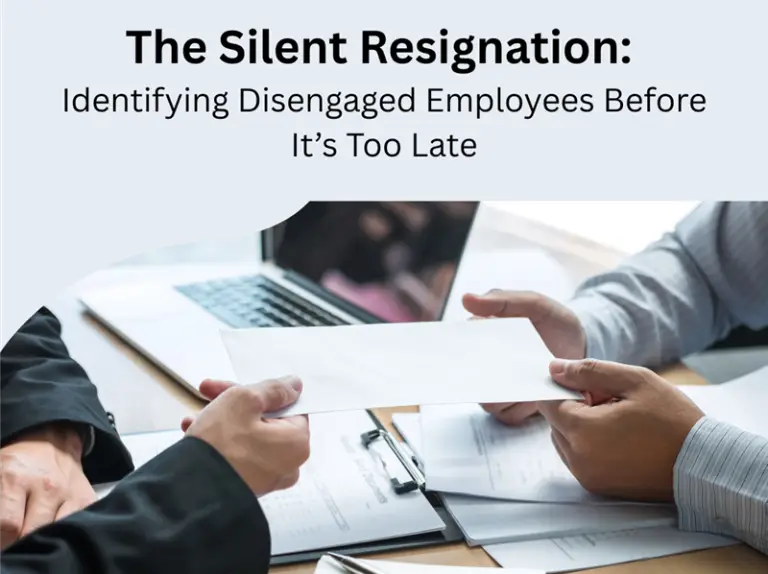
In today’s fast-changing workplace, leaders and teams benefit from regularly reflecting on whether their current environment still supports their energy, growth, and purpose. Using a structured reflection questionnaire, I help leaders gain clarity on what strengthens or drains them — and whether they should stay, adjust, or move on. The same process transforms teams by uncovering hidden dynamics, restoring passion, and realigning people with the mission and vision. This reflective approach boosts engagement, performance, and retention, while preventing silent...
I still remember the moment I lost my cool. The frustration had been building for days, and during a routine meeting with one of my subordinates, I snapped. My words were sharp, my tone unkind, and the look on their face—shock and hurt—was a painful reminder that I’d crossed a line.
As leaders, we often pride ourselves on staying composed, but we’re human, too. That day, I learned the hard way that managing others starts with managing yourself. Emotional outbursts...
What’s in your leadership “shopping cart”? The narratives we tell ourselves shape our identity, decisions, and effectiveness as leaders. This post explores the "Shopping Cart Theory" as a metaphor for self-reflection, highlighting how minor actions reveal deeper leadership qualities. By examining what you carry—accomplishments, fears, or values—you can reshape your story to unlock growth, authenticity, and resilience. Discover how small, conscious choices and a guided coaching process can transform your leadership journey.
Do your performance appraisals feel routine? Year-end reviews often become dreaded events that yield little benefit. What if these sessions were opportunities to strengthen relationships and boost performance? Picture a shift from evaluation to teamwork, where you set goals together and motivate your team. By fostering open conversations, you can enhance performance and build trust. Learn to make these meetings strategic for your team's growth—rather than just checking a box.
Over the past decade, Harvard Business Review has shown that coaching is not about fixing people—it's about helping leaders rise. HBR highlights coaching as a collaborative partnership that strengthens self-awareness, emotional intelligence, and the ability to navigate complexity. From executive development to performance and long-term growth, the research is clear: coaching improves leadership behavior, deepens team trust, and creates healthier, more resilient organizations. At its core, effective coaching is built on listening, reflective questioning, aligned goals, and honest accountability—exactly...