A new leader inherits an existing team’s history, strengths and challenges. Discover when to plan a team reset, how to make room for every voice and turn honest dialogue into shared commitments.
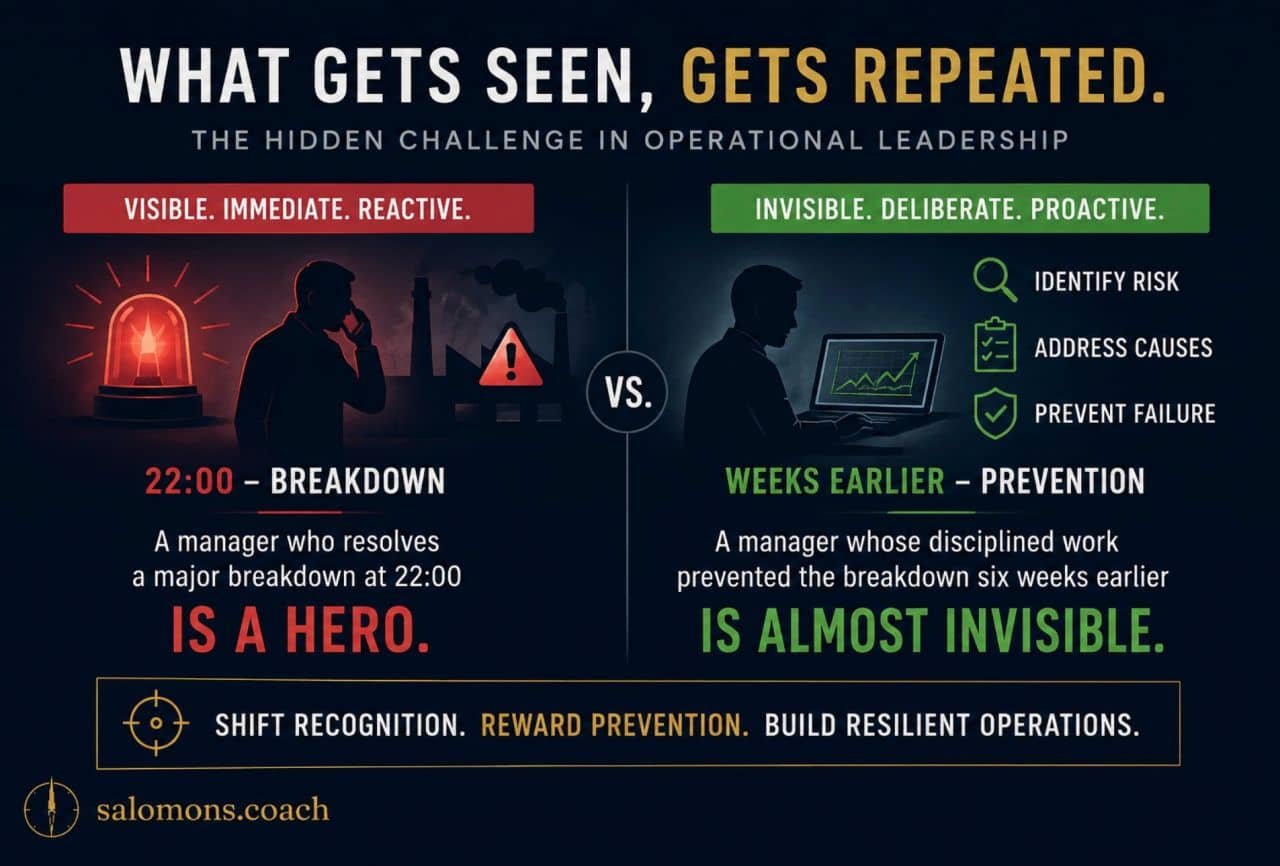
A manager who fixes a breakdown at 22:00 is a hero. The manager whose work prevented it six weeks earlier is almost invisible. Drawing on a coaching case with an Operations Director, this post shows what preventive leaders actually do, why organisations overlook them, and the routines a senior leader needs to put in place so prevention gets seen, rewarded and repeated.
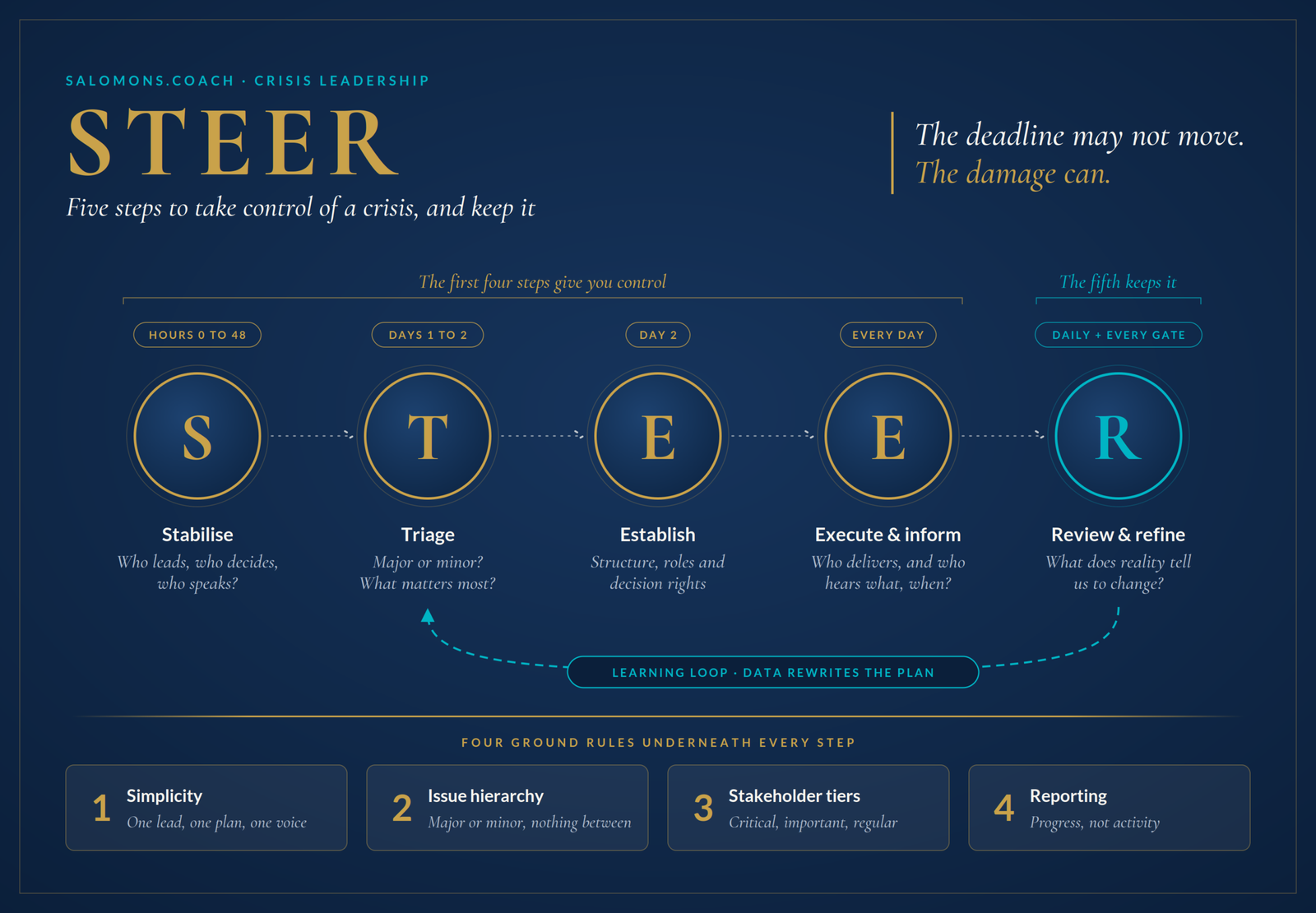
When the board hands you a crisis with a fixed deadline and an impossible scope, a project plan will not save you. STEER helps program managers take control in 48 hours, separate major from minor issues, give each stakeholder the right cadence, and let real data improve the way of working every day.
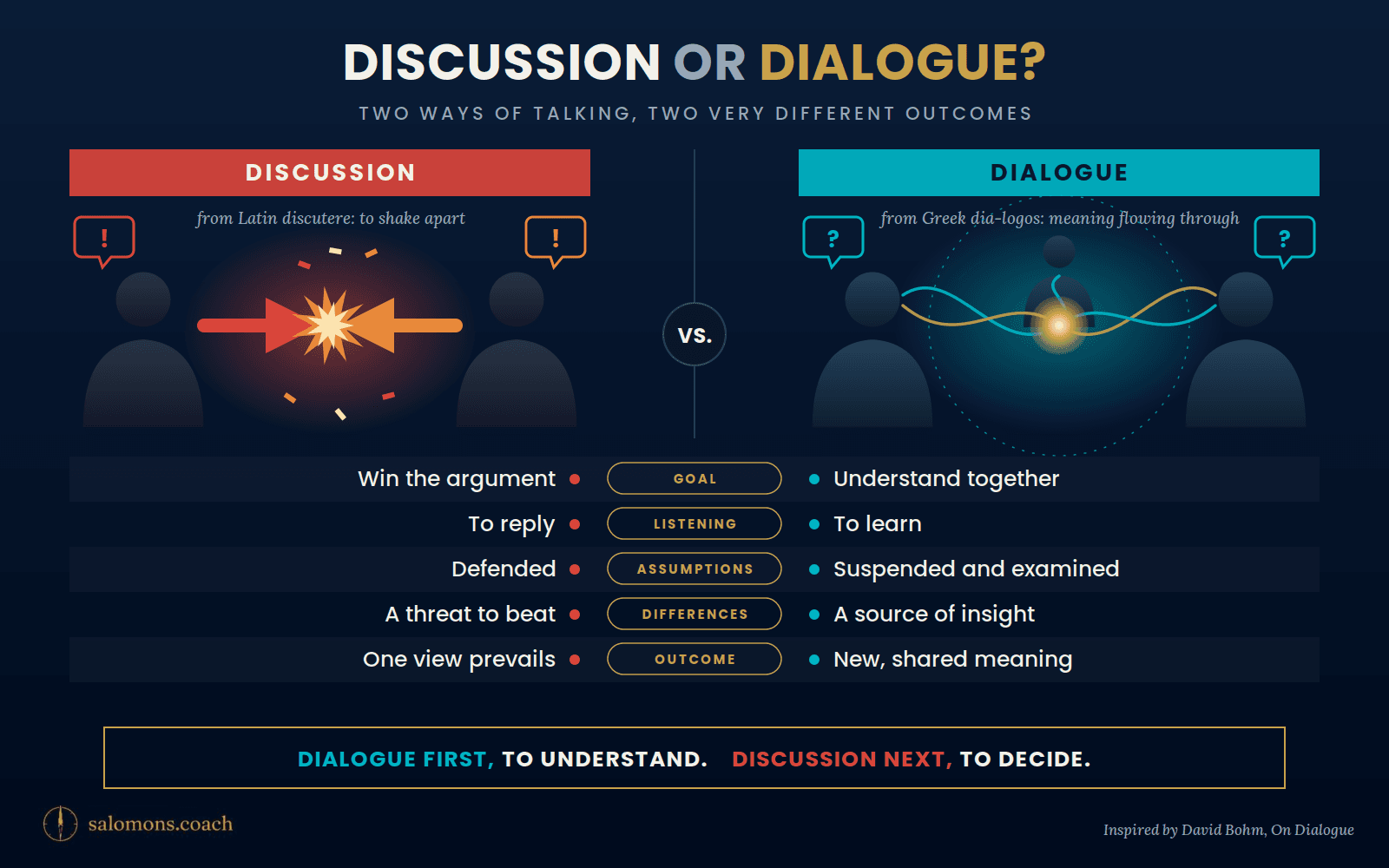
A leadership team that debates robustly can still keep reopening the same decisions. Drawing on a coaching case with a CEO, this post explains the difference between discussion and dialogue, what it costs a team to only discuss, and the practices that help senior leaders think together before they decide. It also shows how team coaching turns dialogue from a clumsy experiment into the way a team works.
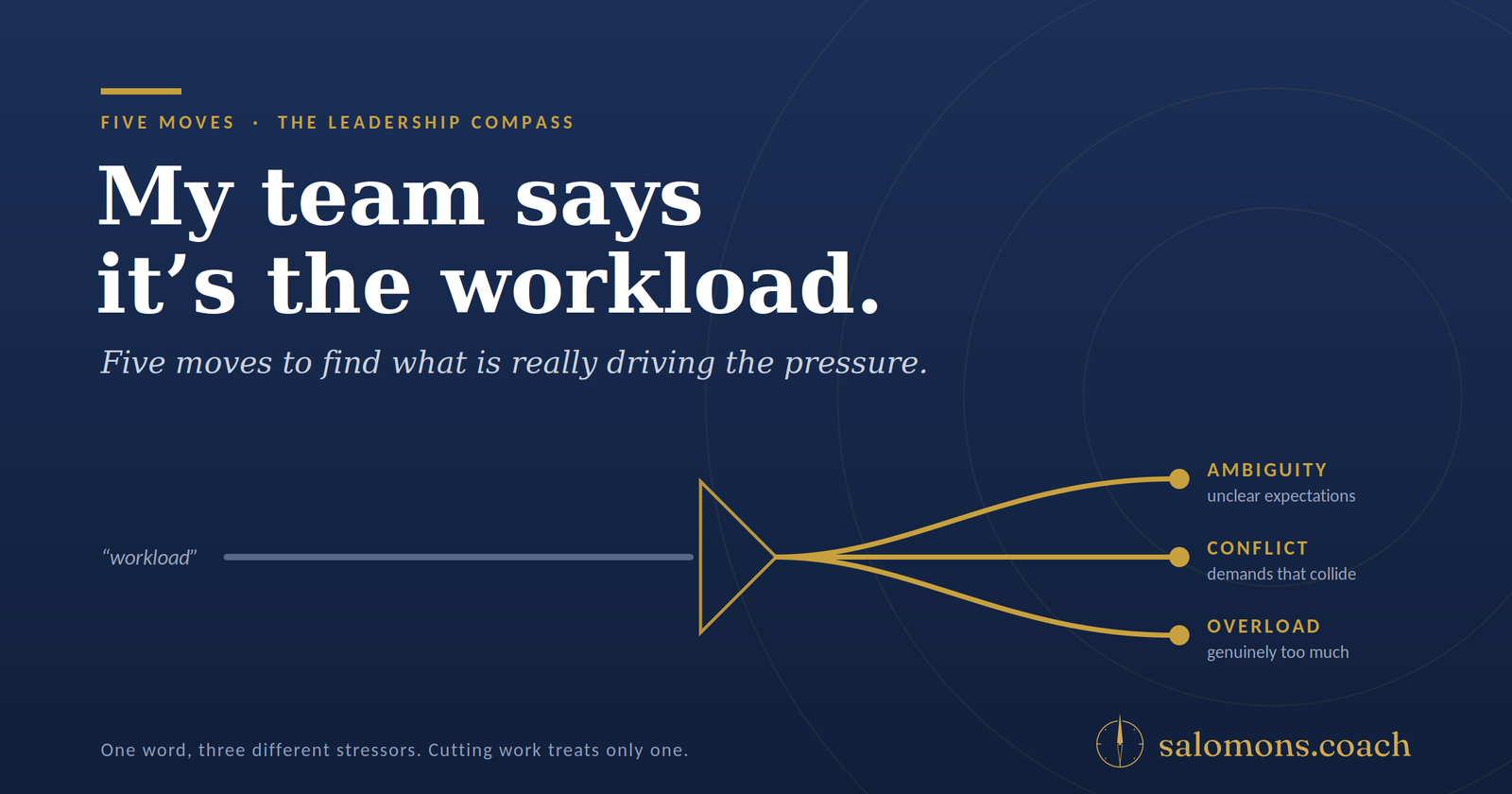
Ask a leader why the team is stressed and you will hear one word: workload. But research on 788,000 employees shows that unclear expectations and colliding demands often do more damage than volume. Five misreadings of workplace stress, the data behind them, and five better questions to ask your team.
Karin ran three plants and carried every number, yet controlled almost none of them. It is the most common trap in senior management: full accountability, borrowed authority. Here is why the gap opens as you rise, the mistake that deepens it, and how to close it without working yourself into the ground.
Executive power changes more than decisions. It changes what people are willing to say, what leaders are able to hear, and how easily confidence can turn into certainty. Strong executives do not just welcome dissent; they organise it, protect it and build boundaries around their own authority.
High performers can continue delivering while their capacity quietly declines. Learn how leaders can recognise the early signals, ask better questions and act before overload affects performance, the team and business continuity.
When leadership conversations become repetitive or defensive, the real problem may not be the content. This post explores how relationship and structure shape communication—and how leaders can use the three-layer communication model to create greater clarity, trust and more productive dialogue.
What leaders say and do is only the visible tip of the iceberg. This post explores the assumptions, emotions, values and beliefs beneath leadership behavior, and how coaching helps leaders turn deeper awareness into deliberate communication and lasting change.