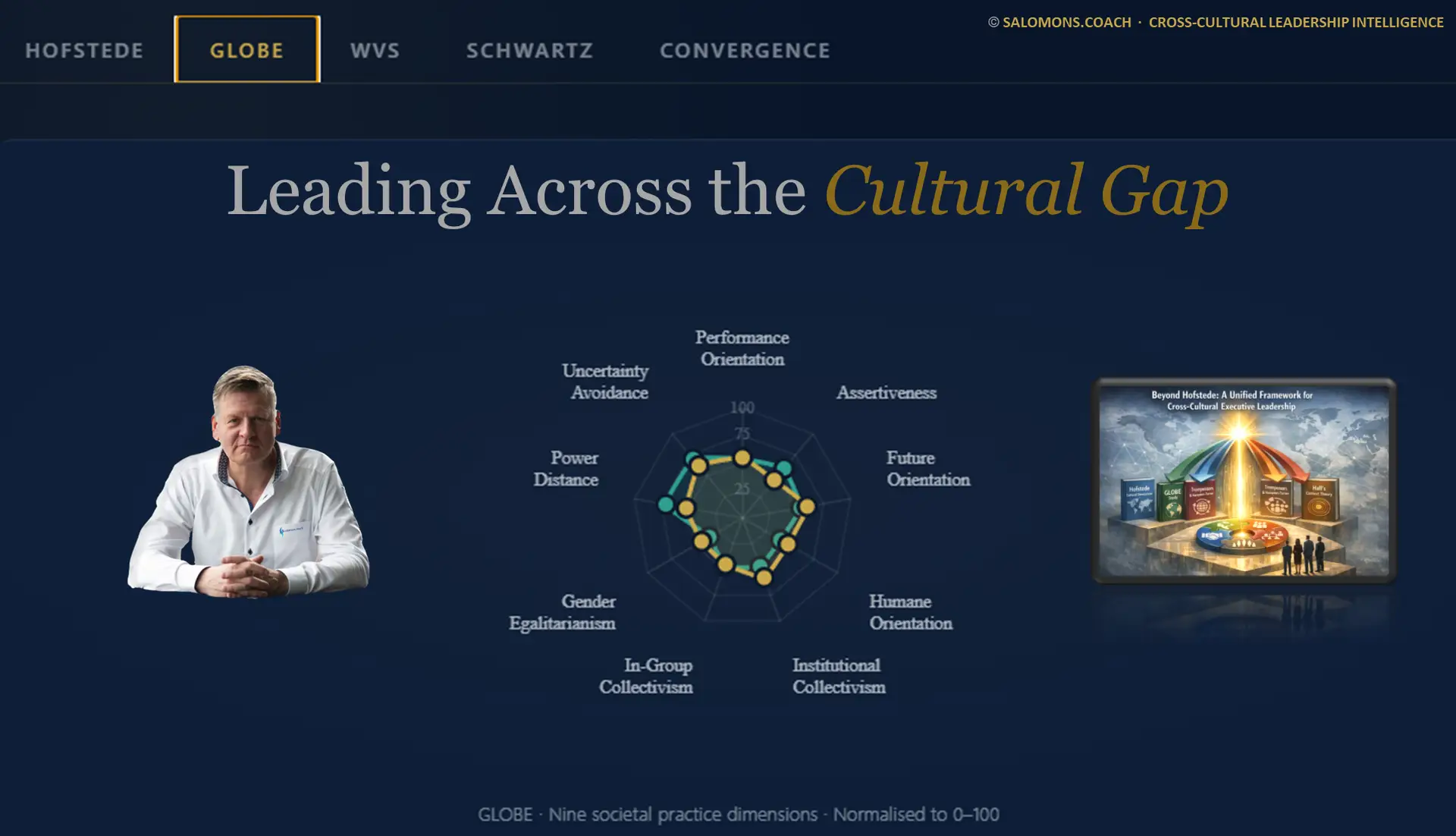
Most cross-cultural frameworks tell you how cultures differ. The GLOBE Study tells you what kind of leader each culture is actually willing to follow. Here is what that means for your leadership — and how the Cross-Cultural Leadership Compass puts GLOBE to work alongside three other frameworks.
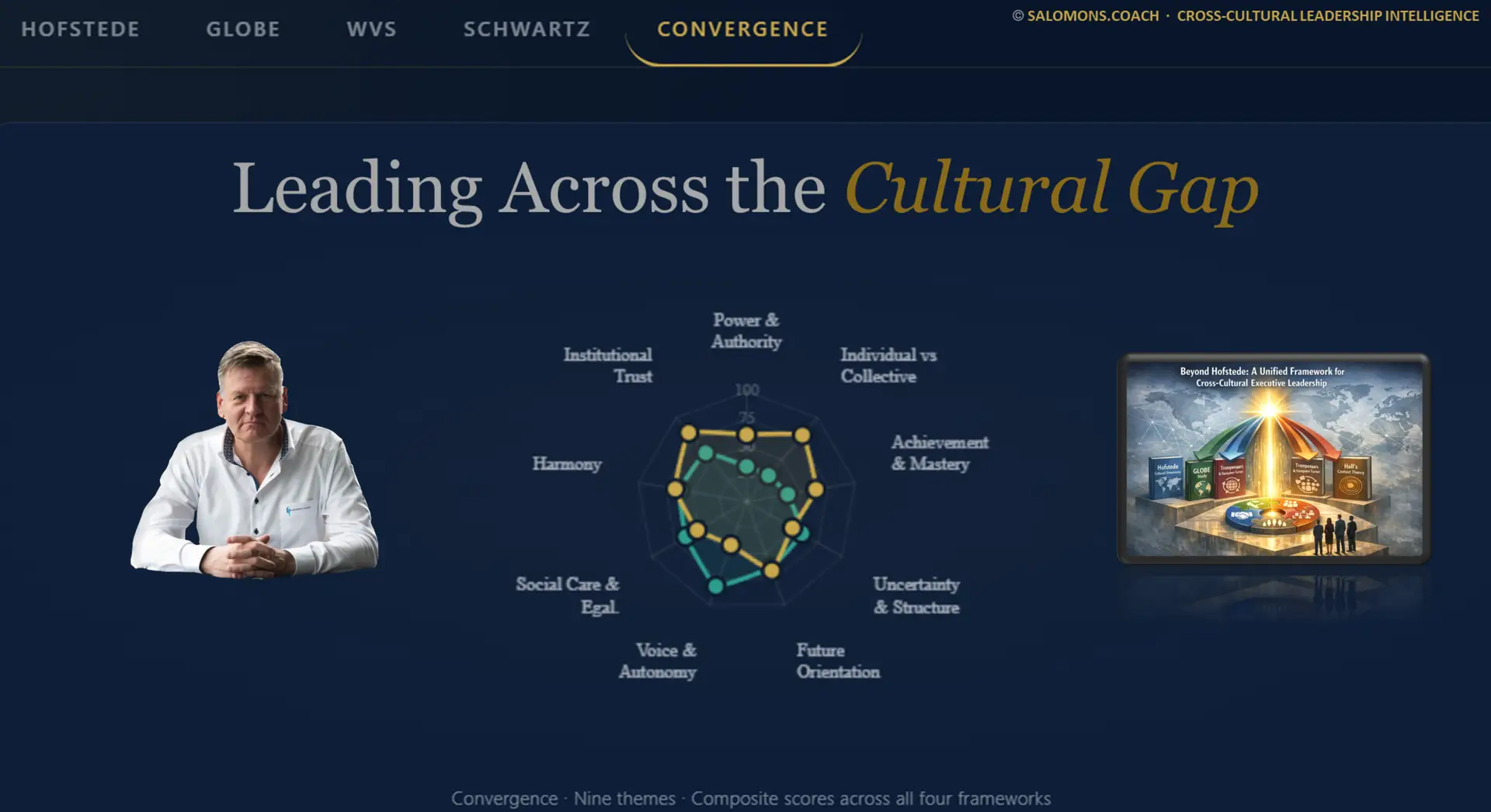
Every leader who crosses a cultural boundary carries two operating systems at once. One was installed in childhood. The other was acquired through years of professional adaptation. The real skill — the one that separates effective cross-cultural leaders from merely well-travelled ones — is knowing which system is running at any given moment, and whether it is serving the situation.
The Cross-Cultural Leadership Compass is built around exactly this challenge. It integrates four validated academic frameworks — Hofstede, GLOBE, the...
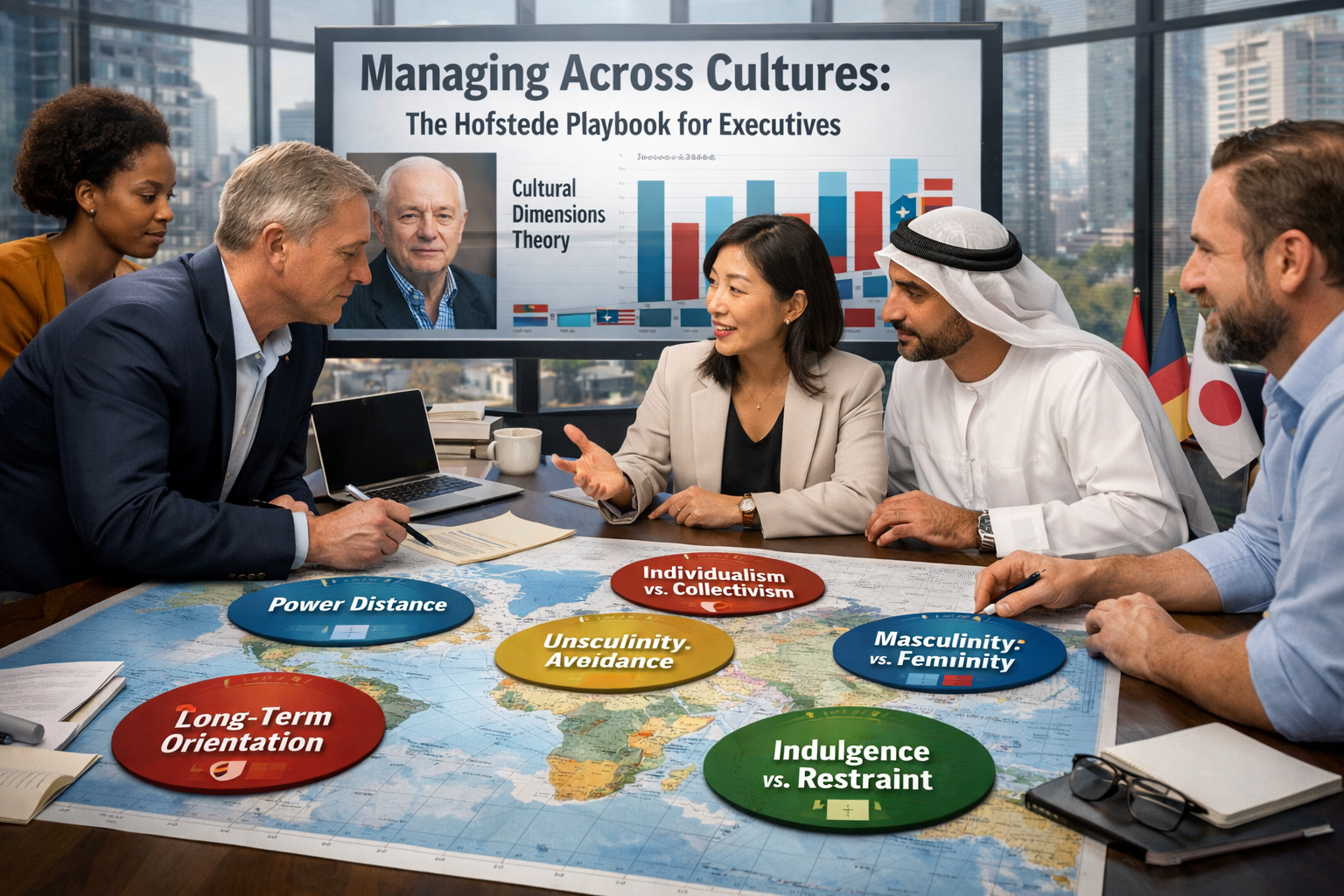
Managing across cultures is not about awareness, it is about precision.
This executive playbook translates Hofstede’s six cultural dimensions into concrete leadership actions, helping you anticipate friction, adapt your approach, and lead effectively across borders.
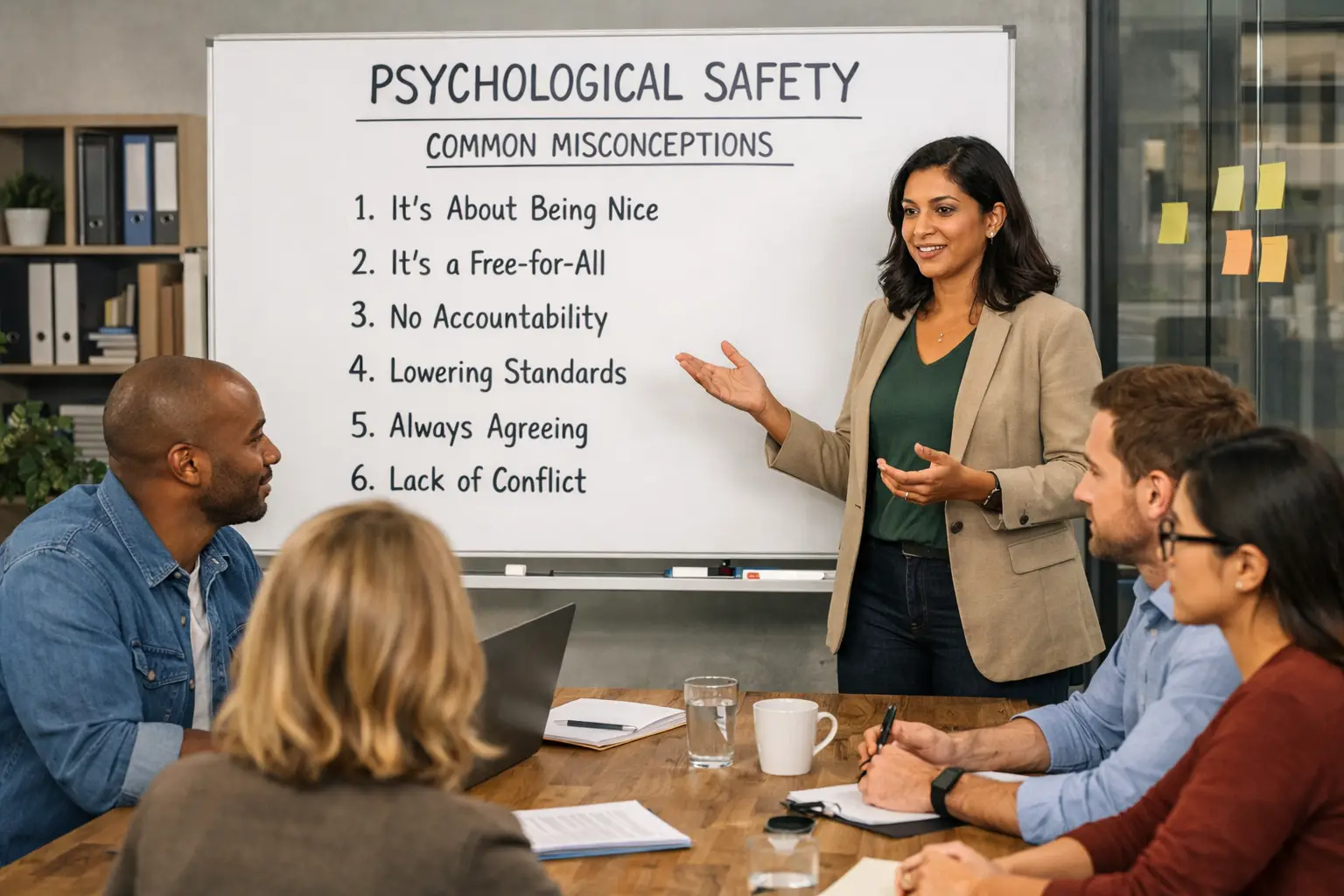
Psychological safety is one of the most used — and most misunderstood — concepts in modern leadership. Nice meetings, policies, and consensus are not safety. They are often the opposite. Six stubborn misconceptions, and what is actually at stake for leaders who want to get this right.
Most senior leaders don't derail because they lack intelligence or drive. They derail because they stopped learning — and didn't notice until the damage was done. In this article, executive coach Jan Salomons explores the neuroscience behind why behavioral change is so hard, the five warning signs that a leader's learning agility is eroding, and what the research really says about what separates leaders who keep growing from those who quietly plateau. Drawing on decades of evidence from Korn...
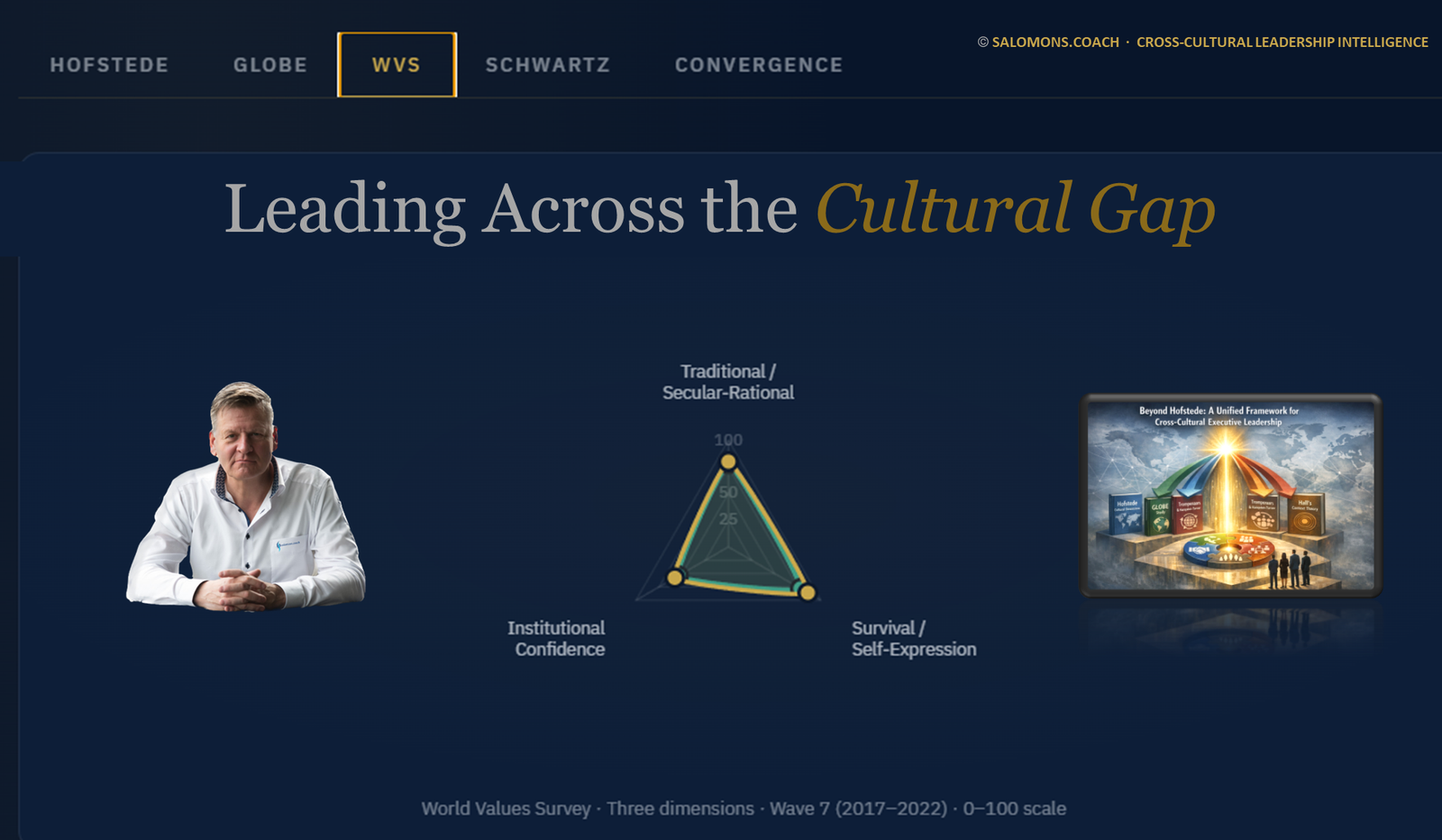
Most cross-cultural frameworks tell you how cultures differ at work. The World Values Survey reveals something deeper: what people fundamentally believe they are working for, whether they extend default trust to institutions or require it to be earned personally, and whether autonomy or security is their more basic professional motivation. These are the values that take generations to shift — and the ones that resurface under pressure even after a decade of adaptation.
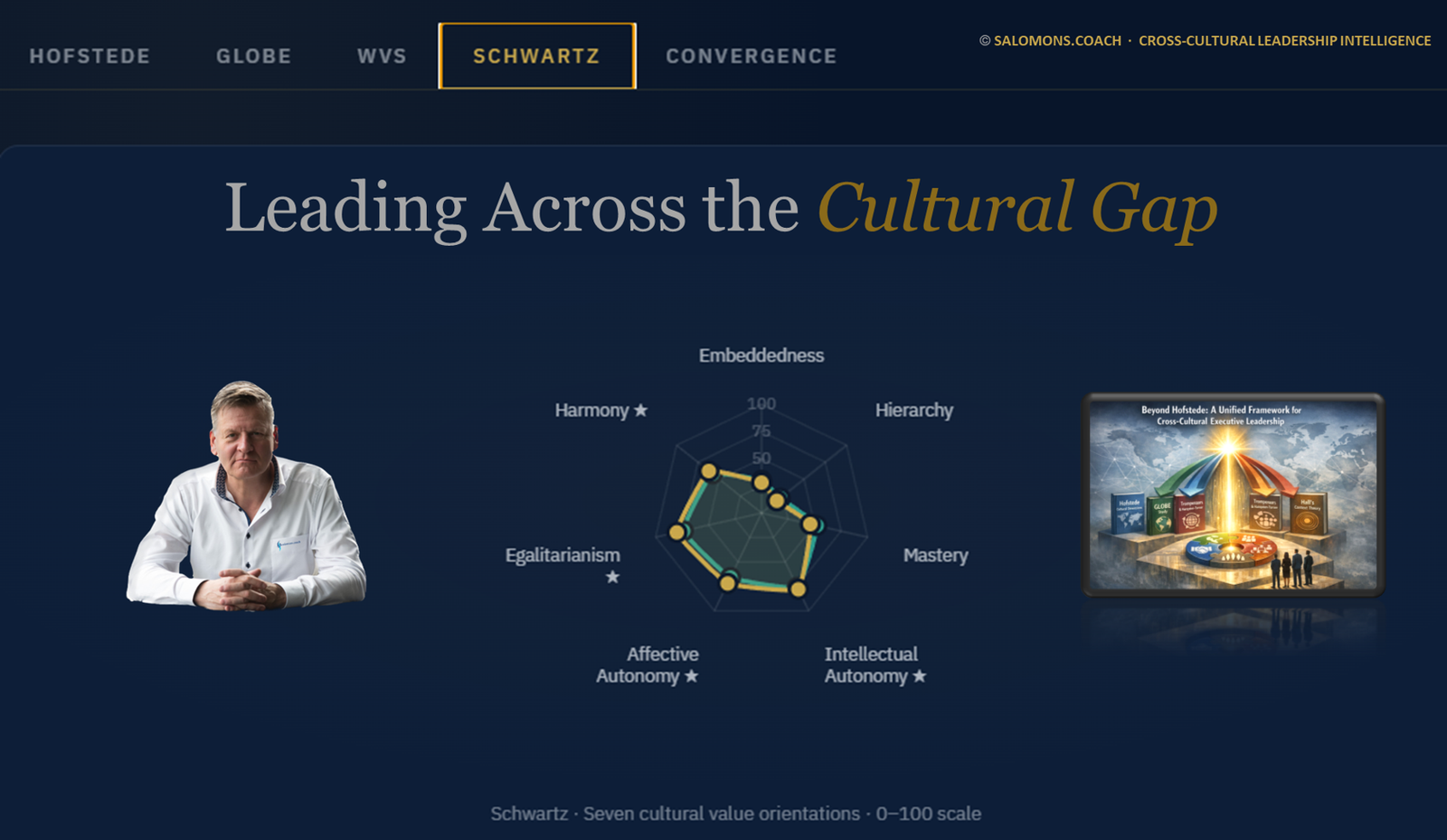
Every cross-cultural framework has blind spots. Schwartz measures four cultural dimensions that have no equivalent in Hofstede or GLOBE. If you are working without them, you are missing a significant portion of the cross-cultural picture — and in some pairings, the most operationally significant gaps in the entire analysis.
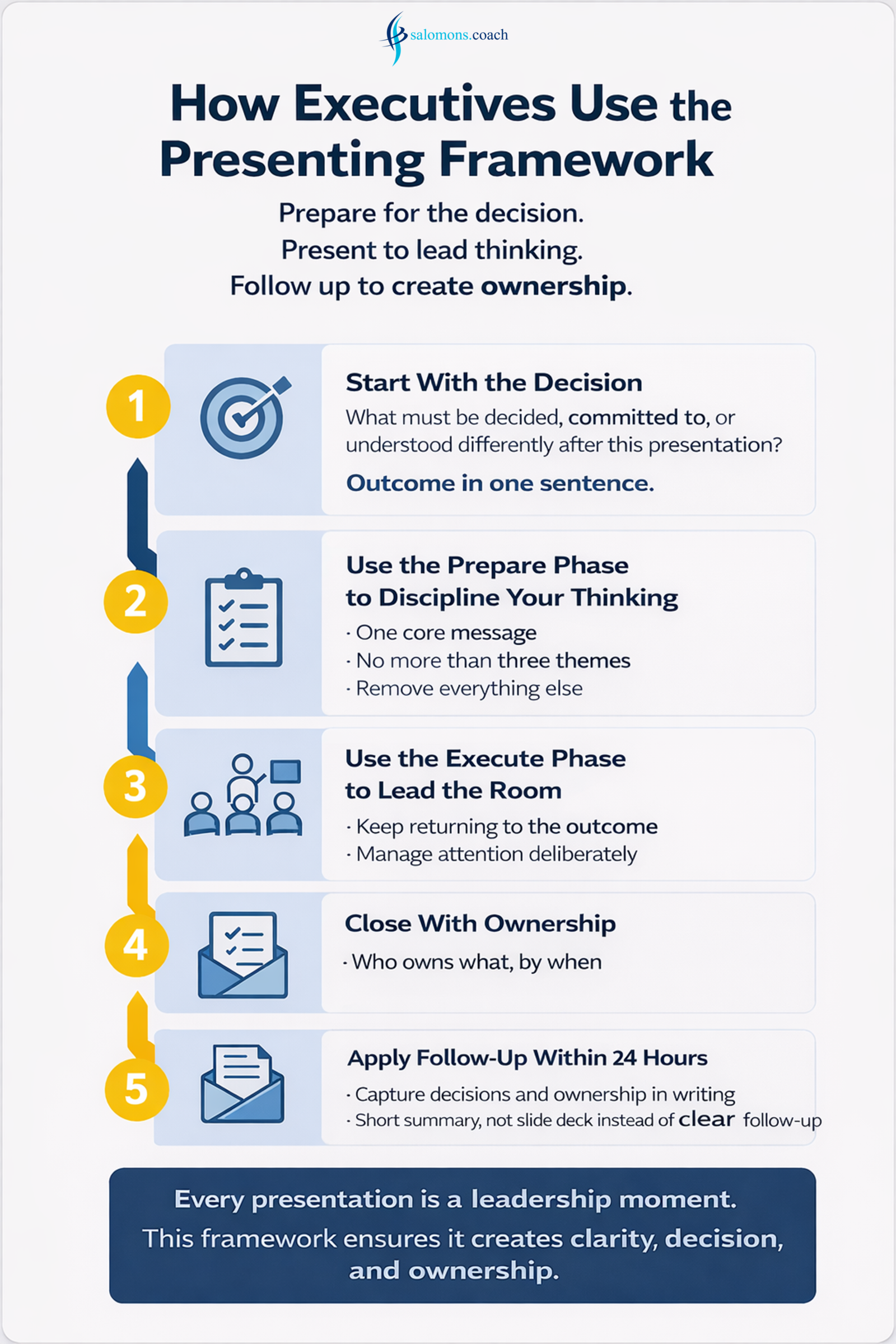
Presenting at executive level is not a communication skill, it is leadership in public. The Executive Presenting Framework reframes presentations as leadership moments where judgment, clarity, and ownership are established under pressure. Built for VUCA environments, the framework helps senior leaders reduce cognitive overload, lead thinking in the room, and ensure that presentations result in decisions and execution.
AI is often framed as a technology challenge. In reality, it is a leadership one. By accelerating speed, increasing transparency, and making decisions comparable, AI exposes how leaders decide, where judgment is avoided, and how accountability is handled. This article explores why AI does not replace leaders, but reveals leadership behaviors that were previously hidden—and why credibility in an AI-driven world depends less on technical expertise and more on explicit judgment and ownership.
As AI becomes embedded in organizational decision-making, not all decisions should be automated. Some choices define values, require accountability, and demand human judgment under uncertainty. This article explores five leadership decisions AI should never make—not because AI is incapable, but because leadership legitimacy, responsibility, and trust cannot be delegated to technology.