High performers can continue delivering while their capacity quietly declines. Learn how leaders can recognise the early signals, ask better questions and act before overload affects performance, the team and business continuity.
Watching Arthur Brooks’ talk on the science of happiness offers a powerful insight for leaders: happiness isn’t a mood — it’s a disciplined practice that shapes how you lead. Brooks reveals that enjoyment, satisfaction, and meaning form the foundation of true well-being, and only a small part of it depends on circumstances. The rest comes from daily habits rooted in relationships, purpose, and service. For leaders, this is transformative: it shifts happiness from a personal luxury to a strategic imperative. When leaders cultivate happiness intentionally, they strengthen resilience, deepen trust, and create the conditions in which teams can thrive.
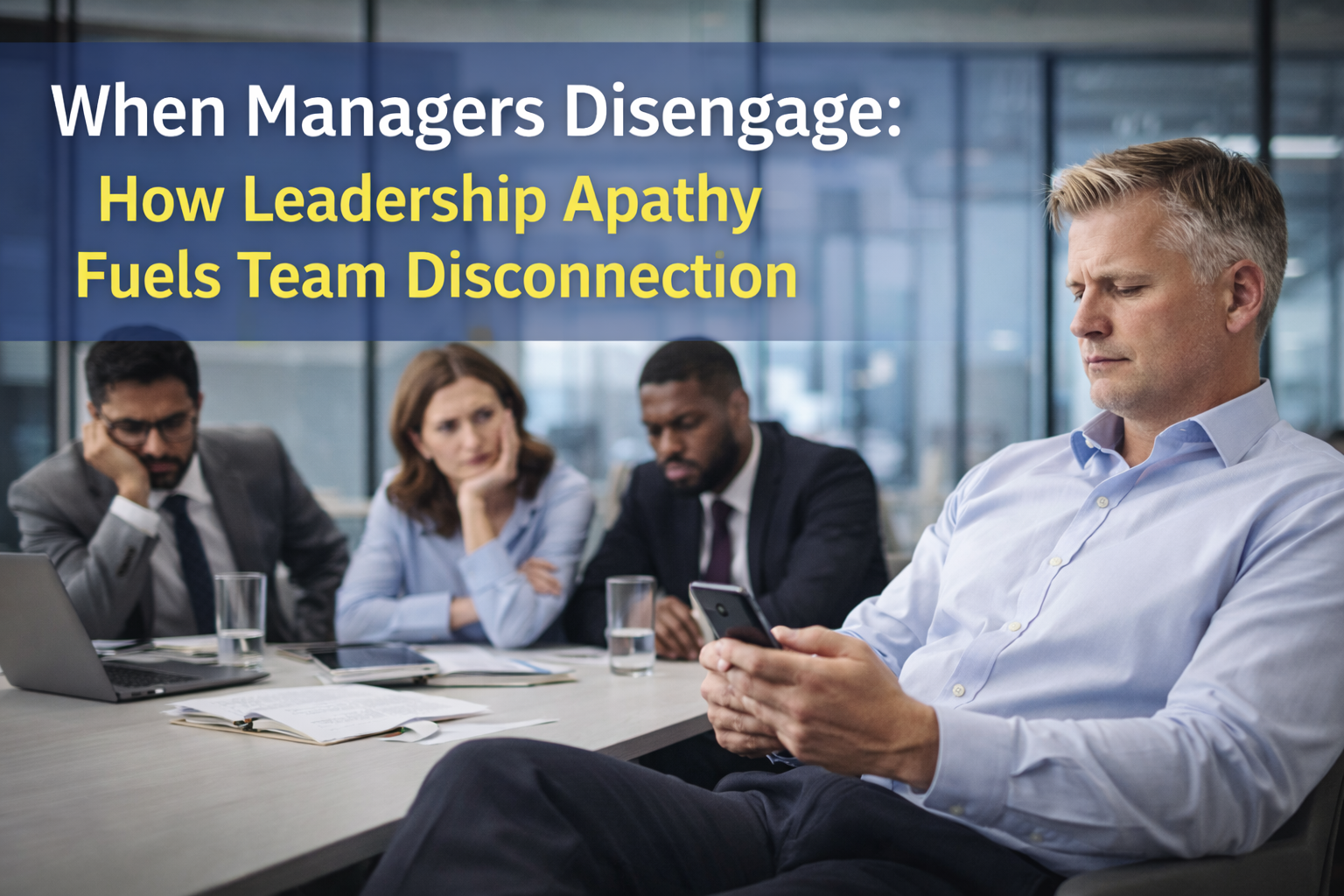
After my last post — “Is it time to stay or move on?” — someone asked, “What about disengaged managers?” It’s a fair question — and maybe the real one. Research shows only one in four managers is engaged, and when leaders disconnect, their teams follow. Disengagement often starts when managers stop reflecting on why they lead. Regular reflection isn’t self-indulgent — it’s leadership maintenance. Before judging a team’s motivation, every leader should pause and ask: Am I still connected to my purpose — or is it time to stay, or move on?