In coaching supervision, I return to three questions that keep me sharp as a coach — and grounded as a leader. They are not about tools or techniques, but about self-awareness, restraint, and the courage to slow down when speed is expected. These reflections matter not only for coaches, but for every leader navigating complexity.

In high-pressure leadership environments, silence is often mistaken for indecision. Yet the most important insights rarely emerge in the middle of noise. They surface afterwards, when reaction stops and space is created to think.
Drawing from decades of leadership experience and supported by neuroscience, this article explores why silence is not the absence of leadership, but a condition for it. Silence reduces cognitive load, calms the nervous system, activates reflective brain networks, and supports clarity, creativity, and better decision-making.
You will...
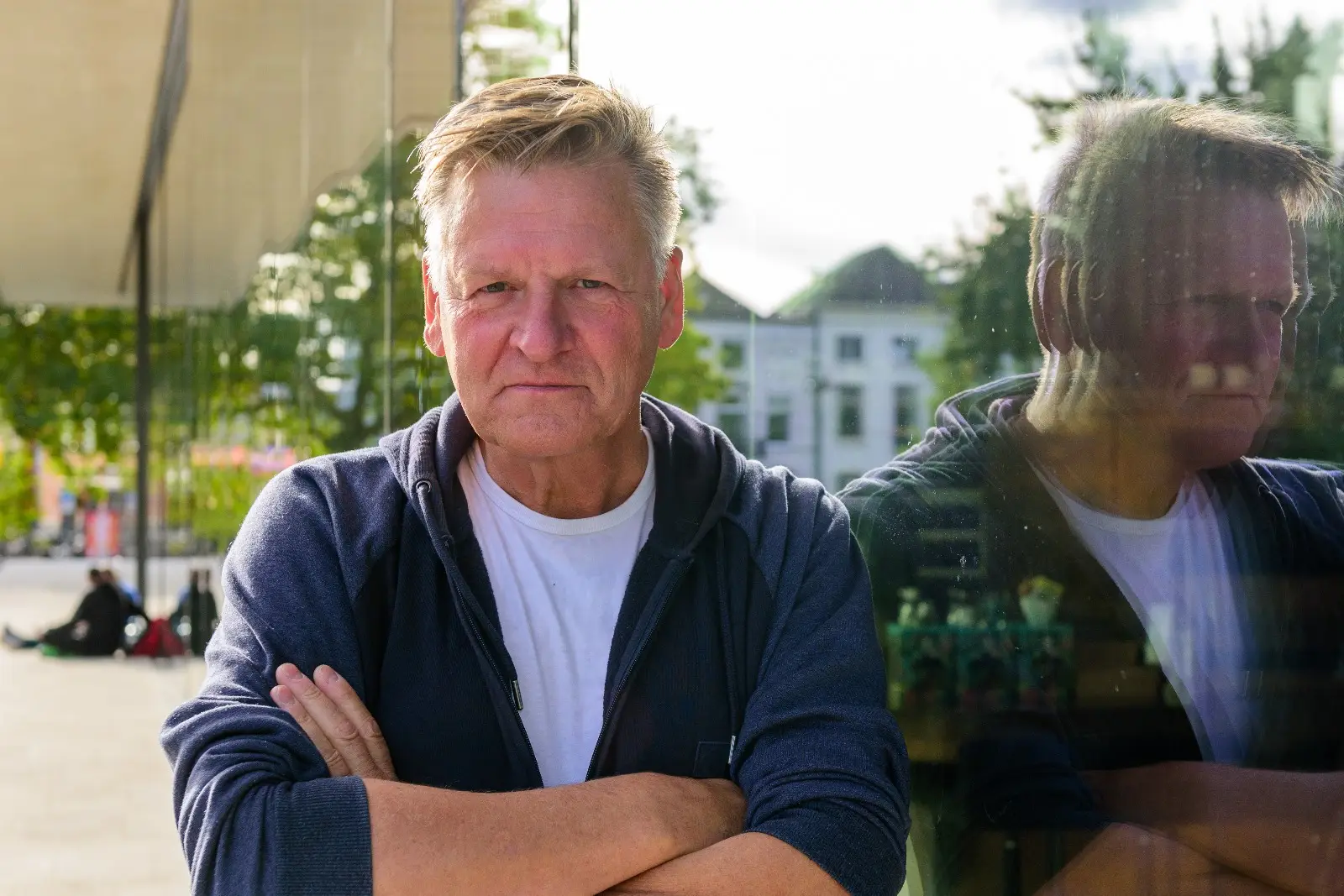
In this personal leadership journey, Jan Salomons shares how he transitioned from an engineering teacher to a global executive and ultimately to a leadership and executive coach. Drawing on more than 35 years of international leadership experience across complex organisations, he reveals the pivotal insights that shaped his purpose: leadership is human work, not just technical or operational skill. His evolution into coaching grew from a belief that sustained behavioural change and self-awareness unlock real performance and resilient teams
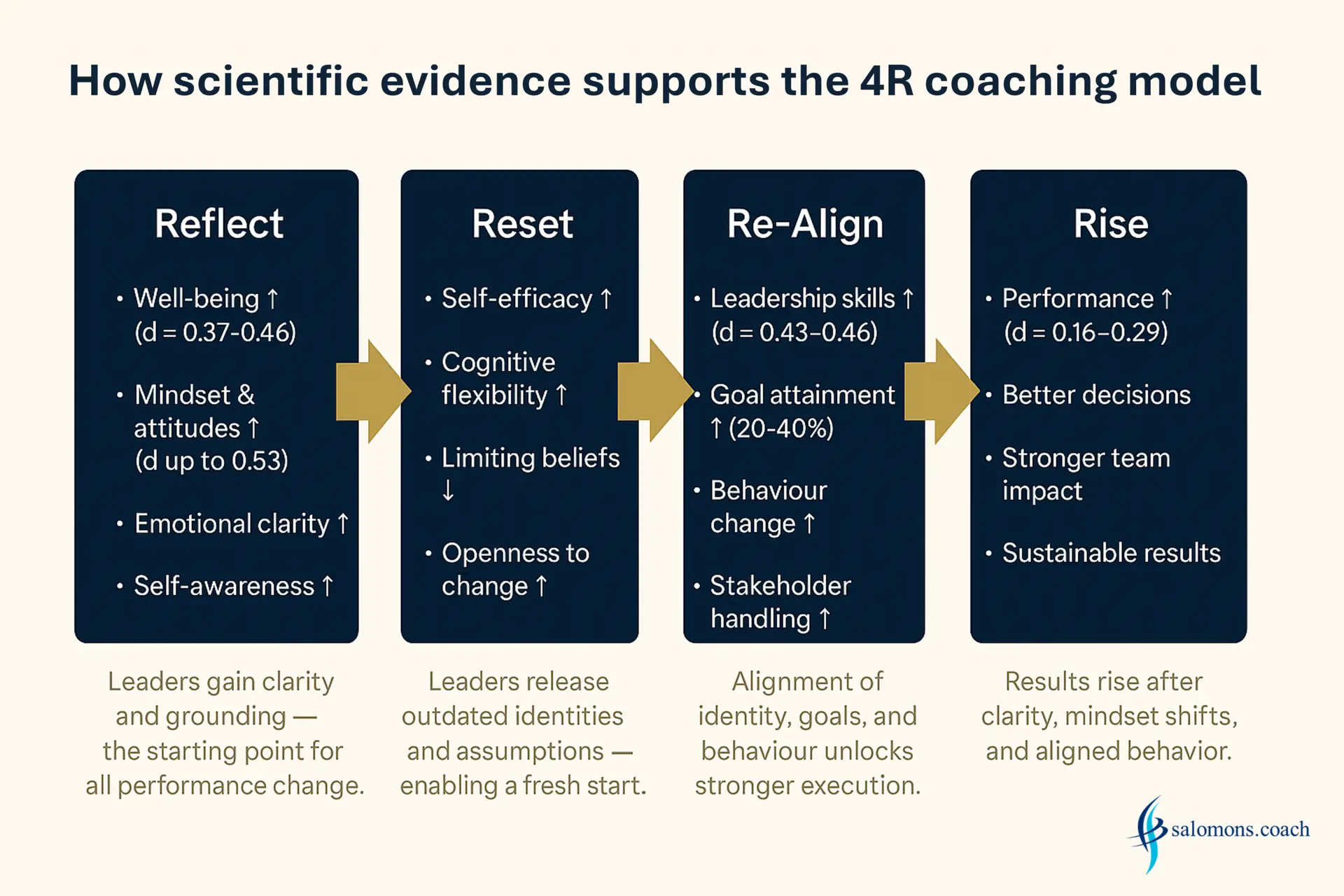
The latest scientific research on workplace coaching shows a clear, measurable pattern: meaningful change happens in four stages. Leaders first gain emotional clarity and self-awareness, then release limiting beliefs, realign their behaviour and skills with a stronger identity, and finally see measurable performance improvements. This progression mirrors the 4R Model (Reflect–Reset–Re-Align–Rise™). Backed by meta-analyses and randomized controlled trials, the evidence confirms that sustainable leadership performance begins with inner clarity—not with KPIs.
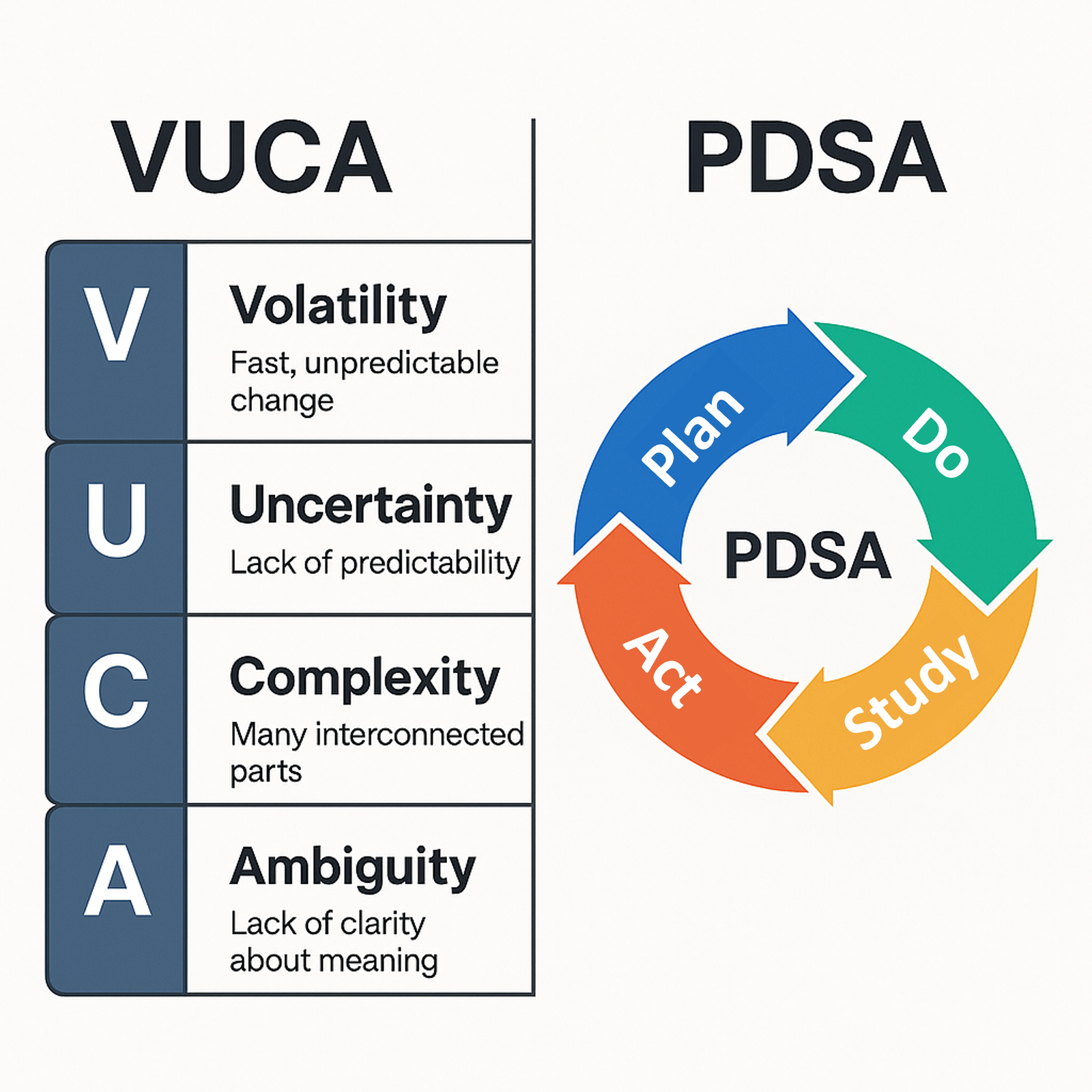
In a world defined by volatility, uncertainty, complexity, and ambiguity, leaders can no longer rely on fixed plans or past experience. VUCA describes the challenge — but PDSA provides a practical way to respond through fast learning cycles. My early years as a teacher, working with Kolb’s experiential learning model, taught me that people grow through experimentation, reflection, and adaptation. Decades later, the same learning loop has become essential for leaders: the ability to test, adjust, and learn faster...
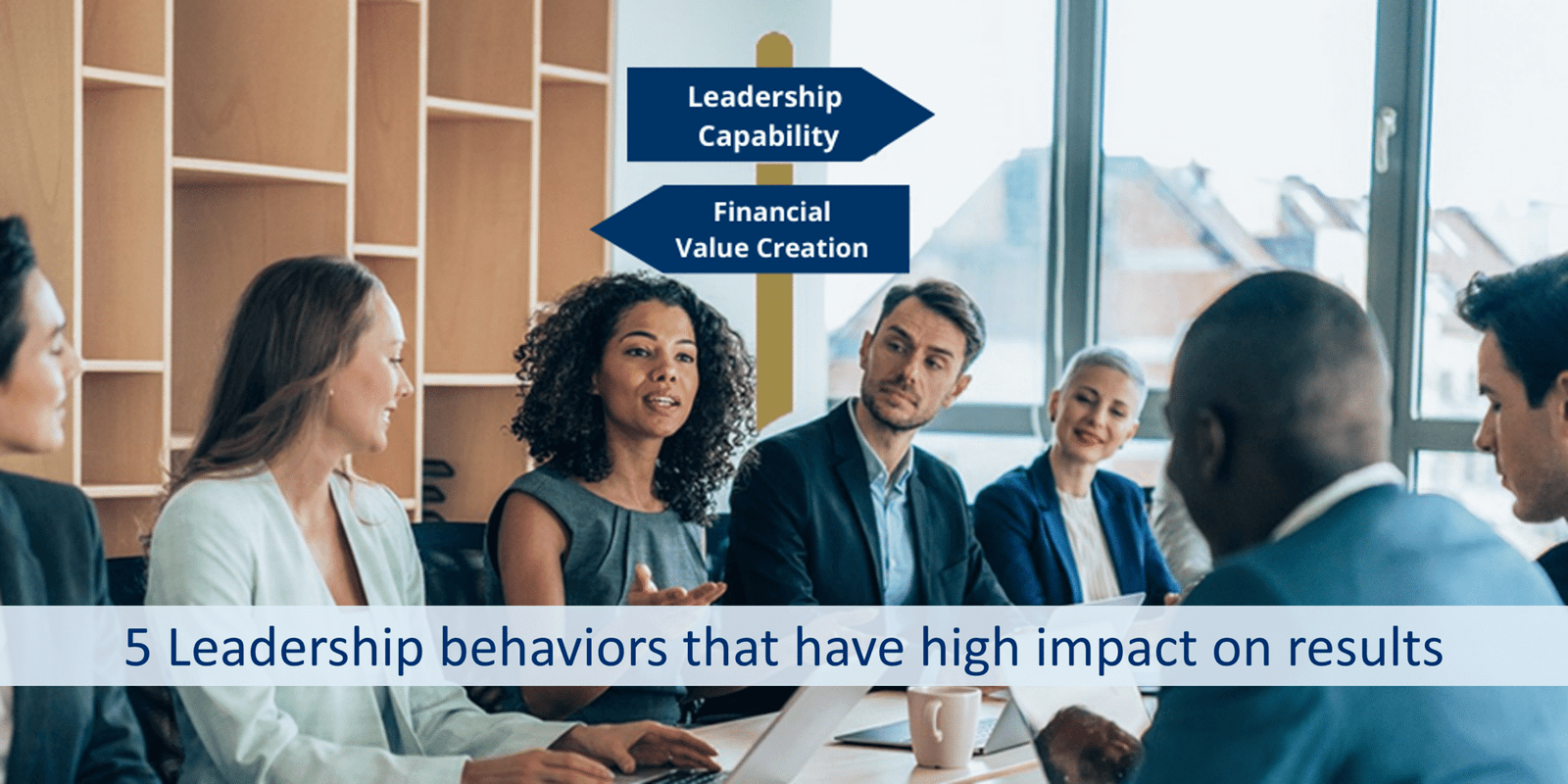
Leadership is not defined by role or hierarchy, it is defined by behavior. After 35 years in global executive roles, I’ve seen the same truth everywhere: when leaders listen, decide, align, and act consistently, organizations perform. When they don’t, culture weakens, collaboration breaks, and operational results decline. Leadership is a daily behavioral practice, and the strongest organizations are led by those who understand this.
---
If you want a shorter or more SEO-focused version, I can create that too.
Strong decision-making is the cornerstone of effective leadership. It provides clarity, empowers teams, and ensures agility in complex situations. By defining problems accurately, gathering diverse perspectives, and taking decisive action, leaders can reduce inefficiency and build trust. Decision-making isn’t just about choosing the right path—it’s about fostering alignment and learning from outcomes. When leaders approach decisions systematically, they create momentum, confidence, and long-term success for their teams and organizations.
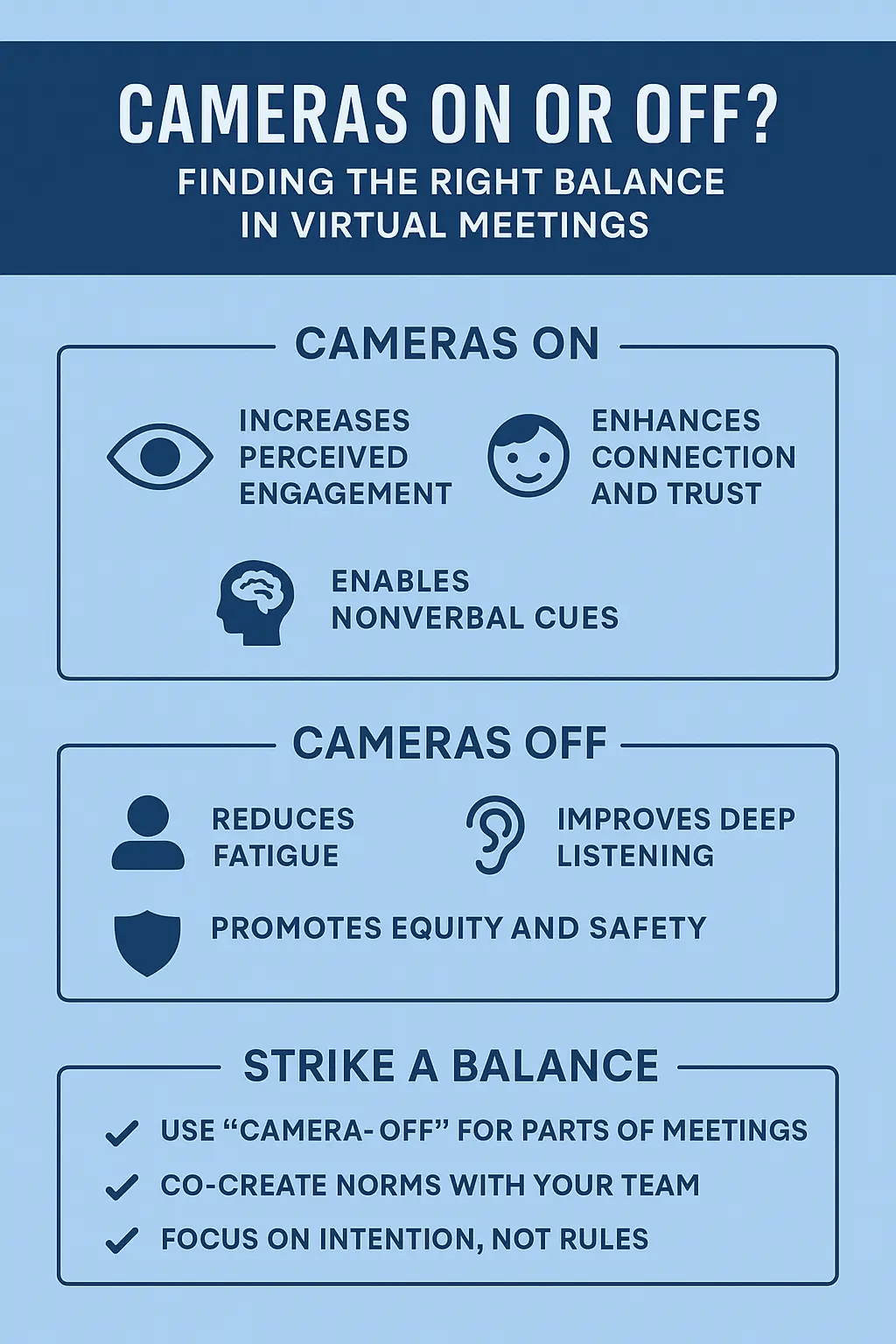
Cameras On or Off?
New research from Harvard, MIT, and Stanford reveals that virtual presence affects our energy, focus, and connection in complex ways. Cameras on foster trust, empathy, and visibility — ideal for one-on-one coaching and emotionally rich conversations. Cameras off reduce fatigue and sharpen deep listening, especially in large meetings where constant visibility causes cognitive overload. The key is not choosing one or the other, but using both intentionally. Co-create norms, use short “camera-off” reflection moments, and turn...