Innovation: Aerodynamic Trucks
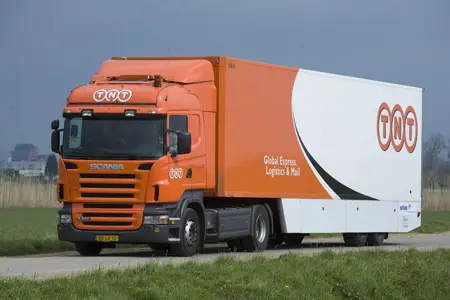
A blast from the past.
Between 2010 and 2013, I had the privilege of working with TU Delft and Gandert van Raemsdonck, who was doing his PhD on vehicle aerodynamics and energy efficiency. At that time, I was responsible for business development, process optimization, and system innovation within TNT’s European Road Network, with fleet management and environmental performance also in my portfolio.
It was a fascinating period.
Electrification was still in its early stages, diesel dominated the industry, and the logistics sector was just beginning to realize how much untapped potential there was in aerodynamics and energy efficiency. A remarkable group of engineers, researchers, operations specialists, OEMs, policymakers, and environmental advocates joined forces. Everyone brought their own expertise, but we were united by one shared ambition:
How to make road transport cleaner, smarter, and more efficient?
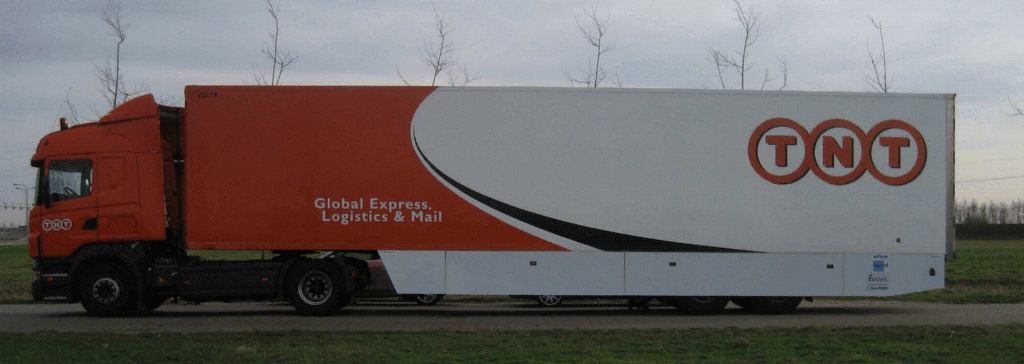
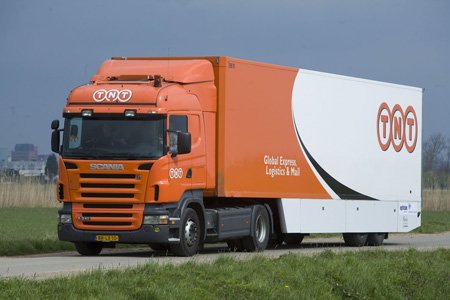
Together with TU Delft — and driven by Gandert’s research — we explored how airflow, drag, and turbulence could be minimized. The focus was on real, practical, operational gains, not theoretical possibilities. We examined airflow around trailers, turbulence behind the truck, and the energy losses that occur in “dirty” flow zones — insights that were ahead of their time.
One unforgettable moment was when RTL Nieuws, the national news channel in the Netherlands, covered the project.
That video became our unexpected “moment of fame,” showing the wider public that innovation in logistics isn’t always about new engines — sometimes, it’s about smarter physics.
The aerodynamic features we developed included:
- Side wings for trailers to smooth the airflow and reduce lateral drag.
- Rear-end aerodynamic solutions aimed at reducing the vacuum effect behind trucks — the largest source of drag at higher speeds.
- Early experiments that today resemble the tail flaps, vortex stabilizers, and flow management devices now common in modern fleets.
These innovations helped reduce fuel consumption, lower CO₂ emissions, and improve the environmental footprint of the entire network — long before sustainability became the mainstream priority it is today.
Looking back, this project taught me something that still shapes my leadership and coaching work today:
👉 Real progress happens when diverse minds come together, challenge assumptions, and experiment boldly.
👉 Innovation accelerates when you break silos — between universities and operations, between theory and practice, and between ambition and reality.
What started as a technical project became a powerful example of system-wide collaboration: academia, business, engineering, sustainability, and operations — all contributing to a shared result.
And although the technology has evolved dramatically since then, the lesson remains the same:
When you bring the right people together and give them the freedom to explore, you build the future before others even see it coming.