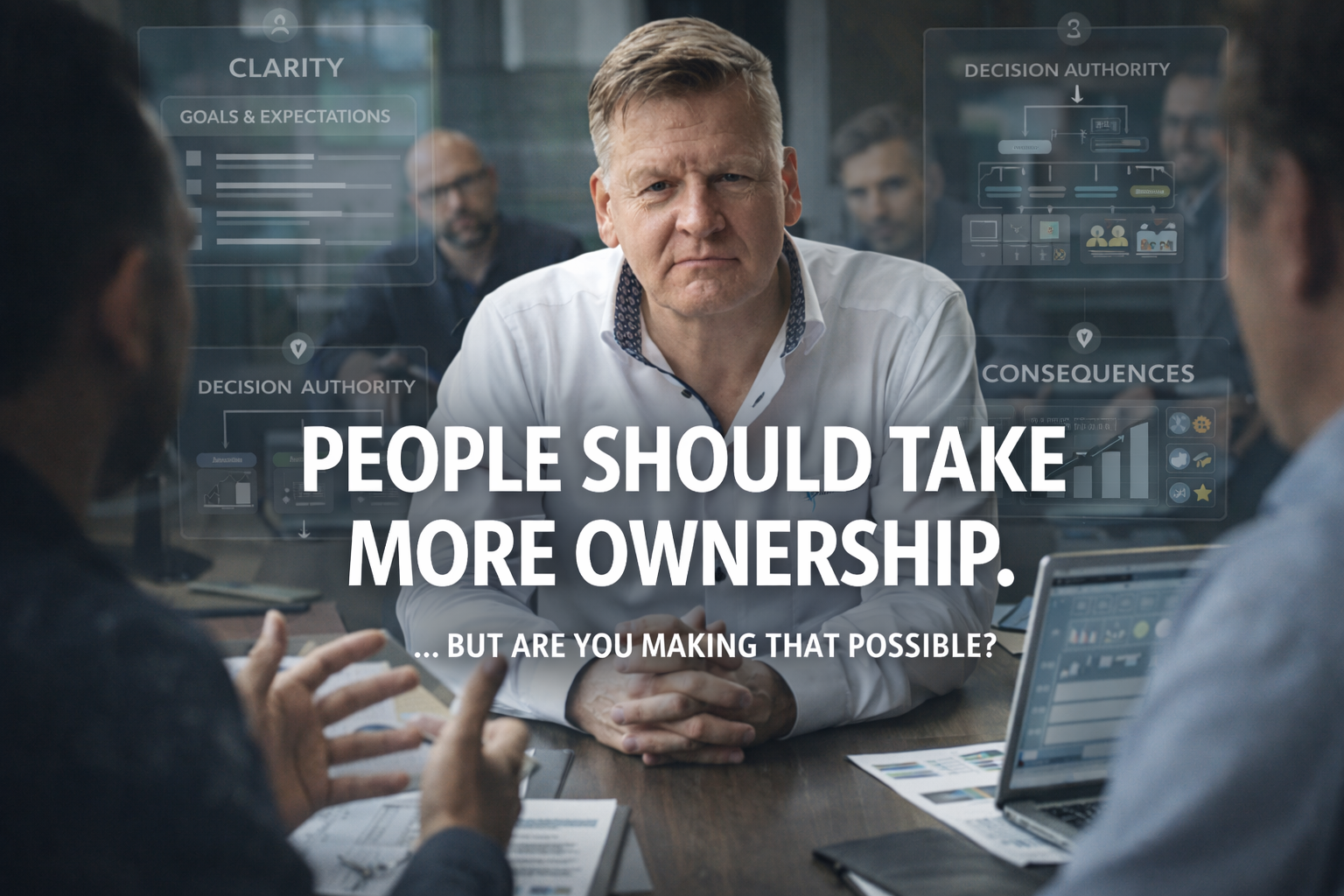
Ownership in organizations is often treated as a mindset problem. In reality, it is a design issue. When goals are unclear, authority and accountability are misaligned, and leadership behavior is inconsistent, ownership erodes. This article explains why ownership is not something you demand from people, but something you deliberately build through structure, behavior, and leadership discipline.

Many leadership teams mistake agreement for commitment. When dialogue is rushed and constructive conflict is avoided, alignment becomes something that must be shown rather than earned. People comply, but they do not commit. Real alignment is built earlier, through disciplined dialogue, the courage to surface different perspectives, and the willingness to stay in the conversation until shared understanding emerges. When leaders invest in that process, commitment follows naturally. And when commitment is real, alignment no longer needs to be...
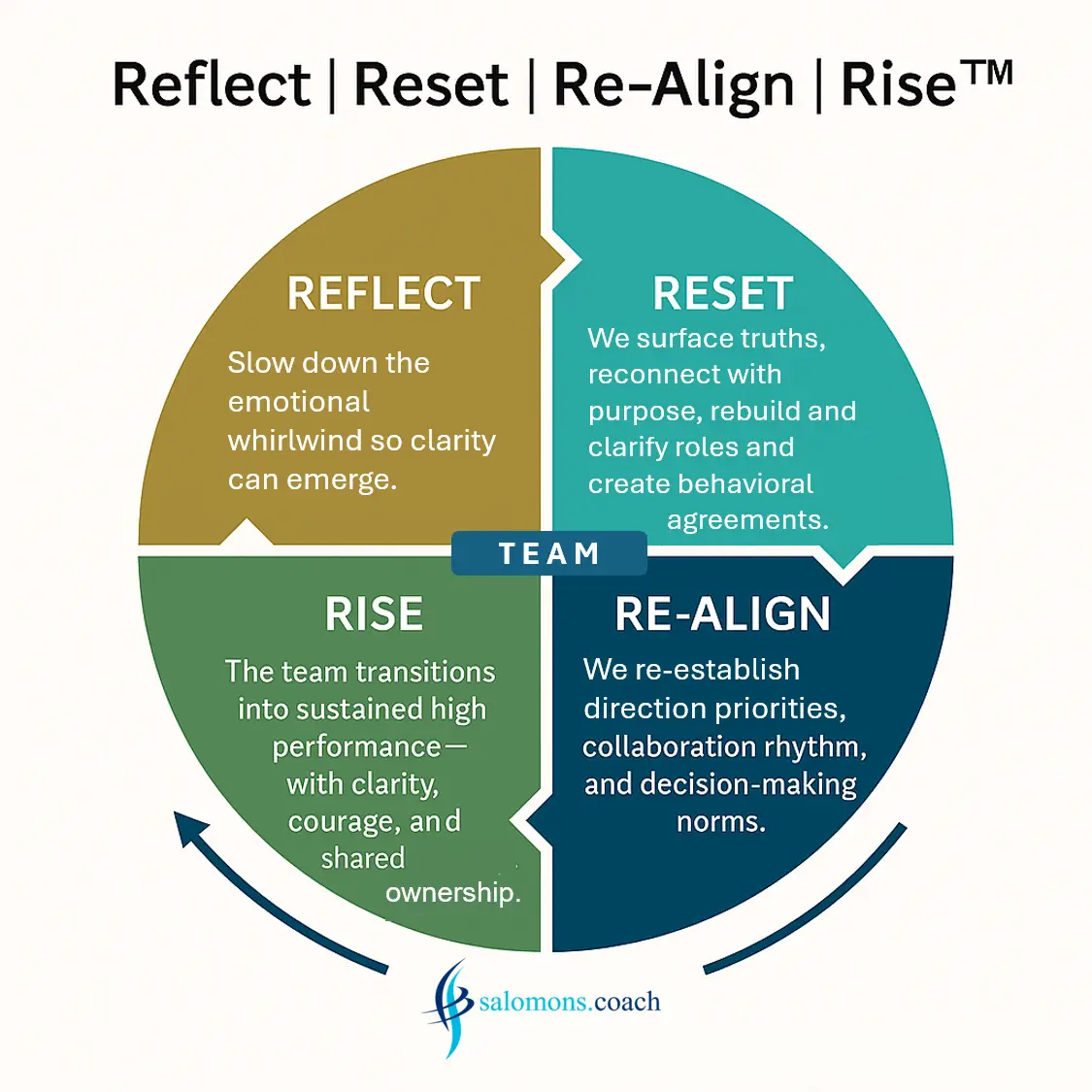
Most teams don’t fail because they don’t work hard — they fail because they work too fast, too isolated, and without reflection.
When every team focuses on solving its own problems, sub-optimization becomes inevitable. Each quick fix triggers side effects elsewhere, creating a vicious cycle of ad-hoc problem-solving that drains energy and weakens performance.
Research on High-Performing Teams shows that real success depends on trust, shared purpose, and systemic alignment — not more speed.
Breaking that cycle starts when leaders and teams...
Negativity can quietly erode team morale, productivity, and even a leader’s confidence. In this post, I share the story of Nathalie, an operations manager trapped in a cycle of workplace stress and unproductive venting—both in her team meetings and personal life. Together, we explored the psychological roots of negativity, its contagious effects, and strategies to break free. From reframing challenges to fostering constructive team dynamics, this journey reveals how leaders can transform negativity into solutions and growth. If workplace...