Ontslag in Nederland is juridisch gestructureerd maar psychologisch ontwrichtend. Zelfs met sterke bescherming en het VSO-proces ervaren werknemers identiteitsverlies, onzekerheid en emotionele turbulentie. Leiders onderschatten vaak deze impact - en het effect op degenen die blijven. Onderzoek toont aan dat gestructureerde overgangsondersteuning de resultaten aanzienlijk verbetert. Het 4R Model-Reflect, Reset, Re-Align, Rise helpt mensen te stabiliseren, hun identiteit opnieuw op te bouwen en met duidelijkheid en vertrouwen de arbeidsmarkt weer te betreden. Nederlandse organisaties schakelen steeds vaker externe coaches in tijdens de VSO-periode om vertrekkende managers te ondersteunen en het vertrouwen, welzijn en de bedrijfscontinuïteit te behouden. Ontslag is geen einde - het is een keerpunt.
Most teams don’t fail because they don’t work hard — they fail because they work too fast, too isolated, and without reflection.
When every team focuses on solving its own problems, sub-optimization becomes inevitable. Each quick fix triggers side effects elsewhere, creating a vicious cycle of ad-hoc problem-solving that drains energy and weakens performance.
Research on High-Performing Teams shows that real success depends on trust, shared purpose, and systemic alignment — not more speed.
Breaking that cycle starts when leaders and teams slow down long enough to Reflect, Reset, Re-Align, and Rise™ — together.
Het Wheel of Work Life is een krachtig raamwerk dat onthult wat echt bepalend is voor je welzijn op het werk. Door acht essentiële dimensies te onderzoeken - van psychologische veiligheid en leiderschap tot autonomie, werkdruk, erkenning, groei, samenwerking en herstel - krijg je een holistisch beeld van wat je energie geeft en wat je uitput. Dit model helpt individuen en teams inzicht te krijgen in hun huidige realiteit en de kleine, zinvolle stappen te identificeren die leiden tot gezondere, duurzamere prestaties.
Heb je moeite met een nieuwe baas? Je bent niet de enige. Dit artikel legt de psychologie achter leiderschapsovergangen uit, waarom je hersenen zo reageren en welke praktische stappen je kunnen helpen om weer duidelijkheid en vertrouwen te creëren, vooral in operationele omgevingen waar veel druk heerst.
Angst kan organisaties stilletjes overnemen - door stilte, controle en druk - tot het vertrouwen verdwijnt en de prestaties instorten. In dit artikel onderzoekt Jan Salomons hoe op angst gebaseerd leiderschap ontstaat en wat leiders kunnen doen om het om te keren. Hij deelt vijf praktische manieren om het vertrouwen te herstellen, waaronder het herkaderen van controle, het uitnodigen tot openheid en het herstellen van het teamritme. In een VUCA-wereld, waar verandering en onzekerheid angst oproepen, worden leiders die angst herkennen en aanpakken de echte stabilisatoren van de cultuur. Leer hoe bewustzijn, consistentie en moed angst kunnen omzetten in focus en verbinding.
Cameras On or Off?
New research from Harvard, MIT, and Stanford reveals that virtual presence affects our energy, focus, and connection in complex ways. Cameras on foster trust, empathy, and visibility — ideal for one-on-one coaching and emotionally rich conversations. Cameras off reduce fatigue and sharpen deep listening, especially in large meetings where constant visibility causes cognitive overload. The key is not choosing one or the other, but using both intentionally. Co-create norms, use short “camera-off” reflection moments, and turn off self-view to protect attention and well-being. Presence isn’t about being seen — it’s about being fully engaged.
I still remember the moment I lost my cool. The frustration had been building for days, and during a routine meeting with one of my subordinates, I snapped. My words were sharp, my tone unkind, and the look on their face—shock and hurt—was a painful reminder that I’d crossed a line.
As leaders, we often pride ourselves on staying composed, but we’re human, too. That day, I learned the hard way that managing others starts with managing yourself. Emotional outbursts can damage trust and relationships, but they can also be a wake-up call for growth.
If you’ve faced similar challenges, it’s time to take charge of your emotions and lead with resilience. Let me guide you. Explore my coaching services or...
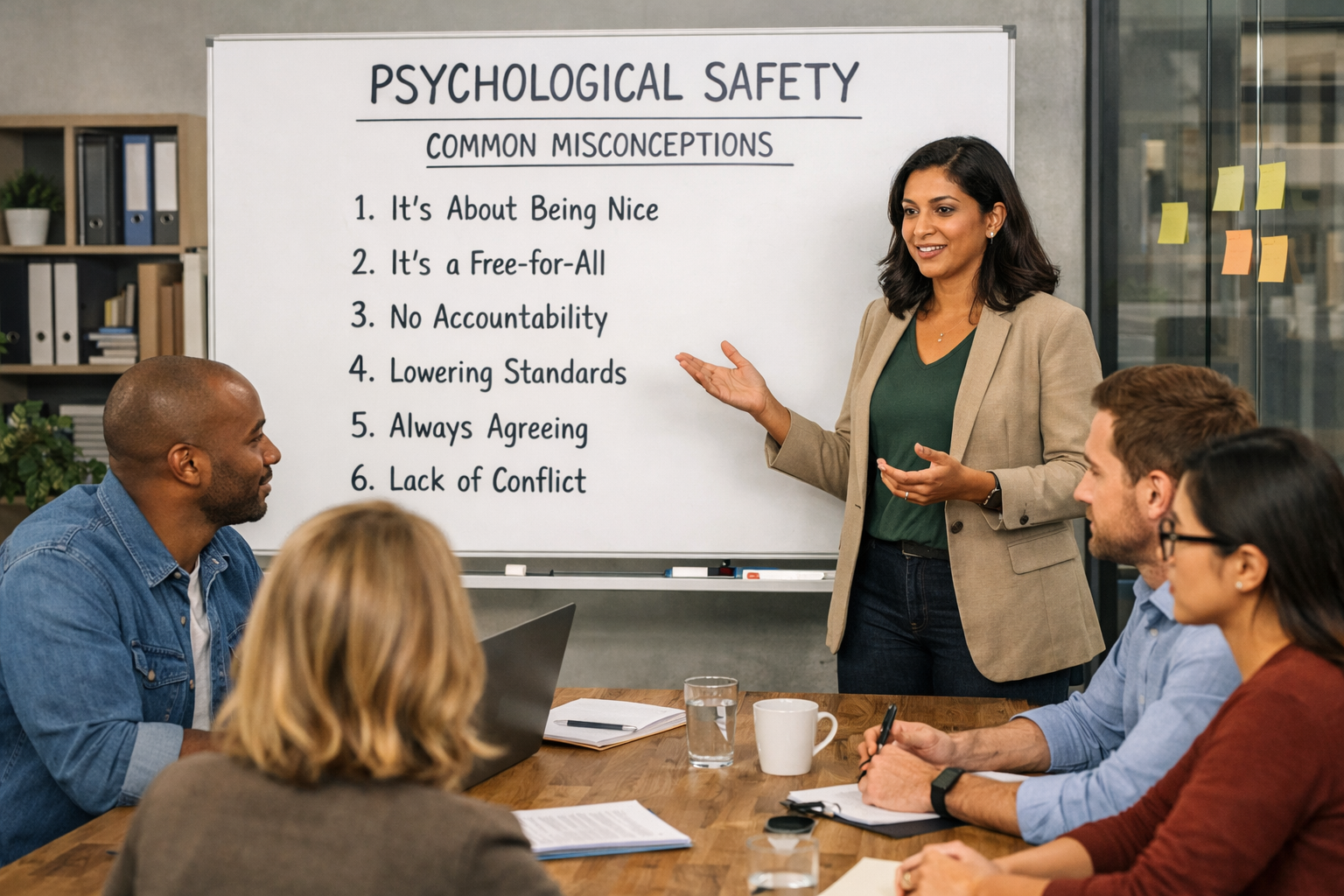
Creating an environment of psychological safety is vital for team trust and collaboration. Leaders can achieve this by modeling vulnerability, encouraging inclusive participation, establishing clear communication norms, implementing structured reflection, providing support, and monitoring team dynamics. Key strategies include sharing personal mistakes, seeking feedback, promoting open dialogue, valuing diverse perspectives, setting respectful interaction expectations, conducting regular debriefs, offering training, and assessing psychological safety. These practices empower team members to express ideas and take risks, fostering a culture of innovation and mutual respect, ultimately enhancing team performance.
Negativity can quietly erode team morale, productivity, and even a leader’s confidence. In this post, I share the story of Nathalie, an operations manager trapped in a cycle of workplace stress and unproductive venting—both in her team meetings and personal life. Together, we explored the psychological roots of negativity, its contagious effects, and strategies to break free. From reframing challenges to fostering constructive team dynamics, this journey reveals how leaders can transform negativity into solutions and growth. If workplace stress and team negativity feel overwhelming, this is your guide to leading with positivity and purpose.